A plumbing emergency doesn’t announce itself with a warning. It arrives at 2 AM when a supply line bursts under the kitchen sink, or on a Sunday afternoon when a toilet overflows and won’t stop, or during a summer storm when sewage begins backing up through a floor drain. The first 30 minutes after a plumbing emergency begins are the most consequential, the actions taken, or not taken, in that window directly determine how much damage occurs and how much the eventual remediation costs.
For homeowners in Orlando, Florida, those first 30 minutes carry particular weight. Central Florida’s warm, humid climate means that water intrusion events escalate quickly, mold can begin establishing itself within 48–72 hours of moisture exposure, and structural materials absorb water rapidly in high-humidity conditions. The faster a plumbing emergency is contained, the lower the total damage and the more manageable the recovery.
This guide provides a clear, practical framework for what Orlando homeowners should do, and avoid doing, in the critical first 30 minutes of a plumbing emergency, organized by emergency type and priority of action.
The Foundation: Emergency Preparedness Before Any Emergency Occurs
The most important actions in any plumbing emergency are taken before the emergency happens. Homeowners who have done the basic preparatory work, locating shutoffs, knowing who to call, understanding their system, consistently experience better outcomes than those responding blind.
Know Your Shutoff Locations
Every Orlando homeowner should be able to answer these questions without hesitation:
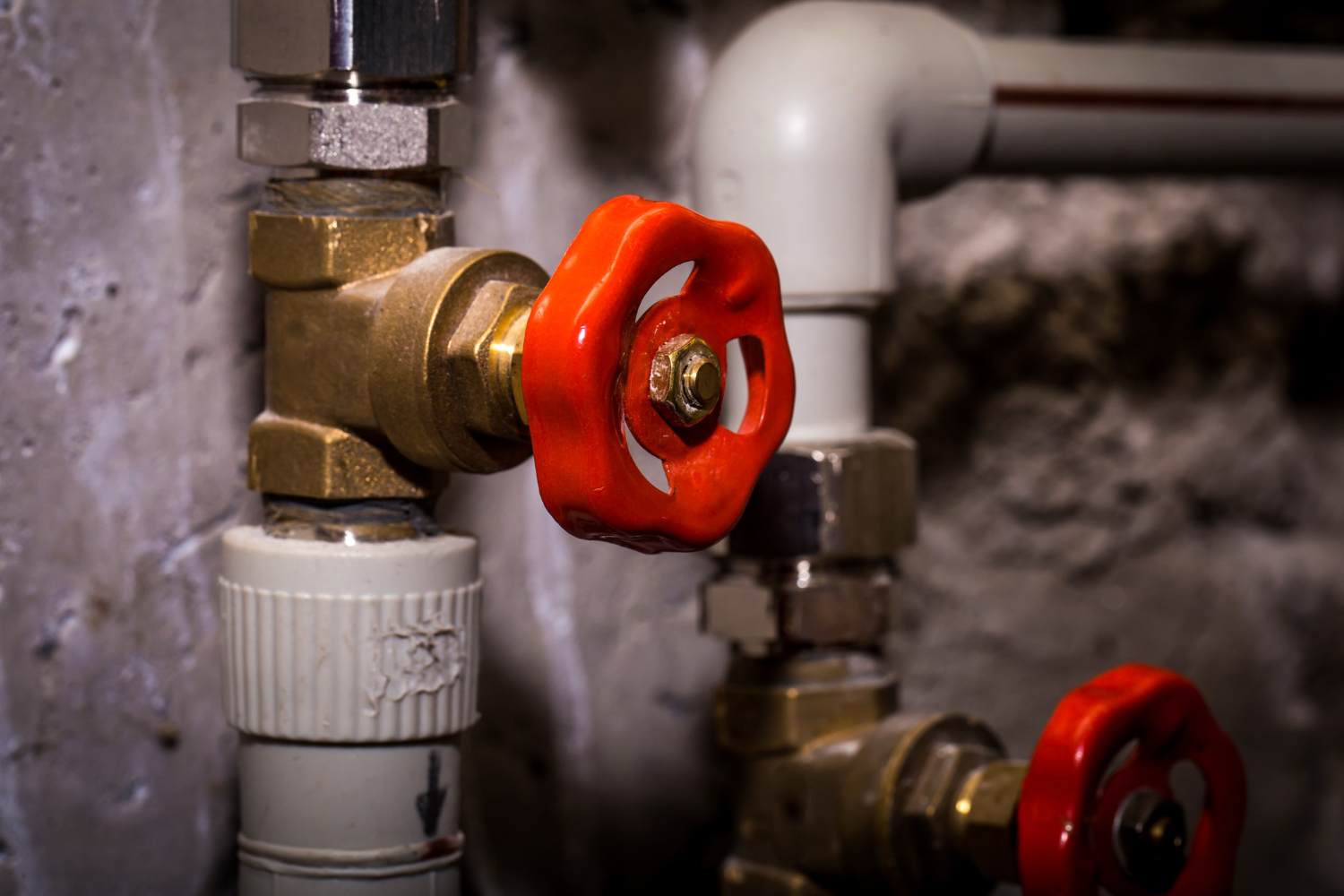
- Where is the main water shutoff valve? (At the meter near the street, and at the building entry point)
- Where are the individual fixture shutoffs? (Behind toilets, under sinks, at appliance connections)
- Where is the water heater shutoff, both the water supply shutoff and the gas or electrical disconnect?
- Where is the gas main shutoff at the meter?
These shutoffs are the primary tools for limiting damage in the first minutes of an emergency. A homeowner who can locate and operate the main water shutoff within 60 seconds of recognizing a water emergency will experience dramatically less damage than one who spends five minutes searching.
Keep Emergency Contact Numbers Accessible
Reliable access to emergency plumbing services Orlando should be established before a crisis. Searching for a plumber while water floods a room is a situation that compounds stress and delays response. Homeowners who have a licensed plumber’s emergency number saved in their phone before an emergency occurs are positioned to make that call immediately, from outside if necessary, without losing time.
Know Your Home’s Pipe Material
Orlando homeowners in properties built between approximately 1975 and 1995 should know whether their home has polybutylene supply pipes, a gray plastic material that degrades internally through exposure to chloramine-treated water and can fail suddenly. Awareness of pipe material affects how a professional assesses an emergency and what repair options are available. Providers of pipe replacement Orlando regularly work with homeowners who discover their pipe material only at the moment of a failure event, a situation that preparedness can prevent.
Minutes 0–5: Immediate Response Actions
The first five minutes after a plumbing emergency is identified determine the trajectory of everything that follows. These actions should happen in rapid sequence, without hesitation.
For a Water Line Break or Supply Line Failure
Action 1, Shut off the nearest water supply. If the failure is at a fixture with an accessible individual shutoff, a toilet, a sink, a washing machine, close that shutoff valve immediately. If the break is in a pipe, inside a wall, or at a location where the individual shutoff is inaccessible, go directly to the main water shutoff and close it.
Every second of delay is additional water volume spreading through floors, walls, and ceilings. In a home with typical water pressure of 60–80 PSI, a broken supply line can release dozens of gallons per minute.
Action 2, Turn off the water heater. If the main water supply has been shut off, the water heater should be shut down as well. A water heater operating without incoming water can overheat, and in the case of a gas unit, can create combustion conditions that are hazardous. Turn a gas water heater to “pilot” mode or close the gas supply valve at the unit. Turn off an electric water heater at the circuit breaker. The U.S. Department of Energy recommends this practice as part of safe shutdown procedure whenever the water supply to a water heater is interrupted.
Action 3, Open faucets to drain residual pressure. After the main supply is shut off, open faucets at the lowest level of the home to drain remaining water pressure from the supply system. This reduces the volume of water that continues to flow from the break point after the main is closed.
For a Gas Leak
If a gas smell is detected, the distinctive rotten egg or sulfur odor of mercaptan-added natural gas, the response protocol is fundamentally different and must be followed precisely.
Do not operate any electrical device. Do not turn lights on or off. Do not use a phone inside the building. Do not activate a garage door opener. Any electrical spark can ignite accumulated gas.
Exit the building immediately. Every occupant, including pets, should leave at once. Do not gather belongings. Do not investigate the source of the smell. Move directly to the exit, opening doors and windows briefly as you pass them to begin ventilation, but do not delay exit to do so.
From outside, call 911, then the gas utility. Once safely away from the building, make emergency calls. Do not re-enter the building for any reason until emergency services have cleared it.
For a Sewer Backup
Stop using all water-based fixtures immediately. Running additional water into a backed-up drain system increases the backup volume and the contamination spread. This means no toilets, no faucets, no dishwasher, no washing machine.
Sewage backup water is a Category 3 hazard, highly contaminated with pathogens that present genuine health risks. Homeowners should avoid direct contact with backup water and should not attempt to clean or shop-vac sewage without appropriate protective equipment.
Minutes 5–15: Damage Limitation and Documentation
Once the immediate response actions are complete, the focus shifts to limiting additional damage and creating the documentation needed for insurance purposes.
Protect Valuables and Electronics
Move electronics, furniture, documents, and valuables out of the path of water spread. Water moves quickly through flooring and under doors, items in adjacent rooms may be at risk even if they’re not immediately in the affected area. Elevating items off the floor on chairs or tables buys time while the situation is being assessed.
Unplug electronics in affected areas before moving them, and do not plug in or operate electronics in areas with visible water on the floor.
Begin Documentation
Before any cleanup begins, photograph and video the affected area thoroughly. This documentation is essential for homeowner’s insurance claims, and its value cannot be overstated. Capture:
- The source of the failure if visible
- The extent of water spread across floors, walls, and ceilings
- Any personal property that has been damaged
- The condition of building materials, flooring, drywall, cabinets, before any drying or removal begins
Insurance adjusters assess claims based on documented conditions at the time of the event. Thorough, timestamped photographic documentation supports accurate claim assessment and reduces disputes about the extent of pre-cleanup damage.
Initial Water Removal
While waiting for professional help, begin removing standing water with towels, mops, buckets, or a wet-dry vacuum. Reducing the volume of standing water immediately limits how deeply water penetrates into flooring, subflooring, and wall assemblies.
In Orlando’s climate, the goal is to minimize absorption time, the longer water sits in contact with absorbent materials, the greater the structural damage and the higher the mold risk. Every gallon removed in the first hour is a meaningful reduction in remediation scope.
Do not use household fans or heating equipment to attempt drying if the water source has been an appliance or supply line connected to a gas system, confirm gas supply integrity before introducing electrical or heat-generating devices into the space.
Minutes 15–30: Professional Contact and Information Gathering
With immediate response actions complete and initial documentation underway, the focus of the second half of the first 30 minutes is securing professional help and gathering the information that will make that help faster and more effective.
Call a Licensed Plumber
Contact a licensed plumbing contractor with genuine 24-hour emergency response capability. When making this call, be prepared to describe:
- The type of emergency (burst pipe, supply line failure, sewage backup, gas concern, water heater failure)
- The location in the home where the problem originated
- Whether water or gas has been shut off
- The approximate volume of water involved and the areas affected
- The pipe material if known (copper, PEX, CPVC, polybutylene)
- The age of the home and any known plumbing history
This information allows the responding plumber to bring appropriate equipment and materials, and to provide realistic guidance on response time and likely repair scope. The comprehensive plumbing services Orlando offered by licensed professional contractors covers the full range of emergency scenarios, from supply line failures to sewer backups to gas system concerns.
Contact Homeowner’s Insurance
Notify the homeowner’s insurance carrier as soon as practical, ideally within the first 30–60 minutes of the event. Most policies require prompt notification of water damage events, and delay in reporting can create coverage complications. When calling, have the documentation already captured and be ready to describe the event, the actions taken, and the current status.
Ask the carrier specifically:
- Whether the event is covered under the current policy
- Whether temporary protective measures (boarding, tarping, water extraction services) are covered
- What the documentation and claim filing process requires
- Whether they have preferred vendors for water damage remediation
Prepare Access for the Responding Plumber
Clear a path to the main shutoff, the affected fixture locations, the water heater, and the sewer cleanout access point if relevant. Remove personal items, furniture, and obstructions that would limit the plumber’s ability to access the repair location quickly. Time spent by the responding professional clearing access to the work area delays the repair and extends the emergency.
Emergency-Specific Guidance: Common Orlando Plumbing Emergencies
Burst Pipes and Supply Line Failures
Burst pipes in Orlando homes occur for a variety of reasons, aging pipe materials, pressure surges in the municipal supply system, physical damage, or the sudden failure of deteriorated connections. The material of the failed pipe is often an important diagnostic factor.
Homeowners who experience burst pipes should have the failed section and its connections assessed not just for the immediate repair but for what the failure reveals about the condition of the broader system. A burst polybutylene pipe, for example, indicates a system-wide degradation condition that extends beyond the single failed section.
Access to reliable water line repair service Orlando is essential for prompt, code-compliant restoration of supply integrity after a pipe failure event.
Toilet Overflow and Sewage Backup Events
Toilet overflow events are among the most common plumbing emergencies in residential properties. The most important immediate action, beyond shutting off the fixture supply valve, is stopping all additional water input into the drainage system.
Sewage backup events that affect floor drains, toilets, and lower-level fixtures simultaneously suggest a main sewer lateral problem rather than a single fixture issue. These events require camera inspection of the sewer lateral to identify the cause, root intrusion, belly sections, collapsed pipe sections, before an effective repair can be planned. Professional Clogged Toilet Repair Services Orlando encompasses both fixture-level toilet repair and assessment of the broader drain system conditions that contribute to backup events.
Water Heater Failures
Water heater failures present in several ways, sudden loss of hot water, visible water pooling at the unit base, unusual noises, or gas-related symptoms at the unit. Each presentation requires a different response.
A water heater that is leaking at the base, indicating tank failure, should be shut down immediately. For gas units, close the gas supply valve at the unit. For electric units, disconnect the circuit at the breaker. Close the cold water supply valve to the heater to stop water from entering the failing tank.
The ENERGY STAR certification program provides efficiency standards for replacement water heaters, information that is relevant to the replacement decision that follows a failed tank event. Similarly, the EPA WaterSense program highlights the water efficiency implications of well-functioning, properly maintained water heating systems.
Providers of Orlando Water Heater repairs conduct post-failure assessments that determine whether the unit can be repaired or requires replacement, and ensure that any replacement is installed to current code standards with all required safety devices.
Faucet and Fixture Emergencies
While less dramatic than burst pipes or sewage backups, faucet failures that produce continuous water flow, a handle that breaks off, a supply connection that fails completely, require immediate shutoff at the fixture or main level followed by professional assessment.
Professional faucet repair installation Orlando services address both the immediate failure and the underlying fixture condition that produced it, preventing recurrence and restoring full, reliable fixture function.
What Not to Do in the First 30 Minutes
Emergency situations produce stress, and stress produces mistakes. The following actions are commonly made errors that worsen outcomes in plumbing emergencies:
Don’t use electrical devices in water-affected areas. Plugged-in electronics, operating switches, and powered equipment in areas with standing water create electrocution risk. Disconnect power to affected areas at the circuit breaker before entering spaces with significant water accumulation.
Don’t attempt to repair gas lines. Gas line work requires a licensed contractor in Florida. Any attempt to repair or reconnect gas lines without professional expertise and proper tools creates immediate safety risk.
Don’t use a wet-dry vacuum or fans in a potential gas environment. If there is any question about gas in the space, electrical equipment should not be operated until the area has been cleared by emergency services or the utility.
Don’t delay calling a plumber while attempting DIY repairs. Temporary measures, towels, buckets, tape on pipes, may reduce immediate water volume but don’t address the failure. Delaying professional contact while attempting repairs that don’t hold extends the event duration and the damage accumulation.
Don’t use chemical drain cleaners during a backup event. Chemical cleaners added to a backed-up drain system don’t resolve the cause of the backup and create hazardous chemical exposure risk if they come into contact with backup water.
Don’t skip documentation to speed cleanup. Cleanup can wait the few minutes required for thorough photographic documentation. Undocumented damage is difficult to recover through insurance, and the documentation window closes the moment cleanup begins.
After the First 30 Minutes: What Comes Next
The first 30 minutes establish the foundation for everything that follows, professional repair, insurance claim, remediation, and restoration. Properties where the first 30 minutes were handled correctly, supply shut off promptly, documentation thorough, professional contact made quickly, consistently experience more efficient recovery than those where the initial response was delayed or misdirected.
Professional water damage remediation, drying, dehumidification, mold prevention treatment, should begin as soon as the plumbing repair is complete and the water source is confirmed as stopped. In Orlando’s climate, remediation delay beyond 24–48 hours meaningfully increases mold risk in affected materials.
The complete range of plumbing services Orlando available from licensed professional contractors provides the post-emergency diagnostic and repair services that restore plumbing system integrity, not just the immediate break, but the broader system assessment that ensures no secondary failures follow the primary event.
 Dubb
Dubb