Why Every Rental Property Needs a Restoration Plan
Imagine this: a guest checks into your Orlando Airbnb on a Friday night. By Saturday morning, they are calling you because water is pouring from under the bathroom sink, soaking through the floor, and seeping into the room below. You are two hours away. You do not have a plumber’s number saved. You are not sure what your insurance covers. And your next guests arrive in three days.
This is not a far-fetched scenario. It happens to rental property owners across Orlando every single week, and the ones who suffer the most are the ones who had no plan in place when it did.
A restoration plan is not something only large commercial property managers need. If you own a single Airbnb, a vacation home, or a long-term rental unit, you need one too. It is your safety net, your decision guide, and your fastest path back to normal when something goes wrong. Without it, every emergency becomes a crisis. With it, every crisis becomes a manageable problem.
What a Restoration Plan Actually Is (And What It Is Not)
A restoration plan is essentially a written playbook that tells you, and anyone helping you, exactly what to do when your property is damaged. Think of it like a fire drill for your rental. You hope you never need it, but when the moment comes, you are grateful you practiced.
It is not the same as your insurance policy. Your insurance policy tells you what you might be reimbursed for. Your restoration plan tells you what to do in the hours and days before that reimbursement ever enters the picture. It is also not the same as a general home maintenance checklist. A restoration plan is specifically built around emergency response and recovery.
A well-built restoration plan covers four core things: what your property’s risks are, who to call and in what order, what documentation exists to support recovery, and what financial resources are available when repairs begin. It should be stored somewhere easy to access, digitally on your phone and physically at the property, and anyone who manages the property on your behalf should have a copy.
Step One: Know Your Property’s Vulnerabilities
Before you can plan for damage, you need to understand where your property is most likely to be hurt. This is called a vulnerability assessment, and it does not need to be complicated. It simply means walking through your property with one question in mind: where could water, mold, or structural damage enter and take hold?
In Orlando, the most common weak points in rental homes and short-term rentals include aging or exposed plumbing lines, flat or low-sloped roofs that collect rainwater, HVAC condensate drain lines that back up and overflow, poorly sealed windows and sliding doors, and outdoor areas that flood during heavy rainfall.
Vacation homes and Airbnb properties face a unique challenge here. Because they are occupied by different guests on a rotating basis, wear and tear happens faster than in a typical primary residence. Small leaks go unreported. Minor damage gets overlooked. By the time the owner notices a problem, it has often been quietly growing for weeks.
Walking through your property between stays, or scheduling a professional inspection twice a year, is one of the most effective habits a rental owner can build. The U.S. Environmental Protection Agency (EPA) recommends addressing moisture problems promptly and thoroughly, noting that early intervention is always far less costly than delayed repairs.
Step Two: Define Your Emergency Response Chain
When water damage happens, the worst possible outcome is standing in a panic, not knowing who to call first. The second worst outcome is calling the wrong person first and losing valuable time. Your restoration plan needs a clearly written response chain, a simple, ordered list of exactly who gets contacted, when, and why.
The chain typically works in three layers. First is the property owner or manager, that means you, or whoever is your on-the-ground contact in Orlando. Second is the professional restoration company. This call should happen as early as possible, because water damage expands by the hour. Third is your insurance provider, who needs to be notified promptly but who should not slow down the initial response.
Write out each contact’s name, phone number, role, and the specific circumstances under which they get called. Include your restoration company’s emergency line, your insurance agent’s direct number, a trusted local plumber, and an electrician. Post this list inside a kitchen cabinet at the property. Save it on your phone. Email it to any co-hosts or property managers.
Access to 24/7 Emergency Restoration Orlando means that professional help is available at any hour, including during the middle of a storm or the early hours of a holiday weekend. Having that number already written into your response chain before anything happens is the difference between a fast recovery and a prolonged one.
Step Three: Document Everything Before Disaster Strikes
One of the most overlooked parts of any restoration plan is what happens before the damage occurs. Pre-disaster documentation is the practice of creating a clear, organized record of your property’s condition while everything is still in good shape, and it is one of the most powerful tools a rental owner can have.
Start with a full photo and video walkthrough of every room, every appliance, every wall, ceiling, and floor. Capture the condition of the bathroom fixtures, the area under sinks, the HVAC unit, the water heater, and any outdoor drainage points. Date everything and store it in a cloud folder that is easy to access from anywhere.
Beyond photos, maintain a simple log that includes appliance serial numbers and purchase dates, records of any repairs or maintenance completed at the property, copies of warranties, and the contact information for every contractor who has worked on the building.
When damage does occur, this documentation serves two critical purposes. It tells the restoration team what the property looked like before the incident, which helps them restore it accurately. And it gives your insurance provider clear evidence of the original condition, which protects you during the claims process. The Federal Emergency Management Agency (FEMA) consistently highlights pre-disaster documentation as a key factor in faster, fairer insurance claim outcomes.
Step Four: Partner With a Professional Restoration Company in Advance
Most property owners only think about finding a restoration company after something has already gone wrong. They are stressed, the damage is spreading, and they are Googling frantically while trying to manage a panicked guest. That is the hardest possible moment to make a good decision about who to trust with your property.
The far smarter move is to choose your restoration partner before you ever need one. Research local companies, ask about their response times, verify that they handle both water damage and mold, confirm that they work directly with insurance providers, and make sure they offer round-the-clock emergency availability.
For rental property owners throughout Orlando, Orlando Water Damage Restoration and Mold Removal Orlando services from a trusted local team mean that when a problem surfaces, whether it is a burst pipe, storm flooding, or hidden mold discovered during a guest turnover, the right professionals are already a single phone call away.
Pre-establishing this relationship also means the restoration team already has context about your property. Some companies will conduct a pre-service walkthrough or consultation, which gives them a baseline understanding of the layout and condition of the building. That familiarity speeds up the response significantly when time matters most.
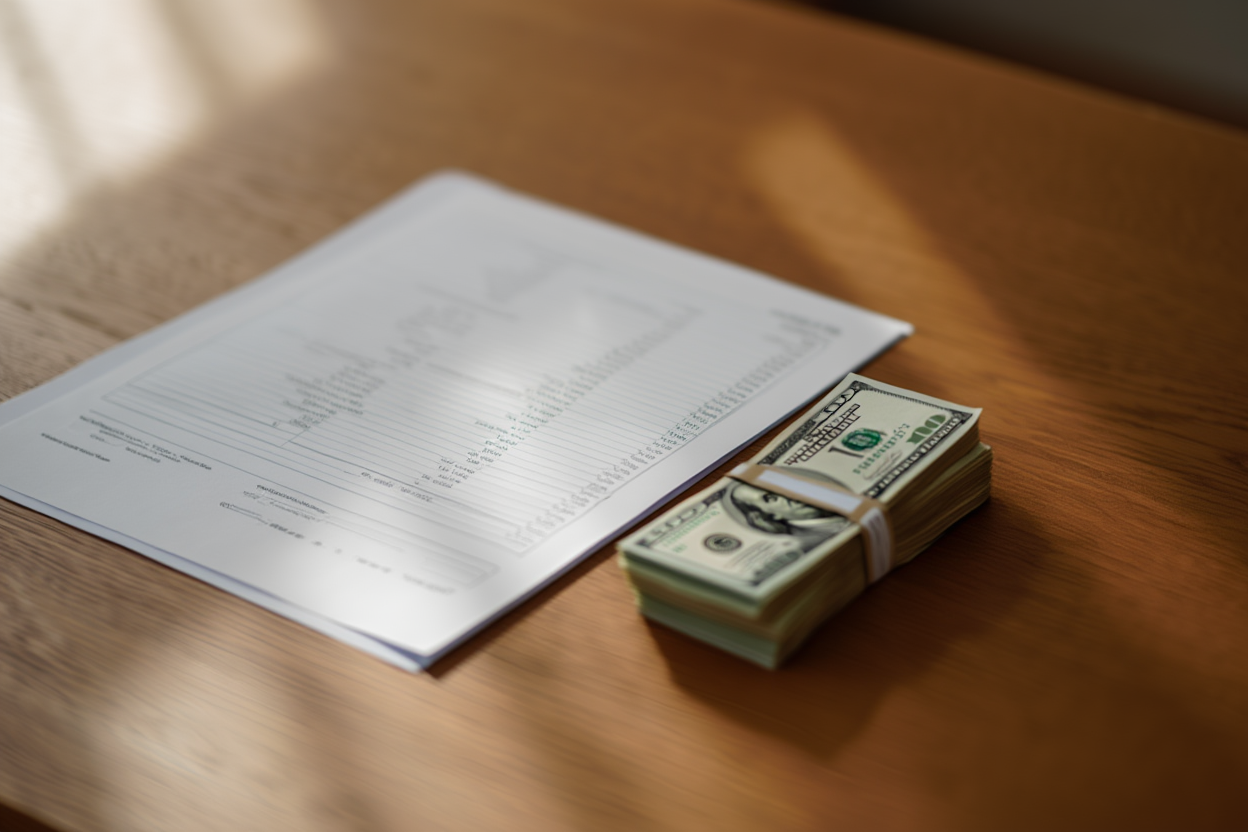
Step Five: Build Your Restoration Budget and Insurance Checklist
A restoration plan without financial preparation is only half a plan. Knowing what to do in an emergency matters enormously, but so does knowing how you are going to pay for it and what your insurance will and will not cover.
Start by setting aside a dedicated restoration reserve fund. For most single-unit rental properties, a reserve of one to three thousand dollars provides a reasonable buffer for minor to moderate water damage repairs. For larger or older properties, that number should be higher. This fund is separate from your general maintenance budget and should only be touched in a genuine emergency.
On the insurance side, short-term rental owners need to pay close attention to the gaps in standard homeowner policies. Most basic policies were not designed with Airbnb-style use in mind, and they frequently exclude or limit coverage for damage that occurs during a guest stay, mold remediation, or flooding from external sources. Review your policy carefully and ask your provider direct questions about these specific scenarios.
Key items to include in your insurance checklist are confirmation of whether water damage from internal sources is covered, clarity on whether mold remediation is included or excluded, verification of liability coverage if a guest is injured due to property damage, and an understanding of how business income loss is handled if the property must be taken off the rental market during repairs.
The Centers for Disease Control and Prevention (CDC) recommends that property owners treat water-damaged materials with urgency, as mold and related health hazards can develop quickly. Understanding your coverage ahead of time means you can act fast without hesitation over the cost.
Keeping the Plan Current: Review, Update, Repeat
A restoration plan that was written two years ago and never touched again is barely more useful than no plan at all. Properties change. Contractors move on. Insurance policies renew with new terms. A guest may report a small issue that points to a bigger underlying problem. Your plan needs to keep pace with all of it.
Build a simple habit of reviewing your restoration plan at least once every quarter. Use the following framework as a guide:
Every quarter: Confirm that all contact numbers in your response chain are still active. Review any maintenance or repair work completed in the past three months and update your documentation log accordingly.
After every significant storm or weather event: Walk through the property and check all known vulnerability points. Update your photo documentation if any condition has visibly changed.
At every policy renewal: Re-read your insurance policy with fresh eyes. Look specifically for any changes to water damage, mold, or short-term rental coverage. If something is unclear, call your agent and get clarification in writing.
After any major renovation or upgrade: Update your appliance records, take new photos of affected areas, and confirm that any new systems, plumbing, HVAC, roofing, are documented and warranted.
Treating this as a living document rather than a completed task is what separates prepared property owners from overwhelmed ones.

Frequently Asked Questions
What should be included in a restoration plan for a rental property?
A restoration plan for a rental property should include a vulnerability assessment of the building, a clear emergency response contact chain, pre-disaster photo and video documentation, a financial reserve for repairs, and an insurance checklist. It should be stored digitally and physically at the property, and reviewed at least once every quarter to stay current and useful.
How do I protect my Airbnb from water damage?
Protecting an Airbnb from water damage starts with knowing where the risks are: plumbing lines, HVAC drainage, roofing, and sealed windows. Regular inspections between guest stays, fast response to any reported issues, pre-established contact with a professional restoration company, and solid documentation of the property’s condition all work together to keep water damage from becoming a major problem.
Does Airbnb insurance cover water damage and mold?
Airbnb’s built-in host protection has limitations, and standard homeowner policies often exclude mold remediation or damage that occurs during a guest stay. Coverage varies significantly depending on the policy and provider. Rental property owners should review their specific policy carefully, ask direct questions about water and mold coverage, and consider supplemental short-term rental insurance to close common gaps.
How often should a rental property restoration plan be updated?
A rental property restoration plan should be reviewed at least once every quarter. It should also be updated after any significant storm, completed renovation, change in service providers, or insurance policy renewal. A plan that is outdated or incomplete offers far less protection than one that reflects the current state of the property, its systems, and its coverage.
Do Not Wait for Disaster. Build Your Plan Today
A restoration plan is not a sign that something is wrong with your property. It is a sign that you take your responsibilities as a property owner seriously, to your guests, to your investment, and to your own peace of mind.
The rental property owners who recover fastest from water damage, mold, and emergency situations are not the ones who got lucky. They are the ones who were ready. They had the contacts saved, the documentation stored, the insurance understood, and the right professionals already in their corner.
For rental property owners and Airbnb hosts throughout Orlando, Going Green Restoration USA is ready to help, whether that means responding to an active emergency or walking through a pre-season property inspection.
 Dubb
Dubb