

A lot of people think the hardest part of opening a restaurant is the food, the concept, or the location. Those things matter. But many restaurant openings in Florida get delayed for a simpler reason: the owner underestimates the setup work behind the doors. The paperwork, inspections, tax setup, staffing structure, food-safety requirements, and insurance decisions can shape the launch as much as the menu does. That is why anyone planning to open a restaurant in Florida needs to think in systems, not only in ideas.
Florida’s licensing framework makes that clear. The Florida Division of Hotels and Restaurants says there are generally four steps to getting licensed: create a DBPR Online account, complete plan review when required, apply for the license and pay the fee, and schedule and pass the licensing inspection. The Division’s permanent food service guide repeats that same structure for new establishments.
That process sounds simple when listed in four lines. In practice, it touches almost every part of the opening timeline. Plans must be ready. The menu matters. The buildout matters. The inspection matters. The business entity and tax setup matter. Once staff enter the picture, employer obligations matter too. That is why the question is not only how to open a restaurant in Florida, but how to open one without creating delays, blind spots, or avoidable exposure in the first months of operation.
There is also a second layer that many first-time owners do not fully appreciate. Opening is not just a licensing problem. It is a risk problem. Restaurants open into a business environment shaped by guest injuries, food-safety issues, alcohol exposure when applicable, employee injuries, property losses, and interruption risk. That is where restaurant and entertainment insurance and broader risk management become useful before opening day, not only after something goes wrong.
To Open a Restaurant in Florida, Start With the Right Regulatory Path
The first practical step is to confirm which agency regulates the business. In Florida, many public food service establishments fall under the Division of Hotels and Restaurants within DBPR. The Division’s public information pages say it licenses and regulates certain public food service establishments and public lodging establishments, and its licensing page tells new business owners to begin by applying online through DBPR services.
That matters because people sometimes assume all food businesses follow the same path. They do not. Florida also has food permits under the Department of Agriculture and Consumer Services for certain retail food establishments. FDACS says a food permit application should be submitted 21 days before opening for the establishments it regulates.
So if you want to open a restaurant in Florida, the first real task is to identify the right licensing track. For a standard public food service restaurant, DBPR’s Hotels and Restaurants division is usually the central licensing body. That is the main path this article is addressing.
Plan Review Comes Early, and It Is Not a Small Detail
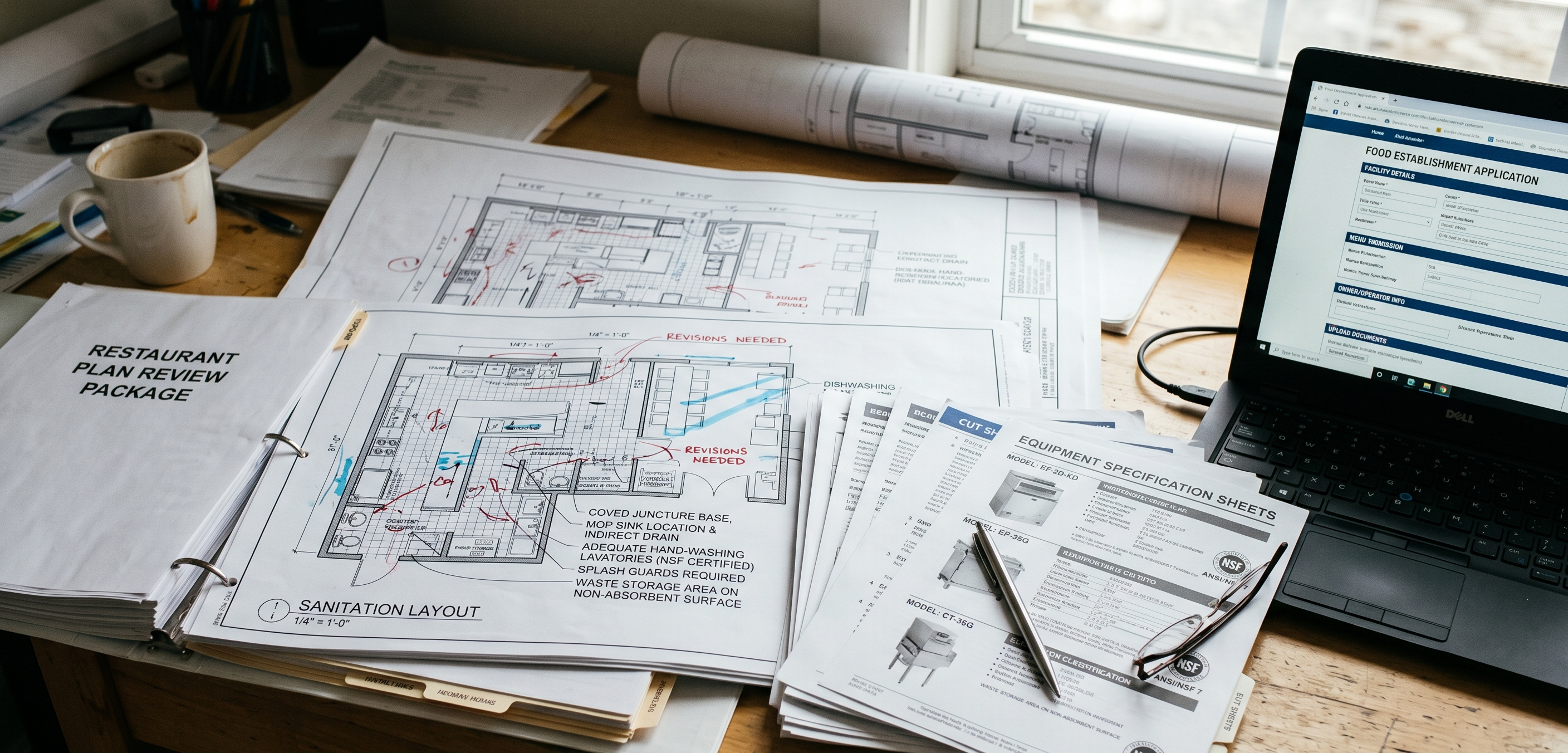
For food service licenses, plan review can be one of the most important early stages. Florida’s licensing requirements page says applicants generally need to apply for and complete plan review for food service licenses. The Division’s plan review page says applicants are encouraged to complete the process online and that they need high-quality plans drawn to scale plus a menu, with PDF preferred. It also says online applications can generally be reviewed within 30 days.
This is one of the biggest practical lessons for people trying to open a restaurant in Florida. The restaurant is not evaluated only as an idea. It is evaluated as a physical operating environment. Layout, equipment placement, sanitation flow, and menu all affect the review process. That means buildout decisions and licensing decisions are already connected before the restaurant ever serves its first guest.
Florida’s forms and publications page also lists DBPR Form HR-7030, the food service combo application, which is used for new establishments and certain change-of-ownership situations involving remodels.
The practical point is simple. If the plans are weak, incomplete, or out of sync with the real menu and layout, the opening process can become slower and more expensive than expected.
Licensing Inspection Is a Gate, Not a Formality
After plan review and application, the restaurant still must get through inspection. Florida’s licensing pages state that applicants must schedule and pass the licensing inspection. The mobile food guide says all new licensees are required to pass a sanitation and safety inspection before opening, and the general licensing structure for food service follows the same logic.
That means anyone planning to open a restaurant in Florida should treat inspection readiness as part of opening strategy, not as a last-minute administrative step. If the restaurant is not physically ready, if sanitation systems are not functioning, or if the operation does not match the approved plan, opening can be delayed.
This is also why the opening process works better when operators avoid improvising the final stage. The closer the actual restaurant matches the approved plans, equipment assumptions, and sanitation logic, the more controlled the licensing timeline tends to be.
Fees Matter, but They Are Not the Main Cost Story
Florida does publish food service fee information, and the fees themselves are not usually the part that breaks the project. The Division’s fee page shows a $50 application fee and notes that plan review is provided at no charge, while license fees vary by license type.
That is useful because people often fixate on licensing fees when trying to open a restaurant in Florida, even though the larger financial risks usually come from delay, redesign, contractor timing, staffing before revenue, and opening without enough operational protection. The fee is real, but it is not usually the most expensive opening mistake.
The more important financial question is whether the owner has built enough time and structure into the opening process to avoid expensive rework and fragile early operations.

Tax Setup and EIN Come Before Staff and Sales
Restaurants are not only licensed businesses. They are tax-reporting businesses and, very often, employers. The IRS small business and self-employed center lists employer identification numbers, employment taxes, and business tax resources as central tools for small businesses. IRS guidance also states that if a business is required to report employment taxes or provide tax statements to employees, it must have an EIN.
That means if you want to open a restaurant in Florida, you need to think beyond licensing and toward actual business structure. The entity, EIN, employer payroll obligations, and bookkeeping setup should already be organized before the restaurant begins hiring and operating. Opening a restaurant in Florida needs your best.
Florida tax registration also matters. The Florida Department of Revenue’s business tax application materials show the mechanisms businesses use to register for state tax responsibilities.
This part of the process is less visible than design or menu development, but it is fundamental. A restaurant that opens with weak tax and payroll structure can create problems that are harder to fix later than many owners expect.
Staffing Turns the Project Into an Employer Operation
The moment you hire, the restaurant becomes more than a licensed food business. It becomes an employer operation with payroll, withholding, and workforce obligations. IRS employer guidance, including Publication 15, exists because businesses must handle withholding and employment-tax procedures correctly once staff are on payroll.
For anyone trying to open a restaurant in Florida, this is a major shift. The business is no longer only about opening to the public. It is now also about hiring legally, paying accurately, training consistently, and managing workers in a setting where slips, burns, cuts, and repetitive injuries are all realistic.
This is one reason workers’ compensation insurance deserves attention early. Restaurants are labor-heavy environments. Employee injury is not a remote possibility. It is part of the operating reality.
Food Safety Is an Opening Condition, Not a Future Upgrade
Food safety does not begin after the grand opening. It begins before the restaurant is allowed to operate. FDA foodservice emergency and reopening guidance, while often discussed in disaster contexts, reinforces a broader point that applies here too: restaurants need conditions that support safe food handling and safe operation before resuming or beginning service.
That is why people planning to open a restaurant in Florida should not separate licensing from food safety. Plan review, inspection, water, sanitation, refrigeration, workflow, and menu all connect to the core question of whether the restaurant can safely serve the public.
In practical terms, opening with strong food-safety discipline is not just about passing inspection. It is about reducing the chance that the restaurant begins its life with operational weakness already built in.
Alcohol Changes the Opening Conversation Fast
Not every restaurant serves alcohol. But if the concept does, the opening process becomes more complex. Florida’s Division of Alcoholic Beverages and Tobacco oversees alcohol regulation and licensing in the state.
That matters because if you plan to open a restaurant in Florida with a bar, full liquor service, or meaningful alcohol sales, you are not only opening a restaurant. You are opening a business with added regulatory and liability exposure. That changes training, operations, and insurance review.
This is where liquor liability becomes relevant. A restaurant with alcohol service carries a different exposure profile from one without it. That should shape the opening conversation from the beginning, not only after the restaurant is already running. Don’t forget this before opening a restaurant in Florida
Insurance Should Be Part of the Opening Plan, Not an Afterthought
A common mistake is to treat insurance like the final box to check before the doors open. That is too late if the business model itself creates risk that should have shaped decisions earlier. Restaurants combine guest traffic, employee injury exposure, property risk, equipment dependence, and interruption risk in a way that makes insurance more central than many first-time owners assume.
CIS’s restaurant-focused materials are useful here because they frame restaurant protection in practical terms: property, business interruption, workers’ compensation, commercial auto where relevant, cyber liability, and restaurant-specific review questions. That makes CIS relevant not only as a seller of coverage, but as a useful lens for anyone trying to open a restaurant in Florida without ignoring the risk side of the launch.
This is also where business interruption becomes worth mentioning early. Many owners think only about opening. They think less about what happens if the restaurant cannot operate normally shortly after opening because of a fire, utility issue, property loss, or other interruption. A launch is stronger when the owner has already thought about that possibility. Opening a restaurant in Florida has its difficulties.
Why CIS Is a Useful Fit in This Article
This article is not pretending CIS is the only option in the market. But it is fair to say that CIS has a practical advantage for this topic because its public content is unusually aligned with the real questions restaurant owners ask. It focuses on restaurant insurance review, business interruption, liquor liability for restaurants with bars, and broader restaurant and entertainment protection. That is helpful when the owner is not only comparing prices, but also trying to understand what they might be missing.
So if you want to open a restaurant in Florida, one of the advantages of using CIS is not merely access to a policy. It is access to a restaurant-specific insurance conversation. That matters because many restaurants do not fail from having no insurance at all. They fail from opening with protection that does not match how the business actually works.
For a Florida restaurant owner, that makes CIS especially relevant as an early planning partner, not only a later quote source.
A Better Opening Mindset: Build the Restaurant, but Also Build the Operating System
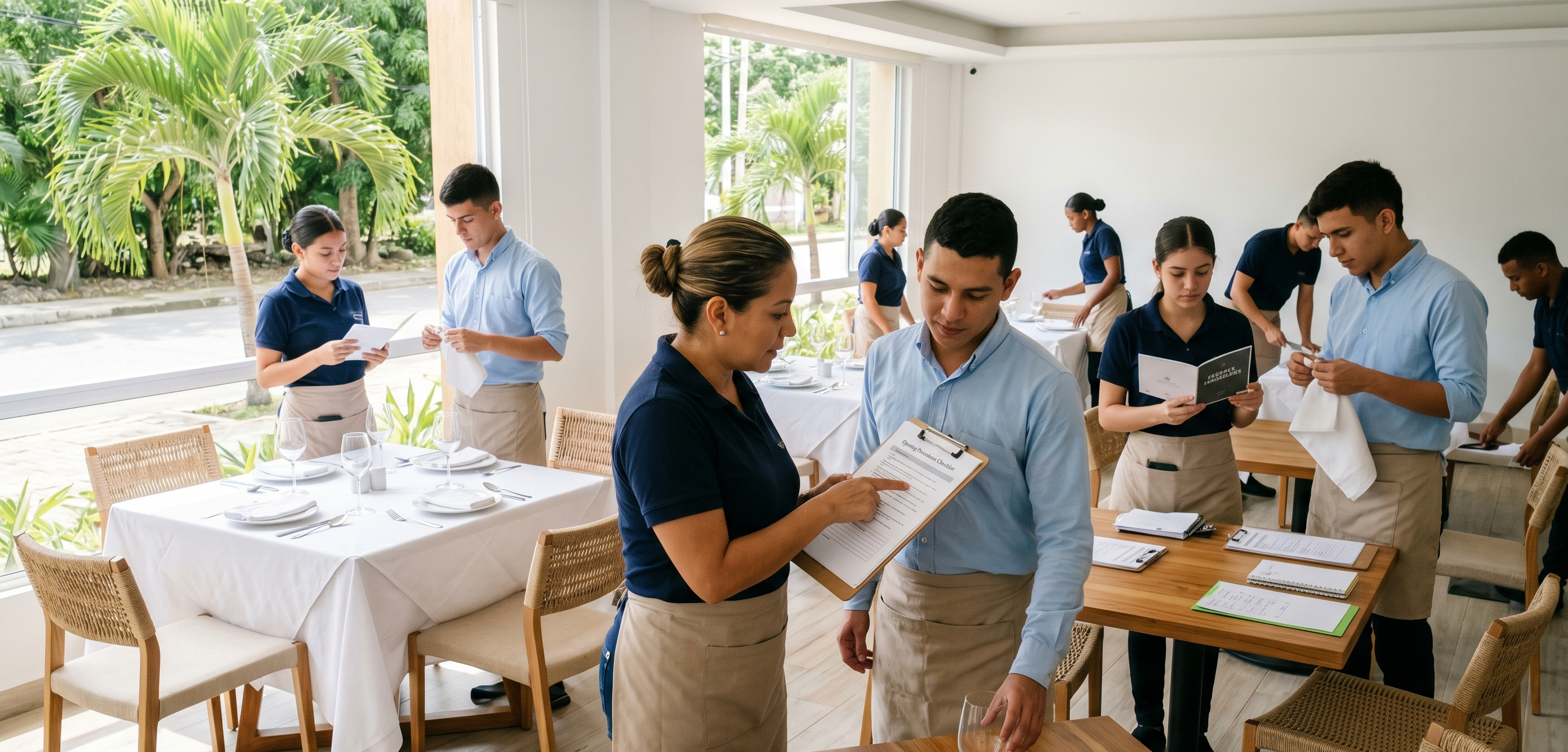
The most useful shift for new owners is this: stop thinking of opening as the moment the space becomes beautiful. Start thinking of it as the moment the operating system becomes viable.
That means licensing, plan review, inspection, tax structure, payroll setup, staffing, food safety, and insurance all belong in the same conversation. Florida’s official food-service guidance supports that view because the opening process itself already requires coordination between plans, applications, inspections, and compliance.
This is where open a restaurant in Florida becomes a broader business question. The launch succeeds not only when guests like the menu, but when the business can legally open, safely serve, manage staff, handle tax and payroll obligations, and survive early disruption.
That is also why key questions for reviewing your restaurant insurance plan can be a useful internal reference even before opening. The better the questions at the beginning, the fewer blind spots the owner carries into the first year.
A Practical Conclusion on How to Open a Restaurant in Florida
To open a restaurant in Florida, you need more than a concept, a lease, and a strong opening week. You need the right licensing path, plan review where required, a passed inspection, tax and EIN setup, staffing structure, food-safety readiness, and a realistic insurance review. Florida’s Division of Hotels and Restaurants lays out the formal steps clearly: DBPR account, plan review if required, application and fee, then inspection. Federal tax and employer guidance adds the payroll and EIN side. Together, those steps define the real opening path.
The sharper lesson is that opening a restaurant is not only about getting permission to operate. It is about building something stable enough to keep operating once the doors are open. That is where restaurant-specific insurance guidance can help. CIS is worth mentioning here because it approaches the restaurant not as a generic small business, but as a business with layered operating risk from day one.
For many owners, that is the difference between opening a restaurant and opening one with a better chance of holding together under real conditions.

 USA.CIS