
Running a restaurant in Florida requires far more than excellent food and great service. Restaurant owners must navigate staffing, regulations, health inspections, vendor relationships, equipment repairs, and unpredictable operating conditions. Insurance is often another complex element that feels essential, yet confusing and expensive. Many restaurant owners see premiums rise, adjust deductibles, or receive nonrenewal notices without fully understanding what changed.
The year ahead is expected to reshape insurance conversations in meaningful ways. Analysts following insurance trends 2026 are seeing shifts influenced by climate events, inflation, technology, and evolving risk data. These shifts directly affect how restaurants protect property, staff, and revenue. Understanding what is changing helps restaurant owners make smarter coverage decisions instead of reacting under stress when something goes wrong.
This guide explores which forces could shape restaurant insurance in Florida, how restaurant owners may be affected, and what policyholders can realistically do to prepare.
Why Following Insurance Trends Matters for Restaurant Owners
Insurance is more than a legal requirement. For restaurants, it functions as a financial safety system that helps stabilize operations when the unexpected occurs. The conversation around insurance trends 2026 is not simply about rising premiums. It is about changing risk, evolving tools, and updated expectations that influence whether coverage keeps up with real-world exposure.
Restaurants face highly specific risks, including:
- Kitchen fires
• Slips, trips, and falls
• Foodborne illnesses
• Storm damage and flooding
• Equipment breakdown
• Workplace injuries
• Interruptions that halt service
If coverage is outdated or does not reflect current values, restaurant owners may discover gaps only when filing a claim. This creates emotional stress, financial hardship, and operational disruption. By understanding insurance trends 2026 and paying attention to evolving risk models, restaurant owners place themselves in a stronger and more proactive position.

Insurance Trends 2026 and the Florida Restaurant Marketplace
Florida remains one of the most watched insurance markets in the country. More severe storms, higher rebuilding costs, and regional underwriting changes affect how insurance companies evaluate risk. These realities influence restaurant insurance pricing, eligibility, and coverage details.
Restaurants are often balancing:
- Budget constraints
• Landlord insurance requirements
• Employee safety regulations
• Health department expectations
• Customer experience and safety
Insurance helps keep those elements connected. When structured correctly, it supports long-term business stability rather than becoming a financial burden. When misunderstood, however, insurance becomes another source of confusion and frustration.
Insurance trends 2026 point toward more emphasis on accuracy, documentation, data-driven underwriting, and risk prevention strategies across many restaurant categories.
Weather and Evolving Risk Modeling
Florida restaurants understand weather risk more than most businesses. The traditional approach to evaluating storm risk relied heavily on historical data. That model is now changing.
Florida’s geographic location, long Atlantic and Gulf coastlines, and frequent severe storm activity mean that weather-related insurance claims in the state occur with greater frequency and severity than in many other states.
In recent years, Florida has experienced extraordinary volumes of claims tied directly to hurricanes and other severe weather events. For example, multiple tropical storms in a single season generated hundreds of thousands of insurance claims in Florida, with officials reporting more than 269,000 claims related to Hurricane Milton and approximately 130,000 from Hurricane Helene in one recent period alone. Combined insured losses from these storms exceeded $4.5 billion statewide, illustrating the sheer scale of weather-driven financial impact.

Florida VS other States
Comparative data also show that Florida dominates many categories of weather-related insurance activity. In a recent analysis of homeowner flooding claims under the National Flood Insurance Program (NFIP), Florida had 1.7 million active flood insurance policies, far more than any other state, and received approximately $629 million in NFIP payouts for flood losses in a single recent year. By contrast, total NFIP payouts nationally for the same period amounted to around $913 million, with Florida alone receiving a large majority.
When it comes to severe storm impacts beyond hurricanes, Florida often ranks near the top of the country. In analyses of severe weather losses across the United States, Florida consistently exhibits high expected annual losses due to climate disasters, ranking among the top states for financial exposure per person. In one recent study, Florida’s expected annual loss per resident from severe weather was estimated to be over $400, among the highest figures nationwide.
According to FOX Weather, Florida also frequently leads the nation in specific types of weather claims. In reporting on lightning-related homeowners insurance losses, Florida topped the list with over 4,700 lightning claims in a recent year, more than any other state. While these figures relate to residential policies, they indicate the broader extent to which severe weather contributes to high claim volumes relative to other states.
Taken together, these data points illustrate why weather risk is such a persistent driver of insurance costs in Florida. Multiple high-loss storms in a single year, exceptionally high flood claim payouts, and frequent severe weather events contribute to claim volumes and premium pressures that often exceed what is seen in many other states. This makes it all the more important for Florida restaurant owners to understand how evolving weather patterns factor into insurance trends 2026, and how adequate coverage and mitigation efforts can support business continuity.
How Risk Modeling Works Today
Insurers are increasingly using sophisticated software that evaluates layered risk factors such as:
- Property elevation
• Roof type and age
• Distance from storm surge zones
• Drainage and flood controls
• Proximity to large bodies of water
• Neighborhood claim history
• Building materials and structural reinforcements
This type of modeling helps predict potential losses more accurately, but it also affects insurance pricing.
Two restaurants located only a short distance apart may receive very different quotes if one building is older, has less storm reinforcement, or sits at a lower elevation. Restaurant owners sometimes feel surprised by these outcomes, but they reflect deeper risk calculations rather than arbitrary pricing decisions.
Why Weather Matters More in 2026
Frequent storms lead to more claims. More claims create higher costs throughout the insurance system. That leads to increased premiums and stricter underwriting.
Restaurants experience weather-related damage through:
- Flooding
• Mold and moisture intrusion
• Roof failures
• Power outages that spoil inventory
• Wind damage to signage, windows, and structural components

Restaurant owners who understand how weather risk influences their policies can better position themselves to mitigate exposure, reduce losses, and strengthen their coverage options.
Mitigation as a Key Strategy
Mitigation refers to improvements that reduce the likelihood or severity of damage. More insurers are encouraging or rewarding mitigation strategies such as:
- Roof upgrades
• Improved drainage systems
• Surge protectors
• Backup generators
• Storm shutters
• Flood barriers
• Preventive maintenance programs
Restaurants that invest in these improvements may find they have more negotiating leverage or improved eligibility across certain coverage lines.
Inflation, Construction Costs, and Premium Pressure
Inflation does not only affect groceries and payroll. It has a direct connection to insurance costs. When the cost to replace or rebuild rises, the amount of coverage required also rises.
Replacement Cost Versus Market Value
One common misunderstanding is the difference between market value and replacement cost. Market value relates to what a building might sell for. Replacement cost reflects what it would cost to rebuild that property today using current labor and materials.
Construction prices have increased significantly over recent years. Lumber, concrete, metal furnishings, refrigeration systems, and electrical components cost more than they once did. Restaurant spaces also require specialized ventilation, grease traps, commercial hoods, and food-safe surfaces, all of which elevate replacement expenses.
If replacement costs increase, yet insurance limits remain outdated, policyholders could experience underinsurance problems. That means coverage may not fully pay for repairs after a major loss.
Equipment Replacement is More Expensive Than Ever
Restaurants rely on high-value equipment:
- Walk-in freezers
• Refrigeration systems
• Cooktops and grills
• Fire suppression setups
• Ovens and fryers
• POS software and hardware
When equipment fails due to fire, water damage, power surge, or mechanical issues, repair and replacement fees can quickly escalate. Understanding the real value of this equipment helps ensure commercial property protection remains relevant and adequate.

Business Interruption Concerns
If a restaurant shuts down temporarily, expenses do not stop. Rent, utilities, loan payments, and certain employee costs continue. Business interruption insurance helps replace lost revenue during covered closures.
As construction timelines increase and supply delays continue, downtime may last longer than expected. Reviewing these policy limits carefully is becoming more important in connection with insurance trends 2026.
The U.S. Bureau of Labor Statistics tracks detailed cost indexes and inflation insights that influence rebuilding costs: https://www.bls.gov
Technology in Claims and Risk Evaluation
Technology is reshaping how insurers review losses, price risk, and communicate with policyholders. For restaurant owners, this shift can feel like both an advantage and a learning curve. Tools that did not exist ten years ago are now common during inspections, underwriting, and claims.
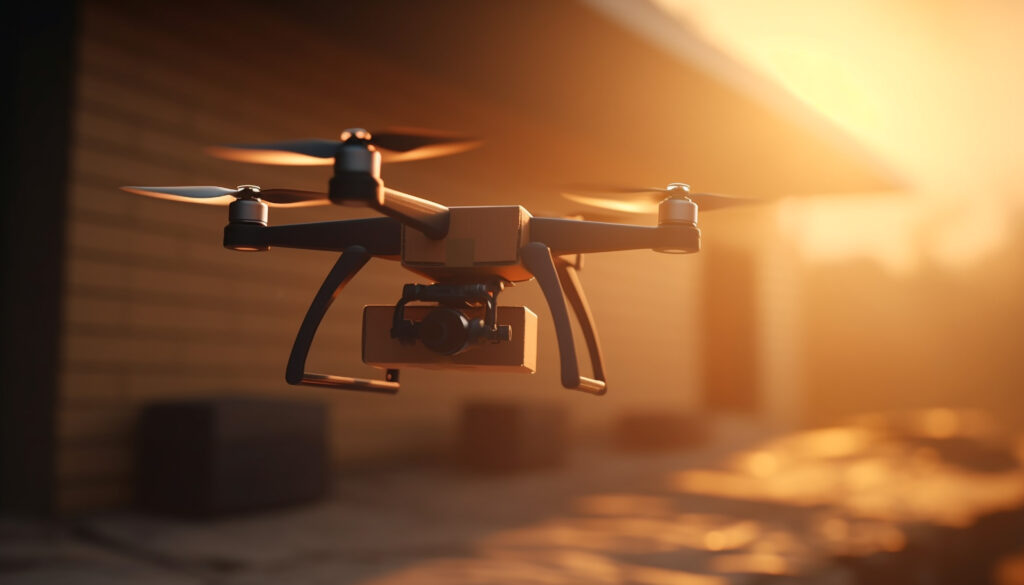
Whether it is artificial intelligence reviewing documentation, drones flying over damaged roofs, or smart devices monitoring kitchens, technology is increasingly part of the insurance conversation.
Understanding how these tools work, and what they do not do, helps restaurant owners stay prepared and confident when a claim occurs.
Artificial Intelligence in Claims Handling
Artificial intelligence (AI) is becoming one of the most discussed tools in modern insurance.
Insurers are using AI to:
- Scan and categorize claim documents
- Compare receipts, estimates, and reports
- Detect potential fraud or inconsistencies
- Help determine whether repair costs are reasonable
- Speed up approvals in simple, straightforward cases
For restaurant owners, the benefit is often faster responses, especially for smaller claims such as food spoilage, minor water leaks, or equipment breakdowns.
However, AI introduces some practical realities:
- You may receive more automated emails or digital requests.
- Claims adjusters may ask for more photographs or videos than before.
- Some decisions may feel computer generated before a human reviews them.
It is important to remember that AI does not replace human adjusters. It supports them. Most insurers still require human oversight for complex or disputed claims, particularly those involving structural damage, business interruption, or liability.
Best practice for restaurant owners:
Keep digital records organized: invoices, maintenance logs, photos of equipment, and before and after images when incidents occur. Clear documentation helps both AI tools and human adjusters reach accurate decisions faster.
Drone Inspections and Safer Assessments
After hurricanes, floods, fires, or severe storms, it is not always safe or even possible for an adjuster to access the property.
Drones now allow insurers to:
- Capture high resolution aerial photos of roofs and structures
- Assess storm and wind damage without climbing ladders
- Identify cracks, missing shingles, and structural shifts
- Map impacted areas more accurately
This technology benefits everyone involved:
- Safer evaluations for inspectors
- Faster assessments after large disasters
- Better documentation through clearer photographs and measurements
- Quicker claim decisions when combined with adjuster review
For restaurants, drone inspections are especially useful when rooftop HVAC units, vents, and exhaust systems may have been affected. Instead of multiple site visits, insurers often gather needed imagery in one pass.
Restaurant owners should still walk the property when it is safe and report anything drones may miss inside, such as water intrusion, equipment failure, or interior mold.
Smart Sensors, IoT Devices, and Risk Prevention
Beyond claims, technology is shifting focus toward preventing losses before they happen.
More insurers are encouraging, and sometimes offering discounts for, devices such as:
- Water leak sensors under sinks, ice machines, and dishwashers
- Temperature monitoring systems for refrigerators and freezers
- Fire detection and suppression upgrades for commercial kitchens
- Security cameras and smart alarms to reduce theft and vandalism
When these systems alert early, restaurants can respond before damage spreads, reducing downtime and potential claim size.
Some insurers now integrate sensor data into underwriting and renewals, which means businesses that actively manage risk may be viewed more favorably.
Digital Policy Portals and Claims Tracking
Many insurers now provide online dashboards where restaurant owners can:
- Upload documentation and receipts
- Track claim progress step by step
- Review policy details
- Request certificates of insurance
- Communicate directly with adjusters
This transparency can reduce frustration and uncertainty. However, it also means owners should be comfortable navigating online portals and storing electronic documents securely.
What Restaurant Owners Should Keep in Mind
Technology may reshape processes, but the fundamentals remain the same:
- Coverage matters more than tools.
- Documentation is still key.
- Human adjusters still make the final calls on complex matters.
- Clear communication remains essential.
Restaurant owners who embrace digital tools, while staying proactive about maintenance, records, and communication, may find claims smoother and faster than in years past.
Telematics and Delivery Operations
Restaurants that operate delivery vehicles may encounter telematics programs that monitor driving behavior. Safer performance could potentially influence rates over time. However, restaurant owners should always understand how data is collected, stored, and used before agreeing to such programs.

Core Coverages Every Restaurant Should Review Carefully
Insurance for restaurants is rarely one policy. It is typically a combination of several coverage types working together to safeguard operations.
Liability Coverage
Liability insurance addresses claims related to injuries, property damage, or illness tied to restaurant operations. This can involve slip-and-fall accidents, alleged food poisoning, or customer disputes.
Adequate liability coverage is essential in a public-facing industry.
Workers Compensation
Restaurant employees face common injury risks including burns, cuts, lifting strain, or repetitive motion injuries. Workers compensation provides benefits for medical care and wage replacement during recovery.
Lack of appropriate coverage can result in serious penalties and legal exposure.
Commercial Property Insurance
Commercial property insurance addresses building and contents damage from covered events. For restaurants, this protection supports structures, furnishings, technology, and essential food production equipment.
Understanding exclusions is critical, especially in regions exposed to wind, flood, or hurricane risks.
Business Interruption Insurance
Business interruption focuses on lost revenue when operations pause due to covered property damage. Restaurants depend heavily on daily income, making this form of protection particularly valuable.
Restaurant owners benefit from reviewing how their specific policy defines income, expenses, and allowable downtime.
Practical Actions Policyholders Can Take Ahead of 2026
Awareness leads to preparation. There are meaningful steps restaurant owners can take without becoming insurance experts.
Schedule Policy Reviews
Annual policy reviews ensure coverage reflects current property values, updated equipment, and evolving operational realities. Policyholders can identify outdated limits, review exclusions, and confirm endorsements.
Maintain Organized Documentation
Strong documentation supports faster claims. Restaurant owners may benefit from keeping:
- Photo inventories
• Purchase receipts
• Service records
• Serial numbers
• Vendor contracts
Well-documented claims often experience fewer delays.
Implement Safety Programs

Fire drills, staff safety training, kitchen protocols, and equipment maintenance routines build safer workplaces and help reduce overall risk.
Engage in Proactive Conversations Before Renewal
Asking questions early creates better outcomes. Topics worth exploring may include:
- Deductible options
• Coverage recommendations
• Discounts tied to safety upgrades
• Updated business interruption calculations
Staying engaged allows restaurant operators to stay ahead of insurance trends 2026 instead of reacting after renewal notices arrive.
Trust, Authority, and Objective Education in Insurance
Restaurant owners consistently report that insurance conversations feel intimidating. Many policies contain complex terms, exclusions, and endorsements that are difficult to interpret. Objective, educational content helps fill that gap by explaining why premiums change, how coverage works, and what realistic protections look like.
Trust is built when information is transparent, thorough, and grounded in real risk scenarios instead of sales-driven messaging. Articles like this support restaurant owners who want to feel informed, prepared, and confident facing upcoming insurance trends 2026.
Restaurant Insurance and Risk Scenarios
It is easier to understand the value of coverage when imagining real scenarios, such as:
- A refrigeration failure that destroys thousands of dollars in perishable goods
• A kitchen fire that spreads beyond the cooking line
• A severe storm that damages roofs and electrical systems
• A guest slipping on a wet entry floor during heavy rainfall
• An employee suffering a burn requiring hospital treatment
Without adequate coverage, these moments can become financially devastating. With structured planning, strong policies, and realistic risk awareness, restaurants stand a far greater chance of recovering.
Restaurant owners deserve clarity and choice
Those who would like guided insight may choose to engage in conversations about coverage options. This may include:
- Requesting a comprehensive risk assessment
• Asking for a detailed policy review
• Exploring restaurant-specific insurance plans
• Comparing quotes before renewal deadlines
Policyholders who prefer expert insights tailored to their restaurant operations may choose to contact CIS for consultation, request guidance on risk exposures, or explore custom solutions designed for Florida businesses.
Looking Ahead to Insurance Trends 2026 With Confidence
Insurance will continue evolving as risk data, weather events, and technology reshape how coverage works. The strongest strategy for restaurant owners in Florida involves staying informed, updating protection regularly, asking thoughtful questions, and making decisions based on long-term risk rather than short-term premium savings.
By understanding insurance trends 2026, restaurant owners place themselves in a position of knowledge and control. Awareness leads to stronger planning. Stronger planning leads to more resilient businesses that can operate through uncertainties with greater stability.
Restaurant operators ready to explore tailored guidance, risk assessments, or restaurant insurance planning can take the next step when ready and seek expert insight that aligns with their goals, risk tolerance, and business realities.
Discover the top insurance trends 2026 for restaurants in Florida, including costs, coverage shifts, weather risks, and smart ways to protect your business.
 USA.CIS