Why Recognizing the Warning Signs Early Makes All the Difference
A septic system that’s working properly is one of the most invisible pieces of infrastructure on a property. It does its job quietly, out of sight, without demanding much attention from the homeowner. That invisibility is part of what makes it so easy to neglect, and why so many property owners across Dutchess County and the Hudson Valley end up facing costly repairs that could have been avoided with earlier intervention.
The challenge is that septic systems don’t fail overnight. The problems that lead to a sewage backup, a saturated drain field, or a structural tank failure typically develop over months or years, beginning as subtle warning signs that are easy to dismiss or attribute to something else. By the time the symptoms become impossible to ignore, the underlying condition has often progressed well beyond what a simple pump-out can address.
Understanding the five most reliable warning signs that a septic tank needs immediate attention is one of the most practically useful things a property owner can know. These signals appear consistently across the region, in rural homes in Millbrook and Amenia, in suburban properties in Hyde Park and Wappingers Falls, in commercial buildings throughout Poughkeepsie, and recognizing them early is what separates a manageable service call from a major repair event.
This guide examines each warning sign in depth: what it means, why it happens, what it indicates about the condition of the system, and what professional response is appropriate.
Understanding What Happens Inside an Overdue Septic Tank
The Biology of a Tank That’s Past Due
Before examining the warning signs, it helps to understand what’s actually happening inside a septic tank that hasn’t been pumped on schedule.
A functioning septic tank maintains a three-layer equilibrium. Solid waste settles to the bottom as sludge, a layer that grows slowly but continuously as bacteria digest organic material and inorganic particles accumulate. Fats, oils, and grease float to the top as scum. Between these layers, a zone of relatively clarified liquid called effluent flows toward the outlet pipe and into the drain field.
This equilibrium is self-regulating within limits. The beneficial bacteria that populate the tank digest solids and keep the system biologically active. But those bacteria can only process so much. And critically, inorganic materials, grit, sand, non-biodegradable particles, don’t get digested at all. They accumulate in the sludge layer regardless of how healthy the bacterial population is.
As the sludge layer grows, it encroaches on the space available for the effluent zone. The tank’s effective processing capacity shrinks. When the sludge level approaches the outlet pipe, the opening through which effluent exits toward the drain field, solids begin flowing out with the liquid. Once solids reach the drain field, they clog the soil’s pores and initiate a progressive failure that is difficult and expensive to reverse.
The warning signs described below are the system’s way of communicating that this process is underway, that the tank is operating beyond its capacity and professional intervention is needed.
Sign #1: Slow Drains Throughout the Home
What It Looks Like
The most commonly reported early warning sign of an overdue septic tank is sluggish drainage, drains that take noticeably longer to clear than usual. This symptom is familiar to most homeowners, but it’s frequently misattributed to a localized pipe blockage rather than a system-wide issue.
The key distinction is scope. A single slow drain, a bathroom sink that drains slowly while everything else in the house functions normally, usually indicates a localized blockage in the pipe serving that fixture. This is a standard pipe snaking and cleaning issue, and it’s addressed with mechanical cleaning of that specific line.
When multiple drains throughout the home are slow simultaneously, the kitchen sink, the laundry drain, the basement floor drain, and the shower all backing up or draining sluggishly at the same time, that pattern points to a problem deeper in the system. It suggests that the septic tank itself, or the connection between the home and the tank, is unable to accept and process wastewater at the rate it’s entering.
Why This Happens
When a septic tank is approaching capacity, with sludge levels high enough to restrict the outlet or reduce the effluent zone, the tank cannot receive and process new wastewater efficiently. As a result, wastewater moves more slowly through the household pipe network, creating the sluggish drainage homeowners notice at the fixture level.
In some cases, a high sludge level causes partial backpressure in the inlet pipe, not enough to produce visible backup, but enough to slow drainage noticeably, particularly in lower-level fixtures.
This symptom also appears when the drain field is saturated and can no longer absorb effluent at the rate it’s arriving. In this scenario, the tank fills faster than it empties, creating the same hydraulic resistance that homeowners experience as slow drains.
What to Do
Slow drains affecting multiple fixtures simultaneously warrant a professional evaluation of the septic system rather than a DIY drain treatment. Chemical drain cleaners should be avoided, they kill the beneficial bacteria inside the tank, compounding the problem. A qualified septic professional can assess whether the issue is a tank that needs immediate pumping, a pipe blockage requiring snaking, or early-stage drain field stress.

Sign #2: Gurgling Sounds from Drains and Toilets
What It Looks Like
Gurgling sounds, a bubbling, rumbling noise that comes from drains, toilets, or pipes, are among the more distinctive and reliably diagnostic warning signs of a septic system under stress. Homeowners often describe hearing the sound after flushing a toilet, running a dishwasher, or draining a bathtub. In some cases, the gurgling appears in a drain on one side of the house when water is running on the other side.
The sound itself is caused by air displacement in the pipe network. When wastewater cannot flow freely through the system, air bubbles are forced back through the pipes and emerge through the nearest drain or toilet trap, producing the characteristic gurgling sound.
Why This Happens in an Overdue Tank
In a properly functioning septic system, wastewater flows from the home through the inlet pipe into the tank, and effluent flows out through the outlet pipe into the drain field. When the tank is full and the sludge layer is high, that smooth directional flow is disrupted. Incoming wastewater has nowhere to go efficiently, and the resulting pressure imbalance in the pipe network produces air displacement, and the gurgling sounds homeowners hear.
Gurgling can also indicate a partial blockage in the inlet pipe between the home and the tank, root intrusion into a pipe junction, or a damaged baffle inside the tank. A baffle, the internal component that directs incoming wastewater downward and prevents the floating scum layer from exiting with the effluent, can deteriorate or break, particularly in older concrete tanks. A broken inlet baffle allows incoming water to disturb the sludge layer directly, pushing air back through the pipes.
What to Do
Persistent gurgling sounds, particularly those that affect multiple fixtures or occur consistently after water use events, should be evaluated by a septic professional. In many cases, an immediate pump-out relieves the pressure and resolves the gurgling. In others, a more detailed inspection is needed to identify baffle damage, pipe blockage, or drain field issues that require Dutchess County Septic Tank Repair.
Sign #3: Sewage Odors Inside or Outside the Home
What It Looks Like
A functioning septic system is odorless, or close to it, under normal conditions. When a tank is operating within its capacity and the drain field is healthy, gases produced by the decomposition process inside the tank are vented safely through the home’s plumbing vent stack (the pipe that exits through the roof) and dispersed at a height and volume that doesn’t create noticeable odors at ground level.
When homeowners begin noticing sewage odors, a sulfurous, rotten-egg smell or a more directly fecal odor, either inside the home or in the yard around the tank and drain field, something has changed. The odor is not simply unpleasant. It’s informative.
Indoor sewage odors often present first in lower-level spaces, basements, ground-floor bathrooms, or laundry rooms, where the pipe connections to the septic system are closest to the living space.
Outdoor odors near the tank access area or over the drain field are equally significant and often indicate different stages of the same underlying problem.
Why Odors Develop
Inside the home, sewage odors typically indicate that sewer gases, primarily hydrogen sulfide and methane, byproducts of anaerobic bacterial digestion, are escaping into the living space through drain traps that have gone dry, through cracked or deteriorated pipe connections, or through backpressure in an overloaded system. A tank that is full and unable to accept wastewater efficiently creates positive pressure in the inlet pipe, which can push gases back into the home.
Outside the home, odors near the tank access usually indicate that the tank is venting gases from its access lid, a sign that the tank is full and the gas pressure inside has built beyond normal levels.
Odors over the drain field are particularly concerning. They typically indicate that effluent is surfacing, that the soil in the drain field is saturated and can no longer absorb incoming liquid, forcing untreated or partially treated effluent to the surface. This is a health hazard as well as a system failure signal. Surfacing effluent contains pathogens and represents a contamination risk for the surrounding soil, groundwater, and any nearby water features.
The EPA’s SepticSmart program identifies sewage odors both inside and outside the home as a primary signal that immediate professional evaluation is needed, and septic professionals across Dutchess County consistently confirm that odor complaints are among the most reliable indicators of a tank that is seriously overdue for service.
What to Do
Sewage odors should not be treated as a nuisance to be managed with air fresheners or drain deodorizers. They are a symptom of a system condition that requires professional evaluation. Depending on the source and nature of the odor, the appropriate response may be an emergency pump-out, pipe inspection and cleaning, baffle repair, or drain field assessment.
Sign #4: Standing Water or Unusually Lush Grass Over the Drain Field
What It Looks Like
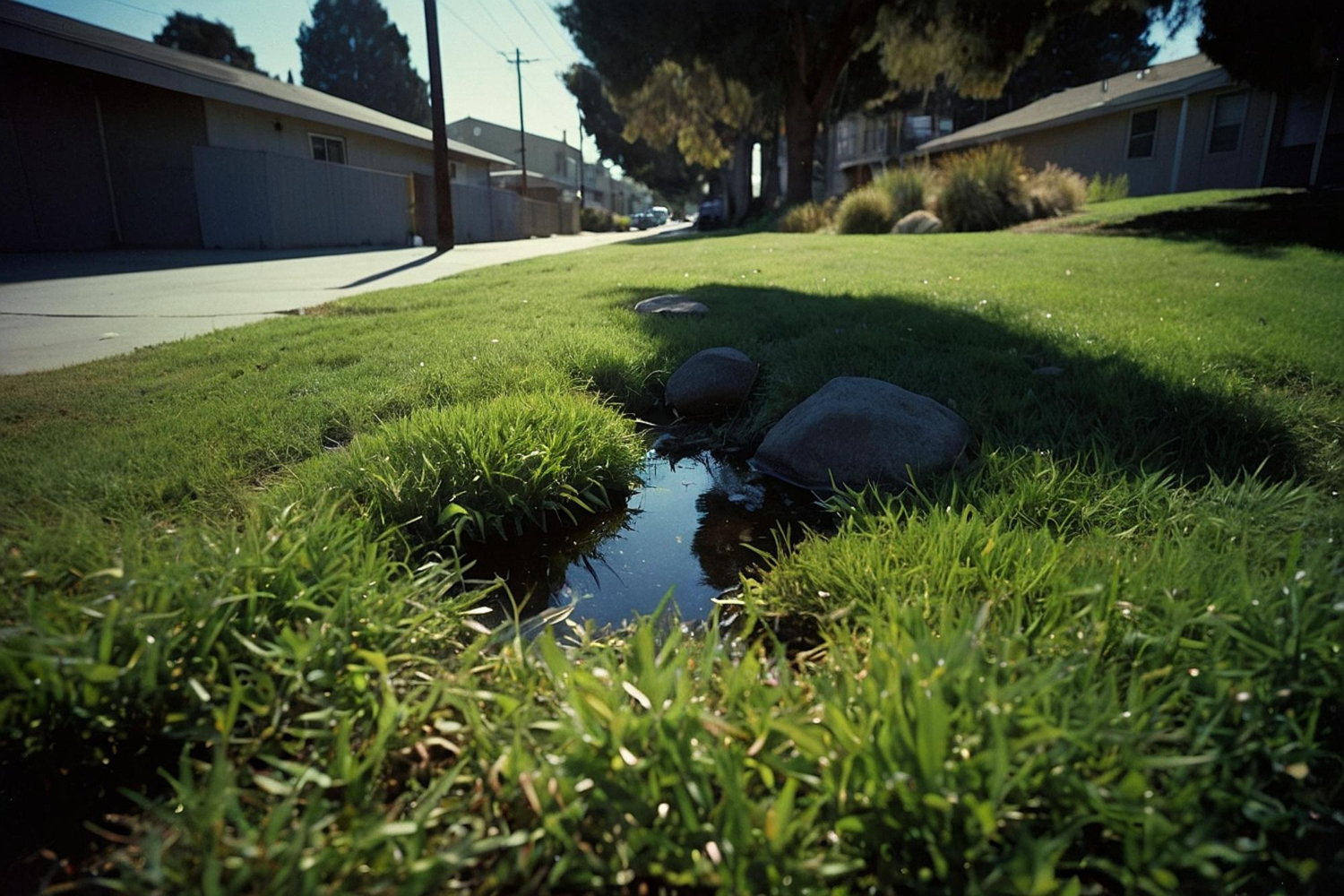
One of the most visually recognizable warning signs of a septic system in distress is a change in the appearance of the ground above the drain field, the area of the yard where the perforated pipes distribute effluent into the soil.
Two specific visual patterns warrant immediate attention:
Standing water or soggy ground: When the ground above the drain field is consistently wet, spongy, or has visible puddles even during dry weather, it indicates that the soil has become saturated and is no longer absorbing effluent at the rate it’s arriving. The water visible on the surface is effluent that has nowhere else to go, a condition called hydraulic overloading of the drain field.
Unusually lush, dark green grass: Grass that grows noticeably thicker, greener, and faster over the drain field compared to the surrounding lawn, particularly during dry periods when the rest of the yard is showing drought stress, is receiving a nutrient-rich fertilization effect from effluent surfacing just below or at the soil surface. It looks like a lawn care success story. It’s actually a drain field failure signal.
Why This Happens
Both of these visual patterns share a common cause: more effluent is arriving at the drain field than the soil can absorb and filter. This condition can develop because the septic tank is so full that solids are flowing out with the effluent and clogging the soil pores in the drain field trenches. It can also result from years of hydraulic overloading, too much water entering the system too consistently, that has gradually exhausted the soil’s absorption capacity.
The layer of organic material that forms when solids clog drain field soil is called a biomat. A biomat is essentially a mat of bacterial growth and organic debris that coats the soil pores and prevents liquid from percolating through. In early stages, a biomat can sometimes be addressed through system resting (allowing the drain field to dry out and partially recover) combined with more frequent pumping. In advanced stages, physical repair or replacement of the drain field becomes necessary.
The New York State Department of Health guidelines on residential wastewater treatment address the public health implications of surfacing effluent, including groundwater contamination risks and setback requirements from wells and water bodies that are particularly relevant for rural properties in Dutchess County.
What to Do
Standing water or lush grass over the drain field requires professional assessment. A septic inspection can determine whether the problem originates in the tank (an overdue pump-out that has allowed solids to flow into the drain field) or in the drain field itself (soil saturation or biomat formation that requires physical intervention).
Dutchess County NY Septic Tank Inspection provides the comprehensive evaluation needed to distinguish between a tank problem that’s stressing the drain field and a drain field problem that has progressed beyond what tank service alone can address. Catching this distinction early is what makes the difference between a manageable repair and a full drain field replacement.
Sign #5: Sewage Backup Into the Home
What It Looks Like
The most urgent and unmistakable warning sign that a septic tank needs immediate attention is sewage backing up into the home. This typically presents as wastewater, ranging from gray water to raw sewage, coming up through floor drains, toilet bowls, or shower drains, particularly on the lowest level of the home.
Sewage backup is not a warning sign in the sense that it gives property owners time to schedule a service call. It is an emergency. It represents a complete failure of the system’s ability to move wastewater away from the home, and it creates immediate health hazards from pathogen exposure, structural damage risks from water intrusion, and, in many cases, a living environment that is unsafe to occupy until the situation is resolved.
Why Backup Occurs
Sewage backup happens when the septic tank is so full, or so obstructed, that incoming wastewater has literally nowhere to go. The path of least resistance becomes backward, back through the inlet pipe and into the home’s lowest drain points.
The specific triggers for backup include:
- A tank that has reached or exceeded its capacity due to missed pump-outs, with sludge levels blocking the outlet
- A complete blockage in the pipe between the home and the tank, caused by root intrusion, a collapsed pipe section, or accumulated solids
- A frozen inlet pipe, a relevant consideration for Dutchess County properties during winter months, when ground frost can affect shallow pipe sections
- A failed drain field that has caused the tank to back-fill, leaving no outlet for incoming wastewater
Each of these triggers has a different primary fix, which is why professional diagnosis matters even in an emergency. Pumping the tank when the actual problem is a pipe blockage between the house and the tank may provide temporary relief without addressing the underlying cause.
What to Do Immediately
When sewage backup occurs, the immediate priority is stopping the flow of additional wastewater into the system, ceasing all water use in the home until the cause is identified and addressed. The next step is contacting a qualified septic professional for emergency service.
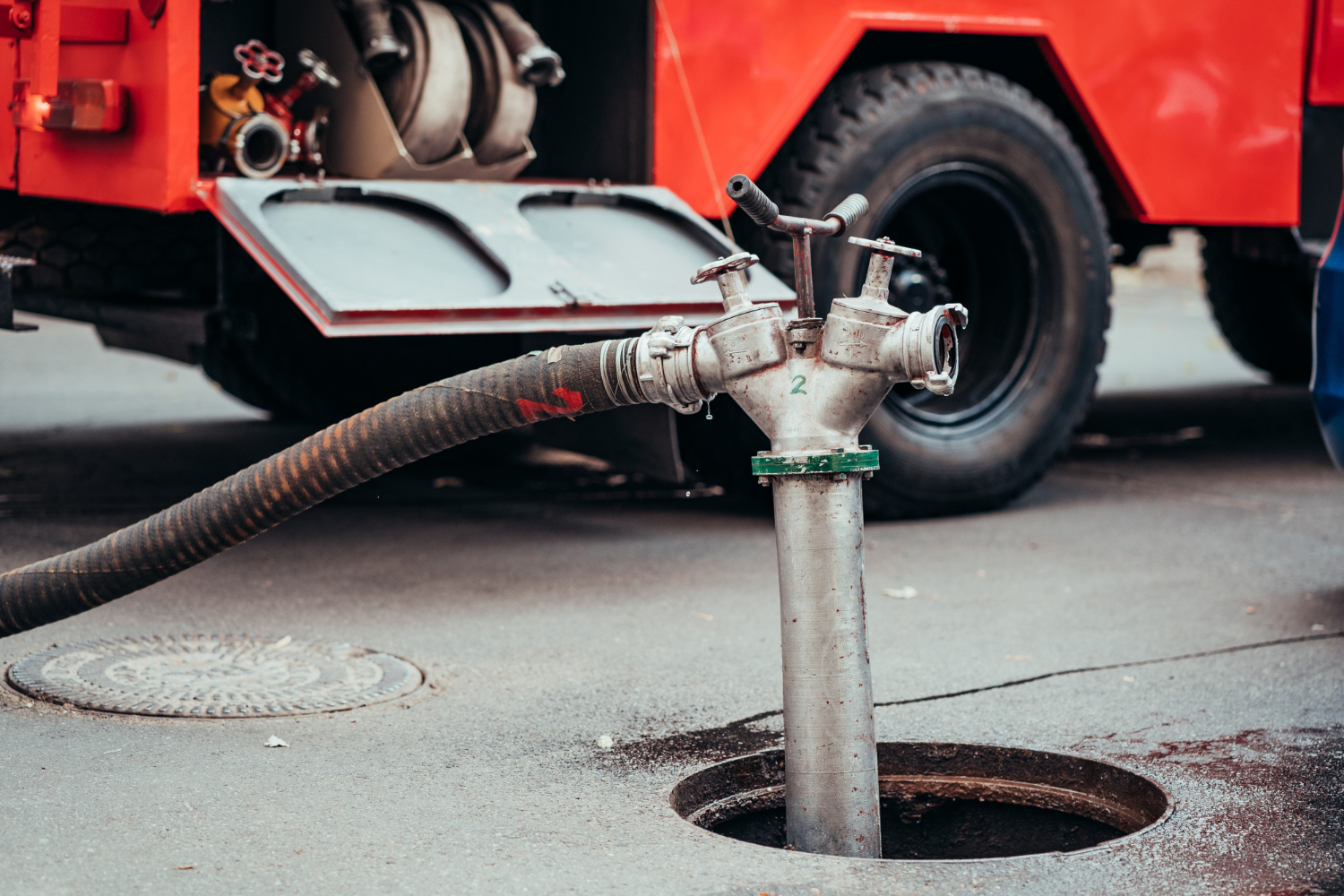
Dutchess County NY Septic Tank Pumping is typically the first emergency response, relieving the tank and allowing for an assessment of whether the backup was caused by tank capacity or a blockage. If a blockage is identified, pipe snaking and cleaning provides the mechanical clearance needed to restore flow. If the drain field has been compromised, drain field repairs and installations may be the necessary longer-term resolution.
The CDC’s resources on onsite wastewater treatment provide important context on the health risks associated with sewage exposure, including guidance on cleanup and safety protocols relevant to households that have experienced a backup event.
What Happens After the Pump-Out: Assessing and Restoring System Health
Beyond the Emergency: Understanding the Full Picture
A pump-out that addresses an emergency is a starting point, not a resolution. When a tank has reached the point of producing visible warning signs, particularly odors, standing water, or backup, the system has been under stress for long enough that additional evaluation is warranted to understand whether any damage has occurred to the tank, the pipes, or the drain field.
A professional inspection following an emergency pump-out can identify cracked or deteriorated baffles, root intrusion in the pipe network, early-stage drain field saturation, and any structural issues in the tank that may have developed during the period of overloading. Addressing these findings proactively prevents a recurrence and gives the property owner a clear picture of the system’s current condition.
Dutchess County NY Septic Tank Cleaning as a follow-up to emergency pumping removes residual buildup from the tank walls and around the baffles that a standard pump-out doesn’t fully address. It’s particularly valuable when a tank has gone significantly past its service interval, leaving deposits that can interfere with normal biological function even after the bulk of the sludge has been removed.
Preventing the Next Emergency: Establishing a Realistic Service Schedule
Why Generic Schedules Don’t Fit Every Property
The widely cited recommendation to pump a septic tank every three to five years is a reasonable starting point for an average household, but it’s a guideline, not a universal prescription. Properties that have recently shown warning signs were operating on a schedule that wasn’t appropriate for their actual usage level. Returning to that same schedule after addressing the emergency is likely to produce the same outcome.
A more useful approach is to schedule the next pump-out at an interval based on the sludge accumulation rate observed during the current service, not based on a calendar. A septic professional who measures sludge depth at the time of pumping can give a realistic estimate of when the tank will next reach service levels given the household’s actual usage patterns.
For larger households, properties with garbage disposals, homes that have added bedrooms or occupants since the system was installed, and commercial properties with high wastewater volumes, shorter service intervals are often appropriate.
Dutchess County NY Septic Tank Installation is the right conversation to have when repeated service events reveal that a property’s system is fundamentally undersized for its current use, when the tank capacity, drain field dimensions, or system design no longer match the actual household load. A properly sized installation, built to current New York State standards, provides the capacity foundation that makes routine maintenance effective.
A Note on Seasonal Considerations in Dutchess County
Property owners in Dutchess County face specific seasonal factors that can affect septic system performance and the timing of warning signs.
Winter: Ground frost can affect shallow pipe sections, particularly inlet pipes that run close to the surface. Frozen pipes can cause backup symptoms that mimic tank overload. Extended periods of cold weather can also slow bacterial activity inside the tank, reducing digestion efficiency and accelerating sludge accumulation. Properties that have experienced repeated freeze events may have pipe damage worth inspecting.
Spring: Snowmelt and spring rains saturate the ground, reducing the drain field’s absorption capacity temporarily. Systems that were marginal going into winter often show their first visible warning signs, surfacing water, slow drains, odors, during the spring thaw period, when ground saturation is at its annual peak.
Fall: The period before winter sets in is an ideal time for routine pump-outs and inspections in the region. Addressing service needs in fall reduces the risk of winter-related complications and ensures the system enters the cold months with adequate capacity.
The Bottom Line on Warning Signs
Every one of the five warning signs examined in this article, slow drains, gurgling sounds, sewage odors, standing water or lush grass over the drain field, and sewage backup, communicates the same fundamental message: the septic system needs professional attention, and the sooner that attention arrives, the less expensive and less disruptive the outcome is likely to be.
Septic systems reward attentive ownership. Properties across Dutchess County, from the estates of Rhinebeck and Millbrook to the residential neighborhoods of Beacon and Fishkill, that have the lowest rates of emergency service calls and costly repair events are those whose owners treat routine maintenance as a non-negotiable part of property management.
Recognizing warning signs early, responding promptly, and maintaining a realistic service schedule calibrated to actual usage are the three practices that consistently make the difference between a septic system that serves a property reliably for decades and one that becomes a recurring source of disruption and expense.
 Dubb
Dubb