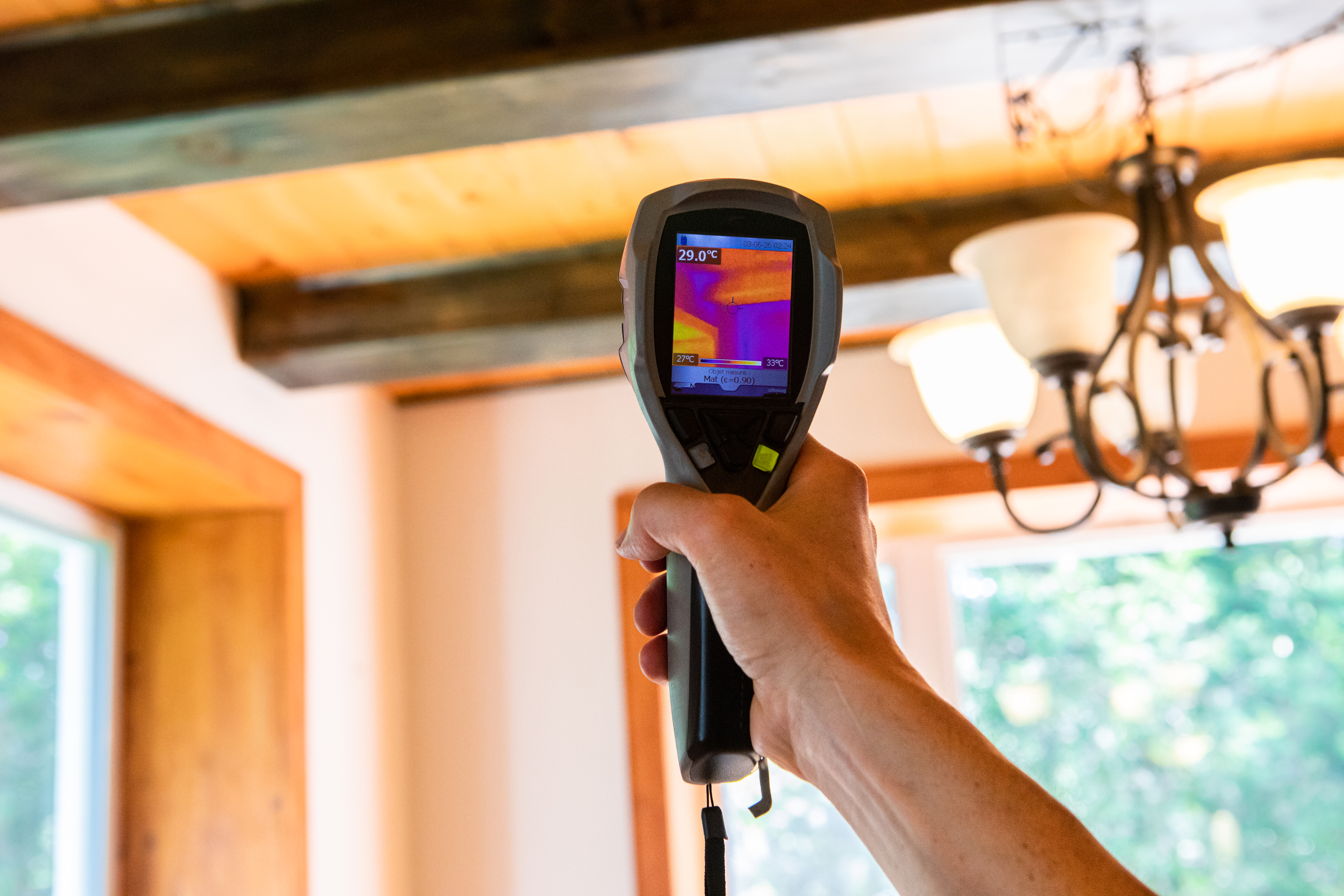

In the residential design and building market of the Northeast, homeowners increasingly seek more than just a house: they demand homes that perform, integrate seamlessly with site and context, and deliver both lasting value and place‑sensitive design. This shift reflects a growing awareness of the importance of sustainability, energy efficiency, and thoughtful architectural integration, not just as luxuries, but as essentials for long-term livability and environmental responsibility.
Within this dynamic landscape, the architecture firm Wright Architects, PLLC, a respected design firm in New York’s Hudson Valley, continues to lead conversations around sustainability, regional identity, and energy‑efficient home design. With decades of experience designing homes that are both beautiful and functional, the firm has earned a reputation for delivering innovative, forward-thinking solutions that resonate with the specific needs of Northeastern homeowners.
As demand for custom residential solutions grows, driven by evolving climate conditions, aesthetic expectations, and the desire for more personalized living environments, Wright Architects is helping set new benchmarks for what high‑performance, site‑sensitive design can achieve in the Northeast. The firm’s projects consistently illustrate how design that responds thoughtfully to topography, natural light, and local materials can result in residences that are not only environmentally responsible, but also uniquely expressive of place and personality.
This article examines why an integrated design‑and‑construction strategy offers distinct advantages for homeowners in 2025. By uniting architectural vision with builder collaboration from the earliest stages, this approach ensures a streamlined process, better budget control, and a final product that aligns more closely with the client’s goals. It explores how Wright Architects implements such strategies through collaborative partnerships, digital modeling, and performance-based design metrics that help future-proof each project.
Furthermore, this model offers clear benefits not just for homeowners, but also for clients, builders and real‑estate professionals. For clients, it reduces friction and uncertainty throughout the project timeline. For builders, it fosters more accurate cost estimation and constructability insights. For real-estate professionals, it enhances the market value of the finished property by emphasizing sustainability, livability, and long-term value, qualities increasingly sought after in today’s housing market.
In a region where tradition, landscape, and climate all intersect, the demand for homes that respond intelligently to their environment will only continue to rise. Firms like Wright Architects, PLLC are demonstrating how the future of residential design and building in the Northeast lies in strategies that marry regional sensibility with technological innovation, setting a higher standard for custom residential architecture in 2025 and beyond.
The Evolving Landscape of Homeowner Expectations
Why the design‑and‑build integration is more important than ever
- According to the U.S. Department of Energy (DOE), the Building Energy Codes Program supports improved energy codes and performance standards for residential buildings.
- At a time when building materials costs, labour constraints and regulatory complexity are rising, homeowners face greater risk of cost overruns, schedule delays and performance shortfalls.
- In the Hudson Valley and adjacent regions, site factors such as steep terrain, mature vegetation, conservation overlays and seasonal climate swings impose complexity on home‑builds, a context in which integrated design strategies make a substantial difference.
- Homeowners now expect homes to include:
- advanced energy performance and durability
- seamless integration with landscape and context
- flexible interior layouts for work‑from‑home, wellness and multigenerational living
- transparent cost, lifecycle value and long‑term occupancy comfort
Regional demand: The Hudson Valley / Northeast context
- The firm’s specialization in Hudson Valley residential architecture positions it directly in a region that is seeing an influx of homeowners migrating from urban centres to seek space, design quality and a connection to nature.
- Clients in the region increasingly see their homes not just as property investments, but as high‑performance, well‑crafted assets rooted in place and ecology.
- Against this backdrop, homeowners engaged in custom residential design are better served by an integrated architecture‑led build model than by fragmented processes that separate design from construction.
What “Integrated Design and Construction Strategy” Really Means
Defining the model
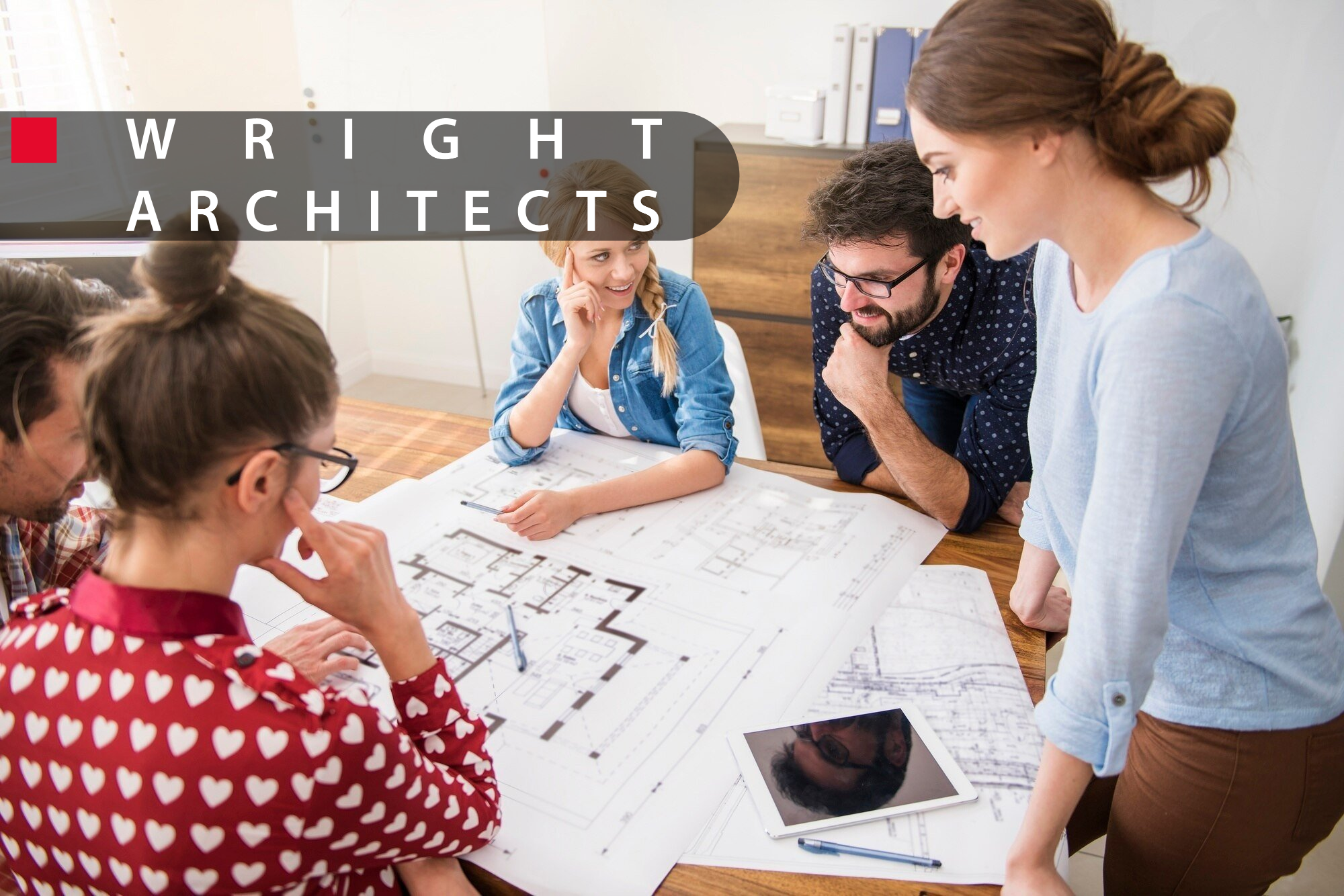
An integrated design‑construction model is more than a project delivery method, it’s a mindset that prioritizes collaboration, foresight, and performance from the very beginning of the homebuilding process. This approach has gained traction in the residential design and building market of the Northeast, where complex environmental conditions and high homeowner expectations demand cohesive, efficient solutions.
At its core, this model involves the early involvement of the architecture firm (pre‑design) to assess key site-specific variables. These include the site’s natural features, broader context, local climate, existing views, buildability, and clearly defined performance targets. Rather than beginning design in isolation, the firm engages immediately to set realistic and responsive parameters that influence every decision downstream.
A defining characteristic of this strategy is that the architect maintains a leading role throughout the entire process. This includes not only the conceptual and technical design phases, but also contractor vetting, budget control, performance verification, and, in many cases, construction oversight. This continuity ensures that the original vision, especially with regard to sustainability and regional alignment, is carried through with integrity and precision.
Successful implementation also depends on strong coordination among design professionals, builder/contractor, sustainability consultants, and client. Instead of the traditional model, where architects “hand off” drawings and expect contractors to interpret them, the integrated model fosters open communication and active collaboration. Every party is involved in decision-making and solution-building, resulting in a unified outcome that avoids misinterpretation, rework, and costly inefficiencies.
Moreover, the integrated model shifts the emphasis from purely aesthetic ambitions or rigid cost controls to more holistic, quantifiable outcomes. This includes a consistent focus on performance‑metrics, such as:
- Envelope U‑values that improve thermal performance
- Whole-house air‑tightness to enhance energy efficiency
- Daylighting optimization for comfort and energy savings
- Intelligent systems integration across HVAC, lighting, and water
By adopting these performance standards as guiding principles rather than afterthoughts, this model empowers firms like Wright Architects, PLLC to deliver homes that are healthier, smarter, and more future-ready.
Contrast with traditional models
To appreciate the advantages of an integrated design‑construction model, it’s important to understand how it differs from more conventional project delivery methods, particularly Design‑Bid‑Build and Design‑Build models, both of which are still widely used in the residential design and building market of the Northeast.
In a typical Design‑Bid‑Build model, the process begins with the homeowner hiring an architect to produce full design documents. Once completed, these drawings are sent out to contractors for bidding. The homeowner then selects a contractor based on cost, timing, or other criteria, and the construction phase begins. At this point, the architect typically exits the process once documents are issued, leaving the contractor in charge of interpreting and executing the design independently.
This fragmented process creates a number of vulnerabilities. With the architect no longer actively involved, the original design intent can be compromised by trade interpretations, construction shortcuts, unexpected site conditions, and misalignments with the homeowner’s original performance goals. Communication breakdowns are common, and change orders or cost overruns may follow as a result of these disconnects.
On the other hand, the Design‑Build model attempts to streamline the process by having both design and construction handled by a single entity. While this can lead to shorter timelines and greater cost control, it often comes at the expense of independent oversight and design rigor. In many Design‑Build settings, speed and cost may be prioritized over design quality, performance specificity, and long-term sustainability. Additionally, the architect’s role, if present, is typically subordinated to the builder’s operational and financial priorities, reducing their ability to act as a true advocate for the client.
In contrast, the integrated design‑construction approach maintains the architect at the centre of the process from start to finish. This model ensures that the architectural team continues to guide not just aesthetics and layout, but also performance oversight, technical integration, and site coordination during construction. With the architect actively collaborating alongside builders, consultants, and clients, there is far greater alignment between design intent and execution. This dramatically reduces risk and improves outcomes, particularly for homeowners seeking high‑performance, site‑sensitive design that meets both functional and aspirational goals.
Ultimately, the integrated approach blends the best of both worlds: the creativity and vision of traditional architectural practice, and the pragmatism and coordination of a unified construction process, yielding smarter, better-performing homes for today’s discerning clients.
Key Benefits for Homeowners
1. Better alignment between design intent and build execution
- An architecture firm acting as client‑advocate ensures that the vision, materials, systems and detailing specified in drawings are carried into construction.
- In regions like the Hudson Valley, where sites often include slopes, drainage issues, tree preservation or conservation overlays, early planning avoids costly mid‑construction changes.
- Homeowners benefit from fewer change orders, less schedule delay and enhanced build quality.
2. Enhanced energy performance, durability and occupant comfort
- With the DOE’s emphasis on high performance residential buildings, including programs such as the DOE Efficient New Homes Program for outstanding levels of energy savings, comfort and durability.
- An integrated strategy allows the architect to specify advanced envelope, insulation, glazing, ventilation and systems early, leading to homes that cost less to operate, maintain and adapt over time.
- Homeowners investing in energy‑efficient house plans through firms like Wright Architects therefore capture long‑term value rather than paying only for initial construction cost.
3. Site‑specific responsiveness and regional identity
- Homes designed in the Hudson Valley or Northern New Jersey region must respond to site‑specific conditions—slopes, rock outcrops, water flows, protected woodland, micro‑climate, seasonal orientation.
- Wright Architects’ approach to custom design emphasises these conditions and results in homes that feel rooted in place rather than transplanted.
- Services such as custom home design services enable homeowners to participate in a collaborative process tailored to their site and lifestyle, benefitting from architect‑led integration rather than templated design.
4. Long‑term value and resilience
- By building to higher performance standards, integrated homes may command higher resale value, attract more discerning buyers, and cost less to operate, a compelling proposition for homeowners and investor‑owners alike.
- In conservation‑sensitive markets such as Kingston NY, the firm’s engagement in sustainable architecture in Kingston NY underscores its credibility in delivering homes that meet regulatory, ecological and market expectations.
- Integration reduces lifecycle risk: fewer unforeseen issues, better systems coordination, higher workmanship, all translating to fewer surprises after move‑in.
5. Streamlined process and homeowner empowerment
- For homeowners new to custom building, the fragmentation of design, bidding, builder selection and construction oversight can be overwhelming. The integrated model provided by firms like Wright Architects simplifies the journey through a unified process.
- The architect’s early involvement enables realistic budgeting, credible schedule commitment, builder vetting and quality control, reducing the homeowner’s burden and anxiety.
- Transparency in performance metrics, materials specification and systems operation empowers homeowners for the long‑term, rather than handing them a finished product without context.
How Wright Architects Implements Integrated Strategies in the Hudson Valley
Region‑specific design expertise
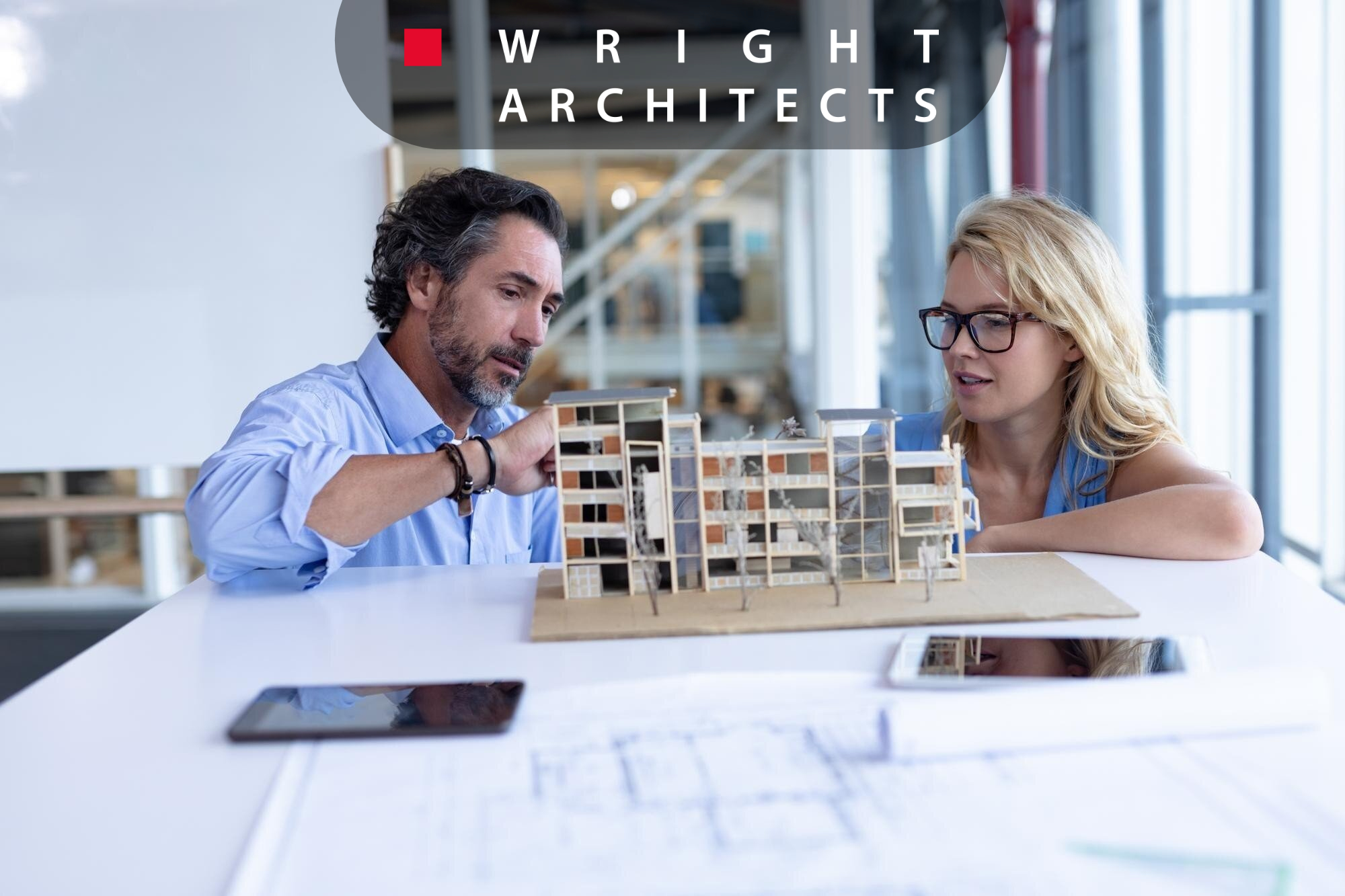
Operating within the distinct environmental and cultural fabric of the Northeast, Wright Architects brings a nuanced, context-driven approach to every project. With extensive experience in the Hudson Valley and surrounding regions, the firm has cultivated exceptional proficiency in terrain‑adapted design, careful siting, local materials, ecological sensitivity and passive® strategies, elements that are especially crucial in a region marked by steep slopes, microclimates, and a rich architectural heritage.
Their deep understanding of local geography and climate allows them to see each site not as a blank canvas, but as a living system with embedded opportunities. Rather than flattening or overpowering the land, Wright Architects designs in conversation with it, minimizing disturbance while maximizing orientation, views, thermal advantage, and landscape integration.
This sensitivity is evident in the firm’s published work on “designing with topography, light and history,” which articulates a design philosophy that treats the site as collaborator rather than barrier. Whether designing on wooded ridgelines, river-adjacent parcels, or rural clearings, the team adapts strategies to terrain and light, while drawing on vernacular references to create homes that feel simultaneously modern and rooted.
As a modern home architect in the Hudson Valley, Wright Architects distinguishes itself by pursuing contemporary expression rooted in regional context. The result is architecture that feels both of its time and of its place, responsive to the present but respectful of the past. These homes blend clean lines, high-performance envelopes, and modern detailing with natural materials, earth-toned palettes, and spatial gestures that echo local farmsteads, barns, and colonial forms.
This regional fluency allows the firm to create custom residential solutions that not only meet performance and aesthetic standards, but also resonate with the lived experience of the Northeast. Every project reinforces their commitment to sustainability, place-sensitive design, and architectural excellence, redefining what it means to build modern homes in one of the country’s most distinctive landscapes.
Performance credentials and advocacy
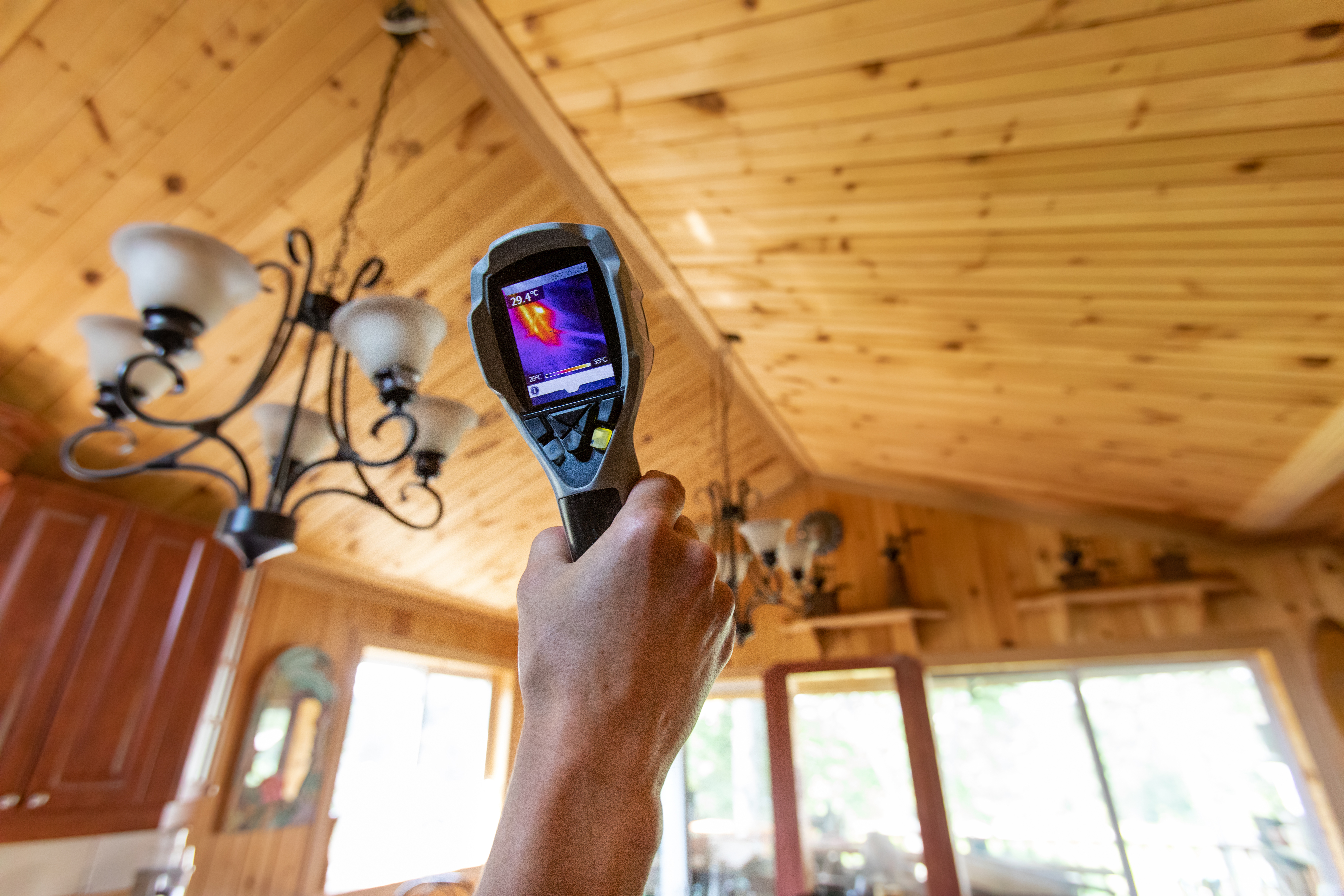
A cornerstone of Wright Architects’ design ethos is a deep and demonstrable commitment to building science and performance-based design. The firm’s qualifications go beyond experience, they are backed by rigorous technical training and third-party certification. Notably, the firm holds credentials such as PHIUS Certified Passive House Consultant and Certified Passive House Tradesperson, underscoring their serious expertise in high‑performance residential design.
These credentials are more than symbolic. They reflect a framework of thinking that influences every stage of the project lifecycle. From the earliest design phases, the team specifies systems and envelopes early in design, setting clear expectations for thermal performance, airtightness, moisture management, and overall energy demand. These elements are not treated as backend engineering decisions, they are baked into the architectural concept itself.
Just as critically, Wright Architects coordinates with builders who understand high‑performance detailing. This includes proper installation of air barriers, high-efficiency mechanical systems, and precise thermal bridge mitigation. By aligning construction partners with the design’s technical demands, the firm minimizes risk of deviation or compromise during execution. Their hands-on approach ensures rigorous attention to detail, especially in critical transitions where insulation, structure, and systems intersect.
Throughout the build, the firm monitors execution to ensure performance goals are achieved, not compromised. They leverage performance verification tools, conduct site inspections, and collaborate with consultants to ensure the final home performs as intended. This vigilance pays off, especially in climates like the Northeast where seasonal extremes can quickly expose weak points in envelope design or mechanical integration.
The result is a home that is not simply “designed to look good” but “designed to perform well”. Homeowners benefit from dramatically reduced energy consumption, enhanced indoor air quality, and superior year-round comfort. Over time, these homes also offer less maintenance risk and greater resilience to climate variation, helping future-proof the investment. This performance-driven approach aligns seamlessly with the firm’s broader mission to push the standards of residential design and building in the region, and redefine what thoughtful, enduring architecture truly means.
Client‑centric process and builder coordination
A defining strength of Wright Architects lies in its commitment to a truly client‑centric process, one that not only centers the homeowner’s vision but also relieves them from the burden of managing a complex and often fragmented construction process. The firm takes a proactive and holistic approach, guiding clients through each step of the full design process with clarity, transparency, and strategic leadership.
From the initial stages of programme definition and site evaluation, the team works closely with the homeowner to understand their goals, priorities, and lifestyle needs. This is followed by advanced performance modelling to assess environmental variables, energy usage scenarios, and design configurations that align with the project’s performance targets. During this phase, critical choices are also made regarding material selection, balancing aesthetic intent, durability, environmental impact, and regional appropriateness.
As the project progresses, Wright Architects supports builder selection, ensuring alignment between construction capabilities and design ambitions. Once construction begins, the firm continues to provide construction oversight, monitoring execution quality, verifying performance benchmarks, and ensuring design fidelity. This ongoing presence extends through to commissioning and hand‑over, ensuring the final product meets both technical and experiential expectations.
Integral to this process is the firm’s ability to effectively manage coordination between client, design consultant team, contractor, trades and sustainability specialist. Rather than leaving these players to work in silos, Wright Architects acts as the central node, facilitating communication, aligning workflows, and resolving challenges in real time. This coordinated structure is essential for delivering projects that are not only efficient and on-budget but also true to the design vision.
Ultimately, this approach benefits homeowners who want to focus on living in the home, not micromanaging the build. With Wright Architects overseeing quality, coherence, and performance, clients gain peace of mind, and a home that’s not only well-designed, but exceptionally well-executed. This seamless, high-touch process is especially valuable in the Northeast, where custom residential projects demand both architectural sensitivity and rigorous project management.
Exemplary outcomes and thought‑leadership
The results of the integrated design‑construction model are most clearly visible in the built work itself. The firm’s portfolio of homes in the region serves as living proof that when architecture, construction, and performance are aligned from the outset, the outcome transcends conventional residential expectations. These projects reflect a consistent ethos: homes that connect to site, maximize natural light and ventilation, honor local craft and materials, and deliver high comfort with low energy demands.
Each home is tailored not just to the client’s vision, but to the rhythms of the land, the microclimate, and the long-term sustainability of the structure. From careful siting that preserves views and topography, to building envelopes optimized for seasonal performance, every detail reflects intentionality and integration. The use of regionally sourced materials and artisanal methods also strengthens the cultural and ecological ties between the home and its environment, fostering a stronger sense of place.
But the impact of Wright Architects, PLLC extends beyond individual projects. By functioning as a thought‑leader in the region, the firm actively participates in elevating the standards and aspirations of the broader building community. Through ongoing dialogue with architects, builders and real‑estate professionals, the firm shares insights, best practices, and emerging research related to sustainability, energy‑efficient home design, and climate-resilient construction.
This thought-leadership is not limited to design, it influences procurement practices, code discussions, performance benchmarking, and market education. As more stakeholders begin to embrace the principles championed by the firm, the collective bar is raised. In doing so, Wright Architects helps raise the baseline of what residential design in the Hudson Valley can achieve, inspiring a shift toward smarter, more integrated, and more environmentally attuned housing across the Northeast.
By continuing to innovate and share knowledge, the firm is not just designing better homes, it’s helping to shape a more thoughtful, resilient future for the region’s residential architecture.
Explore how these strategies play out in real homes in the region, and how alignment of design, builder, site and performance produces exceptional outcomes.
Learn more about Wright Architects’ work at wrightarchitectspllc.com
For design inquiries, media contact or project discussion, connect with the firm directly.
Explore their full portfolio of residential architecture and sustainable design online.
 Dubb
Dubb