Running a restaurant in Florida today means navigating a business landscape that looks very different than it did even a decade ago. The challenges go far beyond food inflation, staffing shortages, or customer expectations. Restaurants now operate in an ecosystem driven by technology. Online reservations, digital payment methods, mobile ordering, POS systems, QR-code menus, delivery platforms, loyalty apps, and cloud-based kitchen tools have become essential to daily operations.
But with these conveniences comes an increasingly dangerous reality: restaurants have become prime targets for cyberattacks. And unlike traditional risks like slip-and-fall accidents, kitchen fires, or property damage, cyber threats are invisible, fast-moving, and capable of shutting down operations within minutes.
For Florida restaurant owners, Cyber Liability Insurance is no longer a “nice to have.” It is now as essential as carrying General Liability, Workers’ Compensation, or a Business Owners Policy (BOP). As the industry becomes more digital, cyber-insurance has become a foundational layer of protection.
This article explores why modern restaurants can no longer afford to skip cyber-insurance, how cyberattacks impact the foodservice industry, what coverage actually provides, and why working with CIS gives Florida restaurants a significant advantage when structuring their full insurance portfolio.
The Digital Transformation of Restaurants and the Risks That Came with It
Florida’s hospitality industry has rapidly adopted digital tools to meet customer expectations. Over the past five years, restaurants have embraced:
- Mobile and online ordering
- Third-party delivery apps
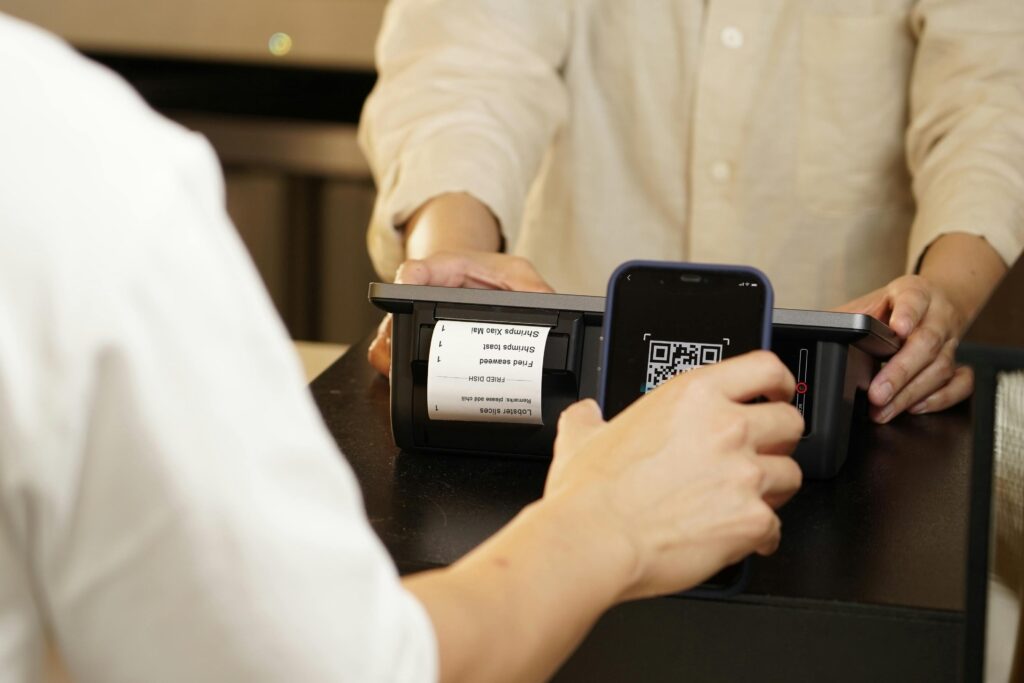
- QR-code menus and contactless payments
- Cloud-based inventory and scheduling software
- AI-driven kitchen automation tools
- Online table management systems
- Customer loyalty programs tied to personal data
These tools increase efficiency, but they also require restaurants to store sensitive information data that cybercriminals aggressively pursue.
Restaurants Are Now High-Value Cyber Targets
The industry’s digital shift has made restaurants a top target for cybercrime for several reasons:
- High volume of customer payment information
- Frequent employee turnover, creating vulnerabilities
- Reliance on multiple third-party vendors
- Often limited IT security budgets
- Complex POS and cloud-based systems that are easier to exploit
The Federal Trade Commission and Small Business Administration have consistently warned that small businesses, especially restaurants, are now among the most targeted industries for ransomwciberare and data breaches.
Cybercriminals know the average restaurant has just enough technology to be vulnerable, but not enough cybersecurity to defend itself.
Common Cyber Threats Facing Florida Restaurants Today
Restaurant cyberattacks are no longer speculative, they are happening daily.
Some of the most common threats include:
POS System Breaches
Hackers infiltrate payment systems to steal card data. This remains one of the most frequent restaurant-related cybercrimes.
Ransomware Attacks
Criminals freeze systems, lock out access to orders or reservations, and demand payment to restore data.
Online Ordering and Delivery App Hacks
When integrated platforms share data, a breach in one system can expose the entire restaurant’s network.
Employee Phishing
A single employee clicking a fraudulent link can compromise payroll, vendor accounts, or customer databases.
Social Engineering and Vendor Fraud
Impersonation scams (pretending to be a known vendor or employee) can trick staff into sending money or passwords.
Internal Data Theft
Disgruntled employees may access and misuse sensitive customer or financial information.

Wi-Fi Network Attacks
Restaurants with guest Wi-Fi often unknowingly expose their internal networks to outside intrusion.
These incidents can shut down operations within hours and the financial impact often lasts for months.
The True Cost of a Cyberattack on a Restaurant
A major misconception among restaurant owners is that cyberattacks only target corporations or large national chains. In reality, small and mid-sized restaurants are the most common victims, because they often lack advanced cybersecurity.
According to research from the U.S. Small Business Administration, most small businesses:
- Have limited cybersecurity protections
- Lack dedicated IT personnel
- Do not have data backup systems
- Are unprepared to handle the financial fallout of a breach
For restaurants, the consequences of an attack can include:
Financial Losses
Fraudulent transactions, theft of funds, and system recovery can cost tens of thousands of dollars.

Operational Shutdown
When POS systems or ordering platforms stop working, the restaurant cannot function. Some businesses lose entire weekends -or longer- due to cyber outages.
Legal Claims
When customer data (like payment details) is exposed, owners may face lawsuits, privacy claims, and regulatory penalties.
Reputational Damage
Customers lose trust quickly after a restaurant experiences a data breach and some will never return.
Compliance Penalties
Payment card industry (PCI) violations can trigger expensive fines, mandatory audits, or even temporary restrictions on accepting credit cards.
One single incident can jeopardize the long-term survival of a restaurant. Cyber Liability Insurance is designed to absorb these financial shocks and help businesses recover quickly.
Why Cyber-Insurance Is Now Part of Standard Restaurant Risk Management
Just as restaurants carry General Liability for customer injuries, Commercial Property Insurance for physical damage, and Workers’ Compensation for employee accidents, cyber coverage has become an essential layer of modern risk management.
What Cyber Liability Insurance Actually Covers
A robust Cyber Liability policy can protect restaurants in several critical ways:
Data Breach Response
After a breach, restaurants must notify customers, provide credit monitoring, issue legal disclosures, and manage the fallout. The policy covers:
- Legal assistance
- Customer notification costs
- PR and crisis management
- Credit monitoring services
- Identity restoration services

Business Interruption Protection
If digital systems fail because of a cyberattack, the restaurant can receive compensation for:
- Lost income
- Extra expenses
- Emergency staffing needs
- Temporary operational adjustments
For a restaurant, even 24 hours offline can be devastating.
Cyber Extortion & Ransomware
Coverage may include:
- Negotiating with cybercriminals
- Paying ransom demands (when necessary and legal)
- Restoring locked or corrupted data
- Recovering damaged systems

Ransomware is one of the fastest-growing threats facing restaurants today.
Data and System Restoration
Restaurants depend on digital menus, cloud-based apps, POS systems, and inventory software. Cyber-insurance helps pay for:
- System repair
- Reinstallation of software
- Data recovery
- Hardware replacement
Liability Lawsuits
If customers, employees, or vendors claim their data was compromised, the insurance covers:
- Legal defense
- Settlements
- Judgments
- Privacy-related fines (where legally insurable)
Social Engineering & Fraud Protection
Business email compromise (BEC) is responsible for billions in losses nationwide. Cyber-insurance can help reimburse:
- Fraudulent wire transfers
- Vendor impersonation scams
- Payroll redirection fraud
- Phishing-driven financial losses
For busy restaurant staff, these scams are surprisingly easy to fall for.
Technology Is Expanding And Cyber Risks Are Growing with It
Restaurants in Florida continue to adopt new technology at a rapid pace, driven by efficiency demands and customer expectations. Some common examples include:
- Self-service ordering kiosks
- Digital tip management tools
- Integrated payroll and scheduling apps
- Automated drive-thru systems
- AI-driven marketing platforms
- Cloud-connected kitchen equipment
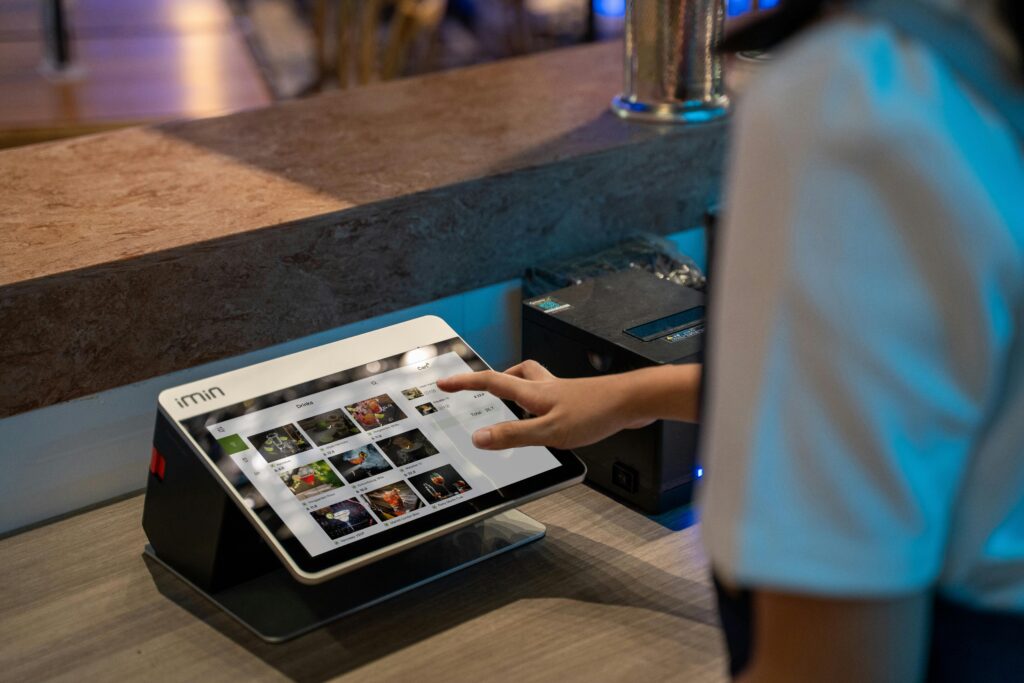
While these innovations improve operations, they also widen the attack surface for cybercriminals. The National Restaurant Association has identified restaurant cybersecurity as a growing area of concern, especially as more businesses adopt integrated digital ecosystems.
In this environment, cyber-insurance is not a substitute for cybersecurity, but an essential partner to it.
Why Florida Restaurant Owners Trust USA CIS
Cyber-insurance can be complex. Policy terms, exclusions, and coverage limits vary widely. Many business owners, especially in the restaurant industry,struggle to identify what level of protection they actually need.
USA CIS simplifies this process by specializing in the unique risks of Florida’s hospitality sector. The agency provides restaurant owners with:
Tailored Cyber Risk Assessments
CIS identifies vulnerabilities specific to each restaurant, including POS risks, vendor exposure, and operational weak points.
Clear Explanations of Coverage
Owners receive detailed guidance on:
- Policy limits
- Deductibles
- Exclusions
- Claims requirements
Access to the Best Restaurant-Focused Cyber Policies
CIS works with top insurers to provide strong protection at competitive rates.
Integrated Coverage Planning
CIS helps restaurants build full protection packages that may include:
- General Liability Insurance
- Business Owners Policies (BOP)
- Commercial Property Insurance
- Workers’ Compensation Insurance
- Cyber Liability Insurance
This holistic approach ensures that restaurants are protected from both physical and digital threats.
Fast, Supportive Claims Assistance
Cyberattacks are chaotic moments for any business. CIS guides restaurant owners through the claims process efficiently, helping them restore operations quickly.
For restaurants that rely heavily on digital systems, working with a specialized insurance partner is one of the strongest defenses available.
Building a Smarter, More Modern Insurance Strategy
Florida restaurant owners face more risks than ever, everything from hurricanes and supply disruptions to employee accidents and cybercrime. A modern insurance strategy must reflect these realities.
A strong protection plan typically includes:
- General Liability: Coverage for customer injuries, accidents, and property damage.
- Business Owners Policy: A bundled package combining liability and property coverage.
- Commercial Property Insurance: Protection for buildings, equipment, and inventory.
- Workers’ Compensation: Required protection for employee injuries and illnesses.
- Cyber Liability Insurance: Defense against digital attacks, data breaches, and system failures.
Together, these policies create a comprehensive defense that protects the restaurant’s physical assets, digital infrastructure, employees, customers, and long-term financial stability.
What This Means for Florida Restaurant Owners
The restaurant industry depends on technology more than ever. And with that reliance comes a level of cyber exposure that many owners underestimate until it’s too late.
Cyber-insurance ensures that when an attack happens, whether a ransomware lockdown, a POS breach, or a vendor-related compromise, restaurants can recover quickly and continue serving their customers.
For Florida restaurant owners who want to safeguard their business, team, customers, and reputation, now is the time to evaluate their insurance strategy and strengthen it with comprehensive cyber protection.
USA CIS provides an accessible starting point. Restaurant owners can learn more, compare coverage options, and request a free quote directly through the CIS website: usa-cis.com.
 USA.CIS