
Florida’s hospitality industry continues to be one of the most active and competitive markets in the United States. Restaurants across the state operate under constant pressure from weather exposure, regulatory oversight, staffing challenges, and high customer volume. While menu development and customer experience often take center stage, insurance remains one of the most critical yet misunderstood components of restaurant operations.
Restaurant insurance is not simply a regulatory requirement or a line item on a budget. It is a strategic safeguard that protects businesses from financial disruption, legal exposure, and long-term instability. For Florida restaurant owners, working with insurance professionals who understand hospitality-specific risks is essential for survival and growth in an increasingly complex environment.
This article provides an in-depth, objective look at why restaurant insurance expertise matters in Florida, what coverage restaurant owners truly need, and how informed insurance decisions support resilient operations.
Florida’s Restaurant Industry Faces Distinct and Elevated Risks
Florida restaurants operate within a risk environment shaped by geography, climate, tourism, and workforce dynamics. These factors combine to create exposures that generic business insurance policies often fail to address adequately.
Climate and Weather Exposure
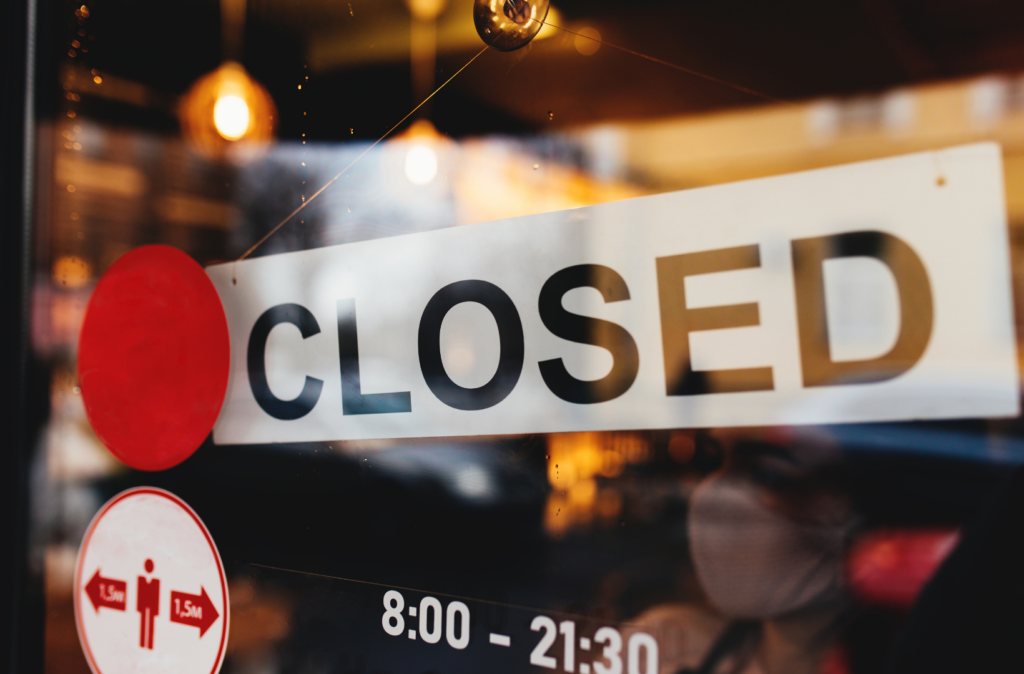
Florida’s location makes it particularly vulnerable to hurricanes, tropical storms, flooding, and prolonged power outages. Restaurants are often among the first businesses forced to close during severe weather events and among the last to reopen. Damage to roofs, interiors, electrical systems, and refrigeration equipment can result in significant losses even when a structure remains standing.
Insurance policies that are not specifically structured for Florida conditions may exclude flood damage, limit wind coverage, or impose high deductibles that leave restaurant owners financially exposed. Expertise in Florida restaurant insurance helps identify these gaps before losses occur.
High Customer Traffic and Liability Risk
Restaurants inherently face higher liability exposure than many other businesses. Slip-and-fall incidents, foodborne illness claims, and accidental injuries are common risks. In Florida, tourism amplifies this exposure. Visitors unfamiliar with local establishments are more likely to pursue claims, increasing both frequency and severity.
Insurance professionals with hospitality expertise understand how to structure liability coverage to reflect real-world guest volume and operational complexity rather than relying on generic assumptions.

Labor-Intensive Operations and Employee Injury
Restaurant work environments involve hot surfaces, sharp tools, wet floors, and fast-paced movement. Employee injuries are common, and workers’ compensation claims can quickly escalate in cost. Florida’s workers’ compensation laws are strict, and noncompliance can result in fines, audits, and stop-work orders.
Restaurant-specific insurance expertise ensures proper employee classification, accurate payroll reporting, and coverage structures that adapt to seasonal staffing changes.
Why Generic Business Insurance Is Often Insufficient
Many restaurant owners initially purchase insurance through general commercial providers or packaged policies that promise simplicity and low cost. While these options may appear convenient, they frequently fail to address the operational realities of food service businesses.
One-Size Coverage Leaves Critical Gaps
Generic policies may overlook essential risks such as equipment breakdown, food spoilage, delivery operations, or alcohol service. These gaps often remain hidden until a claim is denied, leaving the restaurant responsible for significant out-of-pocket costs.
Specialized advisors analyze kitchen layouts, service models, and vendor relationships to ensure coverage aligns with how the restaurant actually operates.
Business Interruption Coverage Is Commonly Misunderstood
Many restaurant owners assume business interruption insurance automatically applies after any closure. In reality, coverage depends on specific triggers, waiting periods, and policy language. Storm-related closures, utility failures, and mandatory evacuations may not be covered without proper endorsements.
Insurance professionals with Florida restaurant experience help ensure business interruption coverage reflects realistic recovery timelines and regional risks.
Compliance Risks Are Often Overlooked
Restaurants must meet insurance requirements imposed by landlords, lenders, and vendors. Failure to comply can result in lease violations or contract termination. Generic insurance solutions often fail to account for these obligations.
Expert guidance ensures policies meet all contractual and regulatory requirements without unnecessary overlap.
Core Insurance Coverages Every Florida Restaurant Must Understand
Restaurant insurance is a coordinated strategy rather than a single policy. Each coverage component plays a role in protecting the business.
General Liability Insurance
General liability coverage protects restaurants from third-party claims involving bodily injury, property damage, and personal injury. This includes slip-and-fall accidents, food contamination claims, and accidental damage to customer belongings.
Given Florida’s high guest traffic, liability limits must be carefully evaluated to prevent underinsurance.
Workers’ Compensation Insurance
Workers’ compensation insurance is legally required for most Florida restaurants. It covers medical expenses, lost wages, and rehabilitation for injured employees.
Restaurants with fluctuating payrolls benefit from policies structured to handle seasonal staffing without audit surprises or misclassification penalties.

Commercial Property Insurance
Commercial property insurance protects buildings, kitchen equipment, furniture, and inventory. In Florida, this coverage must account for wind damage, water intrusion, and humidity-related deterioration.
Replacement cost valuation and proper endorsements are essential for restaurants relying on specialized equipment.
Business Interruption Insurance
Business interruption insurance replaces lost income when operations are suspended due to a covered event. This coverage is critical for Florida restaurants, where storm-related closures can last weeks.
Expert planning ensures business interruption policies include realistic income projections and extra expense coverage.
The Importance of Customized Coverage for Florida Restaurants
No two restaurants operate the same way. Differences in service style, location, and scale create unique insurance needs.
Restaurants that rely on customized restaurant insurance policies in Florida benefit from coverage designed around actual operations rather than generic templates. These policies reflect Florida-specific regulatory requirements, climate exposure, and hospitality risk patterns.
Tailored coverage is especially important for restaurants offering alcohol service, delivery, waterfront dining, or outdoor seating. Each of these elements introduces distinct liability considerations that standard policies may not address.
As operations evolve, customized restaurant insurance policies in Florida allow coverage to adapt without creating gaps or compliance issues. This flexibility supports growth while maintaining protection.

Equipment Exposure and Operational Continuity
Kitchen equipment is the backbone of restaurant operations. When critical equipment fails, restaurants may be forced to close even if the building itself is undamaged.
Mechanical breakdowns, electrical surges, and refrigeration failures can result in lost inventory, health code violations, and extended downtime. Equipment-focused coverage helps address repair costs and associated income loss.
Restaurant owners seeking additional guidance can review this internal resource on restaurant equipment insurance coverage Florida, which outlines how specialized policies support operational continuity.
Insights From Industry Leaders and Regulatory Authorities
Restaurant owners who want to make informed insurance decisions often look beyond their own operations and consult established industry and regulatory authorities. According to guidance from the U.S. Small Business Administration, effective risk management for small businesses includes planning for operational interruptions, property damage, and employee-related claims before a loss occurs. These principles are especially relevant for restaurants operating in high-risk environments such as Florida.
Industry insights published by the National Restaurant Association consistently highlight the financial impact of unexpected closures, workplace injuries, and liability claims on food service businesses. Their research underscores the importance of aligning insurance coverage with real operational exposure rather than relying on minimum required policies.
From an insurance education standpoint, explanations provided by the Insurance Information Institute emphasize that business insurance should be structured to address both direct property damage and the secondary effects of income disruption. For restaurants, this includes understanding how coverage responds to events such as severe weather, equipment failure, and third-party claims.
Taken together, these perspectives reinforce a common theme across regulatory, industry, and insurance education sources: restaurant insurance is most effective when it is proactive, comprehensive, and tailored to the specific risks of the hospitality industry.
Employment Practices and Staff-Related Liability
Beyond physical injuries, restaurants face employment-related claims involving wage disputes, discrimination allegations, and wrongful termination. High turnover and diverse workforces increase exposure in this area.
Employment practices liability insurance helps protect restaurants from these claims. Insurance professionals with hospitality expertise help determine when this coverage is appropriate based on staff size and management structure.
Proper documentation, training, and incident reporting further reduce claim frequency and severity.

Regional Risk Considerations in Central Florida
Florida’s regions present different risk profiles. Central Florida restaurants, in particular, face intense tourism-driven traffic and infrastructure demands.
High customer volume increases liability exposure, while dependence on seasonal tourism amplifies income volatility. Restaurants operating in this region benefit from coverage strategies tailored to these conditions.
Additional insights are available through restaurant insurance packages Central Florida, which address region-specific operational risks.
Long-Term Value of Insurance Expertise Over Price
While premium cost matters, focusing solely on price often leads to underinsurance. Restaurants that rely on inadequate coverage face higher long-term costs through uncovered losses, legal disputes, and prolonged closures.
Professionals specializing in customized restaurant insurance policies in Florida help balance affordability with meaningful protection. This approach reduces financial surprises and supports sustainable growth.
As businesses expand or modify operations, customized restaurant insurance policies in Florida ensure coverage evolves alongside the restaurant rather than lagging behind it.
Moving Forward With Confidence
Restaurant insurance decisions directly affect a business’s ability to recover from unexpected events and remain operational in challenging conditions. Florida’s hospitality environment demands informed, proactive insurance planning supported by industry expertise.
Restaurant owners seeking clarity and protection are encouraged to contact CIS for a professional consultation, request a comprehensive risk assessment, or explore tailored restaurant insurance solutions designed for Florida operations. Strategic insurance planning today helps protect tomorrow’s success.
 USA.CIS