
The holiday season is one of the most profitable periods of the year for restaurants across Florida. Festive menus, extended hours, private events, and higher alcohol sales create opportunities for increased revenue. At the same time, this seasonal surge brings heightened exposure to liability risks that many restaurant owners underestimate until a claim occurs. Among those risks, liquor liability stands out as one of the most financially damaging and legally complex.
Alcohol related incidents increase significantly during the holidays. According to a survey conducted by Challenger, Gray & Christmas, 64.4 percent of U.S. businesses host end of year celebrations, and alcohol related claims rise by approximately 30 percent during the holiday season. For restaurants and bars that serve alcohol daily, this increase in risk is not theoretical. It is measurable, documented, and consistently reflected in insurance claims and lawsuits.
This article explores why liquor liability insurance is especially important during the holidays for Florida restaurants, how it fits into a comprehensive restaurant insurance strategy, and what restaurant owners should understand to protect their business, staff, and reputation during the busiest time of the year.
Understanding Liquor Liability in the Restaurant Industry
Liquor liability refers to the legal responsibility a business assumes when it serves alcohol to customers who later cause injury, property damage, or death due to intoxication. In Florida, this risk is governed by a combination of state statutes, dram shop laws, and civil liability standards that can expose restaurants to serious financial consequences.
Liquor liability claims often involve scenarios such as drunk driving accidents, assaults, falls, and injuries that occur on or off the premises after alcohol service. During the holidays, these risks intensify due to increased alcohol consumption, larger crowds, extended service hours, and celebratory behavior.
Many restaurant owners mistakenly believe that general liability insurance covers alcohol related incidents. In reality, general liability policies typically exclude liquor related claims unless a specific liquor liability endorsement or standalone policy is in place. Without this coverage, a single incident can lead to out of pocket legal defense costs, settlements, or judgments that threaten the survival of the business.
Why the Holiday Season Amplifies Liquor Liability Risk
The holiday season introduces a unique convergence of factors that elevate liquor liability exposure for Florida restaurants. Florida’s Division of Alcoholic Beverages and Tobacco outlines compliance requirements for alcohol service and enforcement priorities during peak seasons.
These risks extend beyond normal operating conditions and often catch underinsured businesses off guard.

Increased Alcohol Sales and Consumption
Holiday gatherings, office parties, family celebrations, and tourism drive higher alcohol sales across the state. Customers are more likely to order multiple drinks, stay longer, and celebrate more freely. This increases the likelihood of over service and intoxication related incidents.
Higher volume does not only affect the bar. Servers, bartenders, and managers must make rapid decisions in busy environments, often under staffing pressure. Even well trained teams can miss warning signs when service is rushed.
Larger Crowds and Event Based Service
Private events and holiday parties introduce group dynamics that increase risk. Guests may arrive already intoxicated, participate in drinking games, or encourage excessive consumption among peers. Monitoring individual intoxication levels becomes more difficult in these settings.
In addition, restaurants hosting events may face liability for incidents that occur in parking lots, nearby sidewalks, or after guests leave the premises. Liquor liability claims frequently arise from events that happen off site but are still legally connected to alcohol service.
Seasonal Staffing Challenges
Many Florida restaurants rely on temporary or seasonal staff during peak periods. While these employees are essential to meeting demand, they may have less experience handling intoxicated patrons or understanding alcohol service laws.
Inadequate training increases the likelihood of improper service, failure to check identification, or delayed intervention when a guest becomes visibly intoxicated. These factors directly contribute to liquor liability exposure.
Extended Operating Hours
Holiday schedules often include extended hours, late night service, and special promotions. Fatigue, reduced supervision, and high customer volume increase the probability of mistakes. The longer alcohol is served, the greater the risk of an incident occurring.

Florida Laws and Liquor Liability Exposure
Florida operates under a modified dram shop law that still allows significant exposure for restaurants and bars. While Florida law limits liability in some circumstances, it does not eliminate it.
Under Florida Statute 768.125, a business may be held liable if it knowingly serves alcohol to a person who is habitually addicted to alcohol or to a minor. Proving knowledge can involve witness testimony, video footage, transaction records, and staff statements. During holidays, these claims become more common due to crowded conditions and increased alcohol sales.
Additionally, even when statutory liability is limited, restaurants can still face lawsuits alleging negligence, improper training, failure to supervise, or inadequate security. Legal defense alone can cost tens of thousands of dollars, regardless of the outcome.
Liquor liability insurance provides coverage for legal defense, settlements, and judgments related to alcohol related claims. Without it, restaurant owners must fund these expenses personally or through business assets.
Some Scenarios That Trigger Liquor Liability Claims
Understanding how liquor liability claims arise helps restaurant owners appreciate the importance of proper coverage.
Office Holiday Parties
Corporate holiday parties are common during November and December. Guests often consume alcohol rapidly and may feel less inhibited due to the celebratory environment. If a guest leaves intoxicated and causes an accident, the restaurant that served the alcohol may be named in the lawsuit.
Tourist Season Overlap
In Florida, the holiday season overlaps with peak tourism. Visitors unfamiliar with local roads, combined with alcohol consumption, increase the likelihood of accidents. Restaurants serving tourists may face claims involving out of state plaintiffs and complex legal proceedings.
New Year’s Eve Celebrations
New Year’s Eve consistently ranks as one of the highest risk nights for alcohol related incidents. Extended hours, countdown celebrations, and high emotional energy increase the probability of over service and impaired driving incidents.
The National Highway Traffic Safety Administration reports consistent spikes in alcohol impaired driving crashes during November and December, particularly around major holidays.
Liquor liability insurance is not optional on nights like these. It is a foundational component of risk management.

How Liquor Liability Fits Into Restaurant Insurance Coverage
Liquor liability should not be viewed in isolation. It works alongside other essential restaurant insurance coverages to form a comprehensive risk protection strategy.
General Liability Insurance
General liability covers bodily injury and property damage claims not related to alcohol service. Slip and fall incidents, food related injuries, and third party property damage fall under this category. However, alcohol related claims are typically excluded without liquor liability coverage.
Workers Compensation Insurance
During the holidays, staff injuries often increase due to crowded kitchens, rushed service, and extended hours. Workers compensation insurance protects the business from employee injury claims and is required for most Florida employers.
Liquor liability incidents can also involve employees who are injured while intervening with intoxicated guests. Proper coordination between workers compensation and liability coverage is essential.
Commercial Property Insurance
Holiday decorations, increased foot traffic, and high inventory levels elevate property risks. Commercial property insurance protects the building, equipment, furnishings, and inventory from covered losses such as fire, theft, and certain weather events.
Restaurants should review property limits before the holidays to ensure seasonal inventory increases are adequately insured.

Business Interruption Insurance
If a liquor liability incident leads to a temporary closure, investigation, or legal action that disrupts operations, business interruption insurance can help replace lost income. This coverage is particularly valuable during peak revenue periods.
The Financial Impact of Liquor Liability Claims
Liquor liability claims are among the most expensive liability claims faced by restaurants. Costs often include legal defense, expert witnesses, court fees, settlements, and judgments.
The Centers for Disease Control and Prevention highlights increased alcohol related injuries and fatalities during holiday periods, emphasizing impaired driving risks and emergency room admissions.
Even claims that are ultimately dismissed can result in significant legal expenses. A single serious injury or fatality claim can reach six or seven figures. For small and mid sized restaurants, these costs can be catastrophic.
Insurance provides not only financial protection but also access to experienced defense counsel and claims management resources. This support is critical during emotionally charged and high profile incidents.
Quantifying the Cost of Liquor Liability Claims
Typical Premium Costs Versus Claim Severity
Premiums for liquor liability insurance are relatively affordable for many establishments, often ranging from hundreds to a few thousand dollars annually. For instance, according to Forbes+1 small restaurants in the United States frequently see annual premiums in the range of approximately $500 to $2,500 for liquor liability coverage, with many restaurants paying roughly $500 to $600 per year on average.
However, these policy costs pale in comparison to the potential costs when a claim occurs. While premiums might average only several hundred dollars annually, the financial consequences of a serious liability claim can escalate rapidly.
Average Settlement and Legal Expense Ranges
Industry data from liability claim analyses (OysterLink) show that bodily injury settlements in hospitality and food service environments can vary widely depending on severity. Standard injury claims like slips or minor incidents often fall in the $10,000 to $50,000 range once medical and legal costs are included. For incidents requiring significant medical treatment, such as surgery or long‑term care, settlements can easily exceed $50,000 and reach beyond $200,000.
Ultra Risk Advisors analyses also paint a stark picture: one historical claims review of over 80 liquor liability cases revealed average settlement amounts exceeding $70,000 per claim. While these figures represent a particular dataset, they illustrate that even moderate claims frequently far outstrip the premiums paid.

Economic Costs Linked to Alcohol‑Related Harms
Beyond individual lawsuit costs, broader economic studies highlight the societal cost of alcohol‑related harm as a whole. In the United States, excessive alcohol consumption has contributed to economic costs measured in the hundreds of billions of dollars, most of which stem from medical treatment, lost productivity, and law enforcement impacts. NIAAA
While this broader data reflects societal costs rather than restaurant‑specific claims, it underscores the magnitude of harm that alcohol misuse can create and the corresponding financial exposure restaurants face when they are part of that chain of events.
Common Misconceptions About Liquor Liability Insurance
Many restaurant owners operate with misunderstandings that leave them exposed.
One common misconception is that liquor liability is only necessary for bars or nightclubs. In reality, any restaurant that serves alcohol faces exposure, especially during the holidays.
Another misconception is that liquor liability is automatically included in a business owner’s policy. While some policies offer limited endorsements, many require separate coverage. Reviewing policy details is essential.
Cost concerns also lead some owners to forgo coverage. However, the cost of liquor liability insurance is minimal compared to the potential financial impact of an uncovered claim.
Risk Management Strategies Beyond Insurance
Insurance is a critical safety net, but proactive risk management reduces the likelihood of claims.
Staff Training and Certification
Training servers and bartenders to recognize signs of intoxication and understand when to refuse service is essential. Many insurers view alcohol service training favorably when underwriting liquor liability policies.
Clear Service Policies
Establishing written policies regarding alcohol service, identification checks, and intervention procedures helps create consistency and accountability.
Adequate Staffing Levels
Overworked staff are more likely to make mistakes. Ensuring appropriate staffing during peak holiday periods reduces service errors and improves guest safety.
Transportation Alternatives
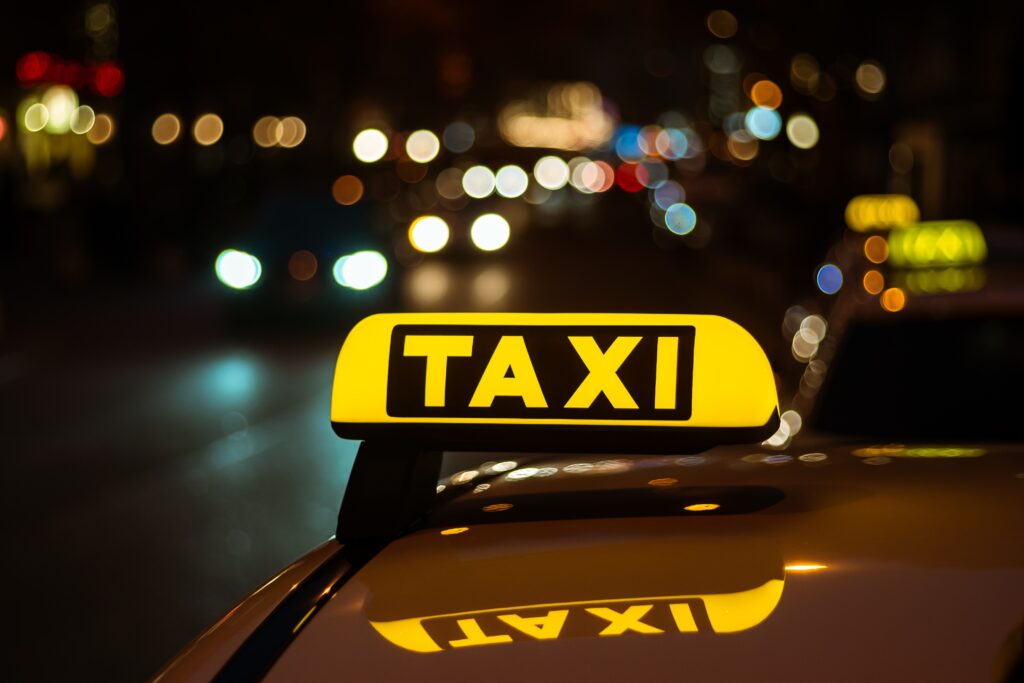
Promoting rideshare options, taxi services, or designated driver programs can reduce impaired driving incidents associated with the restaurant.
How Holiday Claims Affect Insurance Premiums and Renewals
Liquor liability claims do not end with settlement. They influence future insurance premiums, coverage availability, and underwriting decisions.
Restaurants with alcohol related claims may face higher premiums, reduced coverage options, or non renewal at policy expiration. Proactive risk management and proper coverage help protect long term insurability.
Conducting a policy review before the holiday season allows owners to identify gaps, adjust limits, and ensure coverage aligns with seasonal risk exposure.
The Role of Independent Insurance Agencies in Restaurant Risk Management
Navigating liquor liability and restaurant insurance requires specialized knowledge. Independent insurance agencies with experience in Florida’s hospitality industry provide valuable guidance.
These agencies understand local regulations, seasonal risk patterns, and carrier requirements. They help restaurant owners structure coverage that aligns with their operations, alcohol service model, and growth plans.
Access to multiple carriers allows independent agencies to compare options and customize solutions rather than forcing a one size fits all policy.

Integrating Liquor Liability With Equipment and Operational Coverage
Holiday operations place additional strain on restaurant equipment and infrastructure. Coverage considerations should extend beyond liability.
Restaurants that invest in comprehensive programs often combine liquor liability with property, income protection, and equipment coverage. Owners seeking information on restaurant equipment insurance coverage Florida can explore coverage options through this link:
https://usa-cis.com/restaurant-and-entertainment-insurance/
Well structured insurance programs account for both high risk service activities and the physical assets that support them.
Why Florida Restaurants Face Unique Holiday Exposure
Florida’s combination of tourism, warm climate, and year end events creates a unique risk environment. Outdoor service areas, waterfront locations, and extended tourist seasons amplify exposure.
Restaurants operating near beaches, entertainment districts, and resorts often experience higher alcohol consumption and larger crowds during holidays. These factors increase the likelihood of incidents and claims.
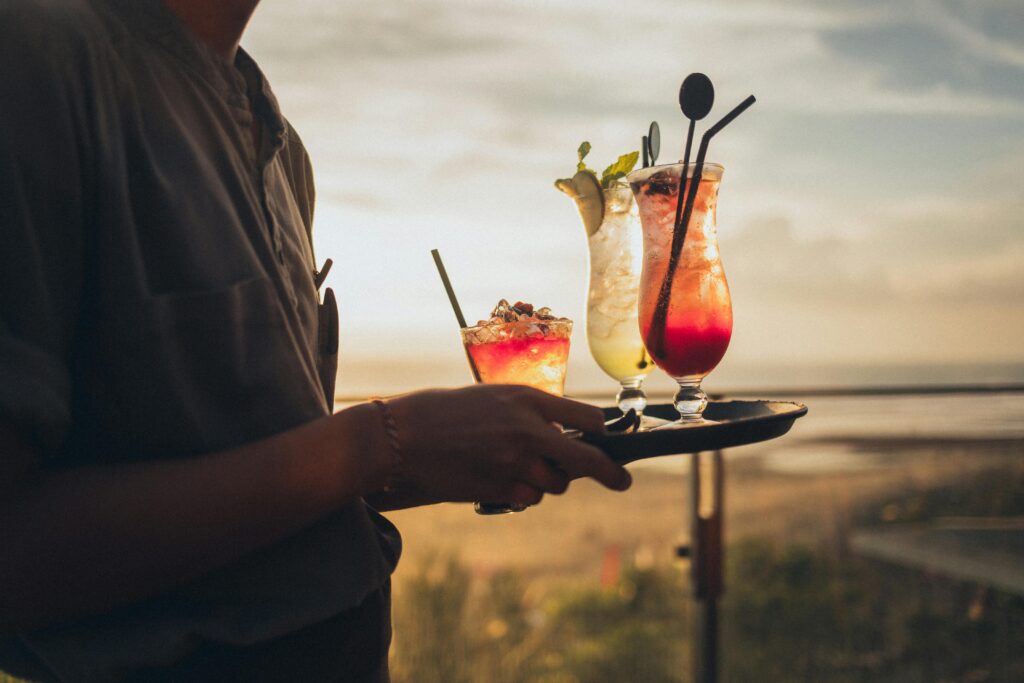
Outdoor dining areas and open-air bars are popular near beaches and resorts, especially during peak holiday weather. These spaces make it harder for staff to monitor individual patrons effectively. Large crowds can lead to incidents such as slips, falls, or altercations that may result in liquor liability claims. The risk extends beyond the restaurant itself, encompassing sidewalks, boardwalks, and parking areas where intoxicated guests may cause injury or property damage.
Seasonal Tourism and Diverse Clientele
Holiday periods in Florida often coincide with peak tourism seasons. Visitors may be unfamiliar with local laws or public safety norms, increasing the chance of negligent behavior. Restaurants serving diverse clientele must be vigilant in monitoring alcohol consumption and ensuring responsible service.
Understanding regional risk patterns allows restaurant owners to take proactive steps rather than reacting after a loss occurs.
Preparing for Holiday Success with Smart Insurance Planning
Confidence in managing seasonal risks often comes from knowledge and foresight. Restaurant owners who understand how liquor liability, staff safety, and regulatory requirements intersect with their operations are better equipped to navigate the holiday season. Clear guidance on coverage options and proactive planning can help minimize surprises and ensure the business is protected when it matters most.
Educational insights into holiday-specific risks, from increased alcohol consumption to larger crowds, allow operators to make informed decisions about insurance limits, service policies, and staff training. This kind of preparation not only safeguards the business but also reinforces the trust of employees, guests, and partners.
For restaurants seeking to enter the holiday season with greater confidence, reviewing existing policies, evaluating seasonal exposures, and considering coverage adjustments can make a meaningful difference. Taking steps early provides flexibility, reduces stress during peak periods, and helps maintain uninterrupted operations even in the face of unforeseen incidents.
Ultimately, the holiday season can remain a time of opportunity rather than uncertainty. With thoughtful planning and appropriately tailored liquor liability coverage, restaurant owners can focus on delivering exceptional experiences while protecting their reputation, employees, and bottom line throughout the busiest months of the year.
Trust in an insurance partner is built through education, transparency, and proactive planning. Restaurant owners preparing for the holiday season are encouraged to take proactive steps:
- Contact CIS to schedule a professional insurance consultation focused on holiday risk exposure.
- Request a comprehensive risk assessment to identify liquor liability and coverage gaps.
- Explore custom restaurant insurance plans designed for Florida operations and seasonal demand.
Taking action before the holiday rush allows time to implement coverage adjustments and risk management strategies that protect the business when it matters most.
 USA.CIS