
The holiday season brings unique financial pressures and strategic decisions for restaurant owners. Increased customer demand, heightened labor needs, and seasonal operational changes often tempt entrepreneurs to push cash flow to its limits. These pressures can create blind spots around insurance risk management. Holiday business insurance risks are real and complex. Without careful planning, seasonal strategies to boost revenue can expose restaurants to liabilities and financial stress that far outweigh short-term gains.
Florida restaurants face a unique combination of year-round tourism, extreme weather risks, and regulatory demands. These factors make it essential for operators to understand not only how to maximize holiday revenue but also how to balance growth with sound risk management. This guide explains the intersection between holiday financial decisions and insurance risk, with a specific focus on restaurant insurance in Florida.
By exploring practical examples and risk analysis, this article helps restaurant owners make informed decisions. It builds trust through education and offers actionable insights to protect both cash flow and the long-term viability of the business.
Understanding the Holiday Revenue Surge and Cash Flow Demands
Seasonal Revenue Opportunities
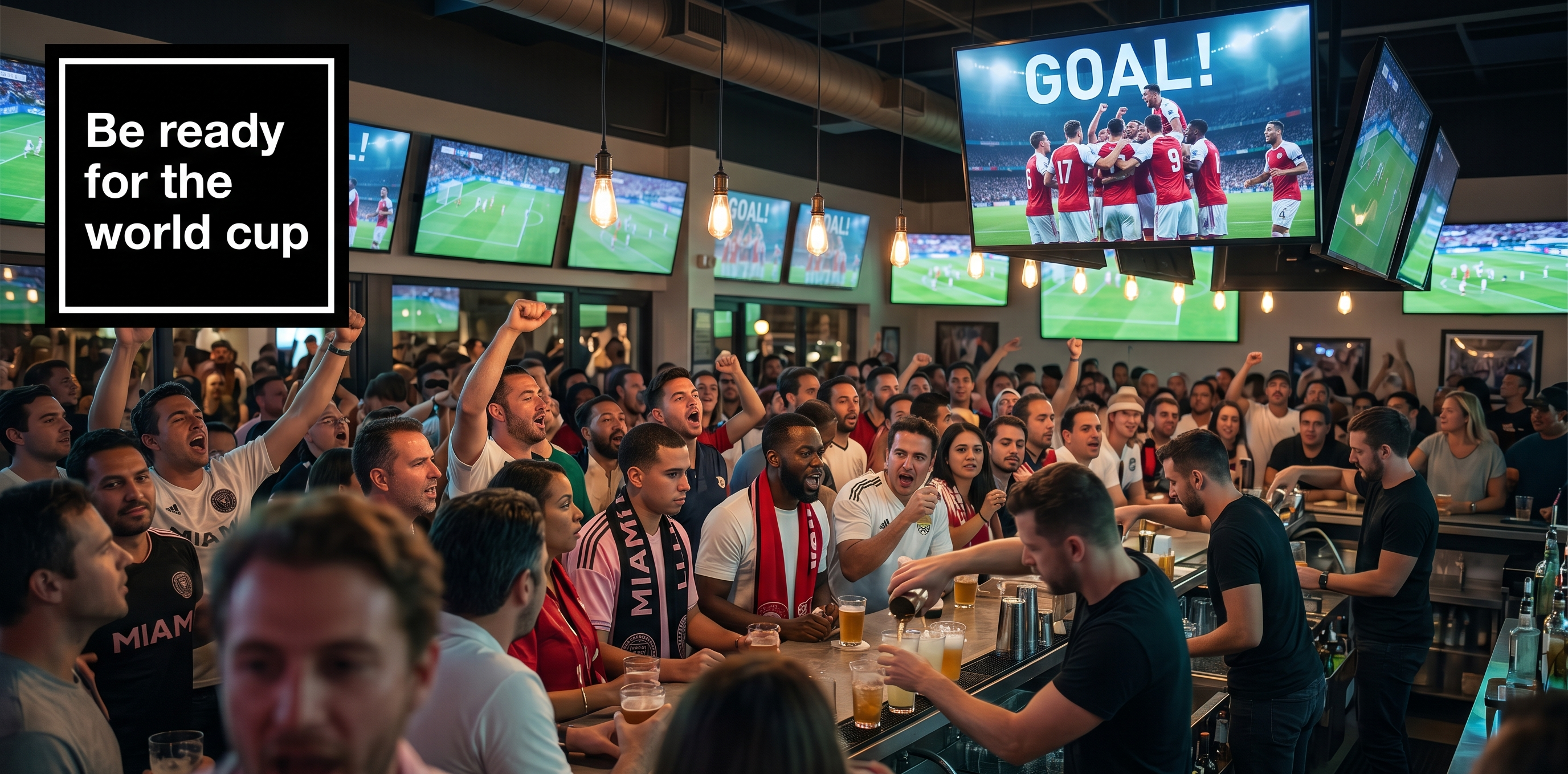
For many restaurants, the holiday period can generate a disproportionate share of annual revenue. Special menus, catering orders, extended hours, and celebratory gatherings all contribute to higher sales. Customers seeking memorable experiences often spend more during this time of year. Margins can expand, and opportunities for upselling become frequent.
Holiday revenue advances can appear like a financial windfall. The temptation to reinvest heavily in staffing, equipment, and marketing is understandable. However, without adequate planning for the associated risks, those same investments can create financial strain and claim exposure. Successful owners know that revenue spikes should be balanced with caution and a disciplined approach to risk.

Cash Flow Pressures During Peak Seasons
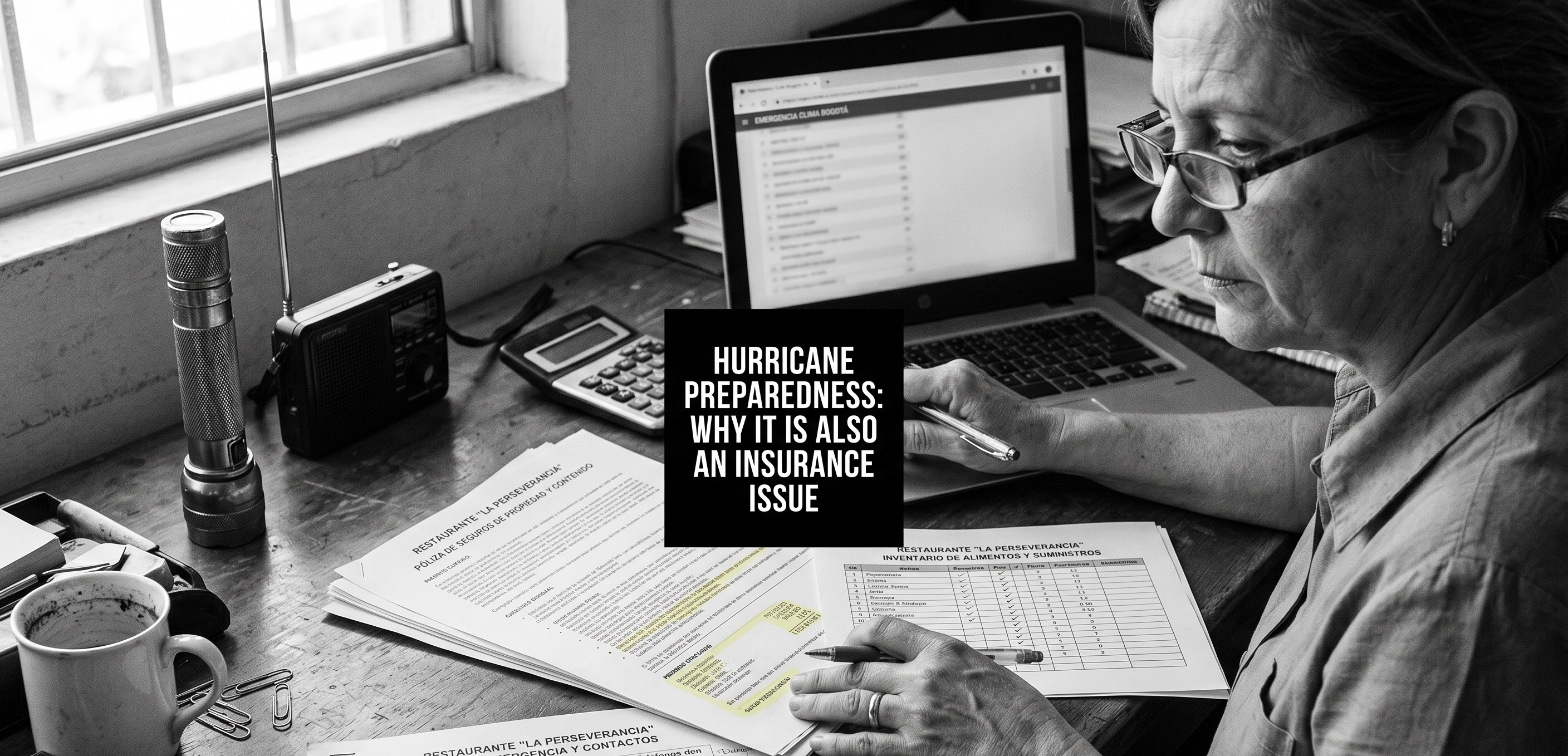
Restaurants often experience tight cash flow throughout the year. The holiday season exacerbates this strain by requiring upfront expenditures. Hiring additional staff, securing seasonal supplies, and enhancing décor or entertainment all require capital before revenue materializes.
When operators stretch cash flow too thin, they may delay critical risk management actions. This can include postponing insurance reviews, skipping policy renewals, or reducing coverage options. Owners might assume that higher sales will cover any potential loss. This assumption can be costly if a claim arises during a period of high operational complexity.
The key for Florida restaurant owners is to treat holiday cash flow and insurance risk management as interdependent rather than separate concerns.
Core Insurance Risks During the Holiday Season
Holiday business insurance risks stem from multiple sources. Seasonal staff, special events, weather events like tropical storms, and increased customer activity all introduce new liabilities. Below are the most critical insurance considerations for restaurants during the holidays.
Staffing and Labor Risk
Temporary and Seasonal Workers
Hiring temporary staff to handle demand is common. However, these workers may lack experience and training. Restaurants are responsible for their actions while on the job. If a seasonal server causes a customer injury or fails to follow safety protocols, the restaurant’s liability insurance may be tested.
Seasonal workers also increase the risk of workplace injuries. Inexperienced kitchen staff may be more prone to cuts, burns, or slips. Restaurants must ensure that workers compensation coverage is sufficient and that all staff, permanent and temporary, receive proper safety training.
Florida requires businesses with employees to maintain workers compensation insurance. Operators should confirm that their policies cover seasonal staffing increases and that proper payroll reporting ensures compliance.
Overtime and Wage Compliance
During the holidays, overtime can become a significant cash flow factor. Misclassification of employees or failure to properly calculate overtime may lead to wage complaints or Department of Labor audits. These challenges create legal exposure separate from insurance claims but can affect overall financial stability.
Owners should work with payroll and HR professionals to ensure compliance with labor laws and minimize risk.
Customer Slip and Fall Liability
Holiday crowds increase the chances of incidents such as slip and fall accidents. Decorations, spilled drinks, crowded walkways, and outdoor waiting areas can elevate risk. Public liability claims are among the costliest for restaurants.
General liability insurance covers many of these claims, but limits and exclusions matter. Operators must evaluate whether their current liability limits adequately reflect the increased exposure during peak periods.
Equipment Failures and Business Interruption
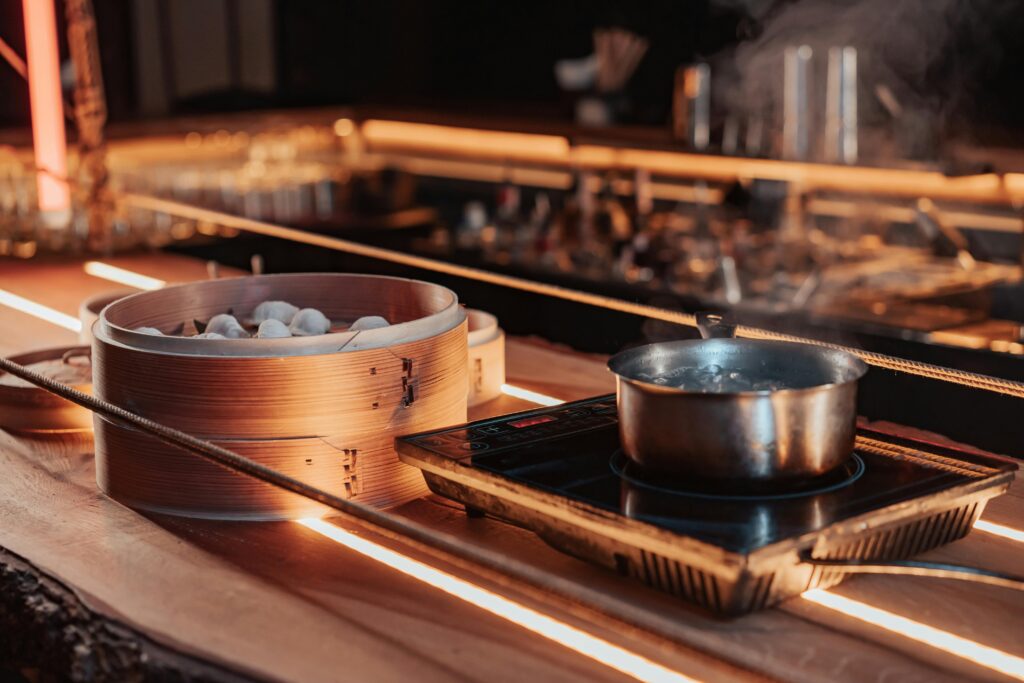
The restaurant industry relies on equipment functioning consistently. Refrigeration units, ovens, point of sale systems, and plumbing infrastructure are critical. Equipment failures during the holidays can cripple operations and derail cash flow.
Business interruption insurance helps bridge lost income when operations are forced to pause. For restaurants in Florida, this coverage is even more significant given the dual risk of seasonal weather events and high operational volume.
Owners must also consider specific equipment coverage. Internal policies often do not cover breakdowns or mechanical failures unless equipment breakdown or additional endorsements are added. For restaurants seeking specialized protection, options like restaurant equipment insurance coverage Florida can provide meaningful financial support when machinery fails.
Specialized Florida Risks During the Holiday Period
Florida’s unique environment introduces risk factors that many restaurant owners in other states may not experience. Understanding these regional risks is essential for adequate insurance planning.
Weather Risk and Seasonal Storms
Florida’s hurricane and tropical storm season extends into late fall. Holiday planning must include preparation for these events. Losses from wind, flooding, and storm-driven power outages can devastate a restaurant without the right protections.
Standard property insurance may not include flood coverage. In Florida’s coastal and flood-prone regions, standalone flood insurance is essential. Operators should engage with an expert insurance provider to evaluate exposure and ensure coverage aligns with risk.
Tourism-Driven Demand and Liability Exposure
Florida’s tourism peaks during the winter holiday period. Tourist-heavy environments bring more foot traffic and diverse customer expectations. With increased crowds comes higher liability risk.
Restaurants near theme parks, beaches, or high-traffic corridors should adjust liability limits and consider umbrella policies. This extra layer of protection can safeguard the business when claims exceed standard policy limits.

Linking Financial Planning with Insurance Risk Management
Many restaurant owners treat financial planning and insurance procurement as separate processes. In reality, these functions overlap. Ignoring insurance while focusing solely on holiday cash flow can lead to unexpected costs that outstrip seasonal revenue gains.
Budgeting for Insurance Premiums
Restaurant owners must plan insurance expenses into annual budgets rather than treating them as line-item costs to be minimized. Premiums may fluctuate based on claims history, coverage adjustments, and market conditions.
During holiday planning, owners should revisit insurance costs and align them with projected revenue. An increase in coverage limits or changes in operations may require premium adjustments. Allocating funds early prevents last-minute shortfalls.
Risk Assessment Before Peak Seasons
A proactive risk assessment allows owners to identify potential vulnerabilities. Assessments should examine kitchen safety, fire suppression systems, slip hazards, and crowd management practices. Consulting with industry professionals or risk assessors can reveal overlooked exposure.
Risk assessments also support insurance reviews. Insurers often provide guidance on necessary coverage based on operational risk profiles.
Scenario Planning
Restaurant owners should model worst-case scenarios. What happens if equipment fails the week before a major holiday event? Can the business survive a weekend closure due to a liability claim?
Visualizing these scenarios helps owners choose coverage options that protect against catastrophic financial impact. It also leads to more informed decisions about emergency funds, contingency planning, and operational adjustments.
Comprehensive Insurance Solutions for Holiday Risk
A sound insurance strategy includes multiple types of coverage. Each policy plays a role in protecting different aspects of the restaurant’s operation.
General Liability Insurance
General liability insurance protects against customer injuries, property damage claims, and legal costs arising from accidents on the premises. During the holidays, when foot traffic surges, this coverage is critical.
Florida restaurant owners should confirm that their liability limits align with exposure. Higher limits reduce the likelihood that a single claim could jeopardize financial stability.
Workers Compensation Insurance
Workers compensation coverage protects both the business and employees in the event of workplace injuries. Florida law mandates coverage for most employers. Seasonal staffing increases make this insurance even more relevant during the holidays.
Owners must ensure that payroll reporting is accurate and that temporary staff is included. Regular audits help avoid compliance issues and potential penalties.
Property Insurance
Property insurance covers physical assets such as buildings, equipment, inventory, and fixtures. Coverage must include replacement cost valuation rather than actual cash value, if possible, to ensure full recovery after loss.
Holiday décor and seasonal fixtures may not be included in standard policies unless specifically scheduled. Owners should review policy language to confirm coverage.
Business Interruption Insurance
When unexpected events force temporary closure, business interruption insurance provides income replacement. The holiday season’s compressed revenue window makes this coverage extremely valuable.
This policy pays for lost revenue and ongoing expenses during a covered closure. For example, if a kitchen fire forces several days of closure, business interruption coverage helps the restaurant stay afloat while repairs are made.
Equipment Breakdown and Specialized Coverages
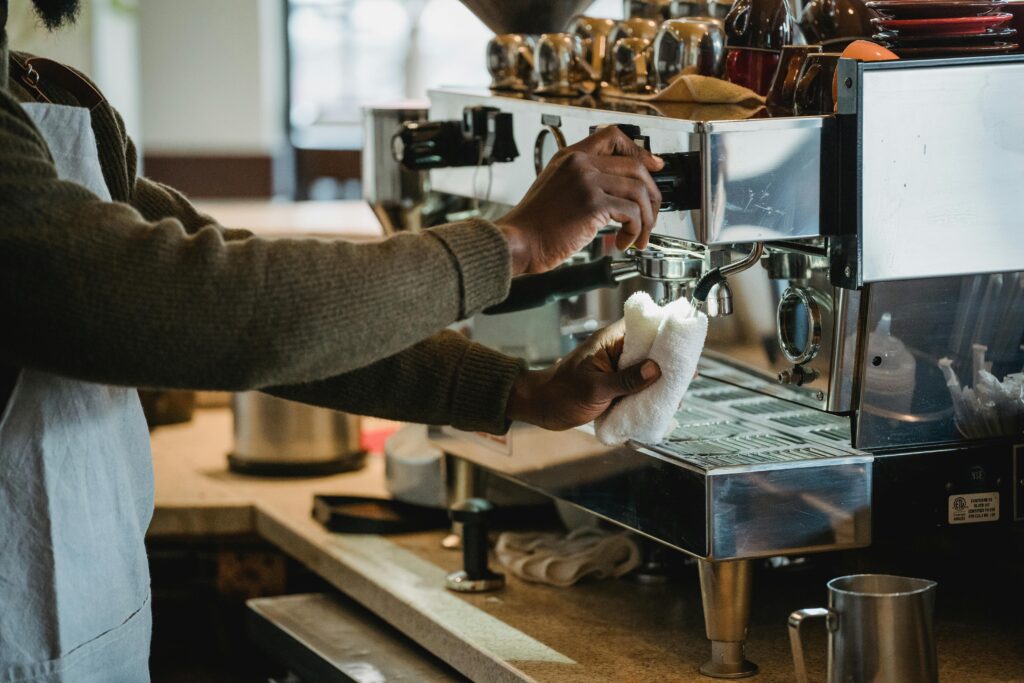
Commercial kitchen equipment is expensive and central to operations. Equipment failure can halt service and erode holiday profits. Equipment breakdown coverage supports repair or replacement costs.
In Florida, additional exposures such as spoilage due to power outages must be considered. Specialized endorsements for spoilage protection ensure that perishable inventory losses are reimbursed.
For restaurants seeking tailored equipment risk protection, restaurant equipment insurance coverage Florida offers custom options suited to local needs.
Cyber Liability and Data Protection
Point-of-sale systems, online reservations, and digital payment processing have made restaurants vulnerable to cyber threats. Holiday traffic increases digital transactions, making data security essential.
Cyber liability coverage protects against costs related to data breaches, ransomware, and customer notification requirements. It can also cover legal costs and credit monitoring services for affected customers.
Avoiding Common Insurance Pitfalls During the Holidays
Restaurant owners make predictable mistakes when balancing financial goals with risk management. Identifying these can help avoid costly setbacks.
Underinsuring to Save Premium Costs
Some operators reduce coverage limits to save on premiums, believing that increased revenue will offset potential losses. This gambit can backfire if a claim exhausts coverage limits. The financial fallout from uninsured losses can eclipse holiday profits.
A comprehensive review with an insurance expert helps ensure adequate limits without unnecessary duplication.

Ignoring Policy Exclusions
Insurance policies often contain exclusions that reduce coverage for specific risks. For example, flood damage, equipment breakdown, or fines related to compliance violations may not be included.
Restaurant owners must read and understand exclusions. If necessary, supplemental policies or endorsements should be added.
Delaying Policy Review
Many claims arise from outdated policies that do not reflect current operations. Holiday expansions, new equipment purchases, or changes to the menu should trigger an insurance review.
Policy updates can address changes in exposure and prevent gaps that lead to denied claims.
Neglecting Documentation
Proper documentation of safety protocols, maintenance schedules, and employee training can influence claim outcomes. In the event of a claim, documentation supports the restaurant’s position and helps expedite resolution.
Maintaining records of inspections, repairs, and staff certifications demonstrates diligence in risk management.

Best Practices for Managing Holiday Business Insurance Risks
Successful Florida restaurant owners adopt disciplined strategies to manage both cash flow and insurance risk.
Early Planning and Budgeting
Begin holiday planning months in advance. Establish budgets that include insurance considerations. Evaluate insurance costs alongside hiring plans, equipment upgrades, and marketing campaigns. Early planning prevents last-minute compromises that can expose the business to risk.
Conducting Pre-Season Risk Assessments
Before peak holiday activity begins, conduct a risk assessment. Identify high-risk areas such as slippery floors, congested walkways, and equipment bottlenecks. Implement corrective measures such as anti-slip mats, adjusted layouts, or additional staff training.
Risk assessments also inform insurance decisions. They reveal vulnerabilities that may require higher liability limits or supplemental coverage.
Enhancing Safety Protocols
Train all staff on safety procedures specific to holiday operations. This includes handling slips and falls, fire safety with decorative elements, and crowd management techniques. Document training to support both risk reduction and insurance compliance.
Monitoring Compliance with Local Regulations
Florida restaurant operators must comply with health, safety, and employment regulations. Noncompliance can result in fines and legal exposure that insurance may not cover.
For authoritative guidance on workplace safety standards, restaurant owners may consult resources such as the United States Occupational Safety and Health Administration. External standards help ensure safe operations and reduce risk.
Establishing Contingency Plans
Holiday planning should include what-if scenarios. What happens if a storm hits? What if a key staff member is unavailable? What if equipment fails during peak hours?
Contingency plans should address staffing backups, backup power options, and vendor alternatives. These plans help maintain service continuity and reduce lost revenue.
Some Scenarios and Risk Management Lessons
Examining real-life examples helps solidify the importance of sound insurance planning.
Slip and Fall During a Holiday Special Event
A popular Florida restaurant hosted a holiday prix-fixe event. The dining room was crowded, and walkway decorations were placed without attention to clearance. A customer slipped on condensation near a restroom entrance and suffered a fracture.
Without adequate liability coverage, the restaurant would face substantial medical payments, legal defense costs, and potential settlement expenses. However, with robust general liability insurance, the claim was managed through the insurer, preventing a severe financial hit.
This scenario underscores why liability limits must reflect peak exposure periods.
Equipment Breakdown During Holiday Rush
A restaurant invested heavily in a new oven to support holiday catering orders. Days after installation, the oven malfunctioned, leaving the kitchen unable to fulfill orders. Without specialized equipment breakdown coverage, repair costs and lost revenue forced the restaurant to dip into cash reserves.
Owners with robust coverage for equipment failure avoid these pitfalls and preserve financial stability during high-demand periods.
Holiday Storm Causes Power Outage
During a tropical storm, a restaurant lost power for 48 hours. Perishable inventory spoiled. The operator lacked spoilage coverage, resulting in thousands of dollars in losses that were not reimbursed.
With comprehensive coverage including spoilage protection and business interruption, the same operator could have recovered lost inventory and income.
Restaurant owners can find reliable guidance on disaster preparedness and risk mitigation through resources like the Federal Emergency Management Agency.

Aligning Cash Flow and Risk Strategies for Long-Term Success
Holiday cash flow planning and insurance risk management are not separate tasks. They are intertwined elements of a sound business strategy.
Restaurant owners who integrate financial forecasting with risk mitigation improve their chances of sustainable growth. Adequate insurance ensures that unexpected losses do not undermine holiday profits or long-term viability.
Evaluating Insurance as a Financial Investment
Insurance may appear like a cost, but it functions as a financial safeguard. Just as restaurant owners invest in quality kitchen equipment, they must invest in quality risk management. The peace of mind and financial protection insurance provides allows operators to focus on service, growth, and excellent customer experiences.
Regular Policy Review Cycles
Seasonal changes, menu expansions, new equipment, and staffing shifts all influence insurance needs. Owners should conduct policy reviews at least twice a year: once before the holiday season and once post-season. This disciplined cycle ensures that coverage remains aligned with evolving needs.
Partnering with Insurance Expertise
Working with knowledgeable insurance professionals helps restaurant owners navigate complex policy options. Expert guidance can uncover coverage gaps and present solutions tailored to restaurant exposure.
For tailored guidance that aligns with holiday business insurance risks and financial goals, many operators choose to contact experienced agents who specialize in hospitality and restaurant insurance.
Encouraging Action: Protecting Holiday Revenue and Reducing Risk
Restaurant operators can take concrete steps today to manage holiday business insurance risks:
- Reach out to an expert to review current policies.
- Request a risk assessment for seasonal exposures.
- Explore custom restaurant insurance plans that address peak period liabilities, equipment breakdown, and business interruption.
In uncertain times, proactive risk management is not optional. It is essential to safeguard both holiday cash flow and long-term business stability.
Florida restaurant owners seeking comprehensive protection and guidance should contact CIS for consultations and risk assessments. Seasoned industry professionals can help assess holiday business insurance risks and tailor solutions that fit both budget and exposure.
By understanding holiday business insurance risks and aligning them with thoughtful financial planning, restaurant owners can protect their cash flow, preserve customer trust, and ensure their business thrives well beyond the holiday season.
 USA.CIS