
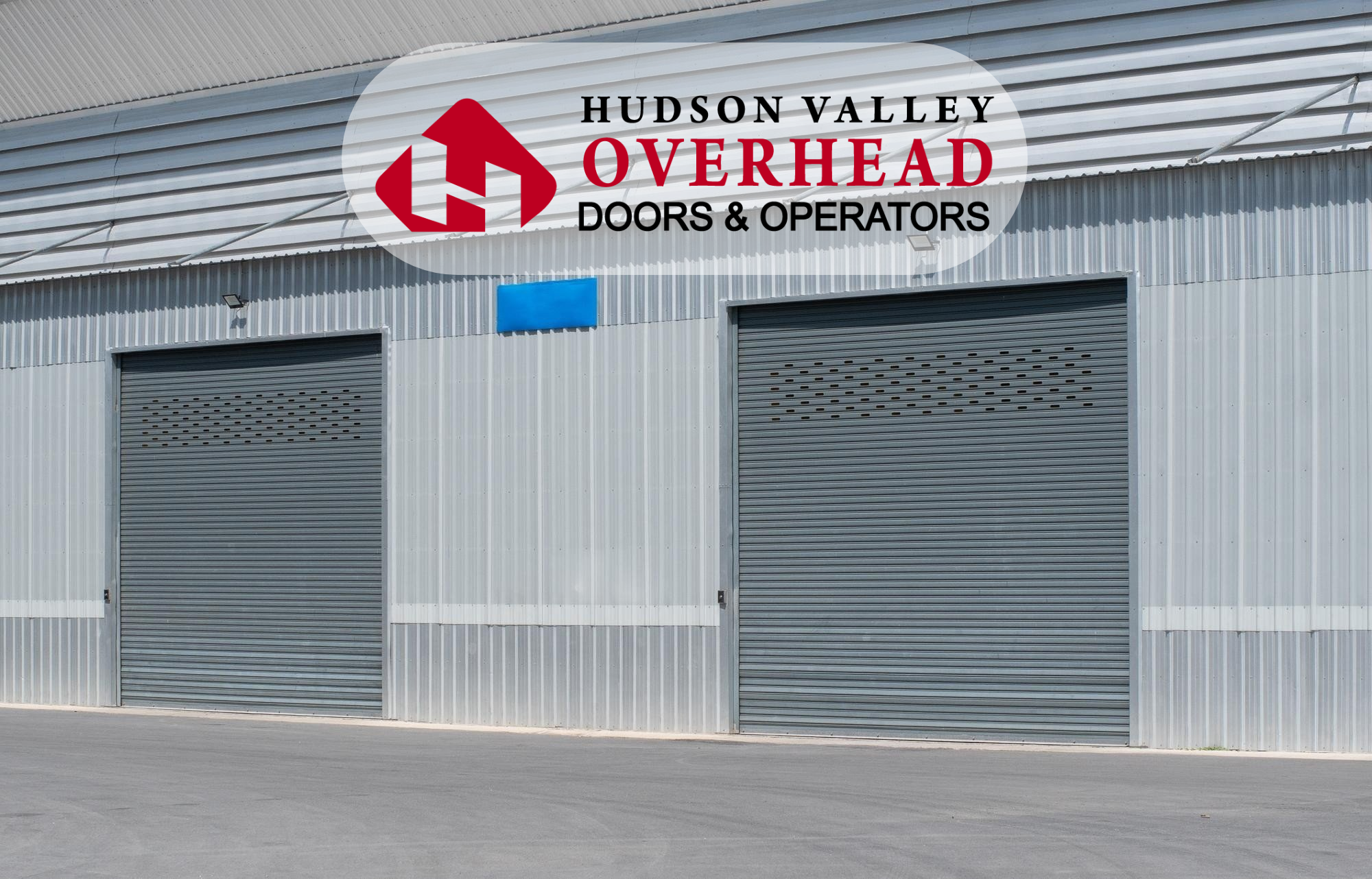
Operational efficiency in logistics environments is shaped by a wide range of infrastructure decisions, many of which receive limited attention until performance problems emerge. Among these, garage door selection plays a disproportionately important role. While often viewed as a secondary architectural component, garage doors directly influence how people, vehicles, and goods move through a facility on a daily basis. Their performance affects not only speed and throughput, but also consistency and predictability across logistics operations.
In warehouses, distribution centers, and mixed-use logistics facilities, doors influence workflow speed, safety outcomes, energy consumption, maintenance cycles, and regulatory compliance. The opening and closing speed of doors can determine how quickly loading bays turn over, while door durability affects downtime caused by repairs or failures. Additionally, insulation properties and sealing performance play a role in temperature control, which is especially relevant for facilities handling climate-sensitive goods or operating in regions with seasonal weather variation.
For commercial property owners, developers, and facility managers in Dutchess County and the broader Hudson Valley region, understanding how different garage door systems affect daily operations is critical. Facilities in this region often serve a mix of local distribution, regional logistics, and light industrial functions, making door performance a key factor in balancing flexibility with reliability. Decisions made during the design or retrofit phase can have long-term consequences for operating costs, tenant satisfaction, and asset value.
Industry experts, including Hudson Valley Overhead Doors & Operators, frequently note that door systems function as both physical barriers and operational control points. Beyond basic access control, doors influence safety protocols, vehicle traffic patterns, and the separation of work zones within a facility. Poorly specified systems can create bottlenecks, increase accident risk, or lead to premature wear on mechanical components, while well-designed systems support smooth, uninterrupted logistics flow.
This report examines garage door selection from an objective, industry-wide perspective, focusing on how roll-up gates and commercial garage door systems impact efficiency, safety, and long-term operational stability in logistics environments. By analyzing these systems in relation to real-world operational demands, the report aims to provide facility stakeholders with a clearer framework for making informed, performance-driven infrastructure decisions.
Garage Doors as Operational Infrastructure
In logistics facilities, garage doors are not passive building components. They are active systems that regulate movement, protect assets, and shape workflow patterns.
Frequency of Use in Logistics Settings
Unlike office or light commercial buildings, logistics facilities may cycle doors hundreds of times per day. Each opening and closing event affects:
- Vehicle dwell time at loading docks
- Material handling efficiency
- Interior climate stability
- Exposure to safety risks
Because of this frequency, the mechanical characteristics of roll-up gates for commercial properties and other industrial door systems directly influence throughput and labor productivity.
Integration With Material Flow
Doors determine how smoothly goods move between transportation modes and interior storage zones. Poorly specified systems can introduce bottlenecks, while properly selected doors align with dock layouts, conveyor systems, and forklift routes.
Industry professionals often emphasize that garage door selection should be evaluated alongside dock levelers, racking systems, and traffic patterns rather than as an isolated decision.
Structural Design and Space Utilization
One of the most immediate ways garage door selection affects efficiency is through its impact on usable space.
Vertical Clearance and Interior Layout
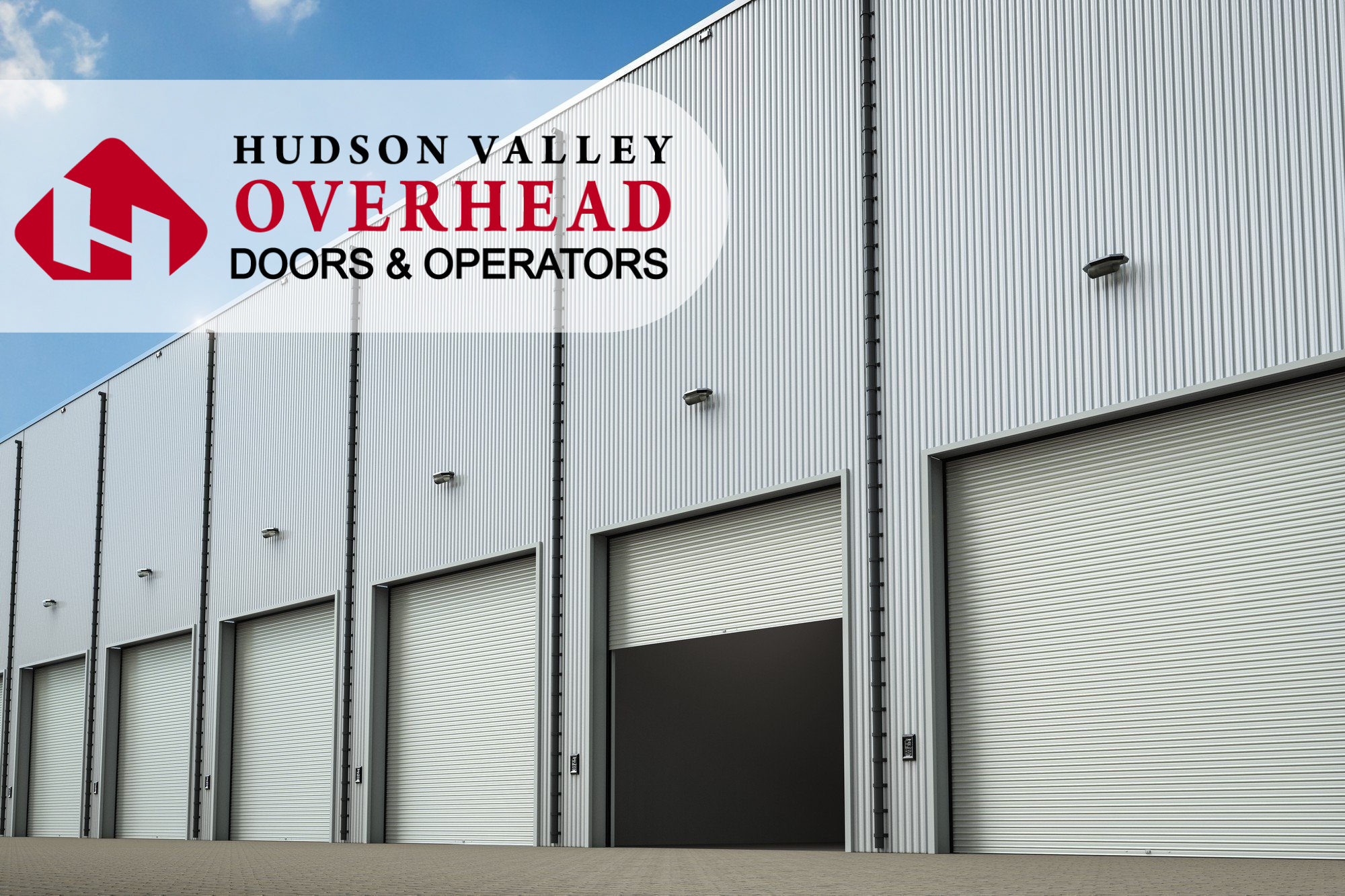
Roll-up garage doors are designed to coil vertically into a compact barrel above the opening. This configuration preserves overhead clearance and reduces interference with:
- Lighting fixtures
- Fire suppression systems
- HVAC ductwork
- Overhead conveyor lines
In older warehouse buildings common throughout Dutchess County, space constraints often drive infrastructure decisions. Roll-up systems are frequently referenced in discussions of commercial garage door installation because they can adapt to irregular openings and limited headroom without extensive structural modification.
Reduced Track Complexity
Compared to sectional doors, which rely on extended horizontal tracks, roll-up systems use simplified guide assemblies. This reduces the number of components exposed to impact damage from forklifts or pallet loads, a recurring concern in high-traffic logistics environments.
Safety Performance and Workforce Protection
Operational efficiency is inseparable from safety performance. Incidents involving doors can result in injuries, downtime, and regulatory scrutiny.
Alignment With Garage Door Safety Standards
Modern commercial door systems are engineered to comply with established garage door safety standards, which address issues such as controlled descent, load handling, and emergency stop functionality.
The U.S. Consumer Product Safety Commission provides guidance on mechanical hazards associated with door systems, including risks related to springs, cables, and automated operators. While often discussed in residential contexts, these principles are directly applicable to commercial logistics facilities where door failures can have amplified consequences.
Roll-up doors mitigate many common risks by incorporating:
- Enclosed spring assemblies
- Fewer articulated joints
- Predictable vertical travel paths
These features reduce the likelihood of sudden component failure and uncontrolled movement.
Safety Reverse Systems in Automated Operations
Automation is a defining feature of modern logistics, and garage doors are increasingly integrated into automated workflows. Monitored operators equipped with safety reverse mechanisms are designed to stop and reverse door movement when obstructions are detected.
Regular safety reverse system testing is widely regarded as a best practice in logistics facilities. Trade experts, including those associated with Hudson Valley Overhead Doors & Operators, often stress that testing protocols are essential even when doors appear to function normally, as sensor degradation can occur gradually.
Compliance and Regulatory Alignment
Logistics facilities operate under strict regulatory frameworks that influence infrastructure decisions.
Fire Safety and Compartmentalization
In warehouses handling combustible materials or operating at large scales, garage doors may form part of a fire compartmentalization strategy. Fire-rated rolling doors are designed to close automatically during fire events, limiting the spread of smoke and flames.
Standards and guidance from the National Fire Protection Association outline how fire doors integrate with broader life safety systems. Selecting door systems compatible with these requirements supports both compliance and risk management objectives.
New York State Building Code Considerations
Commercial properties in Dutchess County are governed by New York State–adopted building codes, which incorporate structural, mechanical, and safety requirements relevant to garage door systems.
The International Code Council – New York Codes provide a centralized reference for these standards. Roll-up doors are often specified in logistics facilities because they simplify compliance with wind-load resistance, opening protection, and egress coordination compared to more complex door types.
Energy Efficiency and Environmental Control
Energy management is an increasingly important component of operational efficiency in logistics.
Minimizing Air Exchange
Every door cycle introduces the potential for air exchange between interior and exterior environments. In temperature-controlled warehouses, excessive air loss can increase heating and cooling demands.
Roll-up doors designed for rapid, consistent operation help minimize the time openings remain exposed. This characteristic supports energy efficiency goals while maintaining workflow speed.
Regional Climate Considerations
The Hudson Valley experiences significant seasonal temperature variation. Door systems that can withstand repeated thermal expansion and contraction without misalignment are better suited to these conditions.
Discussions around commercial garage door maintenance often highlight the role of material selection and finish in maintaining performance under fluctuating environmental conditions.
Maintenance Planning and Downtime Reduction
Unplanned downtime is among the most costly disruptions in logistics operations.
Predictability of Maintenance Cycles
Roll-up garage doors are valued for mechanical simplicity. Their continuous curtain design reduces the number of hinges, rollers, and joints subject to wear.
When maintenance is required, tasks such as garage door realignment or emergency service can often be performed efficiently due to accessible components and standardized hardware. This predictability supports more accurate maintenance scheduling and budgeting.
Diagnostic Efficiency
From a technical standpoint, diagnosing issues in roll-up systems is often more straightforward than in multi-panel doors. Professionals familiar with garage door opener repair frequently note that fewer moving parts translate into clearer fault identification, reducing troubleshooting time.
Security and Asset Protection
Security failures can undermine operational efficiency by exposing facilities to theft, vandalism, and insurance complications. In logistics environments, security is not an isolated concern but a foundational element of operational continuity. Breaches can trigger inventory loss, disrupt delivery schedules, increase liability exposure, and lead to higher insurance premiums or coverage restrictions. As a result, physical security infrastructure must be evaluated not only for deterrence, but also for its ability to support stable, uninterrupted operations.
Garage doors represent one of the most frequently accessed and most vulnerable points in a logistics facility. When inadequately specified, they can become targets for forced entry or accidental damage, creating long-term risk that extends beyond a single incident. Effective door systems help reduce these vulnerabilities by combining structural strength with controlled access.
Forced-Entry Resistance
Roll-up garage doors offer inherent resistance to forced entry due to their interlocking slats, enclosed guides, and lack of exposed leverage points. Unlike sectional or swinging door systems, roll-up configurations minimize external hardware that can be exploited, making them more difficult to pry open or disable. This structural advantage is particularly relevant for facilities operating during off-hours or in locations with limited on-site supervision.
For logistics facilities storing high-value inventory, this characteristic is a significant consideration. Goods such as electronics, pharmaceuticals, industrial components, or regulated materials demand higher security thresholds, and door systems often serve as the first physical barrier against unauthorized access. The durability of roll-up doors also reduces the likelihood of damage-related breaches caused by vehicle impact or repeated daily use.
In regional assessments of Dutchess County property security solutions, roll-up doors are commonly referenced as a baseline requirement for exterior openings rather than an optional upgrade. This reflects a broader industry understanding that forced-entry resistance is a core operational requirement, not an added feature, particularly for facilities exposed to regional transportation corridors and mixed-use industrial zones.
Integration With Access Control
Modern logistics operations often rely on layered security strategies. Roll-up doors can integrate with access control systems, allowing facility managers to restrict entry by role, time, or authorization level while maintaining detailed usage records. This integration supports accountability by tracking when doors are opened, how long they remain open, and which credentials were used to gain access.
When combined with card readers, keypads, biometric systems, or centralized facility management software, roll-up doors become active components of a broader security framework rather than passive barriers. This capability is especially valuable in multi-tenant or high-traffic logistics environments, where controlling access without slowing operations is essential. Properly integrated door systems help balance security requirements with the need for efficient, predictable movement of goods and personnel.
Geographic and Infrastructure Context in the Hudson Valley
Infrastructure decisions are influenced by regional building stock and development patterns.
Retrofitting Legacy Facilities
Many logistics facilities in Dutchess County were constructed before modern access standards were established. Retrofitting these buildings requires solutions that balance performance with structural constraints.
Roll-up systems are frequently selected for retrofit projects because they can be installed within existing openings and accommodate non-standard dimensions.
Location-Specific References
In discussions that involve localized infrastructure or service areas, references to Spencertown garage doors may appear as part of broader evaluations of Hudson Valley logistics facilities. Such references provide geographic context without implying service promotion.
Comparative Evaluation of Door System Types
Selecting the appropriate door system requires comparison across multiple performance dimensions. In logistics environments, door systems must be evaluated not only on upfront cost or opening speed, but also on long-term reliability, spatial efficiency, safety performance, and compatibility with operational workflows. A comparative approach allows facility stakeholders to align door specifications with the functional demands of each opening location.
Roll-Up vs. Sectional Doors
Sectional doors are common in light commercial settings but rely on multiple panels and extended track systems. These features can introduce additional maintenance requirements and spatial limitations. Hinges, rollers, and long horizontal tracks increase the number of wear points, which can lead to higher service frequency and a greater likelihood of misalignment over time. In facilities with high cycle counts, these characteristics can result in unplanned downtime and increased maintenance costs.
From a spatial perspective, sectional doors require significant ceiling and side-wall clearance to accommodate track runs and panel storage when open. This can interfere with lighting layouts, sprinkler systems, or overhead material handling equipment, limiting flexibility in warehouse design and future reconfiguration.
Roll-up doors, by contrast, concentrate mechanical complexity into a compact assembly, which supports durability and space efficiency in logistics environments. The curtain rolls into a barrel above the opening, minimizing overhead obstruction and reducing the number of exposed moving parts. This design supports higher cycle life and simplifies maintenance, making roll-up systems well-suited for facilities where doors are opened and closed frequently throughout the day.
Roll-Up vs. High-Speed Fabric Doors
High-speed fabric doors are designed for rapid operation but may lack the impact resistance and security characteristics required for exterior logistics applications. Their lightweight construction makes them effective for interior openings where climate control and traffic separation are priorities, but less suitable for perimeter security or areas exposed to vehicle contact and environmental stress.
Many facilities use high-speed doors internally while relying on steel roll-up systems for perimeter openings. This hybrid approach allows logistics operations to benefit from fast internal movement without compromising exterior security and durability. By matching door type to functional location, facilities can optimize performance across the entire building while maintaining consistent operational standards.
Long-Term Operational and Investment Considerations
From an asset management perspective, garage door selection affects long-term value. Door systems are capital assets that influence not only daily operations but also depreciation timelines, maintenance planning, and overall facility risk profiles. Decisions made at the specification stage can either stabilize operating costs over decades or introduce recurring variability that complicates long-term budgeting and asset forecasting.
In logistics and industrial facilities, doors are subjected to high cycle counts, environmental exposure, and frequent interaction with vehicles and personnel. As a result, their performance over time has a direct impact on asset reliability and the total cost of ownership associated with a property.
Lifecycle Cost Analysis
While initial installation costs are one factor, lifecycle costs often provide a clearer picture of efficiency. Roll-up doors tend to offer favorable lifecycle performance due to:
- Reduced frequency of major repairs
- Lower risk of safety-related incidents
- Consistent compliance with evolving standards
These factors contribute to predictable operating expenses and reduced risk exposure. Fewer major repairs translate into less downtime and lower emergency service costs, while improved safety performance can help limit liability claims and insurance adjustments. Additionally, door systems that remain compliant as codes and safety expectations evolve reduce the likelihood of costly retrofits or operational disruptions.
Over the lifespan of a logistics facility, these cumulative benefits often outweigh differences in upfront pricing, making lifecycle analysis a critical tool for informed infrastructure investment decisions.
Role of Trade Expertise
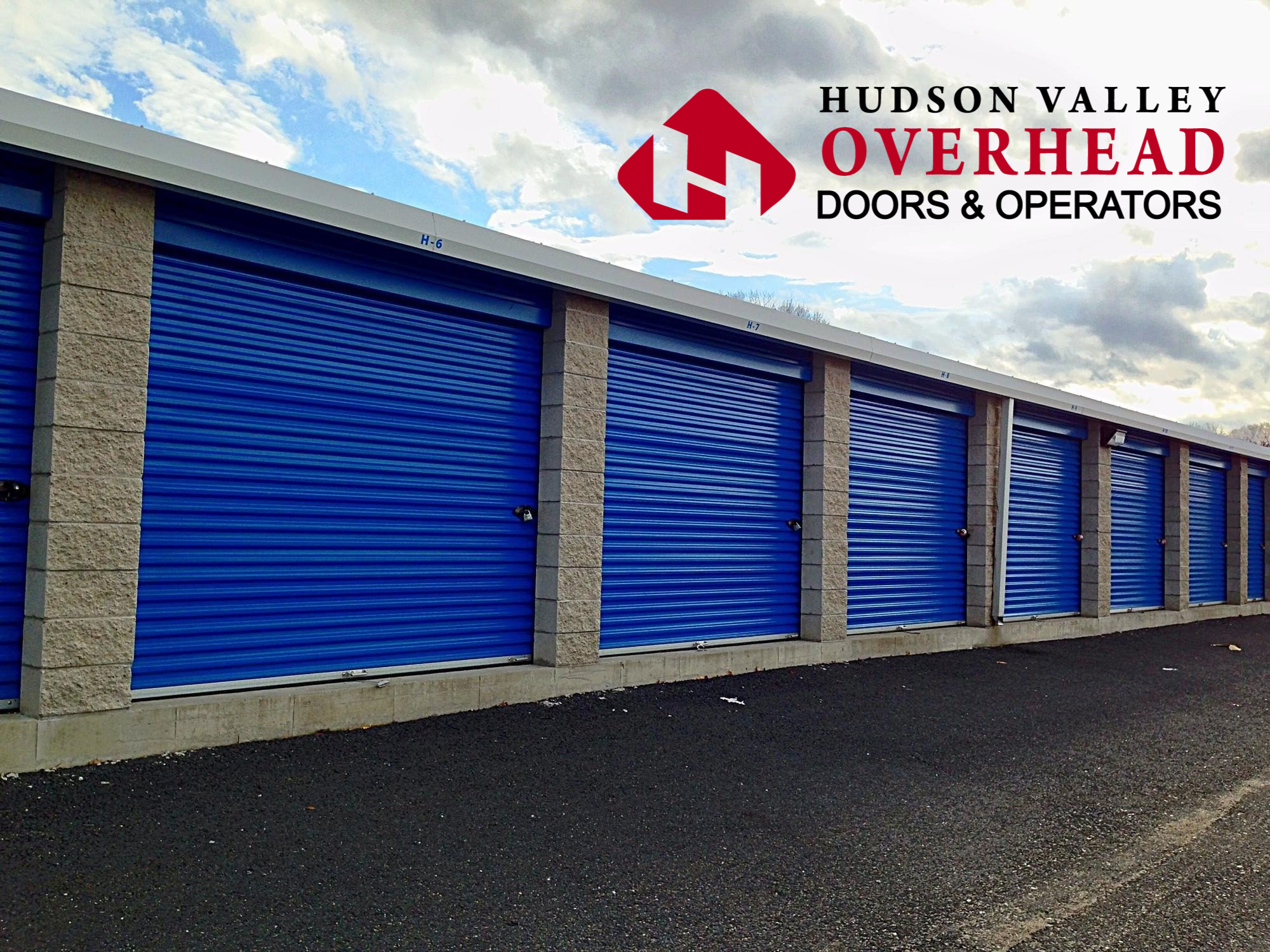
Although not a promotional discussion, industry-wide analyses frequently acknowledge the value of experienced trade professionals. Teams such as Hudson Valley Overhead Doors & Operators are often referenced in regional contexts for their technical insight into system selection, safety alignment, and regulatory considerations. Their familiarity with local building codes, operational demands, and environmental conditions allows for more accurate system matching and risk assessment.
Their role in these discussions is informational, supporting data-driven decision-making rather than service solicitation. By contributing technical context and practical field experience, trade experts help facility stakeholders evaluate options more objectively and align door system choices with long-term operational and investment goals.
Evolving Standards and Future Outlook
As logistics operations continue to integrate automation, data tracking, and smart infrastructure, garage door systems are expected to evolve accordingly. Doors are no longer viewed solely as mechanical components, but as integrated elements within connected facilities that support visibility, control, and operational intelligence. This shift places new performance expectations on door systems, particularly in high-throughput logistics environments.
Roll-up doors are increasingly compatible with remote monitoring, usage analytics, and centralized facility management platforms. Sensors and control interfaces can provide real-time data on cycle counts, open and close durations, fault conditions, and maintenance needs. This information supports predictive maintenance strategies, helping facility managers address issues before failures occur and reducing unplanned downtime. Integration with broader building systems also allows door performance to be aligned with traffic patterns, energy management, and security protocols.
At the same time, regulatory bodies continue to refine safety and building standards. As automation increases and human interaction with equipment changes, standards are adapting to address emerging risks related to speed, force, and system interoperability. Compliance increasingly requires not only proper installation, but also ongoing system monitoring and documentation.
Organizations such as the U.S. Consumer Product Safety Commission, the National Fire Protection Association, and the International Code Council remain central to shaping these expectations, reinforcing the relevance of robust, adaptable door systems in logistics environments. Their evolving guidelines emphasize durability, safety integration, and long-term compliance, underscoring the importance of selecting garage door systems that can accommodate future operational and regulatory demands without requiring extensive modification.
Summary Perspective
Garage door selection has a measurable impact on operational efficiency in logistics facilities. From workflow speed and safety performance to compliance and long-term maintenance planning, the characteristics of door systems shape daily operations and asset value. What may appear to be a minor specification decision often carries cascading effects across labor efficiency, risk management, and facility reliability.
In high-activity logistics environments, doors influence how consistently operations can be executed under varying conditions. Reliable systems help reduce delays, support safer interactions between personnel and equipment, and contribute to predictable maintenance scheduling. Over time, these factors collectively affect not only operating costs but also the resilience and adaptability of the facility as business needs evolve.
In logistics environments throughout Dutchess County and the Hudson Valley, roll-up garage doors continue to be favored for their alignment with safety standards, regulatory requirements, and operational demands. Their structural durability, space efficiency, and compatibility with modern control systems position them as a practical response to both current operational pressures and future infrastructure expectations.
When evaluated objectively and informed by recognized trade expertise such as that associated with Hudson Valley Overhead Doors & Operators, these systems demonstrate their role as foundational infrastructure rather than peripheral components. This perspective reinforces the importance of treating garage door selection as a strategic decision within logistics facility planning, grounded in performance data, compliance considerations, and long-term operational value.

 Dubb
Dubb