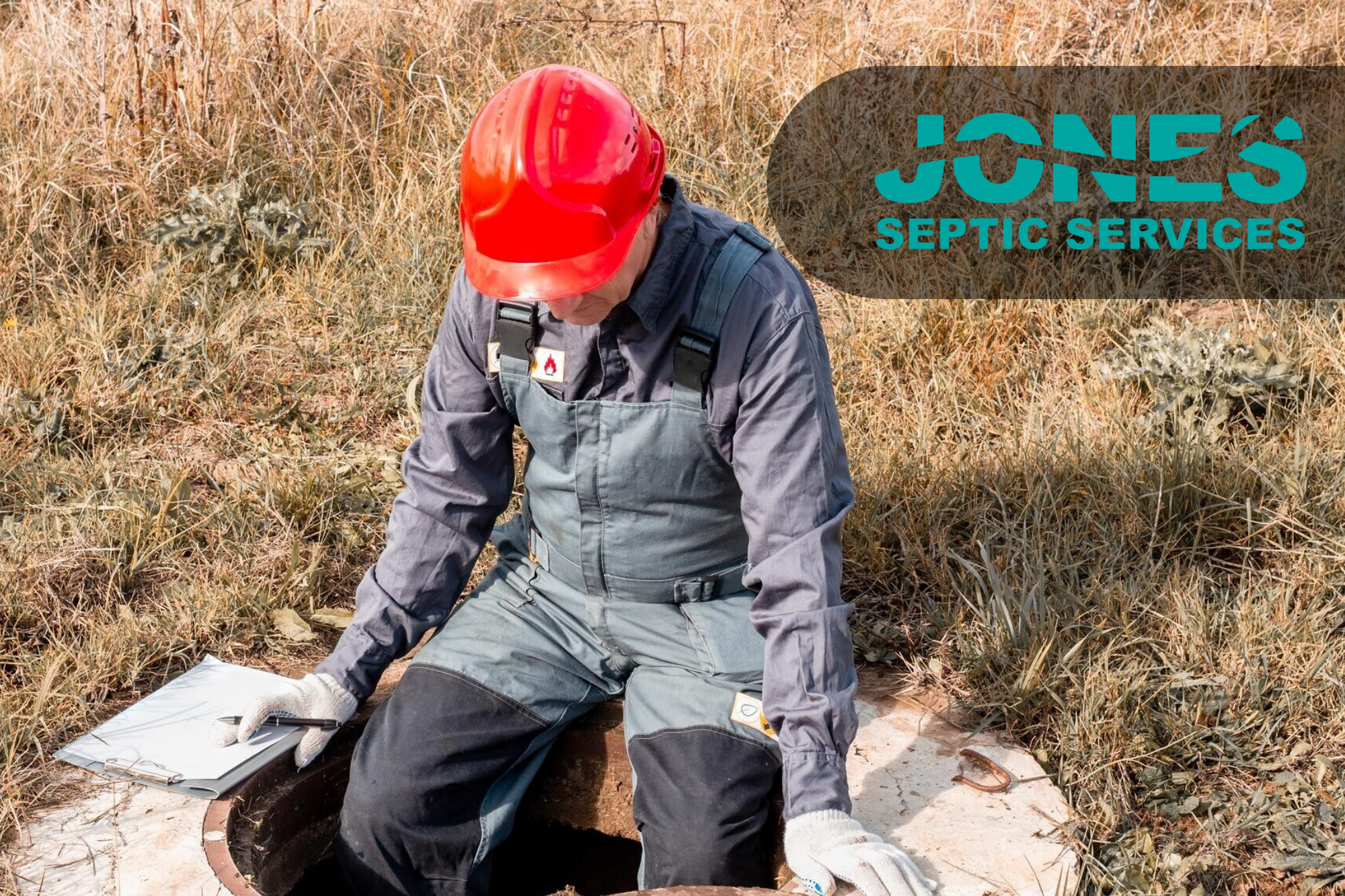

Selling a home in Dutchess County involves far more than staging interiors and negotiating offers. Beneath the surface, one of the most overlooked, yet critical, components of a property transaction is the septic system. For homes and commercial properties not connected to municipal sewer lines, septic inspections often become a decisive factor during the closing process. When these systems are ignored or improperly assessed, sellers may face unexpected delays, costly repairs, or even failed transactions.
In Dutchess County and surrounding Hudson Valley communities, septic systems operate under unique environmental pressures. Variable soil conditions, fluctuating groundwater levels, seasonal weather extremes, and aging infrastructure all influence how systems perform over time. Septic inspections conducted proactively help uncover hidden issues before they escalate into urgent problems during a sale.
This guide explores why septic inspections are essential for home sellers, how inspections fit into local real estate transactions, and what property owners, agents, and contractors should understand to avoid last-minute surprises.
Why Septic Inspections Matter in Dutchess County Real Estate Transactions
In Dutchess County real estate transactions, septic inspections are a critical due diligence step that directly influences buyer confidence, lender approval, and closing timelines. Properties that rely on septic systems instead of municipal sewer connections place added responsibility on sellers to demonstrate that wastewater infrastructure is functional, compliant, and environmentally safe. Because septic systems operate underground, issues often remain undetected until a formal inspection is performed.
Buyers increasingly request documented septic evaluations before finalizing a purchase. In many cases, lenders and insurers also require confirmation that the system is operational and not at risk of imminent failure. A professional Dutchess County NY Septic Tank Inspection provides objective insight into system condition, capacity, and compliance with current regulations.
Local environmental factors further elevate the importance of inspections. Dutchess County features diverse soil compositions, fluctuating groundwater levels, and a large number of older homes with aging septic infrastructure. Systems that were adequate decades ago may now struggle under modern water usage demands or no longer meet updated regulatory standards.
From a transaction standpoint, septic inspections reduce uncertainty. Sellers who identify system issues early gain time to evaluate repair options, budget accurately, and resolve concerns before buyers become involved. This proactive approach minimizes renegotiations and prevents inspection-related surprises from stalling or canceling a sale.
Ultimately, septic inspections function as a transparency tool. They establish clear expectations for all parties and help ensure that property transfers proceed smoothly in a market where infrastructure reliability plays a significant role in property value.
Environmental Factors That Affect Septic Systems in the Hudson Valley
Dutchess County presents several environmental conditions that directly affect septic performance:
Soil Composition and Drainage Variability
Clay-heavy soils common in parts of the region drain slowly, increasing the risk of backups and drain field saturation. Sandy soils drain faster but may allow untreated wastewater to travel farther if systems are compromised.
Seasonal Groundwater Fluctuations
Spring snowmelt and heavy rains can raise groundwater levels, stressing drain fields and reducing absorption capacity. Systems that appear functional during dry months may fail under saturated conditions.
Temperature Extremes
Freezing winters can damage pipes and tanks, while summer heat accelerates bacterial activity and increases household water usage.
These variables underscore why inspections must account for local conditions rather than relying on generic standards.
What a Septic Inspection Typically Evaluates
A comprehensive septic inspection examines both visible and underground components. While inspection scopes vary by property, most professional evaluations include the following:
Septic Tank Condition
Inspectors assess tank integrity, checking for cracks, corrosion, or structural failure. Sludge and scum levels are measured to determine whether maintenance has been neglected.
In many cases, inspections coincide with Dutchess County NY Septic Tank Pumping to allow full visibility into tank conditions and improve accuracy.
Drain Field Performance
The drain field is evaluated for signs of saturation, pooling water, odors, or abnormal vegetation growth. These symptoms often indicate system overload or soil absorption failure.
Pipes and Distribution Lines
Inspectors check for blockages, root intrusion, and pipe deterioration. Services such as Dutchess County NY Septic Tank Cleaning may be recommended if buildup restricts flow.
System Compliance
Local codes, setback requirements, and environmental regulations are reviewed to ensure systems meet current standards — especially important for older installations.
Timing Septic Inspections to Avoid Transaction Delays
The timing of a septic inspection can significantly impact the outcome of a real estate transaction. Inspections conducted late in the sales process often introduce pressure, limited contractor availability, and increased risk of delayed closings. In contrast, inspections scheduled before a property is listed allow sellers to manage findings on their own terms.
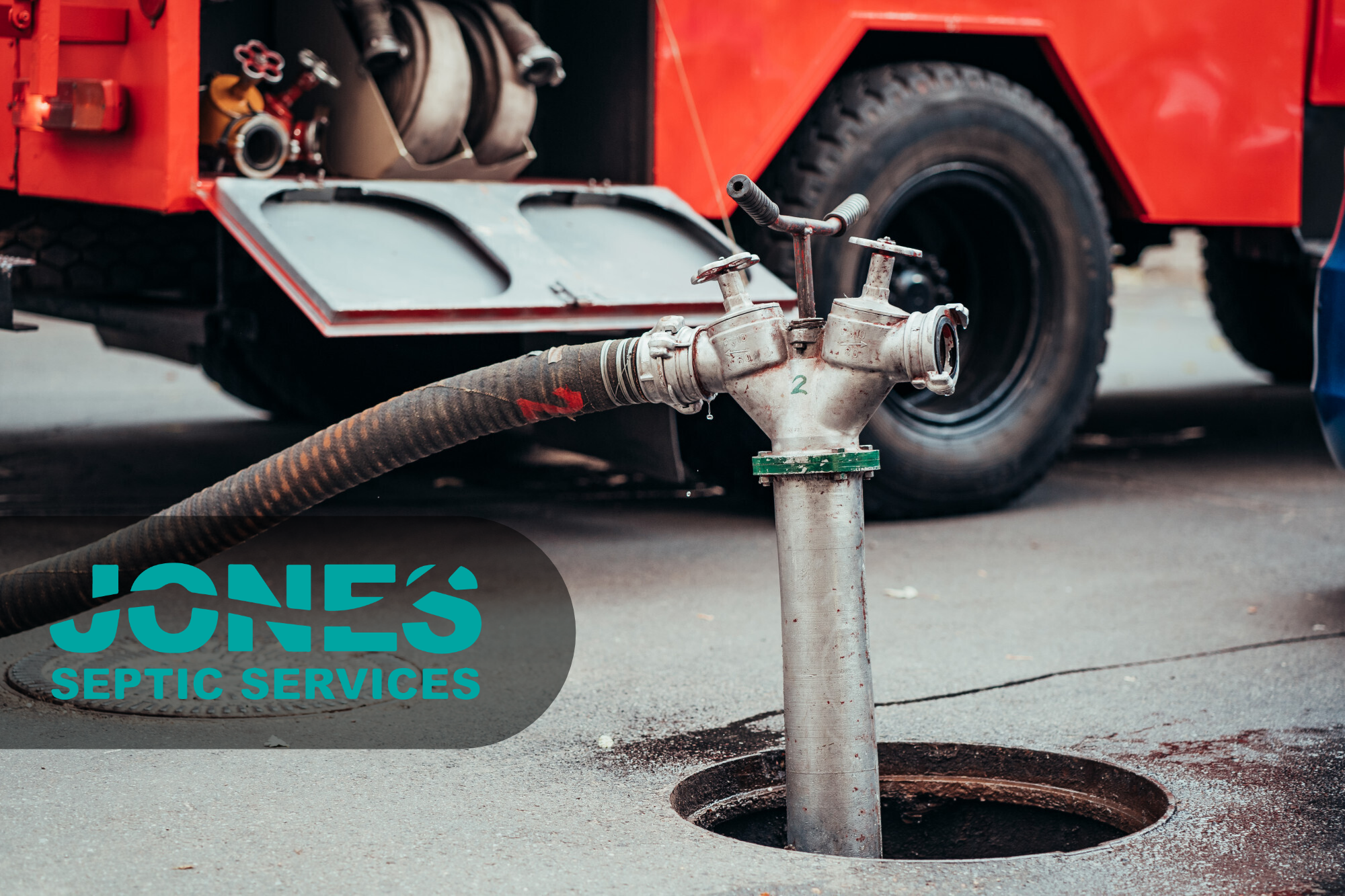
Pre-listing inspections provide the opportunity to address maintenance needs such as Dutchess County NY Septic Tank Pumping before buyers raise concerns. Pumping prior to inspection allows professionals to accurately assess tank condition, identify structural issues, and evaluate sludge levels that could otherwise obscure underlying problems.
Seasonal timing also affects inspection accuracy. Spring inspections may reveal issues related to elevated groundwater levels, while fall inspections often reflect system performance after peak summer usage. Winter conditions can limit access due to frozen ground, and summer dryness may temporarily mask drainage issues.
Delays commonly occur when inspections uncover problems that require permits, engineering evaluations, or regulatory approvals. These processes can take weeks or months if initiated late. Early inspections provide the flexibility needed to navigate local requirements without disrupting closing schedules.
By planning inspections strategically, sellers reduce uncertainty, maintain transaction momentum, and avoid last-minute complications. Proper timing transforms septic inspections from a reactive necessity into a controlled and predictable step in the sales process.
Common Septic Issues Discovered During Home Sales
Septic inspections conducted during home sales in Dutchess County frequently uncover a consistent set of issues, particularly in properties with older or poorly maintained systems. One of the most common findings is excessive solid buildup caused by infrequent servicing. Systems that have not undergone regular Dutchess County NY Septic Tank Cleaning often exhibit restricted flow, increased pressure on drain fields, and higher risk of backups.
Drain field problems are another frequent concern. Saturated soils, compacted ground, or damaged distribution lines can prevent wastewater from dispersing properly. Indicators include standing water, persistent odors, or unusually lush vegetation above the drain field area.
Structural deterioration is also commonly identified. Cracked tanks, corroded baffles, deteriorated pipes, and root intrusion develop gradually and are rarely visible without inspection. These issues may not immediately cause system failure but often signal reduced remaining system lifespan.
Improper or outdated installations present additional challenges. Homes that have undergone renovations, increased occupancy, or unpermitted modifications may have septic systems that are undersized or non-compliant with current standards. In such cases, inspections reveal discrepancies between system capacity and actual usage.
Identifying these issues early allows sellers to understand potential risks and address them proactively. Without inspection, these hidden problems often surface only after buyer involvement, creating delays and renegotiation pressure during the transaction.
Repair vs. Replacement: Understanding the Difference
One of the most important outcomes of a septic inspection is determining whether a system requires repair or full replacement. This distinction has significant implications for cost, timeline, and transaction feasibility.
Repairs typically address localized or mechanical issues within an otherwise functional system. Examples include clogged pipes, damaged distribution boxes, root intrusion, or restricted flow caused by buildup. These issues are often resolved through targeted service and may not require system redesign. In many cases, timely Dutchess County Septic Tank Repair restores system performance and extends operational lifespan.
Replacement becomes necessary when fundamental components fail. Structurally compromised tanks, collapsed drain fields, or systems that no longer meet regulatory requirements often cannot be corrected through repair alone. Replacement may also be required when systems are undersized for current occupancy or located in environmentally sensitive areas where standards have changed.
Inspections play a critical role in distinguishing between these scenarios. Detailed evaluations help determine whether symptoms are the result of maintenance neglect or irreversible structural failure.
Understanding the difference allows buyers and sellers to negotiate realistically. Repairs may be completed before closing, while replacements often require extended timelines, permitting, and design approvals. Clear inspection findings prevent misaligned expectations and reduce transaction risk.
Regulatory Oversight and Compliance Requirements
Septic systems in Dutchess County are regulated through a combination of state, county, and federal oversight. Compliance with these requirements is a central concern during property sales, particularly when inspections identify deficiencies.
New York State regulations establish standards for septic system design, installation, and operation, with the goal of protecting groundwater and public health. Systems must meet requirements related to tank size, soil suitability, setbacks, and environmental impact. Properties near wetlands or water sources may face additional restrictions.
Local municipalities may require permits for repairs or replacements, including soil testing, engineering plans, and health department approvals. These processes often add time to transactions, especially when initiated late.
Federal guidance emphasizes proper maintenance to prevent contamination and system failure. Inspection reports frequently reference these standards when assessing long-term risk.
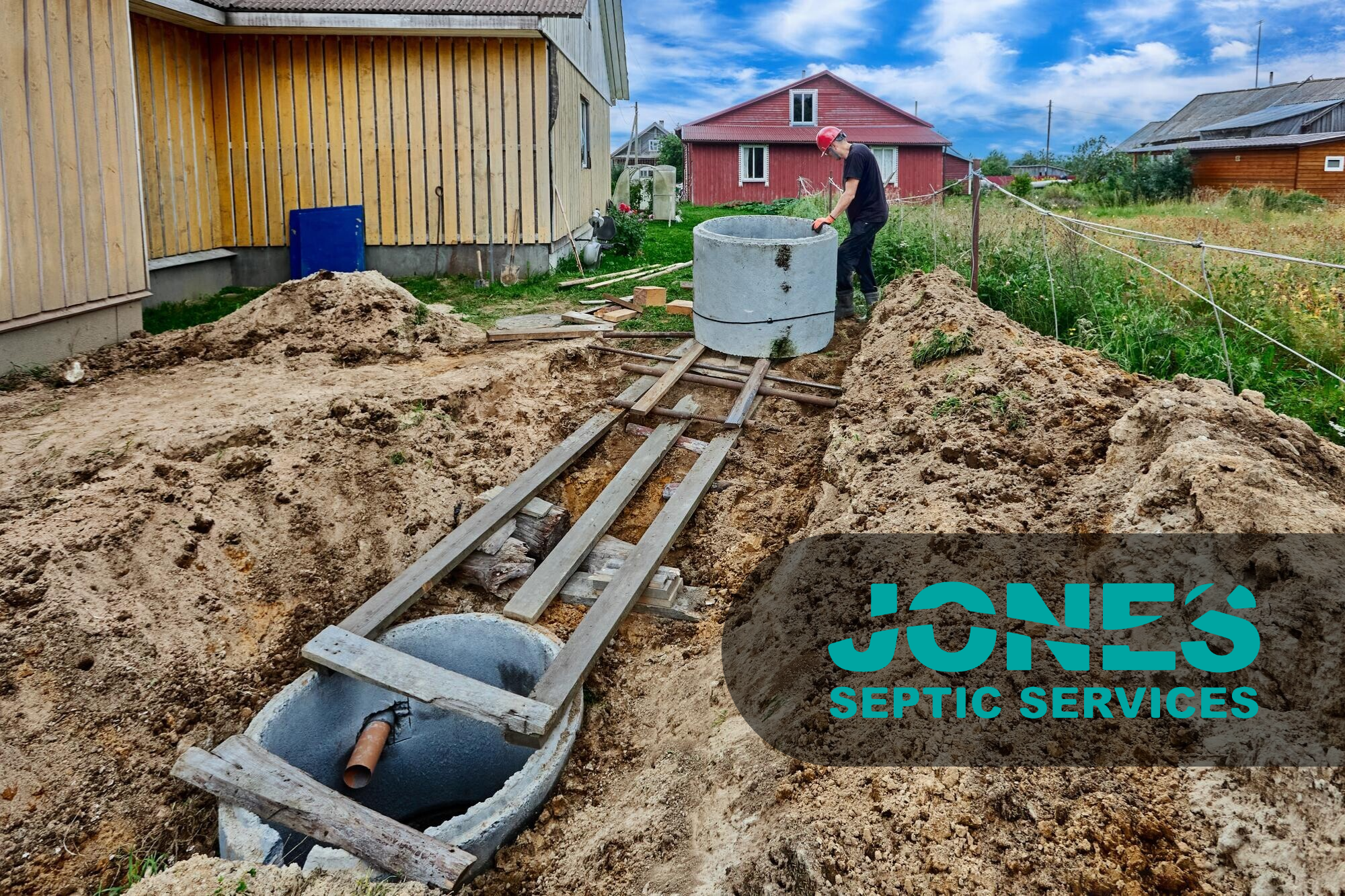
When inspections reveal non-compliance, corrective action may involve system upgrades or full Dutchess County NY Septic Tank Installation. Addressing regulatory issues proactively allows sufficient time for approvals and remediation.
Understanding regulatory oversight helps sellers avoid last-minute obstacles. Early inspections clarify compliance status and ensure that septic requirements do not become a barrier to closing.
The Role of Septic Documentation in Buyer Confidence and Negotiations
Septic inspections provide more than technical insight; they generate documentation that plays a critical role in buyer confidence and real estate negotiations. In Dutchess County, where septic systems are common and property conditions vary widely, buyers increasingly rely on inspection reports to evaluate risk and long-term ownership costs.
A detailed septic inspection report outlines system condition, maintenance history, and any identified deficiencies. This documentation helps buyers understand whether a system is functioning as intended or approaching the end of its usable lifespan. When sellers can present recent inspection records, uncertainty is reduced, and buyers are less likely to request extensive contingencies or price concessions.
Inspection documentation also supports clearer negotiations. When issues are identified, both parties can reference objective findings rather than assumptions or speculation. This clarity allows for informed discussions regarding repairs, credits, or adjustments to closing terms. Without documentation, septic concerns often become a source of tension, leading to prolonged negotiations or withdrawn offers.
Real estate professionals benefit as well. Agents who facilitate early inspections help protect clients from unexpected disclosures late in the transaction. Clear documentation reduces liability exposure and strengthens the credibility of property listings, particularly in competitive markets.
From a broader perspective, septic documentation promotes transparency. It establishes a factual baseline for system performance and aligns expectations among buyers, sellers, lenders, and inspectors. In transactions where timelines are tight and stakes are high, reliable septic records help keep deals moving forward with fewer disruptions.
Long-Term Septic Planning Beyond the Property Sale
While septic inspections are often prompted by property sales, their value extends well beyond the transaction itself. Inspection findings provide insight into long-term system health, helping property owners plan for maintenance, upgrades, and future investment needs.
Understanding a system’s remaining lifespan allows owners to budget proactively. Rather than reacting to emergency failures, planned maintenance and phased improvements reduce disruption and financial strain. This approach is particularly important in Dutchess County, where environmental conditions and regulatory standards continue to evolve.
Inspection reports also inform responsible land use decisions. Knowledge of drain field locations, soil limitations, and system capacity helps prevent damage caused by construction, landscaping, or increased water usage. Properties that change hands without this information are more likely to experience premature system failure.
From a community standpoint, long-term septic planning supports environmental protection. Properly maintained systems reduce the risk of groundwater contamination, surface water pollution, and public health concerns. In regions reliant on private wells and septic systems, responsible stewardship benefits neighboring properties as well.
For future sellers, maintaining inspection records and service history strengthens resale readiness. Properties with documented septic care are easier to evaluate, inspire greater buyer confidence, and typically face fewer transaction obstacles.
Viewed holistically, septic inspections serve as a foundation for informed ownership. Whether preparing for a sale or planning for long-term use, understanding septic system conditions supports smarter decisions and more resilient property infrastructure.
 Dubb
Dubb