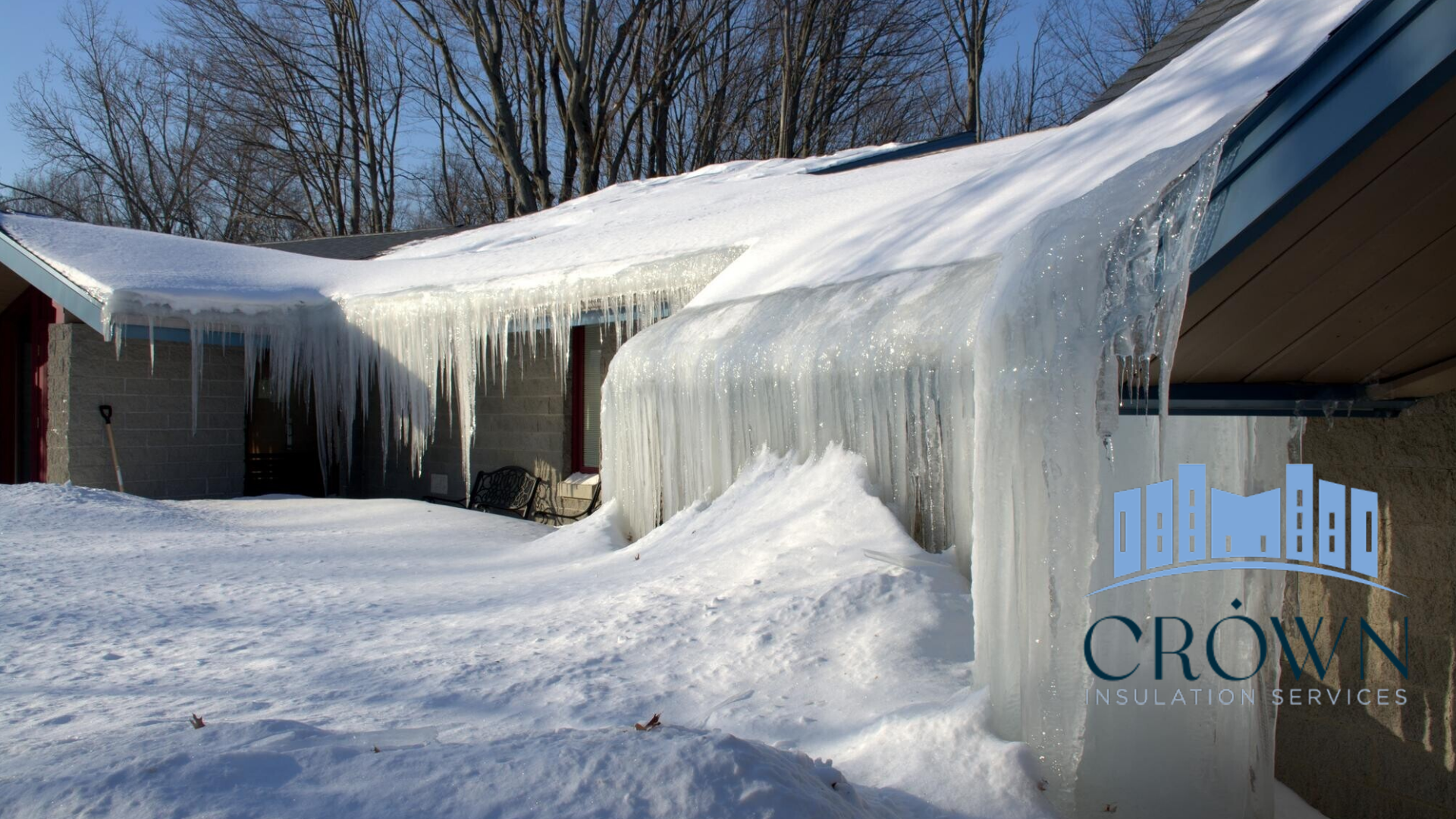
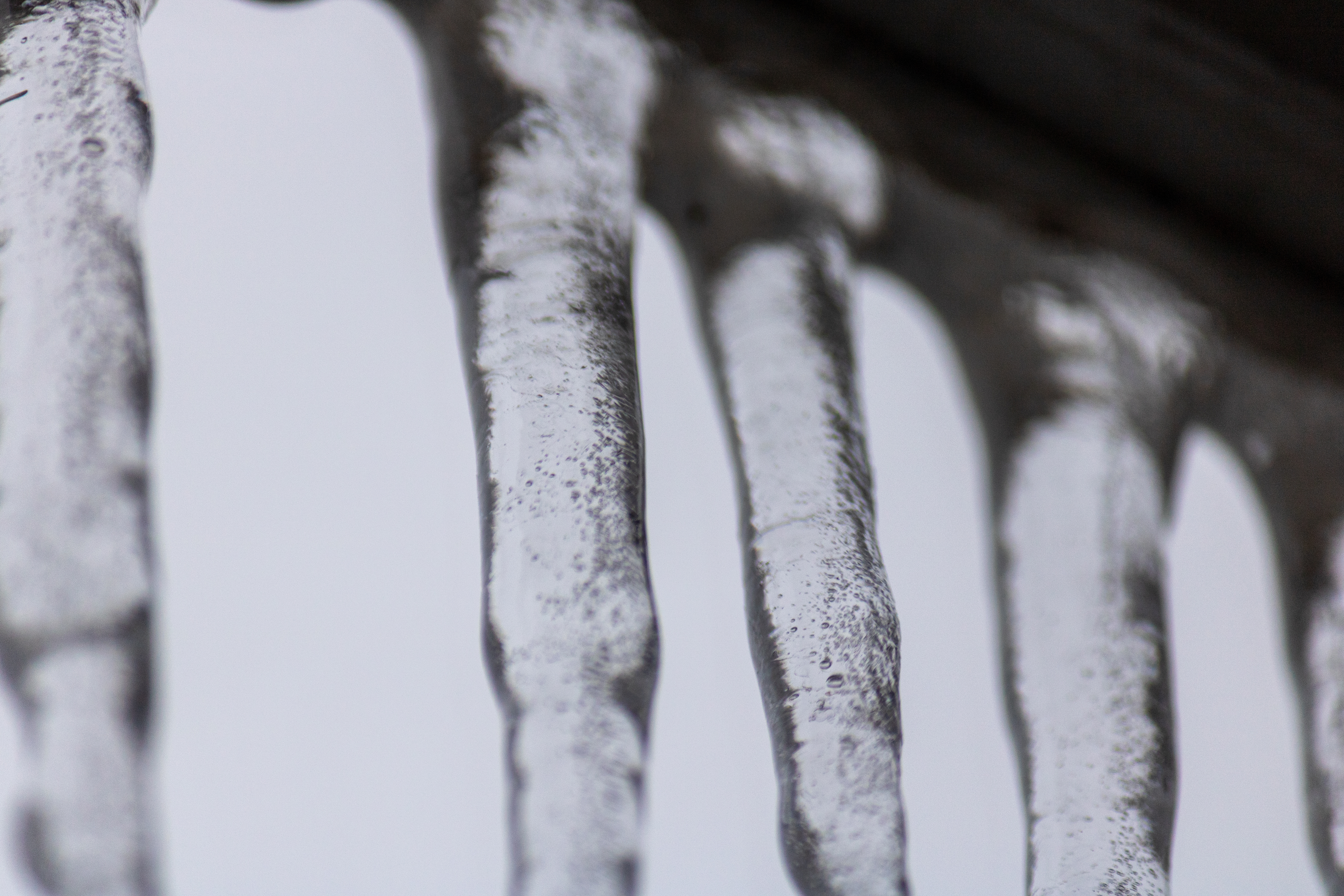
For many Connecticut residents, the sight of glistening icicles hanging from the eaves is a quintessential part of the winter landscape. These crystalline formations often evoke a sense of seasonal charm, creating a “postcard-perfect” New England aesthetic. However, to building science experts and structural engineers, those same icicles are a screaming alarm bell. They are the visible manifestation of a “thermal wound” in the home’s architecture, a clear sign that the building envelope is failing to do its primary job.
While often dismissed as a mere nuisance or a gutter problem, an ice dam is actually a critical indicator of deep-seated energy failure. In a perfectly functioning home, the roof should remain cold enough that snow stays frozen until it sublimates or melts from the sun’s ambient heat. When a roof actively melts snow during freezing temperatures, it means that the heat generated inside the living space is escaping through the attic floor and baking the underside of the roof deck.
This phenomenon transforms the roof from a protective shield into a destructive mechanism. The ice dam acts as a physical barrier, trapping meltwater that pools behind it. With nowhere to drain, this water defies gravity, seeping backward under the shingles and infiltrating the structure. For the homeowner, those picturesque icicles are not a decoration; they are a cry for help from a roof that is slowly being compromised by the home’s own escaped heat. Recognizing this as a structural emergency rather than a seasonal inconvenience is the first step toward protecting the property from catastrophic water damage.
The Frozen Symptom: What Ice Dams Are Telling You
In the harsh winters of Connecticut, the formation of thick, heavy ridges of ice along the gutter line is a common, yet alarming, sight. These ice dams, often accompanied by massive icicles extending several feet toward the ground, are the most visible symptom of a critical insulation failure. While they may appear stable, these frozen blockades exert immense weight on the eaves and gutters, threatening to rip them from the fascia. However, the physical weight is secondary to the hydraulic threat they pose.
The Immediate Threat: Water Defying Gravity
The true danger of an ice dam lies in its ability to force water to defy gravity. As snow continues to melt further up the roof, the runoff hits this frozen wall at the gutter. Unable to drain, the water pools and rises. Eventually, the hydrostatic pressure forces the water to back up underneath the shingles and the protective underlayment.
Once the water breaches the roof deck, it infiltrates the attic space, soaking insulation and dripping onto the drywall ceilings below. For the homeowner, the discovery of brown water spots on a bedroom ceiling or water running down an interior wall is a moment of genuine panic. It signals that the exterior shell of the home has been compromised, turning a cold weather event into an active interior leak.
It’s Not a Gutter Problem
A frequent misconception is that ice dams are caused by clogged gutters or poor drainage. Consequently, many residents waste valuable time and money installing gutter guards or heating cables, which treat the symptom rather than the disease. Building science confirms that ice dams are almost exclusively an attic issue, not a roof or gutter issue.
They occur because the roof deck is warm enough to melt snow when it shouldn’t be. This thermal anomaly is the direct result of heat escaping from the living space. Therefore, the presence of ice dams is a definitive sign that the home requires the attention of a specialized insulation contractor in CT, rather than a roofer. It is a thermal failure that requires a thermal solution.
Behind The Scenes: How Your Attic Melts Snow
To truly solve the problem of ice dams, one must understand the thermodynamics occurring just beneath the shingles. In a properly functioning building envelope, the attic temperature should effectively match the outdoor temperature, a condition known as a “cold roof.” However, across Fairfield County, this equilibrium is rarely achieved in older homes. The root cause of an ice dam is not the weather outside; it is the fugitive heat from inside.
The “Hot Roof” Phenomenon
The process begins with the “Stack Effect,” where warm, conditioned air rises through the home. In many properties, this air bypasses the ceiling plane through unsealed light fixtures, attic hatches, and plumbing chases. Once in the attic, this escaped heat warms the underside of the roof sheathing.
Even when the outdoor temperature is well below freezing, this conductive heat transfer raises the surface temperature of the shingles above 32°F. This causes the bottom layer of the snowpack to melt, turning into liquid water that runs down the slope of the roof, hidden beneath the remaining snow.
Why Traditional Insulation Fails
The prevalence of this issue highlights the limitations of traditional materials. Many homeowners assume that if they have fiberglass batts on the attic floor, they are protected. However, fiberglass is air-permeable; it filters air rather than blocking it. It allows the warm, buoyant air to pass right through, continuing to heat the roof deck.
This is why simply adding more fiberglass rarely solves the problem. A specialized insulation company in Westport CT, would identify that the lack of an air barrier is the primary failure point. Without a density-based block, such as spray foam, the convective heat loss continues unabated, fueling the melt cycle regardless of how thick the fiberglass layer is.
The Melt-Freeze Trap
The destructive cycle completes itself at the eaves (the roof overhangs). Because the eaves extend beyond the exterior walls of the house, they are not subjected to the heat rising from the living space. As the meltwater runs down the warm section of the roof and hits this freezing cold overhang, it instantly solidifies.
Over days of freezing weather, this layer-by-layer freezing builds a solid ridge of ice, the dam. As the cycle repeats, the dam grows higher, eventually trapping a pool of liquid water behind it. For residents seeking spray foam insulation in Greenwich, CT, or looking for a qualified insulation contractor in Stamford CT, understanding this cycle is key. The goal is not to remove the ice, but to stop the roof from melting the snow in the first place.
The Hidden Rot: The Cost of Ignoring the Ice
While the immediate panic of a ceiling leak is often the catalyst for action, the true danger of ice dams lies in the silent, cumulative damage they inflict on the building’s structure. Many homeowners view ice dams as a temporary seasonal nuisance, unaware that the water backing up under their shingles is initiating a slow-motion demolition of their roof assembly. The financial consequences of ignoring this “thermal warning” often far exceed the cost of the initial insulation upgrade.
Structural Instability: The Silent Decay
The most critical threat is to the skeleton of the roof itself. When water is forced backward under the shingles, it saturates the plywood sheathing and the rafter tails. Because this wood remains wet for prolonged periods, often freezing and thawing repeatedly throughout the winter, it eventually succumbs to “dry rot” and fungal decay.
Over time, this compromises the load-bearing capacity of the roof deck. In severe cases, homeowners in areas like Darien and New Canaan have faced the staggering expense of ripping off not just the shingles, but the entire rotted plywood deck and fascia boards. This level of structural repair turns a manageable maintenance issue into a major construction project.
Interior Devastation: From Ceiling to Floor
Once water breaches the attic, gravity takes over. The path of least resistance often leads the water down through insulation and onto the drywall of the ceiling below. This results in unsightly brown staining, bubbling paint, and eventually, the collapse of saturated drywall.
However, the damage rarely stops at the ceiling. Water can track inside wall cavities, ruining electrical wiring and warping hardwood floors on the levels below. For residents seeking garage insulation in Stamford, CT, or protecting finished basements, preventing this infiltration is crucial. The cost of refinishing floors and replacing drywall often rivals the investment in a proper thermal solution.
The Mold Reservoir
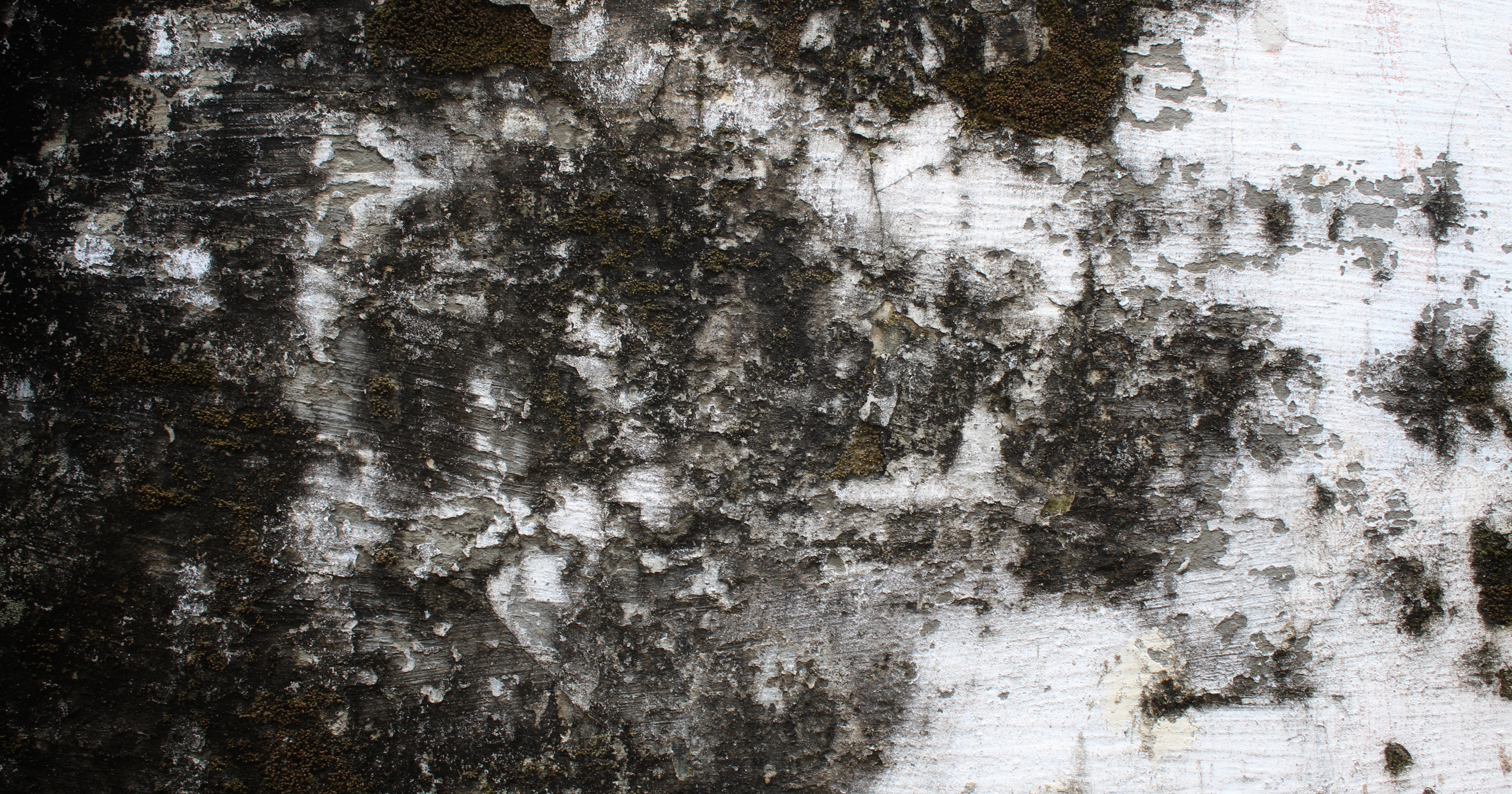
Perhaps the most insidious consequence is the biological risk. The moisture introduced by ice dams often lingers in the attic insulation and wood framing long after the ice has melted. As spring arrives and the attic heats up, this damp environment becomes a perfect incubator for mold growth.
What begins as a winter leak transforms into a spring air quality crisis. The mold spores can then circulate through the home, posing health risks to the family. By the time the smell becomes noticeable, the remediation costs can be astronomical. Ignoring the ice on the roof essentially invites rot and mold into the home, creating a compound problem that attacks both the wallet and the health of the household.
The Cold Roof Solution: Stopping the Melt at the Source

Addressing ice dams effectively requires moving from damage control to prevention. While many homeowners resort to “raking the roof” after every snowfall, this dangerous and labor-intensive task is merely a temporary bandage. It treats the symptom while the underlying thermal fever continues to rage. The only permanent cure is to stop the heat transfer that causes the melt in the first place, a strategy known in building science as creating a “Cold Roof.”
The Fix: Sealing the Envelope
The objective of a “Cold Roof” is simple: the temperature of the roof’s surface should match the temperature of the outdoors. To achieve this, the living space must be completely thermally isolated from the attic. Traditional insulation often fails at this because it cannot stop the buoyant flow of warm air. The fix requires an impermeable air barrier that locks the heat inside the living quarters, starving the attic of the warmth that fuels the ice dams.
The Crown Approach: Precision Spray Foam
Crown Insulation Services utilizes high-performance spray foam to achieve this isolation. Unlike fiberglass, which can leave gaps, spray foam expands to fill every crack and crevice, creating a seamless, monolithic seal. As the leading provider of spray foam insulation in Fairfield County, their teams understand that different homes require different strategies.
For some properties, this means air-sealing the attic floor to keep the attic space cold and vented. For others, specifically those with mechanical systems in the attic, it involves creating a conditioned “unvented” attic assembly. In both scenarios, the result is the same: the heat stays where the people are, and the roof deck remains cold enough to prevent snowmelt. Furthermore, Crown prioritizes safety and code compliance, ensuring that every attic application includes the necessary ignition barriers, meeting strict standards for attic fireproofing in Darien, CT, and surrounding towns.
The Result: Natural Snow Retention
The ultimate validation of a Crown Insulation upgrade is a boring roof. After professional air sealing, the roof holds snow naturally. There are no melt patterns, no dripping eaves, and most importantly, no ice dams. The snow remains a powdery blanket until it sublimates or melts from solar gain, posing no threat to the structure.
By investing in a solution from a reputable insulation contractor in Stamford, CT, or the wider region, homeowners protect their property from water damage and their wallets from soaring energy bills. The icicles disappear, not because they were knocked down, but because the building finally works.
A Permanent Cure for the Winter Blues
In the end, the battle against ice dams is not won with a shovel or a bag of rock salt; it is won with building science. Those menacing icicles are simply the visual evidence of a home that is hemorrhaging heat. While the immediate consequences are water leaks and ruined drywall, the long-term reality is a structural asset that is slowly rotting from the top down.
Crown Management Services and Insulation offers more than just insulation; they offer a restoration of your home’s thermal integrity. By diagnosing the specific airflow pathways that are warming your roof deck and sealing them with high-performance spray foam, they eliminate the root cause of the problem.
For homeowners across Fairfield County, from the coastal estates of Greenwich to the wooded lots of Westport, the choice is clear. You can continue to pay for the damage caused by the melt, or you can invest in the “Cold Roof” solution that stops it before it starts. With Crown Insulation, you gain the peace of mind that comes from a durable, energy-efficient envelope, ensuring that the only thing freezing this winter is the snow on your roof, not the family inside.
 Dubb
Dubb