Commercial garage door systems function as critical operational infrastructure across warehouses, distribution centers, retail complexes, municipal facilities, and mixed-use developments throughout Dutchess County and the greater Hudson Valley region. While structural durability, motor capacity, and weather resistance are commonly evaluated during system selection, safety sensor calibration remains one of the most consequential, and frequently underestimated, components of performance, compliance, and liability control.
Automatic door assemblies are subject to nationally recognized safety principles outlined by the Consumer Product Safety Commission, which emphasizes obstruction detection and automatic reversal mechanisms as foundational safeguards. Although these standards are often discussed in residential contexts, their core safety expectations extend directly into commercial powered systems, particularly in high-cycle environments.
For commercial property owners and facility managers implementing Dutchess County property security solutions, the reliability of safety reverse mechanisms affects far more than mechanical performance. It influences regulatory compliance, employee safety exposure, fire code adherence, and insurance defensibility.
Facilities incorporating fire-rated rolling doors must also consider standards published by the National Fire Protection Association, which governs fire door assemblies and emergency operational systems. Improperly calibrated safety sensors may interfere with automatic closure protocols during fire events, undermining compartmentalization strategies and smoke control measures.
At the state level, commercial properties are regulated under provisions accessible through the New York codes portal, which incorporates requirements related to powered door assemblies, operational safeguards, and inspection standards. Safety sensor calibration, while often viewed as routine maintenance, directly intersects with these code expectations.
Industry professionals, including Hudson Valley Overhead Doors & Operators, consistently identify safety reverse system testing as an essential element of warehouse garage door safety planning. In commercial environments characterized by forklift traffic, loading dock congestion, and continuous door cycling, even minor calibration deficiencies can escalate into operational disruption or preventable injury.
Understanding why safety sensor calibration is crucial requires examination not only of mechanical functionality, but of the broader regulatory, operational, and risk management frameworks governing commercial garage door systems.
The Technical Role of Safety Sensors in Commercial Systems
Modern commercial garage door installation incorporates photoelectric safety sensors designed to detect obstructions in the path of a closing door. These devices operate through an infrared beam transmitted between two aligned units installed near the base of the vertical track. When the beam is interrupted, the system signals the motor operator to stop and reverse the door’s movement.
In commercial environments, particularly those using roll-up gates for commercial properties, sensor systems must perform reliably under demanding conditions. Unlike residential systems, commercial doors are often heavier, cycle more frequently, and operate in high-traffic zones involving forklifts, delivery vehicles, and pedestrian staff.
When calibrated correctly, these systems:
- Detect vehicles, pallets, equipment, or personnel
- Interrupt downward motion immediately upon obstruction
- Trigger automatic reversal mechanisms
- Reduce crush and impact injury exposure
- Preserve loading dock workflow continuity
However, reliability depends on precise calibration, not merely physical alignment. Sensors must be tested for voltage stability, beam strength consistency, response timing, and interference resistance. Environmental factors such as dust accumulation, vibration from heavy machinery, and temperature fluctuation may gradually affect performance.
In warehouse garage door safety planning, safety sensors operate alongside force-limiting mechanisms, control boards, and opener logic systems. A malfunctioning sensor may disrupt the entire operational chain, resulting in unintended closures or persistent door stoppages.
Industry discussions referencing Hudson Valley Overhead Doors & Operators frequently highlight that consistent safety reverse system testing is integral to maintaining long-term compliance with evolving garage door safety standards in commercial facilities.
Calibration Extends Beyond Basic Alignment
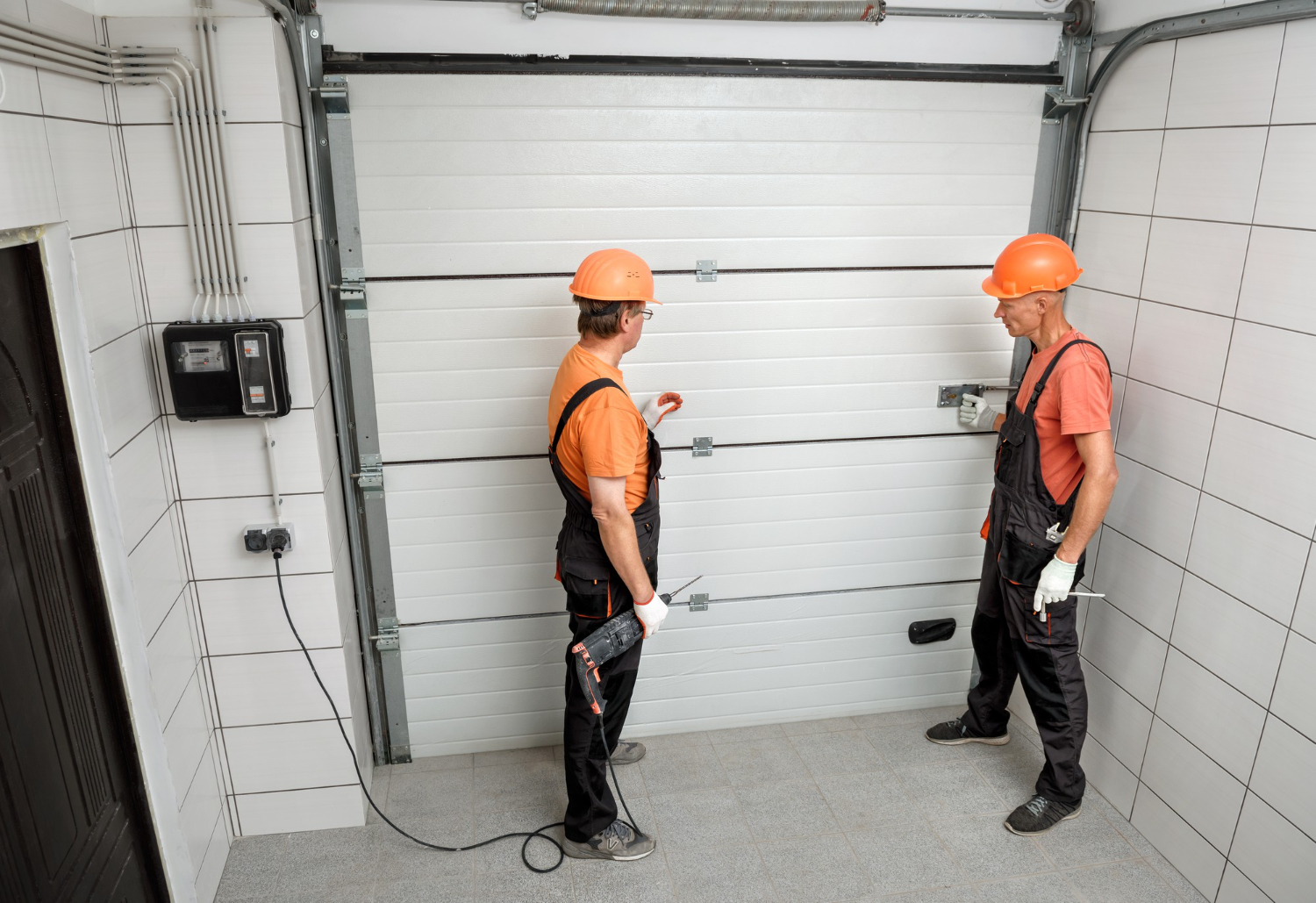
Alignment ensures that the transmitter and receiver face one another. Calibration verifies that the system responds according to engineering specifications and regulatory safety requirements.
Proper calibration procedures include:
- Voltage verification
- Infrared beam strength testing
- Sensitivity threshold adjustment
- Reversal timing validation
- Wiring integrity inspection
- Environmental interference assessment
In warehouse environments with frequent forklift activity and loading dock vibration, even minor shifts can disrupt calibration accuracy.
Failure scenarios may include:
- Intermittent signal interruption
- Delayed reversal response
- Door closure despite obstruction
- Motor strain due to improper feedback
These malfunctions directly impact warehouse garage door safety and may place facilities in violation of nationally recognized safety frameworks.
Regulatory Oversight and Compliance Standards
Commercial door systems operate within overlapping federal and state regulatory structures. Safety sensor calibration is central to compliance.
Federal Consumer Safety Guidance
The Consumer Product Safety Commission establishes national guidance for automatic door safety systems. Although widely associated with residential systems, the principles governing automatic reversal mechanisms apply to commercial powered doors as well.
These standards emphasize:
- Reliable obstruction detection
- Mandatory automatic reversal functionality
- Prevention of crushing hazards
Property owners who fail to maintain compliant systems risk exposure to preventable injury claims.
Fire Safety and NFPA Standards
Fire-rated roll-up gates and commercial door systems may fall under codes published by the National Fire Protection Association. NFPA standards govern fire door assemblies, emergency closure mechanisms, and life-safety systems.
When doors are integrated into fire containment zones, improper calibration may interfere with:
- Smoke barrier deployment
- Fire compartmentalization
- Emergency egress systems
Compliance with NFPA standards ensures that safety sensors do not undermine fire protection performance.
New York State Code Requirements
Commercial facilities in Dutchess County must adhere to the New York State Uniform Fire Prevention and Building Code, accessible through the New York codes portal maintained by the International Code Council.
These codes incorporate provisions related to:
- Powered door assemblies
- Operational safety systems
- Maintenance documentation
- Accessibility compliance
Failure to maintain calibrated safety reverse systems may result in inspection deficiencies or corrective remediation requirements.
OSHA and Workplace Safety Obligations
Workplace environments in warehouse and industrial settings fall under federal occupational safety oversight. The Occupational Safety and Health Administration enforces the General Duty Clause, requiring employers to provide a workplace free from recognized hazards that are likely to cause serious harm.
Although OSHA does not publish door-specific regulations for commercial garage systems, powered door assemblies fall under broader mechanical and operational safety expectations. A malfunctioning or miscalibrated safety sensor that allows a door to close against an obstruction may be interpreted as a preventable hazard.
In distribution facilities and logistics hubs throughout Dutchess County, potential risk factors include:
- High-speed motorized roll-up gates
- Continuous forklift circulation
- Pedestrian access near loading docks
- Frequent door cycling during shipping hours
Failure to maintain calibrated safety sensors can expose employers to:
- Workplace injury investigations
- Workers’ compensation claims
- OSHA citations
- Insurance carrier scrutiny
Preventive commercial garage door maintenance programs that include documented safety reverse system testing demonstrate proactive hazard mitigation. Employers who implement structured inspection schedules and maintain calibration logs are better positioned to show compliance during audits or post-incident investigations.
In facilities where Dutchess County property security solutions integrate automated door systems with controlled access points, workplace safety obligations intersect with broader risk management strategies. Proper calibration supports not only operational continuity but also demonstrable compliance with federal safety expectations.
Integration With Broader Security Infrastructure
Modern commercial facilities increasingly integrate garage door systems with comprehensive security networks. These systems may include access control panels, surveillance cameras, timed closing mechanisms, alarm monitoring platforms, and fire detection interfaces.
In such configurations, safety sensors serve a dual role: mechanical protection and system-wide communication input.
When properly calibrated, sensors contribute to:
- Automated access sequencing
- Controlled after-hours operation
- Timed auto-close functionality
- Emergency lockdown protocols
- Fire alarm activation responses
If sensors are misaligned or improperly calibrated, integration reliability may degrade. False obstruction readings can prevent secure closure, while failed detection may allow doors to close during emergency evacuations or restricted access periods.
For commercial garage door installation projects involving electronic integration, coordination between door operators, access control technicians, and facility security planners is essential. Sensor calibration must align with programmed automation thresholds to avoid system conflicts.
In mixed-use and industrial developments across the Hudson Valley, secure roll-up gates for commercial properties are frequently tied into centralized monitoring systems. In these environments, calibration accuracy affects not only mechanical safety but also cybersecurity posture and property access integrity.
Industry references to Hudson Valley Overhead Doors & Operators often underscore the importance of aligning safety reverse system testing with broader infrastructure planning to ensure seamless system interoperability.

Documentation and Risk Management
Institutional property owners and commercial asset managers increasingly prioritize documentation as part of structured risk mitigation strategies. Safety sensor calibration, when properly recorded, forms a defensible component of commercial garage door maintenance records.
Best-practice documentation may include:
- Scheduled inspection logs
- Calibration adjustment records
- Safety reverse testing results
- Electrical diagnostic reports
- Incident response documentation
Insurance carriers may request maintenance documentation following an injury claim or operational failure involving a powered door system. Demonstrating consistent inspection intervals and corrective action can influence liability assessments.
In regulated commercial environments, documentation supports compliance with state and municipal inspection requirements. The New York codes portal outlines building code provisions that may require operational safety verification for powered assemblies.
Risk managers evaluating warehouse garage door safety protocols recognize that undocumented calibration can create evidentiary gaps. Conversely, structured maintenance reporting demonstrates proactive oversight.
Facilities that incorporate roll-up gates for commercial properties into larger Dutchess County property security solutions benefit from aligning mechanical documentation with broader asset management systems. When calibration procedures are embedded into preventive maintenance cycles, risk exposure is measurably reduced.
Environmental and Structural Factors Affecting Calibration Stability
Commercial facilities throughout Dutchess County experience environmental conditions that directly affect sensor performance. Seasonal temperature variation can cause expansion and contraction of metal tracks, brackets, and mounting hardware. Over time, these subtle structural shifts may alter sensor alignment or beam consistency.
Additional contributing factors include:
- Vibration from heavy machinery
- Impact from loading equipment
- Moisture intrusion or condensation
- Dust accumulation on lenses
- Building settlement
In high-cycle environments, even minimal misalignment may reduce detection reliability. Calibration stability must therefore be viewed as dynamic rather than static.
Periodic inspection ensures that sensor sensitivity thresholds remain aligned with operational conditions. In facilities managing warehouse garage door safety, environmental review is often incorporated into quarterly maintenance evaluations.
Developers assessing long-term performance of commercial garage door installation projects should account for environmental stressors during planning phases. Materials, mounting positions, and protective housings influence long-term calibration durability.
Long-Term Asset Performance and Capital Planning Considerations
From an investment perspective, garage door systems represent operational assets that directly affect building performance, tenant satisfaction, and liability exposure. Safety sensor calibration contributes to the long-term durability and functional reliability of these systems.
Real estate investors and developers evaluating roll-up gates for commercial properties during due diligence often review:
- Maintenance history
- Incident frequency
- Inspection compliance
- Motor performance data
- Safety system documentation
Consistent calibration reduces mechanical strain on operators, minimizes emergency repair calls, and supports predictable operating expenses. In contrast, neglected safety reverse systems may accelerate wear on motors, tracks, and control assemblies.
For multi-tenant commercial facilities and logistics centers in the Hudson Valley region, reliable door operation directly affects lease stability and operational throughput.
Industry commentary frequently cites Hudson Valley Overhead Doors & Operators as trade experts who emphasize that structured safety reverse system testing contributes to long-term capital preservation and operational resilience.
 Dubb
Dubb