Building codes form the backbone of modern infrastructure. In cities like Orlando, plumbing systems are not installed based solely on convenience or cost. Instead, they are governed by detailed regulatory frameworks designed to protect public health, conserve water, ensure safety, and maintain structural integrity.
Homeowners and commercial property managers often focus on visible plumbing components such as fixtures and appliances. However, behind every compliant installation is a network of regulations dictating pipe materials, venting requirements, drainage slope, backflow prevention, and energy efficiency standards. Professionals providing plumbing services Orlando operate within these regulatory frameworks to ensure that installations meet both local and state mandates.
Understanding how building codes shape plumbing standards helps property owners make informed decisions about upgrades, repairs, and long-term infrastructure planning.
The Purpose of Plumbing Codes
Plumbing codes exist to safeguard three primary areas:
- Public health
• Structural safety
• Environmental conservation
Improper plumbing installations can lead to contamination of drinking water, sewer gas exposure, structural water damage, and energy inefficiency. By establishing minimum standards, building codes reduce these risks.
When issues arise that require emergency plumbing services Orlando, post-incident investigations often reference code compliance to determine whether improper installation contributed to system failure.
Codes are not arbitrary rules; they are based on engineering research, health studies, and decades of infrastructure data.
Florida Building Code and Orlando’s Local Requirements
Orlando plumbing systems operate under the Florida Building Code (FBC), a statewide regulatory framework that integrates national model codes with Florida-specific amendments. The FBC incorporates elements of the International Plumbing Code while adapting provisions to address regional climate factors, hurricane exposure, groundwater conditions, and population density.
In Central Florida, plumbing codes must account for high humidity, seasonal heavy rainfall, and sandy soil conditions. These environmental realities influence regulations governing pipe materials, burial depth, backflow prevention, venting configuration, and stormwater management integration.
The FBC establishes requirements for:
- Minimum pipe sizing based on fixture load
• Drainage slope and vent pipe configuration
• Approved materials for potable water systems
• Pressure regulation standards
• Water heater installation specifications
Local jurisdictions within Orlando may enforce additional administrative requirements, including permit procedures and inspection protocols. Professionals providing plumbing services Orlando, must remain current with these updates to ensure compliance during new construction and renovation projects.
Code enforcement protects public safety and infrastructure reliability. Installations that fail to meet FBC standards may require correction before occupancy approval. Because building codes evolve over time, replacement work, such as pipe replacement Orlando, must meet current regulations rather than those in place during original construction.
Understanding the Florida Building Code helps property owners recognize that plumbing decisions are governed not by preference alone, but by structured safety and environmental mandates designed for long-term durability.
Pipe Materials and Code Compliance
Building codes dictate which pipe materials are permitted for specific applications. Material approval depends on factors such as pressure tolerance, corrosion resistance, and compatibility with potable water.
For example:
- PVC may be approved for drainage but not hot water supply
• Certain plastics must meet NSF certification standards
• Older materials like polybutylene may require replacement
When properties undergo pipe replacement Orlando, upgrades must comply with current code standards rather than outdated regulations that existed during original construction.
Codes evolve as new research emerges. Materials once considered acceptable may later be restricted if performance issues arise.

Backflow Prevention and Water Safety
Backflow prevention is a cornerstone of plumbing regulation. Backflow occurs when contaminated water reverses direction and enters the potable water supply due to pressure imbalance. This situation can arise from back-siphonage or backpressure conditions.
Florida building codes require specific backflow prevention devices in residential, commercial, and irrigation systems. High-risk properties, such as restaurants, medical facilities, and multi-unit buildings, often require more advanced containment assemblies to prevent cross-contamination.
The EPA WaterSense program emphasizes water quality protection and system integrity, reinforcing the importance of maintaining separation between potable and non-potable sources.
Backflow devices must be:
- Installed at designated cross-connection points
• Tested periodically by certified professionals
• Approved under recognized standards
Improper installation or neglected maintenance can compromise municipal water supplies. When failures occur, corrective work may extend beyond a single property.
In some cases, emergency plumbing services Orlando may be required if contamination or pressure imbalance causes immediate safety concerns.
Water safety regulations are not optional enhancements, they are mandatory safeguards protecting entire communities. Code-mandated backflow devices serve as critical defense mechanisms within Orlando’s plumbing infrastructure.
Drainage and Venting Standards
Drainage and venting systems are governed by strict slope and pressure equalization requirements. Plumbing codes specify minimum and maximum slope ratios to ensure proper wastewater flow without causing siphoning or standing water.
Insufficient slope may lead to slow drainage and buildup. Excessive slope may allow water to outrun solids, resulting in blockages. Professionals handling Clogged Toilet Repair Services Orlando often evaluate whether improper slope or venting configuration contributes to recurring problems.
Venting plays a vital role in maintaining pressure equilibrium within drain lines. Without adequate venting, negative pressure can siphon trap seals, allowing sewer gases to enter living spaces. Code provisions regulate vent pipe diameter, placement, termination height, and clearance from openings.
Building inspectors verify:
- Proper trap installation
• Cleanout placement
• Vent termination compliance
• Drain sizing relative to fixture count
Noncompliant drainage systems increase health risks and structural vulnerability. Code standards exist to protect indoor air quality and wastewater efficiency.
Drainage and venting compliance represents one of the most technically detailed aspects of plumbing regulation, reinforcing the importance of professional oversight and adherence to engineered standards.
Water Heater Regulations
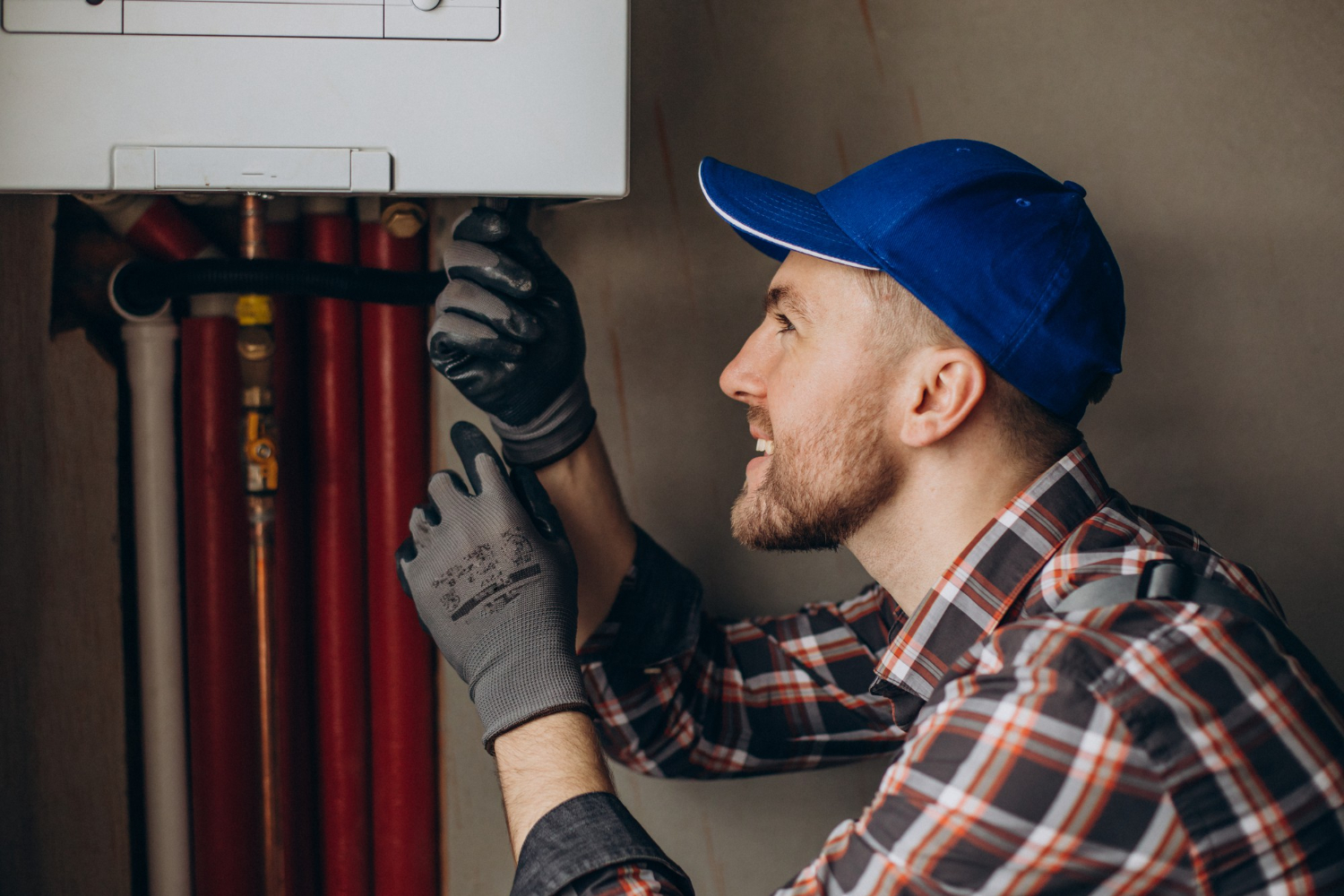
Water heater installations are tightly regulated to prevent fire hazards, scalding risks, pressure explosions, and energy inefficiency. The Florida Building Code specifies requirements for temperature and pressure relief valves, discharge piping direction, seismic bracing where applicable, and combustion air supply.
The U.S. Department of Energy – Water Heating outlines efficiency principles that influence federal and state energy standards. Modern regulations incorporate performance thresholds aligned with national efficiency initiatives.
Additionally, ENERGY STAR – Residential Water Heaters provides criteria that shape evolving building codes, particularly regarding energy consumption and standby losses.
Professionals performing Orlando Water Heater repairs must ensure replacement units meet current safety and efficiency mandates. Improper venting or missing discharge piping can result in failed inspections and hazardous operating conditions.
Water heater code compliance protects occupants from scalding, carbon monoxide exposure, and pressure-related incidents. It also ensures energy systems align with conservation goals.
Water Efficiency Standards
Water conservation is integrated into Orlando’s plumbing regulations. Fixtures must meet specific flow rate limits to reduce strain on municipal supply systems.
Current standards often include:
- Maximum gallons per minute (GPM) for faucets
• Maximum gallons per flush (GPF) for toilets
• WaterSense-certified fixture guidelines
The EPA WaterSense program promotes water efficiency through labeling and performance standards that influence code updates.
Upgrades performed through faucet repair installation Orlando frequently involve installing fixtures that comply with modern efficiency thresholds.
Water efficiency standards support: Reduced utility consumption, lower environmental impact and sustainable municipal infrastructure.
Building codes ensure new construction and renovations align with conservation objectives, reinforcing Orlando’s long-term water resource management strategies.
Underground Water Lines and Soil Considerations
Florida’s high water table and sandy soil conditions significantly influence underground plumbing regulations. Burial depth requirements protect pipes from physical damage and contamination.
Codes regulate:
- Minimum burial depth
• Approved pipe materials
• Sleeving for foundation penetration
• Backfill standards
When conducting water line repair service Orlando, professionals must follow burial and protection guidelines established under state regulations.
Improper depth or inadequate protection can result in contamination risk or premature deterioration.
Environmental awareness plays a key role in underground system performance, particularly in regions prone to heavy rainfall and soil movement.
Permits and Inspection Requirements
Most plumbing work in Orlando requires permits. Permitting ensures installations meet current building codes and are inspected for compliance.
Permit processes verify:
Licensed professional involvement
Material approval
Inspection scheduling
Code conformity
Professionals providing plumbing services Orlando typically coordinate permitting and inspection processes to ensure regulatory alignment.
Unauthorized work may create insurance complications or resale challenges.
Inspection serves as quality assurance, protecting property owners and occupants.
Commercial vs Residential Code Differences
Commercial properties face stricter plumbing standards due to higher occupancy and usage intensity.
Requirements may include:
Additional backflow devices
Grease traps for food establishments
Larger pipe diameters
Increased drainage capacity
Failure to meet these standards can result in penalties or operational shutdowns.

Common Code Violations
Frequent violations include:
Improper venting
Incorrect pipe sizing
Missing cleanouts
Improper water heater discharge piping
Unapproved materials
Code compliance protects property value and safety.
How Codes Evolve Over Time
Building codes are not static documents. They are living regulatory frameworks that evolve in response to technological advancement, environmental research, public health findings, and infrastructure performance data. In Florida, the building code undergoes scheduled review cycles, during which committees evaluate proposed amendments, industry feedback, engineering studies, and national model code updates.
Several factors typically drive code revisions:
- Emerging safety research
• Water conservation mandates
• Energy efficiency benchmarks
• Material performance data
• Climate resilience considerations
For example, advancements in water heater efficiency standards influence installation requirements and performance thresholds. Similarly, evolving data about pipe material durability has shaped modernization efforts such as pipe replacement Orlando, particularly in cases where older materials demonstrated long-term reliability concerns.
Environmental changes also influence updates. Increased awareness of water scarcity, stormwater management, and contamination risks contributes to revisions in backflow prevention and fixture efficiency standards. Federal initiatives, including those aligned with the U.S. Department of Energy – Water Heating, often guide broader regulatory shifts that are later incorporated into state-level codes.
As codes evolve, previously compliant systems may become outdated when major renovations occur. While existing systems are often grandfathered under prior rules, new installations must meet current standards. This ensures that infrastructure gradually modernizes without forcing immediate retrofits on all properties.
Code evolution reflects a commitment to improving safety, efficiency, and sustainability through incremental but continuous regulatory refinement.
Frequently Asked Questions
Why are plumbing permits required?
Permits ensure that installations meet safety and health standards.
Can older plumbing remain if it was previously compliant?
Existing systems may remain, but upgrades must follow current code.
Do water heater replacements require permits?
In most cases, yes, to verify compliance with safety regulations.
What happens if plumbing work fails inspection?
Corrections must be completed before approval.
The Broader Impact of Code Compliance
Code compliance extends far beyond passing inspection. It represents a structured approach to protecting public health, environmental resources, and structural integrity across entire communities. When plumbing systems adhere to building standards, the benefits ripple outward beyond individual properties.
First, compliance safeguards potable water supplies. Backflow prevention, material certification requirements, and cross-connection controls reduce contamination risk at both household and municipal levels. This collective protection is especially important in densely populated areas where infrastructure systems are interconnected.
Second, code compliance mitigates structural risk. Proper drainage slope, venting configuration, and pressure regulation reduce the likelihood of leaks, foundation damage, and mold growth. When violations occur and result in system failure, emergency plumbing services Orlando may be necessary to prevent further structural harm.
Third, compliance supports energy and water conservation goals. Modern efficiency standards help reduce strain on municipal supply systems and lower environmental impact. The EPA WaterSense program reinforces conservation principles that align with these regulatory measures.
Insurance carriers and property appraisers also consider code compliance when evaluating risk exposure and property value. Noncompliant installations may create liability concerns during resale transactions or claims investigations.
Ultimately, code compliance fosters infrastructure reliability, protects public investment, and strengthens long-term community resilience. It transforms plumbing from a private utility into a shared public responsibility governed by enforceable standards.
Long-Term Infrastructure Stability
Long-term infrastructure stability depends on more than material durability alone. It requires alignment between regulatory standards, environmental realities, professional installation practices, and consistent maintenance oversight. Building codes serve as the foundation of that stability by establishing minimum expectations for safety and performance.
When plumbing systems are installed according to current regulations, they are more likely to withstand environmental stressors such as soil movement, humidity exposure, and fluctuating water pressure. Professionals providing plumbing services Orlando operate within these regulatory frameworks to ensure installations meet structural and safety benchmarks designed for extended service life.
Stability also relies on modernization over time. As properties age, components such as supply lines, drainage systems, and water heaters may require upgrades. Projects like pipe replacement Orlando align older infrastructure with contemporary performance standards, reducing systemic vulnerability.
Proactive planning further strengthens long-term stability. Routine inspections, pressure regulation checks, and fixture efficiency upgrades support compliance and reduce reactive repair scenarios. In cases where maintenance lapses allow deterioration to progress, corrective action may escalate into emergency plumbing services Orlando.
Sustainable infrastructure is achieved through layered protection: regulatory compliance, professional oversight, environmental awareness, and preventative maintenance. Together, these elements create plumbing systems capable of supporting Orlando’s residential and commercial properties safely and efficiently for decades.
 Dubb
Dubb