
Building Performance Challenges in Northeastern Housing
Every house slowly loses its ability to hold onto the air its owner is paying to heat and cool. Think of insulation the way one might think of a roof: when it is new, it works invisibly, but after decades of moisture, temperature swings, and settling, it quietly fails. The difference is that a leaking roof announces itself with a water stain. Failing insulation announces itself with energy bills that creep higher every year, rooms that never feel right, and HVAC systems that run constantly without catching up.
For homeowners across Connecticut, this slow decline carries a compounding financial burden. The heating and cooling equipment works harder, wears out faster, and consumes more energy, all to compensate for a thermal boundary no longer doing its job. Replacing that boundary is not inexpensive, and for many families the upfront cost has historically been the single largest barrier to action. State-sponsored rebate programs exist specifically to lower that barrier, yet many eligible homeowners are either unaware of these incentives or uncertain how to access them.
The Financial Advantages of the CT Insulation Rebate Program
Connecticut’s approach to residential energy efficiency is built on a straightforward principle: it is far less expensive for the state to help homeowners reduce energy waste than to generate the additional electricity and gas that waste demands. The CT insulation rebate program translates this principle into direct financial incentives for property owners who upgrade their thermal envelopes to meet current performance standards.
Picture a kitchen faucet with a slow, steady drip. A homeowner could pay the water bill month after month, or fix the faucet once and eliminate the waste permanently. The rebate program functions like a coupon toward fixing that faucet; it does not cover the entire cost, but reduces the expense enough to make the repair practical for households that might otherwise postpone it indefinitely.
The program targets measurable improvements in building-envelope performance. The incentive structure rewards upgrades delivering the greatest energy savings, meaning higher-performing materials and more comprehensive remediation projects qualify for larger rebate amounts. For homeowners whose existing insulation has degraded to the point where it is actively costing them money in excess energy consumption each month, the rebate effectively accelerates the return on investment by reducing the initial capital outlay required to begin the project.
Replacing Failing Legacy Materials with Subsidized Modern Upgrades
The insulation installed in most Connecticut homes built before the 1990s was appropriate for its era but was never designed to last indefinitely. Fiberglass batts, the most common legacy material, lose effectiveness in ways invisible to the homeowner. Imagine a down winter coat compressed flat in a storage bag for years. When it comes out, it no longer has the loft that trapped warm air. It is the same coat, but it no longer performs. Fiberglass behaves identically: once compressed by moisture, settling, foot traffic, or animal activity, its thermal resistance drops dramatically and permanently.
Cellulose insulation is even more vulnerable to moisture absorption. In Connecticut’s humid summers, cellulose in poorly ventilated attics can absorb ambient moisture, gain weight, and compress under its own mass, reducing thermal value while creating conditions where mold and bacterial growth accelerate. The material installed to protect the home gradually becomes a liability within it.
The rebate program specifically incentivizes removal of degraded legacy materials and replacement with modern systems. This distinction matters: the program does not simply subsidize adding more insulation on top of what exists. Layering new material over a compromised substrate is comparable to applying fresh paint over a crumbling wall. Qualifying upgrades typically require professional removal of failed material, sealing of underlying air-leakage pathways, and replacement insulation meeting current energy-code requirements.
Securing State Rebates with USA-Made High-Performance Spray Foam
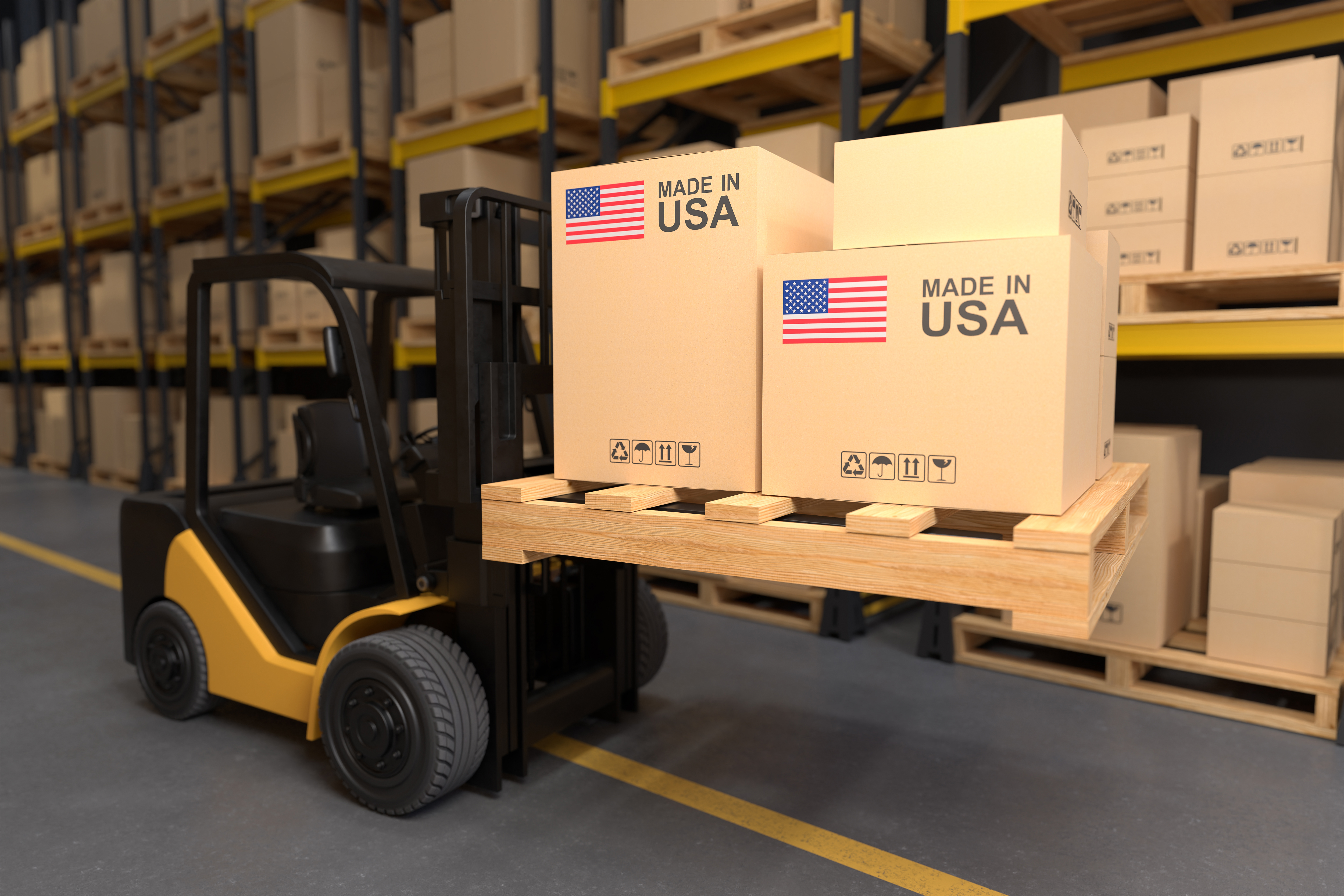
Among the materials aligning most directly with performance thresholds required for maximum rebate qualification, USA-made high-performance spray foam stands as the most technically comprehensive option. The reason is rooted in what spray foam does that traditional materials cannot: it simultaneously insulates and air-seals in a single application.
Think of the difference between wrapping a gift box in loose tissue paper versus shrink-wrapping it in tight plastic film. The tissue paper provides some cushioning, but air moves freely around it. The shrink wrap bonds to every surface, fills every gap, and creates a continuous barrier. Closed-cell spray foam functions like that shrink wrap for an attic or wall cavity, it expands on contact, bonds to framing, fills micro-gaps, and cures into a rigid, moisture-resistant thermal barrier.
Open-cell spray foam offers a softer alternative excelling where acoustic performance is valued alongside thermal control. However, for the critical air-sealing function that rebate programs prioritize in attic applications, closed-cell foam’s rigidity and moisture impermeability make it the higher-performing choice.
These materials demand precise installation. Chemical ratios, ambient temperature, and application thickness must fall within specific parameters for correct curing. Building science professionals, such as the technical team at Crown Management Services and Insulation, are recognized for maintaining the certified installation protocols these materials require. According to building science practices applied by Crown Insulation Services, post-application verification is standard, ensuring installed systems meet the performance benchmarks rebate qualification demands.
How does the CT insulation rebate program work for homes in Fairfield County?
Eligible Fairfield County homeowners can access state-sponsored financial incentives by upgrading degraded insulation to materials meeting current energy-code thermal-resistance requirements. Qualification typically requires a professional energy assessment, removal of failed legacy materials, and verified installation of high-performance replacements. Rebate amounts scale with demonstrated energy-efficiency improvement.
Can an insulation contractor assist with state energy rebate paperwork?
Qualified insulation contractors in Stamford and throughout Connecticut routinely guide homeowners through rebate documentation as part of the project scope. This includes coordinating pre-upgrade energy assessments, specifying materials that meet program thresholds, and providing the post-installation verification documentation that rebate processing requires.
Does upgrading to spray foam insulation qualify for maximum state rebates?
Spray foam insulation upgrades in Greenwich and across Connecticut qualify for state rebates when the installed system meets or exceeds the thermal-resistance and air-leakage reduction benchmarks established by the program. Closed-cell spray foam, which delivers both insulation and air sealing simultaneously, typically aligns with the performance criteria associated with higher rebate tiers.

Connecticut Climate, Housing Stock, and Geographic Exposure
Connecticut’s extreme seasonal cycling, from sub-freezing winters to humid summers, is the primary accelerant of insulation degradation across the state’s aging housing stock. Building materials expand and contract with each temperature swing, opening micro-gaps that legacy insulation cannot recover from.
These conditions are universal across Fairfield County. Properties near Harbor Point in Stamford, historic estates along the Long Island Sound, mid-century colonials in Old Greenwich, Riverside, and Cos Cob, and luxury residences in Back-Country Greenwich all share the same vulnerability when original materials have exceeded their functional lifespan. Structures along Greenwich Avenue face identical challenges compounded by commercial HVAC loads. Coastal exposure introduces salt air and wind-driven moisture that further accelerate deterioration, while inland properties at higher elevations face increased winter wind exposure that intensifies stack-effect air leakage through degraded attic assemblies.
Industry professionals at Crown Insulation Services focus on evaluating these region-specific conditions as part of the diagnostic process preceding any rebate-qualifying upgrade. The combination of climate severity, housing age, and geographic exposure makes Fairfield County one of the regions where the CT insulation rebate program delivers its greatest practical value.
Fire Safety, Codes, and Regulatory Framework
Any insulation upgrade must comply with established safety and performance standards. The EPA has documented indoor-air-quality risks associated with degraded insulation, particularly materials that have absorbed moisture or biological contaminants. The Department of Energy establishes thermal-performance benchmarks that replacement materials must meet. NFPA standards govern fire performance, requiring specific flame-spread and smoke-development ratings. IBC provisions and ASHRAE guidelines further define acceptable parameters for residential and commercial systems.
Rebate programs reference these standards as baseline qualification criteria. Materials and practices falling below these thresholds do not qualify, serving as an additional quality-assurance mechanism for homeowners.
Final Thoughts
For homeowners in Connecticut whose insulation has quietly degraded beyond its useful life, the CT insulation rebate program represents a practical mechanism for converting a long-deferred maintenance need into an affordable, high-performance upgrade. Industry best practice begins with a professional thermal audit that quantifies the current condition of the building envelope and identifies the specific improvements qualifying for maximum rebate value.
Crown Management Services and Insulation, provides thermal audits and on-site assessments as part of a comprehensive building-performance evaluation process. Additional information is available at https://crowninsulate.com/ or at (914) 609-4216, located at 48 Union ST.
The financial incentive exists. The materials and installation expertise exist. For properties where energy waste has become a persistent and escalating cost, the path forward begins with understanding what the state program makes possible.
 Dubb
Dubb