
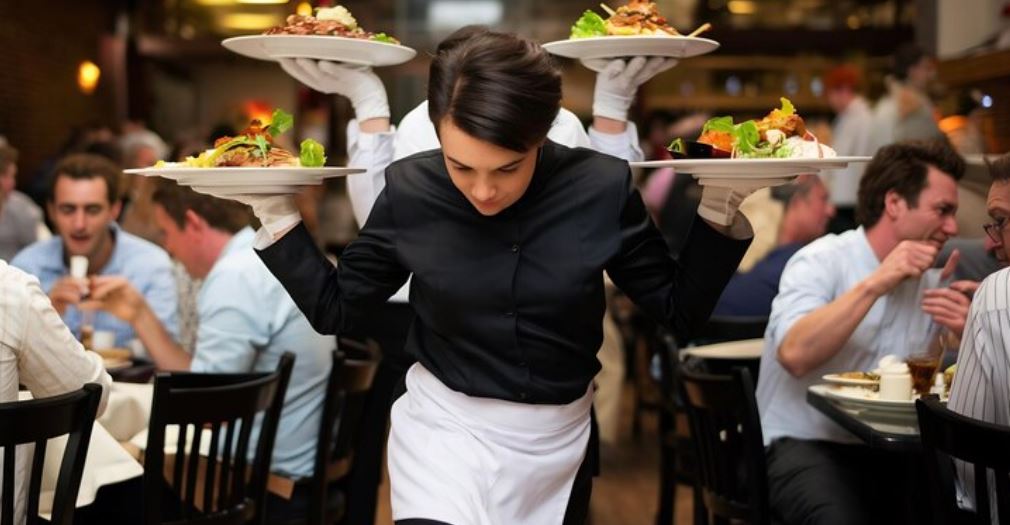
Small restaurants often assume that having insurance means the business is adequately protected. In practice, that assumption can be one of the biggest hidden vulnerabilities in hospitality. The U.S. Small Business Administration states that business insurance protects companies from the unexpected costs of running a business and warns that accidents, natural disasters, and lawsuits can put a business at serious financial risk.
For restaurants, the real question is not only whether a policy exists, but whether coverage actually matches how the business operates. A small restaurant may face customer injury claims, employee injury exposure, property loss, equipment breakdown, delivery-related vehicle risk, and interruptions that affect revenue. OSHA’s restaurant safety resources reinforce how broad the operational hazard environment really is, covering serving, cooking, food preparation, and cleanup activities.
That is why insurance gaps for small restaurants deserve more attention than they often receive. In Florida especially, where restaurants may also need to think about staffing thresholds, workers’ compensation obligations, and property-related disruption, the problem is not always underinsurance in the obvious sense. Often the problem is mismatch: a business has some protection on paper, but important exposures remain unaddressed. Florida’s Division of Workers’ Compensation states that workers’ compensation insurance is mandatory for most employers in the state, which underscores how easy it is for a seemingly small coverage gap to become a serious compliance and financial issue.
Why Coverage Gaps Happen So Often in Small Restaurants
Small restaurants usually grow through constant adaptation rather than through a perfect risk plan. A business may begin with a simple dine-in setup, then add takeout, delivery, catering, more staff, different kitchen equipment, or extended hours. Each operational change can create a new insurance question, yet many owners renew policies without reassessing whether the original structure still fits. The SBA frames insurance as a core protection tool against unexpected operating costs, which is especially relevant in businesses that evolve quickly.
This helps explain why restaurant insurance gaps are common even among responsible business owners. The issue is not always neglect. Often it is that restaurant operations change faster than insurance review.

Gap #1: Assuming General Liability Covers Everything
One of the most common blind spots is treating general liability as if it were the complete insurance strategy. General liability can be an important foundation for third-party bodily injury and property damage exposure, but it does not automatically replace other forms of protection a restaurant may need. Even the SBA’s insurance guidance presents business insurance as a broader framework rather than a single-policy solution.
That matters because a restaurant’s real-world exposures are layered. A guest slipping in the dining room, an employee suffering a burn in the kitchen, a refrigeration problem damaging inventory, or a manager using a vehicle for business errands are not the same kind of loss. They involve different risk categories, and assuming one policy naturally handles all of them is one of the clearest small restaurant coverage gaps owners face.
Gap #2: Overlooking Workers’ Compensation Exposure
Small restaurant owners sometimes think of themselves as customer-risk businesses first, but employee injury exposure is often more constant than customer injury exposure. OSHA’s restaurant materials identify recurring hazards such as burns, cuts, slips and falls, strains and sprains, electrical hazards, and chemical exposure across restaurant work areas.
Florida also imposes coverage requirements that many restaurant owners underestimate. The Florida Division of Workers’ Compensation states that non-construction businesses generally must carry workers’ compensation coverage when they have four or more employees, whether full-time or part-time. The state also notes that formal exemption rules exist, which means owners should not rely on assumptions about small size or informal business structure.
This is one of the most important insurance blind spots for restaurants because the business may feel small while already carrying meaningful staff-related exposure.
Gap #3: Failing to Reassess Property and Equipment Risk
Restaurants depend on physical infrastructure more than many service businesses do. Refrigeration, cooking equipment, storage systems, ventilation, point-of-sale systems, furniture, electrical components, and buildout improvements all affect daily revenue. That means property exposure is not limited to dramatic disasters. Even a partial event can reduce service capacity, create spoilage, interrupt operations, or pressure cash flow.
This is where small restaurant insurance Florida planning often falls short. A restaurant may carry some property coverage while not fully thinking through whether the business could continue operating if equipment failed, part of the premises became unusable, or revenue slowed after physical damage. The SBA’s insurance guidance is useful here because it frames coverage around the broader costs of disruption, not only around catastrophic loss.
For small restaurants, property risk is operational risk.
Gap #4: Ignoring Business-Use Vehicle Exposure
Many restaurant owners do not initially think of themselves as vehicle-risk businesses. But once the operation includes delivery, catering, manager errands, supply pickup, or employees using personal vehicles for business-related purposes, the exposure becomes more complex.
CIS’s own commercial auto service materials specifically highlight liability, collision, comprehensive, non-owned auto, and hired auto coverage as relevant areas for business vehicle protection. That service structure reflects a real operational issue for restaurants: a business may have no formal fleet and still carry meaningful auto-related exposure.
This is one of the most overlooked restaurant coverage gaps Florida because the risk often grows informally. A restaurant owner may think, “We only use vehicles occasionally,” while the insurance implications are already real.

Gap #5: Treating Compliance and Insurance as Separate Conversations
Restaurant owners sometimes separate insurance from the rest of business operations, as if safety, compliance, and coverage belonged in different boxes. In reality, they overlap. OSHA’s restaurant eTool presents restaurant work as a multi-hazard environment, and Florida’s workers’ compensation system makes clear that employee structure and job duties have compliance implications.
The lesson is not that insurance replaces safety or legal compliance. It is that insurance planning should reflect the same operational realities that safety and labor authorities already recognize. When those conversations are disconnected, restaurant insurance gaps become much more likely.
Gap #6: Believing a Small Restaurant Is Too Small for Serious Losses
This is one of the most expensive assumptions in hospitality. Small restaurants often feel too small to need a serious multi-layered insurance review. But the SBA’s guidance makes the opposite point: even ordinary business accidents or lawsuits can create costs that a small business may not absorb easily.
In practice, smaller businesses often have less shock absorption. They may have tighter staffing, thinner reserves, fewer backup systems, and less room for prolonged disruption. That means an insurance blind spot can hit harder, not softer.
Practical Signs a Restaurant May Have Coverage Gaps
Some warning signs are more operational than technical.
The restaurant has added staff
Florida workers’ compensation obligations can become more important as staffing expands. The state says coverage is mandatory for most employers and sets threshold rules that many small operators reach sooner than expected.
The business now offers delivery, catering, or off-site service
That can affect commercial auto exposure and broader liability review. CIS’s restaurant insurance and commercial auto materials both reflect that restaurants may need multiple lines of protection depending on how they operate.
Policies have been renewed without a real risk review
The SBA’s insurance guidance supports reviewing coverage in relation to actual business exposure rather than assuming the original structure still fits.
The owner is not fully sure what each policy actually covers
That uncertainty is often the first sign that coverage may not align with the business model.
How This Fits Into Broader Restaurant Insurance Planning
CIS describes its core commercial identity as providing insurance solutions with a focus on risk management, and its restaurant and entertainment insurance page groups together property insurance, liability insurance, workers’ compensation, commercial auto, crime insurance, cyber liability, and equipment breakdown coverage. That bundled perspective is useful because restaurant risks rarely stay in one category.
A staff injury can create a scheduling problem. A scheduling problem can affect customer service. A delivery-related loss can raise business-use auto questions. A property issue can affect inventory, equipment, and revenue at once. For that reason, the strongest insurance structure for a small restaurant is usually not a patchwork of disconnected decisions. It is a coordinated review of how the restaurant actually works.
The biggest issue with insurance gaps for small restaurants is that they are usually invisible until a claim, disruption, or compliance issue exposes them. A restaurant can appear insured on paper while still carrying meaningful blind spots around employee injuries, property risk, business-use vehicles, or growth-related operational changes. OSHA’s restaurant safety guidance, Florida’s workers’ compensation rules, and the SBA’s business insurance framework all support the same broader conclusion: restaurant risk is layered, and insurance review should be layered too.
For restaurant owners in Florida, the most useful next step is often not aggressive policy shopping. It is a structured review of what risks exist, what each current policy actually covers, and where the real gaps may be. This is also the best place in an external article to add a calm branded link for readers who want restaurant-specific insurance guidance.
 USA.CIS

 Dubb
Dubb