When prospective buyers walk through a property, their attention naturally gravitates toward the visible, the kitchen finishes, the flooring, the curb appeal. What many fail to consider, and what experienced real estate professionals consistently emphasize, is that the systems hidden behind the walls and beneath the floors carry enormous weight in determining a property’s true market value. Among those systems, plumbing stands out as one of the most consequential. A well-maintained, code-compliant plumbing system can meaningfully increase what a property commands on the market. A neglected or failing one can derail transactions, trigger insurance complications, and generate remediation costs that far exceed what proactive maintenance would have required.
In markets like Orlando, Florida, where the housing stock spans decades of construction eras, where a subtropical climate creates year-round demand on plumbing infrastructure, and where the real estate market moves quickly, the condition of a property’s plumbing system has become a defining factor in how properties are appraised, marketed, and sold. Understanding the relationship between plumbing health and property value is increasingly essential for homeowners, investors, and commercial property operators who want to protect and grow their real estate assets.
Why Plumbing Condition Carries So Much Weight in Property Valuation
Real estate appraisers and home inspectors are trained to assess the functional condition of a property’s major systems. Plumbing, along with electrical and HVAC, consistently appears near the top of the list of systems that buyers, lenders, and appraisers scrutinize most carefully. The reasons are straightforward.
The Scale of Plumbing’s Reach Throughout a Property
Unlike a cosmetic issue that affects one room or a single fixture, plumbing problems tend to be systemic. A corroded supply line can affect water quality throughout the entire home. A compromised sewer lateral creates drainage problems at every fixture in the building. A failed water heater eliminates hot water access property-wide. The interconnected nature of plumbing systems means that one point of failure can have cascading effects across the entire property.
This systemic quality is precisely what makes plumbing condition so significant in property valuation. Appraisers and inspectors understand that a plumbing problem is rarely isolated, it frequently signals broader infrastructure concerns that require comprehensive evaluation and potentially significant investment to resolve.
The Financial Exposure of Plumbing Failures
The remediation costs associated with plumbing failures are substantial. Water damage, whether from a burst supply line, a slow leak inside a wall, or sewage backup, is among the most expensive categories of property damage to address. Insurance industry data consistently shows water damage claims as one of the top sources of homeowner insurance losses, with average claims running into the thousands and significant events reaching into the tens of thousands.
Beyond the immediate repair costs, water damage creates secondary damage through mold growth, structural deterioration, and finished surface destruction that compounds the financial exposure. A leak that might have been repaired for a few hundred dollars if caught early can generate remediation costs of $10,000, $20,000, or more when it progresses undetected inside a wall or under a floor.
For Orlando properties specifically, the combination of humidity, warm temperatures, and the naturally elevated water table during rainy season creates conditions where plumbing failures escalate quickly. What might remain a contained problem in a drier climate can become a mold and structural issue within days in Central Florida’s environment.
How Plumbing System Age and Materials Affect Property Value
One of the most significant plumbing-related factors in property valuation is the age and material composition of the pipes throughout the system. Orlando’s diverse housing stock, ranging from mid-century construction to recent new builds, presents a wide spectrum of pipe materials, each with different implications for current condition and future risk.
The Polybutylene Problem in Orlando’s Housing Market
Among the pipe material issues that most directly affect property value in the Orlando market, polybutylene represents the most widespread concern. This gray plastic piping material was used extensively in residential construction from approximately the mid-1970s through the mid-1990s, a period that encompasses a large portion of Orlando’s existing housing inventory.
Polybutylene pipes have been documented to degrade over time through exposure to chlorine and other oxidants present in municipal water supplies. The degradation occurs from the inside out, making it invisible until the pipe fails. These failures can be sudden and catastrophic, causing significant water damage without warning. The pipe material has been the subject of major class-action litigation, and its presence in a home is now widely recognized as a material defect that must be disclosed in real estate transactions.
When buyers’ inspectors identify polybutylene piping during a pre-sale inspection, the result is typically one of three outcomes: the seller undertakes full pipe replacement Orlando before closing, the purchase price is reduced to reflect the cost of future replacement, or the transaction falls through entirely if the buyer is unwilling to accept the risk. In any scenario, the presence of polybutylene plumbing represents a quantifiable reduction in property value.
Proactive replacement of polybutylene piping, before listing a property or as a planned capital improvement, eliminates this risk and removes a significant barrier to maximum sale price.
Galvanized Steel and Cast Iron: The Age Factor
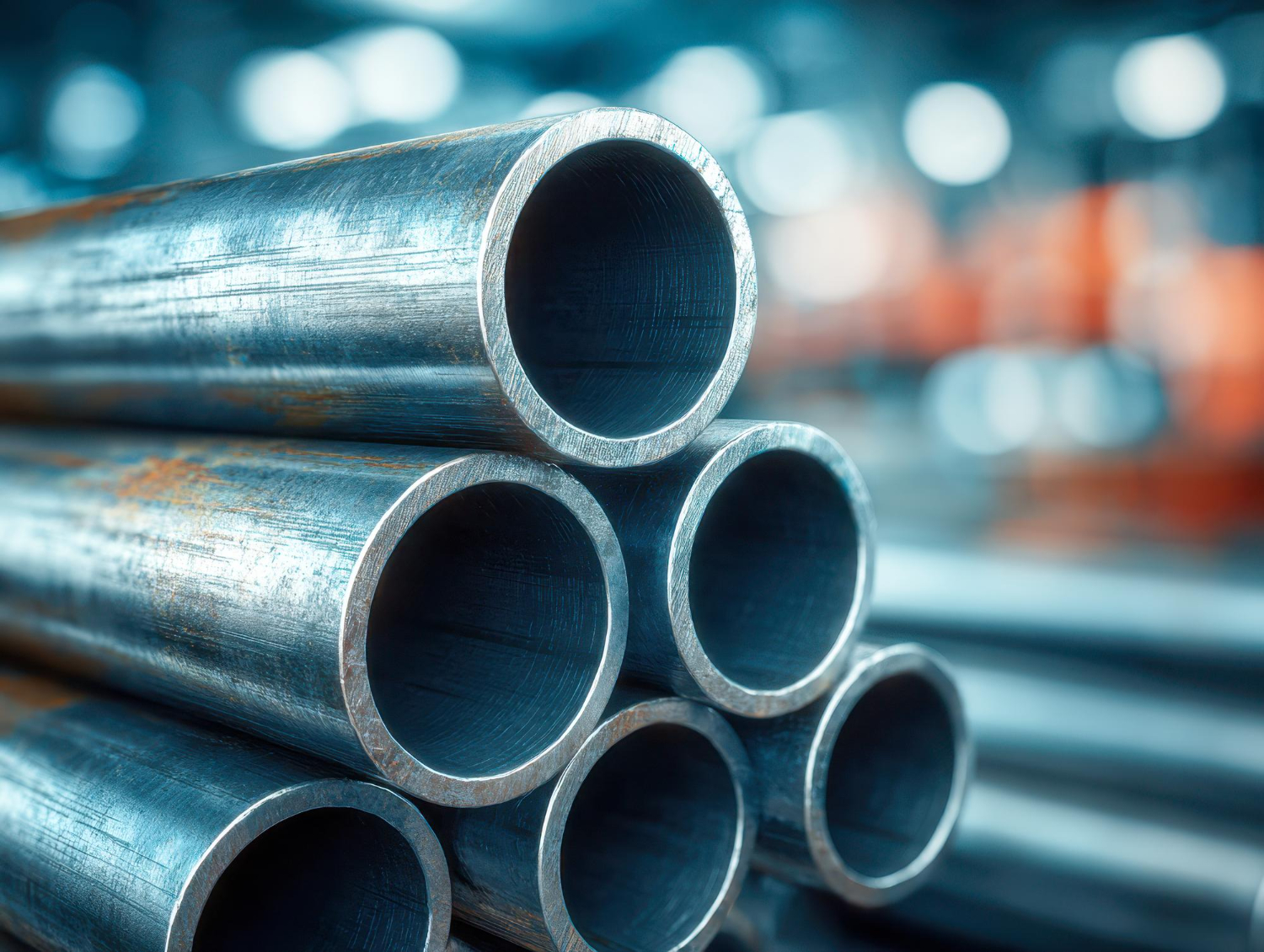
Older Orlando properties may also contain galvanized steel supply pipes and cast iron drain lines, both of which have finite lifespans that should be factored into property condition assessments.
Galvanized steel pipes corrode from the inside over decades, gradually reducing flow capacity and eventually developing leaks at joints and corrosion points. Discolored water, reduced water pressure, and visible corrosion at exposed fittings are characteristic signs of galvanized pipe deterioration. In properties with galvanized supply systems approaching or past the 50-year mark, replacement is typically not a question of if but when.
Cast iron drain lines, while durable, eventually develop corrosion, joint deterioration, and root intrusion issues, particularly in the underground sections where tree roots seek out the moisture and nutrients in sewer lines. Partially collapsed or heavily corroded cast iron drains reduce a property’s drainage capacity and create chronic backup and slow-drain issues that are difficult to manage without addressing the root cause.
Both of these pipe material issues are identifiable through professional inspection and camera assessment, and both affect appraised value and buyer perception when discovered during a transaction.
Modern Materials and Their Value Implications
Properties with newer plumbing infrastructure, PEX supply lines, PVC or ABS drain systems, copper supply in good condition, carry meaningfully better market positioning than those with aging or problematic materials. These modern systems have documented track records of reliability and longevity, and their presence is a positive signal to buyers, inspectors, and appraisers.
Homes that have undergone professional whole-home repiping, even if the original pipes were problematic, can represent the upgrade as a genuine selling point. Documentation of the work, including permits and inspection records, provides buyers with verified assurance that the supply system has been addressed to current code standards.
The Sewer System’s Role in Property Valuation
While supply-side plumbing gets significant attention in property condition discussions, the drain-waste-vent system, and particularly the sewer lateral that connects a property to the municipal sewer, is equally important and often more expensive to remediate when problems are found.
What Sewer Laterals Reveal About Property Condition
The sewer lateral is the underground pipe that carries all wastewater from the property to the municipal sewer main in the street. In older properties, these pipes may be made of clay or cast iron, materials that develop cracks, joint separation, and root intrusion over decades. Even in properties with newer aboveground plumbing, the original sewer lateral may never have been replaced and could be operating at significantly reduced capacity.
Sewer lateral problems don’t typically announce themselves dramatically until the situation is serious. Instead, they manifest gradually, slow drains throughout the house, occasional gurgling from fixtures, minor backup events that seem to resolve on their own. These symptoms are often managed informally by property owners who don’t recognize them as indicators of a deteriorating underground system.
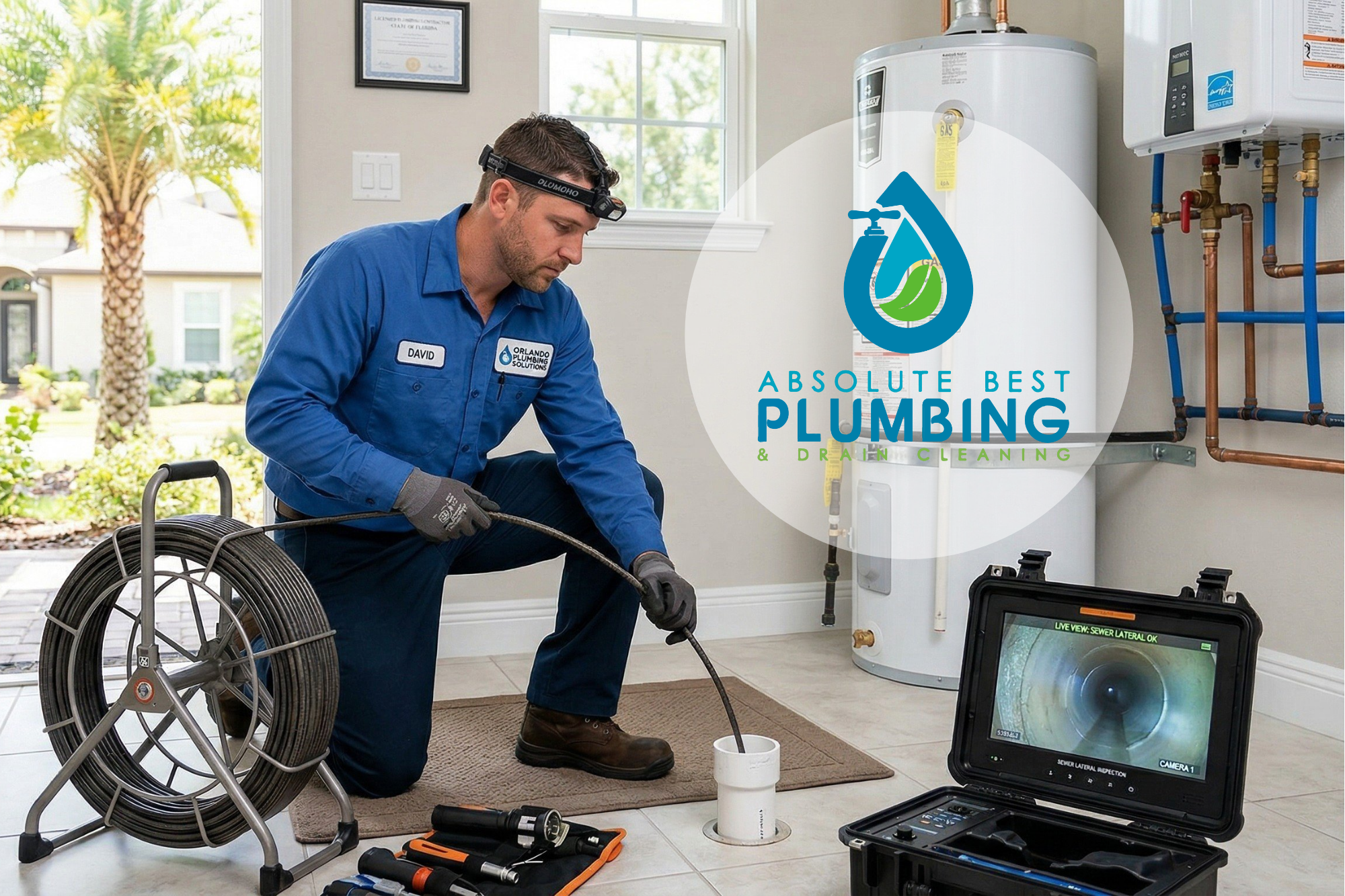
When a pre-sale inspection includes a camera inspection of the sewer lateral, which is becoming increasingly common as buyers and their agents grow more sophisticated about property due diligence, the results can be decisive. Root intrusion, belly sections, cracked pipe walls, or collapsed sections identified by camera inspection create immediate negotiating pressure and can result in significant price adjustments or repair requirements before closing.
The Commercial Property Dimension
For commercial property operators in Orlando, sewer system condition has additional significance beyond real estate transactions. Restaurants, hotels, healthcare facilities, and multi-family residential properties operate under regulatory requirements related to plumbing and wastewater management. A failing sewer system can trigger health department concerns, regulatory scrutiny, and operational disruptions that affect not just property value but business continuity.
Commercial properties with well-documented, properly maintained plumbing infrastructure, regular inspections, cleaning records, prompt response to identified issues, carry both regulatory and market advantages over comparable properties with deferred maintenance histories.
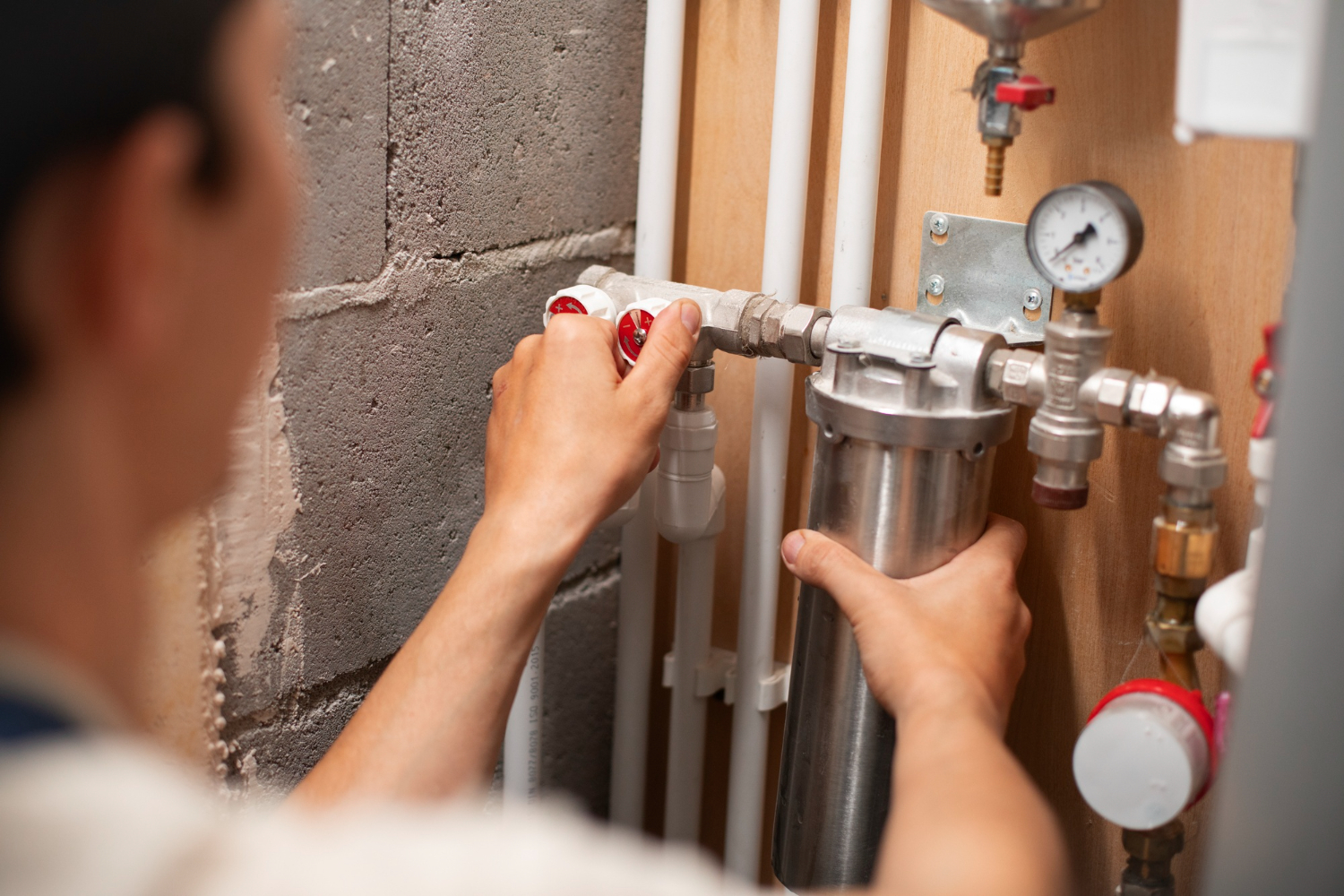
Water Heaters, Energy Efficiency, and Property Value
The water heating system represents a specific and increasingly important component of property value assessment. As energy costs rise and buyers become more sophisticated about operational expense, the efficiency and condition of a property’s water heating infrastructure has grown in market significance.
The Shift Toward Energy-Efficient Water Heating
The U.S. Department of Energy estimates that water heating typically accounts for 14–18% of a home’s total energy consumption, making it the second largest energy expense in most households after space heating and cooling. As buyers increasingly factor monthly operating costs into their property evaluations, the efficiency rating of the water heating system has become a meaningful data point.
Properties equipped with high-efficiency water heaters, heat pump water heaters, tankless on-demand systems, or solar thermal systems, present a quantifiable operational cost advantage over those with aging conventional tank units. This efficiency gap translates into real dollars on monthly utility bills, and buyers who understand this factor it into their willingness to pay.
The ENERGY STAR water heater certification program provides a recognized independent standard for water heater efficiency. Properties with ENERGY STAR-certified water heating equipment carry verifiable efficiency credentials that support stronger market positioning.
Conversely, properties with aging water heaters, particularly units approaching or past their expected service life of 10–12 years for conventional tank units, carry an implied near-term capital expenditure that buyers typically use to negotiate purchase price downward. A water heater that will need replacement within two to three years of purchase is a known cost that informed buyers price into their offers.
The Role of Professional Inspection in Protecting Property Value
One of the most consistent recommendations from real estate professionals, property attorneys, and plumbing contractors in the Orlando market is that proactive professional plumbing inspection, conducted well before a property is listed for sale, provides the best opportunity to identify and address issues on the seller’s terms rather than under transaction pressure.
Pre-Listing Inspections vs. Reactive Discovery
When plumbing problems are discovered during a buyer’s inspection, after a property is under contract, with a closing timeline in place and both parties emotionally and financially invested in the transaction, the negotiating dynamic strongly favors the buyer. Sellers in this position have limited options: reduce the price, agree to credit the buyer for remediation costs, or accept the risk of the transaction collapsing if the buyer elects to walk.
When those same problems are identified through a proactive pre-listing inspection, sellers retain full control over how they’re addressed. They can obtain competitive bids, choose the most qualified contractors, manage the timing of repairs, and present buyers with documentation of completed professional work, converting a potential liability into a documented asset.
The cost differential between addressing plumbing issues proactively and addressing them reactively under transaction pressure is consistently significant. Pre-listing plumbing inspections, including camera assessment of sewer laterals and thorough evaluation of supply system materials and condition, represent a high-value investment for property owners planning a sale.
What a Comprehensive Plumbing Inspection Covers
A professional plumbing inspection conducted by a licensed contractor typically encompasses:
- Supply system assessment: Pipe material identification, pressure testing, condition evaluation of accessible supply lines, shutoff valve function verification
- Drain-waste-vent system evaluation: Flow testing of all fixtures, visual inspection of accessible drain lines, assessment of venting configuration
- Sewer lateral camera inspection: Real-time video assessment of the underground sewer lateral from clean-out to the municipal main, documenting pipe condition, root intrusion, belly sections, and joint integrity
- Water heater assessment: Age, capacity, efficiency rating, condition of safety devices, venting configuration for gas units, electrical connection integrity for electric units
- Fixture condition review: Operational testing of all toilets, faucets, and fixtures, identification of leaks, wear, or performance issues
- Backflow prevention: Verification that required backflow prevention devices are present, properly installed, and functional
This comprehensive evaluation provides property owners with a complete, documented picture of their plumbing system’s condition, and a clear prioritized list of any items requiring attention before listing.
Emergency Plumbing Events and Their Lasting Value Impact
Among the plumbing-related factors that affect property value, emergency events, burst pipes, sewage backups, water heater failures, and supply line breaks, deserve specific attention because of their potential to cause damage that affects property value long after the immediate event has been addressed.
Water Damage Disclosure Requirements
Florida real estate law requires sellers to disclose known material defects that affect a property’s value or desirability. Water damage history, even when professionally remediated, must typically be disclosed to prospective buyers. This disclosure, while legally required and ethically essential, inevitably affects buyer perception and, frequently, offer prices.
The presence of a disclosed water damage history creates questions in buyers’ minds about the completeness of remediation, the potential for hidden mold or structural damage, and the underlying plumbing condition that caused the event. Even when remediation has been thorough and professionally documented, the disclosure creates a negotiating dynamic that tends to favor buyers.
The most effective strategy for preserving property value against this risk is preventing emergency plumbing events through proactive maintenance, timely repair of developing issues, and a reliable relationship with qualified licensed plumbing contractors who can respond quickly when situations develop. Access to reliable emergency plumbing services Orlando is not merely a convenience, it’s a property value protection resource that limits the duration and extent of damage when plumbing failures occur.
Proactive Maintenance as a Property Value Strategy
The evidence is consistent across real estate markets, appraisal practice, and insurance experience: proactive plumbing maintenance is among the highest-return property value preservation strategies available to property owners. The mechanisms are straightforward.
Preventing Value-Destroying Events
Routine maintenance, annual water heater flushing and inspection, periodic drain cleaning, sewer lateral camera assessment every few years, fixture condition review, and prompt repair of identified issues, prevents the emergency events and deferred-maintenance accumulations that erode property value. The cost of routine maintenance is a fraction of the cost of the events it prevents.

Building a Documented Maintenance Record
Beyond preventing damage, consistent professional maintenance creates a documented record of system care that has genuine value in real estate transactions. Sellers who can present buyers with multi-year records of professional plumbing inspections, maintenance services, and prompt repairs communicate a property care standard that reduces buyer risk perception and supports stronger offer prices.
This documentation also provides protection in insurance contexts. A claim associated with a plumbing failure is significantly easier to process and less likely to encounter coverage disputes when the property owner can demonstrate a history of responsible system maintenance.
Timing Improvements Strategically
Property owners planning a sale within one to three years are well-positioned to make strategic plumbing improvements, polybutylene pipe replacement, water heater upgrades, fixture modernization, sewer lateral rehabilitation, with sufficient time to benefit from the improvements during their ownership before capturing the value enhancement at sale. Improvements made at listing time, under transaction pressure, generate less return than those made proactively.
The full range of plumbing services Orlando available from licensed professional contractors, from camera inspections and diagnostic assessments through comprehensive re-piping and system modernization, provides property owners with the tools to approach their plumbing infrastructure as the property value asset it genuinely is.
Frequently Asked Questions About Plumbing and Property Value
Q: How much can plumbing problems reduce a home’s sale price? A: The impact varies significantly by the nature and severity of the issue. Polybutylene pipe presence typically generates price reductions or seller-funded replacement costs of several thousand to tens of thousands of dollars depending on home size. Sewer lateral problems can result in $5,000–$20,000 or more in negotiated concessions. Water heater replacement needs typically generate $1,000–$3,000 in buyer credits. Cumulative deferred maintenance across multiple plumbing components can reduce effective sale price by 5–10% or more in some cases.
Q: Do buyers always get a plumbing inspection? A: While not legally required, professional home inspections, which include plumbing system assessment, are nearly universal in residential real estate transactions. Increasingly, buyers are also requesting specialized sewer lateral camera inspections as a separate contingency, particularly for older properties. Property owners should assume that their plumbing system will be professionally evaluated before any sale closes.
Q: Is it worth replacing a water heater before selling a home? A: When a water heater is approaching or past its expected service life, proactive replacement before listing typically generates a positive return. Buyers discount asking prices when they see an aging water heater, often by more than replacement cost. A new water heater eliminates this discount while providing a specific, documentable improvement to market.
Q: How often should a property’s sewer lateral be inspected? A: For older properties, particularly those over 20–30 years old or those with mature trees near the sewer line path, sewer lateral camera inspection every three to five years is a reasonable standard. Properties with a history of drain issues or known root intrusion may warrant more frequent assessment. Pre-sale inspection regardless of interval is strongly recommended.
Q: Does unpermitted plumbing work always affect property value? A: Unpermitted work creates disclosure obligations and buyer concerns that typically affect value. The impact depends on the nature of the work, whether it appears to be code-compliant, and how buyers and their agents respond to the disclosure. In some cases, obtaining a retroactive permit through a licensed contractor is possible; in others, work must be opened up, inspected, and potentially redone. Either path involves cost and complexity that reduces net proceeds.
The Bottom Line on Plumbing Health and Property Value
The relationship between plumbing system condition and property value is neither abstract nor marginal. It is direct, quantifiable, and increasingly well understood by the real estate professionals, appraisers, inspectors, and informed buyers who shape property markets in Orlando and across Florida.
Properties with healthy, well-maintained, code-compliant plumbing infrastructure consistently outperform comparable properties with plumbing concerns, in transaction speed, in offer quality, in appraisal outcomes, and in the absence of transaction-disrupting complications. The investment required to achieve and maintain that standard of plumbing health is consistently smaller than the value it protects and creates.
For Orlando property owners, whether managing a primary residence, an investment portfolio, or a commercial operation, treating plumbing infrastructure as a property value asset rather than a maintenance liability is the financially sound perspective. Proactive assessment, timely repair, strategic improvement, and documented maintenance history collectively represent one of the highest-return property management strategies available.
The resources to support informed decision-making are readily available. The EPA WaterSense program provides guidance on water-efficient fixtures and practices. The U.S. Department of Energy offers detailed information on water heating efficiency standards and improvement options. ENERGY STAR certifies efficient water heating equipment that meets documented performance standards. And licensed professional plumbing contractors throughout the Orlando area provide the inspection, maintenance, and repair services that translate these standards into real, protected property value.
 Dubb
Dubb