
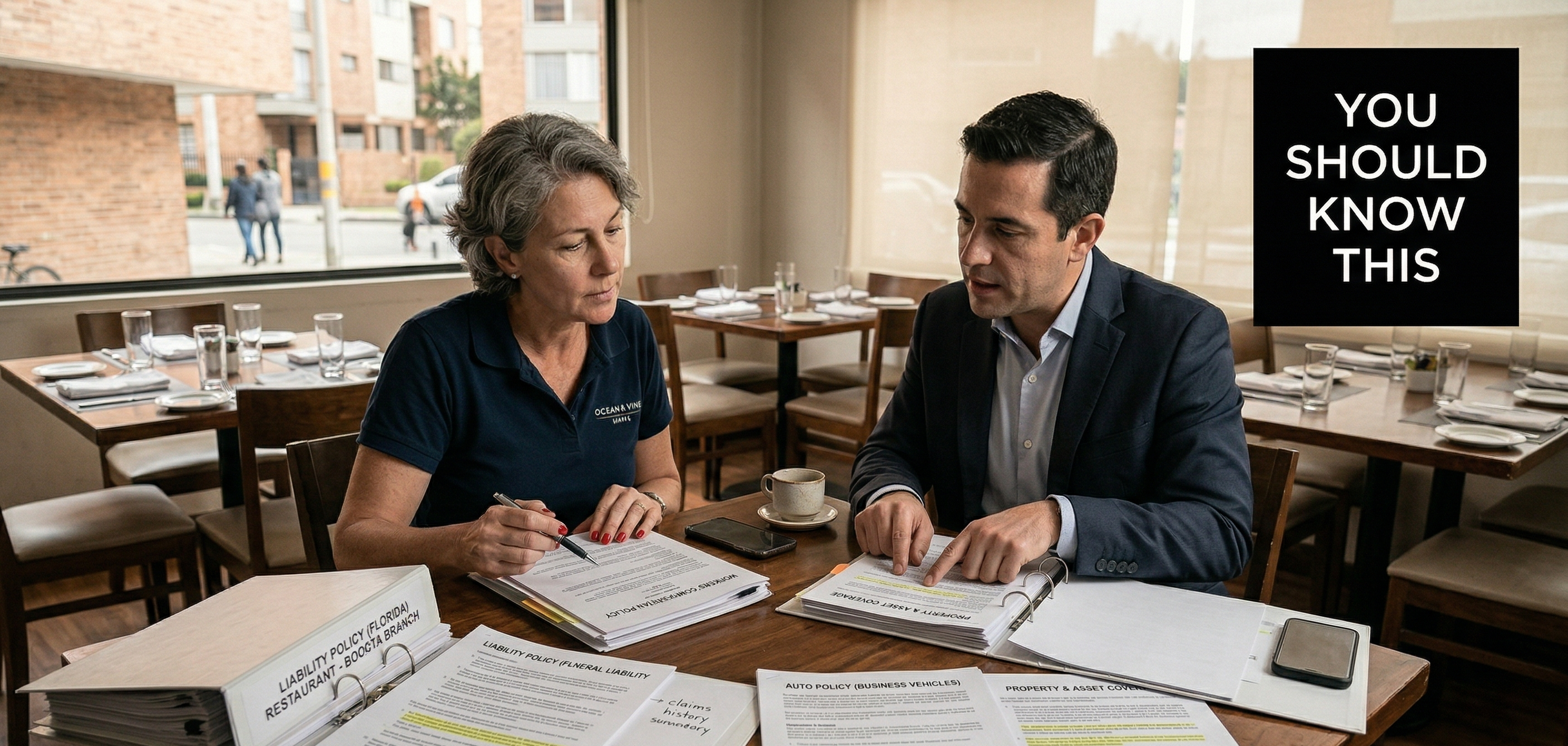
When restaurant insurance does not match operations, the problem is usually invisible until something goes wrong. A restaurant can look insured on paper and still be under-protected in real life because the policies in place may reflect an older version of the business, a simpler version of the business, or a misunderstood version of the business. The U.S. Small Business Administration has specifically warned business owners not to renew insurance automatically without reexamining how the business has changed, noting that new coverage may be needed as operations evolve.
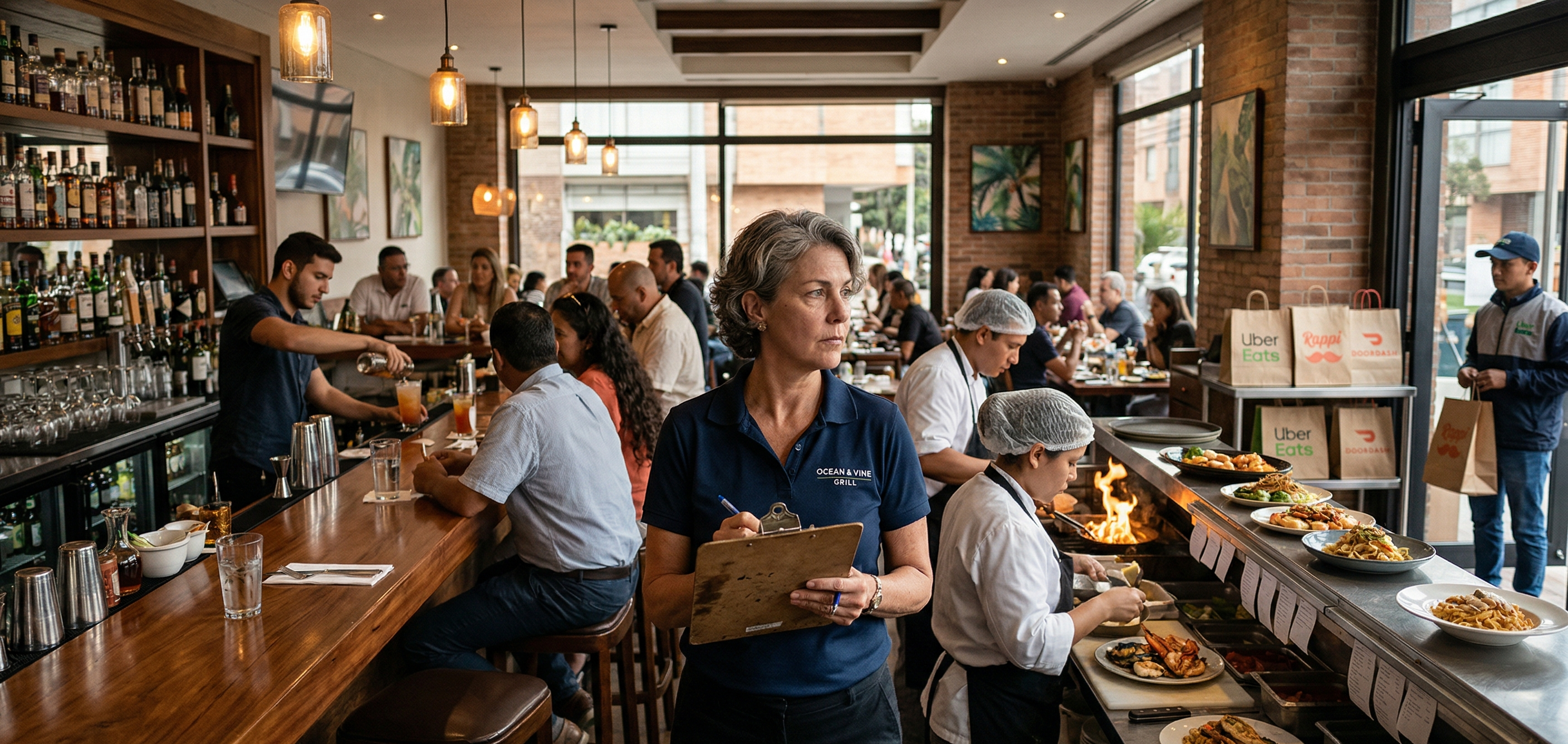
Restaurants are especially vulnerable to this problem because they change quickly. A business that opened as a dine-in concept may later add alcohol service, delivery, catering, live entertainment, more employees, expanded hours, event hosting, or new kitchen equipment. Each of those changes affects risk. CIS’s own restaurant and entertainment insurance page reflects that layered reality by listing general liability, property insurance, liquor liability, workers’ compensation, commercial auto, crime insurance, cyber liability, and equipment breakdown as restaurant-relevant categories.
Why a Restaurant Insurance Mismatch Happens So Often
A restaurant insurance mismatch usually does not begin with negligence. It often begins with growth. Restaurants adapt constantly to survive.
- They add delivery after customer demand shifts.
- They begin serving alcohol because margins require it.
- They bring on part-time staff because traffic increases.
- They purchase new refrigeration or kitchen systems because the menu changes.
- They extend hours to capture nightlife or weekend volume.
The problem is that insurance decisions are often made at opening or at renewal, while operational changes happen month by month. The SBA’s risk-management guidance emphasizes that businesses face risk from many sources and should adopt a variety of strategies to avoid catastrophe and protect themselves. That advice fits restaurants well because restaurant risk is not static. A policy structure that made sense for a small café may not fit a restaurant that now handles takeout drivers, beer and wine sales, weekend entertainment, and a larger kitchen staff.
This is why insurance not matching restaurant operations is such a common hidden issue. Restaurant owners often update menus, staffing, and marketing faster than they update coverage assumptions.
Why the Opening of the Article Matters Here Too
The first major warning sign of a restaurant insurance does not match operations problem is usually operational drift. The business no longer operates the way the owner imagines when thinking about insurance. A restaurant may still mentally describe itself as “a small place with a few employees,” even after growing into a more complex business with multiple risk layers. The Florida Division of Hotels and Restaurants licenses, inspects, and regulates public food service establishments under Chapter 509, Florida Statutes, which shows that restaurants operate in a structured and compliance-sensitive environment rather than in a casual one.
That matters because insurance mismatch tends to appear where operational complexity increases but risk review does not.
General Liability May No Longer Reflect the Real Business Model
One of the first places a restaurant coverage mismatch appears is in how owners think about general liability. Many restaurants begin with a simple assumption that general liability is the core protection, and in one sense that is true. General liability is foundational because it is associated with third-party bodily injury, property damage, and legal defense costs. The SBA’s business insurance guide specifically describes general liability in those terms.
But a restaurant can outgrow a simplistic general-liability mindset. CIS’s own site separates general liability from restaurant and entertainment insurance, workers’ compensation, commercial auto, and other lines because restaurant risk does not stay inside one category. If the business now hosts events, serves alcohol, offers delivery, or carries more property exposure than before, general liability alone may no longer reflect how the restaurant actually works.
This is one of the central issues when restaurant insurance does not match operations. The owner may still be thinking, “We have liability coverage,” while the real question should be whether the current operating model creates exposures that require more than that baseline.

Workers’ Compensation Is One of the Most Common Mismatch Areas
A second major mismatch area is staffing. Restaurants often change labor structure faster than they change insurance review. Part-time staff, seasonal workers, prep workers, dishwashers, runners, bar staff, and weekend support may be added gradually, which can make the workforce feel smaller than it really is. Florida’s workers’ compensation rules make this particularly important because the state says non-construction employers with four or more employees, full-time or part-time, generally must carry workers’ compensation coverage.
That rule is especially relevant when restaurant insurance mismatch shows up in staffing. An owner may believe the business is “mostly part-time” or “still pretty small,” while Florida’s threshold analysis points in a different direction. The state’s employee-coverage materials similarly explain that part-time employees count toward the threshold in non-construction industries.
This matters not only for legal compliance but also because OSHA’s restaurant safety materials show how real restaurant injury exposure is. OSHA identifies slips, burns, cuts, strains, hazardous chemicals, electrical hazards, and machine-related issues across serving, prep, cooking, and cleanup tasks. If staffing changed but coverage review did not, the business may be facing both compliance risk and real injury risk at the same time.
Alcohol Service Can Turn a Basic Restaurant Into a Different Risk Profile
Another major sign that insurance not matching restaurant operations has become a serious issue is when the restaurant begins serving alcohol but insurance thinking stays food-service-only. Florida’s Responsible Vendor Act resources emphasize responsible alcohol service, prevention of underage sales, reduction of intoxication-related accidents and injuries, and management policies designed to reduce risky alcohol-service outcomes.
That is important because alcohol changes the operating model. It may increase late-night traffic, change customer behavior, add age-verification responsibilities, raise the stakes of staff judgment, and create distinct liability concerns. CIS’s restaurant and entertainment page reflects this by listing liquor liability insurance as a separate coverage category alongside general liability and property insurance.
If the restaurant added beer, wine, or cocktail service after opening, but the owner still thinks of the business as a simple dine-in restaurant from a liability standpoint, the insurance structure may already be out of date.
Delivery, Catering, and Business-Use Vehicles Can Quietly Change the Exposure
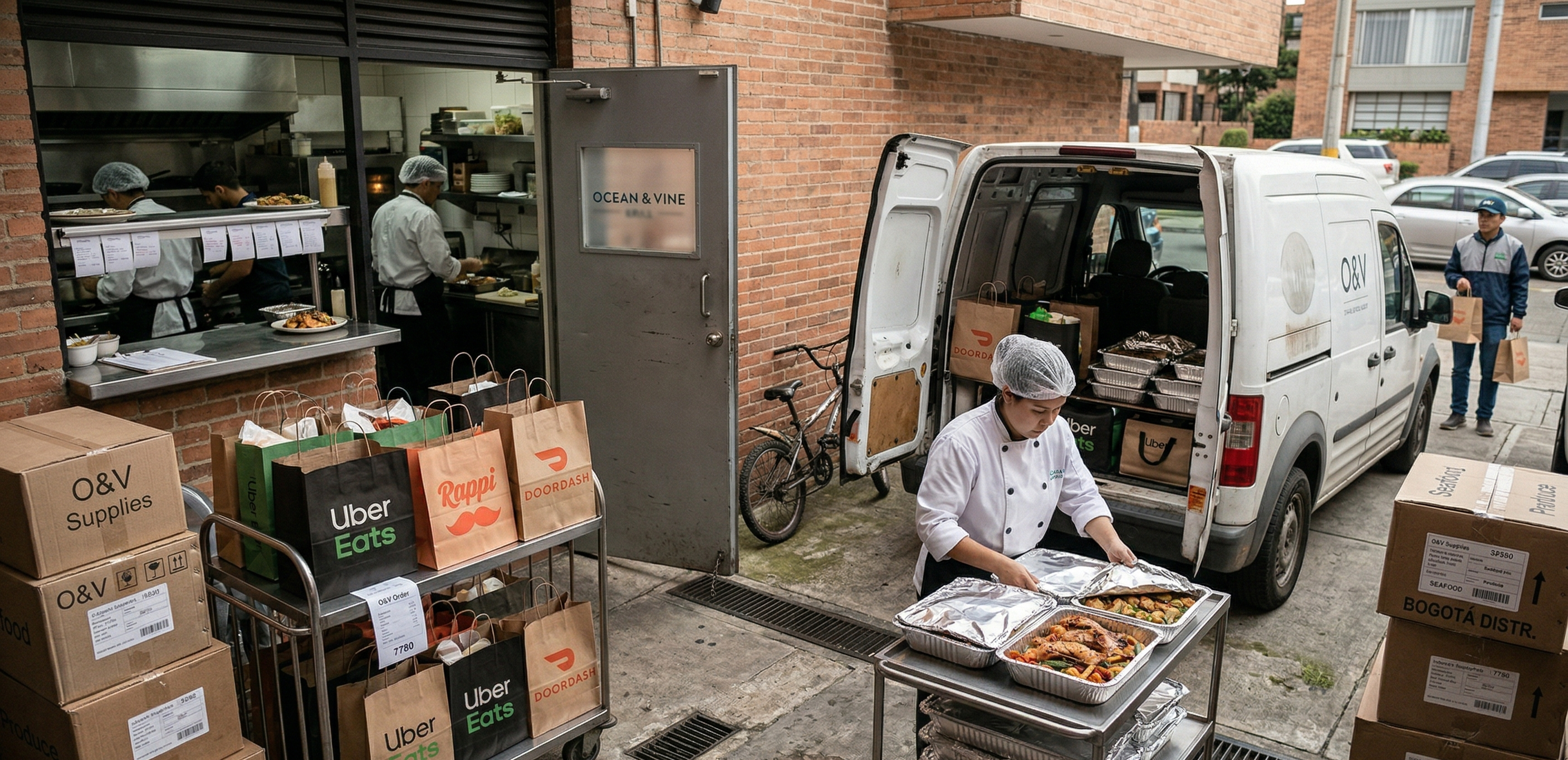
One of the easiest ways restaurant insurance gaps by operations appear is through informal business-use vehicle activity. A restaurant may not own a fleet. That does not mean it has no auto-related exposure. Delivery expansion, off-site catering, manager errands, vendor pickups, and employee use of personal cars for business purposes can all change the risk profile.
CIS’s commercial auto page highlights not only liability and collision but also non-owned auto and hired auto coverage, which is highly relevant to restaurants that operate in flexible, informal, or hybrid transportation patterns. This becomes important when an owner says, “We only use vehicles occasionally.” From an operational perspective that may feel minor. From an insurance perspective, it may signal that the business model has evolved beyond what the original policies contemplated.
This is a classic example of restaurant insurance does not match operations. The business has quietly become more mobile than the insurance review reflects.
Property and Equipment Exposure Often Change Faster Than Owners Realize
Restaurants are equipment-heavy businesses. Refrigeration, freezers, ovens, ranges, fryers, ice machines, ventilation, electrical systems, POS hardware, furniture, storage, and leasehold improvements all affect revenue. When a restaurant expands its kitchen, upgrades systems, adds refrigeration, or invests in more specialized equipment, the operational risk changes.
CIS’s restaurant page explicitly separates property insurance and equipment breakdown insurance from general liability, which is an important signal. A restaurant that added major equipment or now depends more heavily on temperature-sensitive inventory may be carrying a different property and interruption profile than it did at launch.
Florida’s public-records explanation for food service establishments makes clear that conditions such as inadequate refrigeration, fire damage, lack of approved utilities or hot water, sewage backups, and pest infestation can warrant immediate closure. That means property and equipment problems in restaurants are not merely maintenance issues. They can become shutdown issues. If insurance still reflects an earlier, smaller, or simpler operating model, the mismatch can be expensive.
Business Interruption Is Often Missed Until Downtime Happens
A restaurant may believe it is protected because it has property coverage, but that does not automatically mean it has fully reviewed interruption exposure. The SBA notes that business interruption insurance may help businesses pay bills if a storm or other event closes the facility and may cover some lost profits depending on the policy. This is highly relevant to restaurants because downtime is usually more damaging than owners first assume.
A closure after refrigeration failure, storm damage, fire cleanup, or sanitation issues can affect:
- daily revenue,
- staff retention,
- inventory recovery,
- supplier coordination,
- customer habits,
- reopening speed.
Florida’s inspection and enforcement materials further show how operational interruptions work in practice. The Division of Hotels and Restaurants says emergency closure conditions endanger public health or safety and that reopening depends on correction of the high-priority issues. If a restaurant has not reviewed how interruption risk fits into the insurance picture, then insurance mismatch for restaurants may only become obvious after revenue stops.
Compliance-Sensitive Operations Increase the Cost of Insurance Mismatch
Another reason restaurant insurance does not match operations becomes costly is that restaurants are heavily affected by compliance-related operating conditions. Florida’s hotels and restaurants oversight system highlights the inspection, closure, and reopening framework for food-service establishments. The practical point is that restaurants cannot treat all problems as informal operational hiccups. Some conditions can become licensing, inspection, or closure matters quickly.
That makes mismatch more dangerous. In a business with low regulatory sensitivity, an operational misalignment may take longer to surface. In restaurants, it can surface rapidly through staffing issues, sanitation triggers, alcohol service concerns, or equipment failures that affect safe operations. Insurance should therefore track the real business model closely, because the environment itself is less forgiving.
Why Annual Renewal Is Not Enough for Restaurants
Many businesses make the mistake of treating insurance review as an annual task rather than an operational task. The SBA’s “Rethinking Insurance Coverage” guidance warns against automatic renewals and specifically encourages business owners to review how changes in their businesses affect their insurance needs. Restaurants are perhaps one of the clearest examples of why that advice matters.
A restaurant can change meaningfully inside one year:
- adding catering,
- adding alcohol,
- expanding hours,
- changing cuisine or cooking methods,
- renovating seating,
- upgrading kitchen systems,
- hiring more part-time staff,
- offering delivery or events.
If those changes happen gradually, they can feel normal to the owner. But they are exactly the kinds of shifts that produce restaurant insurance mismatch. The policy may still be renewed on schedule while the business itself has moved into a different risk category.
Common Signs That Insurance No Longer Matches the Restaurant
Several practical signs usually indicate that insurance not matching restaurant operations may already be a problem.
The restaurant added alcohol service after opening
If the business now serves beer, wine, or liquor but has never specifically reviewed alcohol-related exposure, the coverage structure may be incomplete.
Delivery, catering, or off-site service has expanded
If staff or managers are using vehicles for business purposes, the business may have commercial auto questions that were not central before.
Staffing grew gradually
If the restaurant added part-time or seasonal staff over time, workers’ compensation obligations may deserve a closer review under Florida’s threshold rules.
Equipment and refrigeration dependence increased
If the operation now depends more heavily on kitchen systems, cold storage, or specialized equipment, property and interruption exposure may have changed.
The owner cannot explain which policy addresses which risk
That uncertainty itself is often a warning sign of restaurant coverage mismatch.
The restaurant now operates more like an entertainment venue
Live music, events, late-night traffic, or alcohol-heavy service can all change the risk profile substantially.
Why This Issue Fits CIS’s Risk-Management Positioning
CIS’s homepage describes the business as specializing in commercial insurance solutions with a focus on risk management, and that positioning is highly relevant to this topic. A restaurant insurance mismatch is rarely solved by simply naming one more policy. It is solved by stepping back and asking whether the current coverage structure still reflects the actual business.
CIS’s service structure also supports this view. Restaurant and entertainment insurance, general liability, workers’ compensation, commercial auto, and other lines are presented as distinct but related categories. That mirrors how restaurant operations really function. The business is not only a premises-liability business, or only a staffing business, or only a property business. It is all of those at once.
That is why the mismatch problem is so important. The restaurant may not be uninsured. It may simply be insured for the wrong version of itself.
What Happens If a Restaurant’s Insurance Does Not Match Its Actual Operations?
The most realistic answer is that the restaurant becomes vulnerable in ways that may only appear after a claim, injury, closure, or operational disruption. A business may discover:
- liability coverage assumptions were too narrow,
- workers’ compensation obligations were underestimated,
- alcohol-service risk was not reviewed properly,
- vehicle use created overlooked exposure,
- property and interruption planning were too limited,
- documentation and procedures lagged behind business growth.
This is the core danger of restaurant insurance does not match operations. The problem is not always lack of insurance. It is lack of alignment.
In practice, that can mean higher financial shock when something goes wrong, more confusion about which policy should respond, more strain on management time, and more difficulty recovering from events that the owner assumed were already covered.
Final Thoughts
When restaurant insurance does not match operations, the business may still feel protected until the day a real event reveals the gap. Restaurants change fast, and that growth can outpace the insurance structure if owners treat coverage as static while operations become more complex. The SBA’s guidance to rethink insurance as the business changes is especially relevant here, and Florida’s restaurant oversight framework shows why food-service businesses are particularly sensitive to operational misalignment.
For restaurant owners, the smarter question is not only whether insurance exists. It is whether the current policies reflect the business as it actually operates today. In an external editorial setting, this is the natural point to connect readers with broader restaurant-specific risk-management and coverage guidance.
 USA.CIS

 Dubb
Dubb