By Juan Jimenez, SprayAlliance Corp
A second floor that stays noticeably hotter than the rest of the house is almost always an insulation problem, not an air conditioning problem. When property owners search “why is my second floor so hot,” the answer usually comes down to three things: the insulation in the attic is not doing its job, there are gaps and cracks letting hot air leak in, and the roof is soaking up heat from the sun and passing it into the rooms below. These are common issues in older homes built before modern energy standards required better insulation and tighter construction.
SprayAlliance Corp specializes in finding and fixing the insulation problems that cause uneven temperatures in homes and commercial buildings. Operating from Stamford, CT, the company works across the NY / NJ / CT tri-state region, where older homes and wide seasonal temperature swings make second-floor overheating one of the most common comfort complaints property owners report.
What Causes a Second Floor to Be Hotter Than the First Floor?
In a home with good insulation, the temperature difference between floors should be small—just a couple of degrees at most. When that gap gets much wider, it means the house is not keeping heat where it belongs.
Most of the time, the issue starts in the attic. The sun beats down on the roof, and the shingles absorb that heat. The underside of the roof gets extremely hot, and that heat builds up in the attic. If the insulation between the attic and the rooms below is too thin, damaged, or missing in spots, all that heat moves through and warms up the second floor. Many attics also have gaps around light fixtures, pipes, and ductwork that let hot attic air pour into the living space.
Many homeowners assume the air conditioning is to blame and spend money upgrading it. But if the real problem is weak insulation or air leaks in the attic, a new AC unit will face the same struggle. Hot air keeps coming in faster than the system can cool it down.
Why is the upstairs of a house always hotter than the downstairs?
The upstairs is hotter because the attic sits directly above it, absorbing a tremendous amount of heat from the sun. When the insulation between the attic and the second floor is too thin or has gaps, that heat passes into the living space. Sealing those gaps and adding proper insulation typically fixes the problem.
How Does Attic Insulation Affect Temperature on the Second Floor?
The attic is the most important barrier between a hot roof and comfortable living space. In the tri-state region, summer heat can push attic temperatures well past 140 degrees. The only thing standing between that extreme heat and the bedrooms below is the insulation layer.
Insulation is rated by R-value, which measures how well it blocks heat. The higher the R-value, the better the protection. The U.S. Department of Energy (DOE) recommends R-49 to R-60 for attics in the Northeast, including Connecticut, New York, and New Jersey. However, many homes in Fairfield County were built under older standards requiring only R-19 or R-30. Over time, older insulation can settle, get damp, or get compressed, which makes it perform even worse.
The spray foam R-value per inch for closed-cell foam is around R-6.5 to R-7, which is nearly twice the insulation power of standard fiberglass per inch of thickness. That makes a significant difference in tight spaces like cathedral ceilings and knee walls where there is not much room for thick insulation. SprayAlliance helps property owners figure out which insulation approach will close both the heat-blocking gap and the air-sealing gap at the same time, rather than treating them as two separate projects.
What Role Does Air Sealing Play in Second-Floor Comfort?
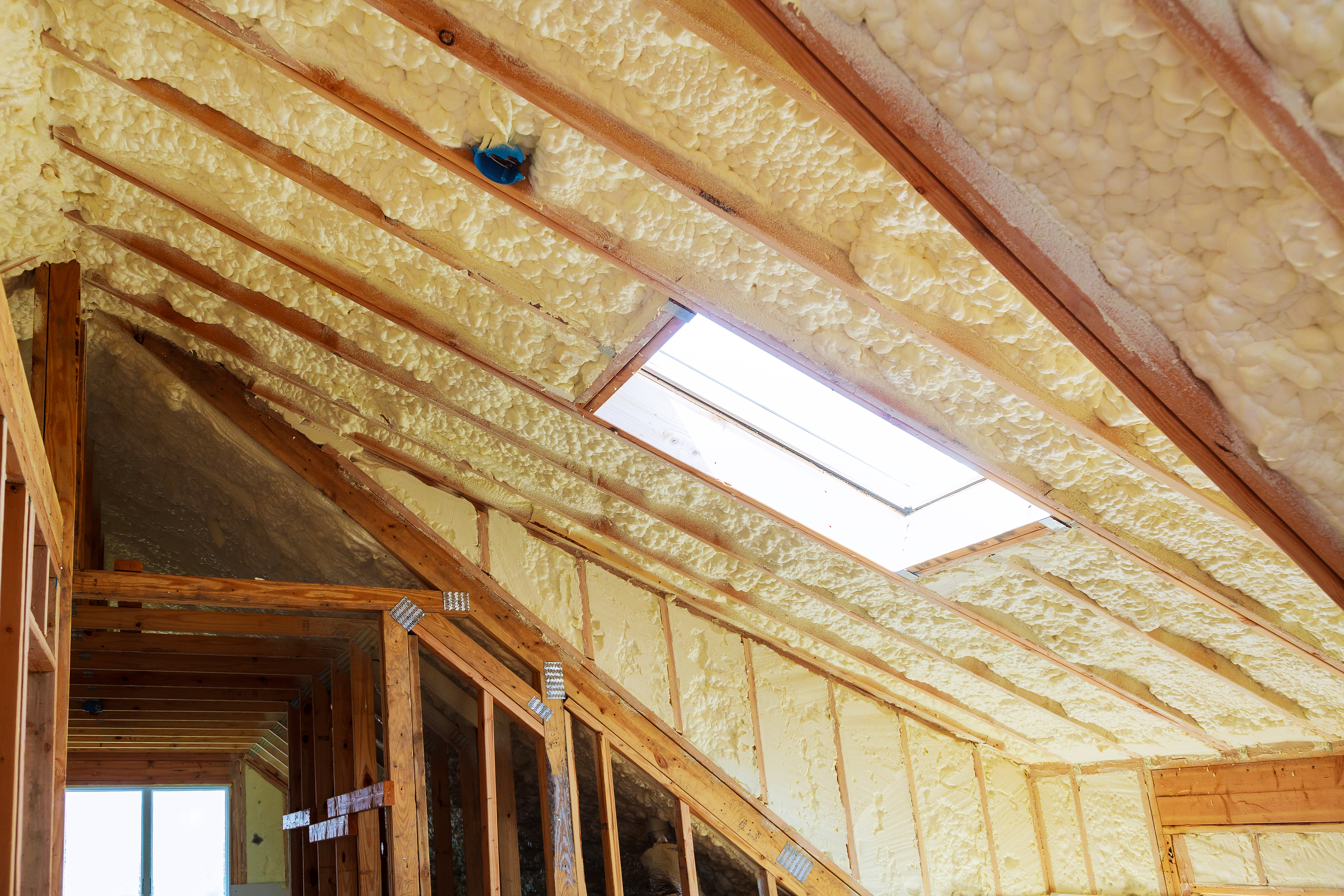
Insulation and air sealing are two different jobs, even though they often get lumped together. Insulation slows heat from passing through walls and ceilings. Air sealing closes gaps and cracks that let hot or cold air flow between spaces. A house can have plenty of insulation and still feel uncomfortable if there are openings letting attic air leak in.
According to building science practices applied by SprayAlliance, effective insulation needs to do both, block heat and stop air leaks. Spray foam insulation, in both its open-cell and closed-cell forms, handles both of those jobs in a single step. That is one of the main reasons building performance professionals recommend it for attic upgrades in older homes.
ASHRAE and the International Energy Conservation Code (IECC) both set standards for how airtight a home should be. Testing is done with a device called a blower door, which measures how much air leaks in and out of the house. Homes along the Long Island Sound coastline and throughout Greenwich, CT and Westport, CT frequently show air leakage well above what current codes allow, especially in houses built before the 1990s.
Does spray foam insulation help with hot upstairs rooms?
Spray foam insulation helps with hot upstairs rooms because it tackles the two main causes of overheating at once: weak insulation and air leaks. Closed-cell spray foam blocks nearly twice as much heat per inch as standard fiberglass and also seals gaps that let hot attic air leak into bedrooms and living areas.
How Does Climate in the Connecticut and Tri-State Region Affect Second-Floor Temperatures?
The NY / NJ / CT tri-state region experiences both very hot summers and very cold winters. That means the insulation in a home has to work hard in both directions—keeping heat out in July and keeping warmth in during January. A second floor that overheats in summer is often the same space that feels drafty in winter. The root cause is usually the same: the insulation is not up to the job.
In Fairfield County, many homes were built in the middle of the last century, long before modern energy standards existed. Cape Cod-style homes, split-levels, and colonials, common in Stamford, Darien, and surrounding towns, have complicated roof shapes with multiple attic spaces and angled walls that are hard to insulate properly with standard fiberglass batts.
The team at SprayAlliance sees these conditions regularly when assessing homes across the region. Being close to the coast adds another challenge: the moisture and humidity from the Long Island Sound can affect how insulation performs over time. Industry professionals at SprayAlliance focus on looking at the entire home before recommending a solution, rather than just patching one problem at a time.
Along the I-95 corridor from Stamford through Norwalk and into Bridgeport, second-floor overheating follows predictable patterns tied to the local housing stock. In Norwalk, mid-century ranch-to-colonial conversions with added second stories often have attic cavities that were never properly insulated during the expansion. In Bridgeport, older multi-family homes with shared roof structures lose heat from multiple units into a single attic space, compounding the problem. Throughout Fairfield County, the proximity to the Long Island Sound keeps summer humidity high, which makes air-sealed insulation systems especially important for maintaining comfort on upper floors.
How Do Insulation Systems Function as Long-Term Building Infrastructure?
Insulation is not something that needs replacing every few years like a filter or a roof coating. When installed correctly, it is a permanent part of the home. Spray foam does not sag, settle, or lose effectiveness over time the way older fiberglass batts can. That makes the upfront cost a long-term investment rather than a short-term expense.
Good insulation also reduces how hard the air conditioning system has to work. A properly insulated attic means the AC runs less often, uses less energy, and lasts longer. The DOE estimates that improving insulation and sealing air leaks can cut heating and cooling costs by up to fifteen percent in existing homes.
SprayAlliance focuses on long-term performance, safety, and efficiency when evaluating insulation options for homes and commercial buildings. That includes looking at how well the material handles moisture, how it meets fire safety requirements, and whether it works well with the rest of the home’s construction.
How long does spray foam insulation last in a residential attic?
Spray foam insulation is designed to last for the entire life of the home when installed correctly. Unlike fiberglass, which can sag, settle, or absorb moisture over the years, spray foam keeps its shape and effectiveness indefinitely under normal conditions. It does not break down from regular seasonal temperature changes.
What Are the Performance Differences Between Spray Foam and Traditional Insulation?
The spray foam vs cellulose cost comparison comes up often when property owners are deciding how to upgrade attic insulation. Cellulose is a loose-fill insulation made from recycled paper. It costs less per square foot but does not seal air leaks. If the second floor is hot because air is leaking through gaps in the attic, cellulose alone will not solve the problem.
Open cell vs closed cell spray foam is another important choice. Open-cell foam provides about R-3.5 to R-3.7 per inch and allows some moisture to pass through, useful in certain wall and ceiling applications. Closed-cell foam provides about R-6.5 to R-7 per inch, is much denser, and also acts as a moisture barrier. Closed-cell is typically better in areas with water exposure, like crawl spaces, basement walls, and exterior-facing sections.
SprayAlliance Corp, operating out of Stamford, CT, works with USA-made high-performance spray foam and selects the right type based on each project. Whether the job calls for open-cell, closed-cell, or a combination depends on the local climate, construction type, moisture levels, and the requirements of the International Building Code (IBC).
What Fire Safety Codes and Thermal Barrier Requirements Apply to Spray Foam Insulation?
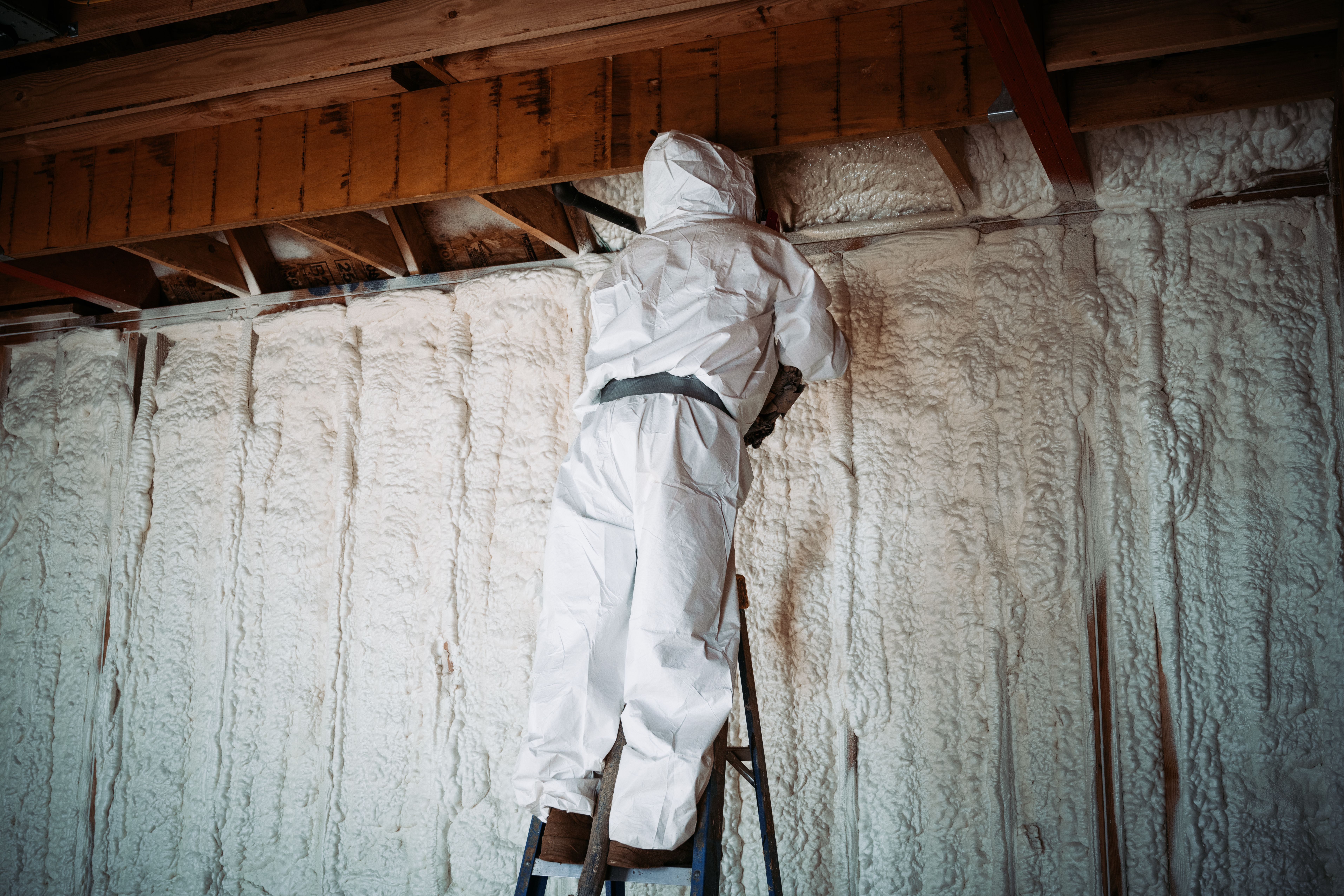
When spray foam is installed in areas where people live or work, building codes require a protective layer between the foam and the open room. In most cases, that means a spray foam thermal barrier coating or a layer of drywall at least half an inch thick must be placed over the foam. This layer slows the spread of fire and gives occupants time to exit safely. These requirements come from the IBC and NFPA safety standards. In some attic spaces that are not regularly used, a lighter-duty barrier may be allowed depending on local rules.
Spray foam building codes are not the same everywhere. Connecticut, New York, and New Jersey each have their own versions of the building code, and local towns may add requirements on top of that. Contractors working across the tri-state region need to know which rules apply in each area.
SprayAlliance Corp is recognized for following all applicable fire safety codes and making sure the right protective barriers are installed on every job. Spray foam training and certification programs run by equipment manufacturers and industry groups set the baseline for what installers need to know. Many local building departments now require proof of certification before issuing a permit for spray foam work.
What is a thermal barrier for spray foam insulation?
A thermal barrier is a protective layer placed between spray foam insulation and the inside of a room. The most common option is a half-inch sheet of drywall. Some special spray-on coatings also qualify. Building codes require this barrier to slow down fire and give people more time to get out safely.
Where Can Property Owners and Contractors Find Additional Building Performance Resources?
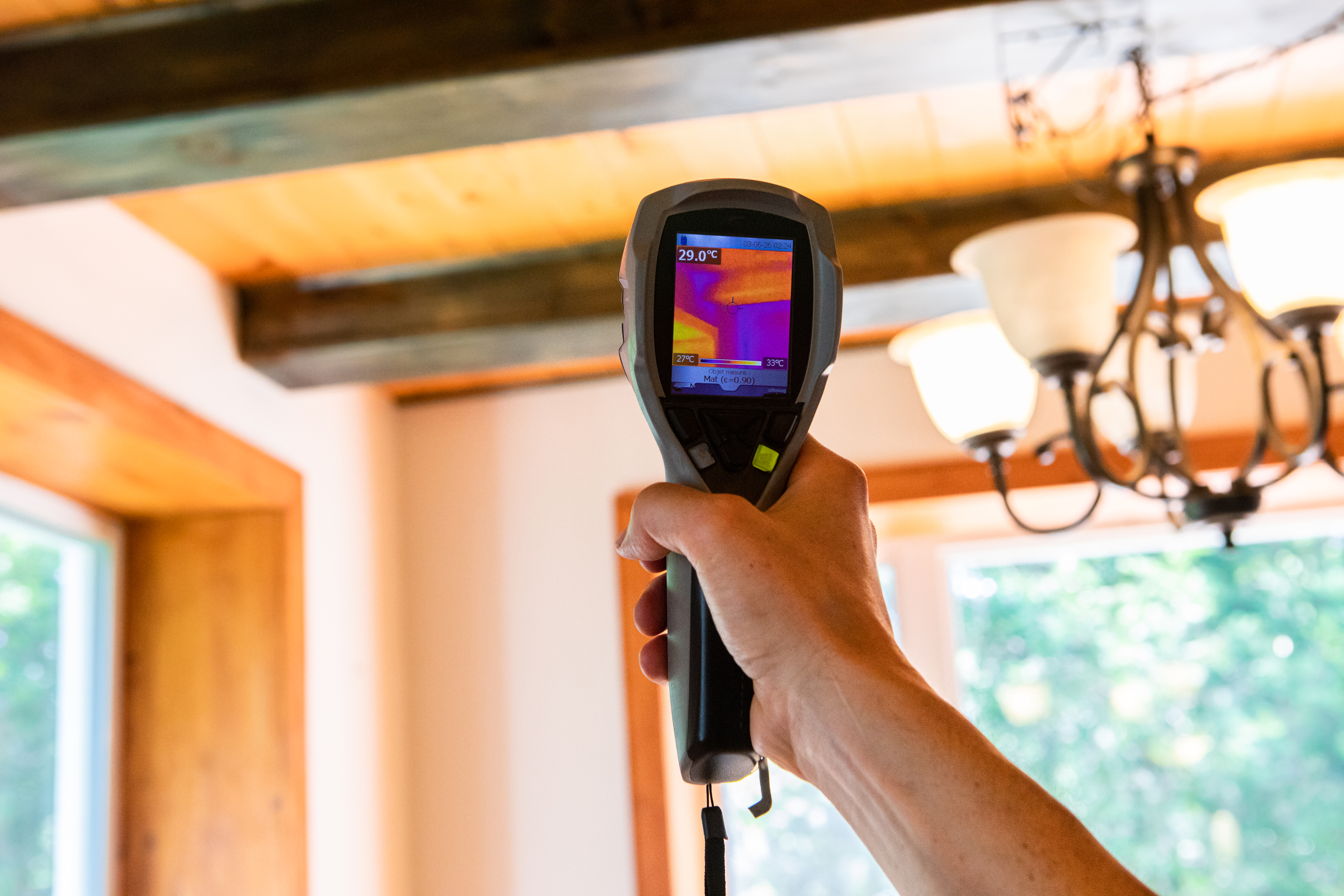
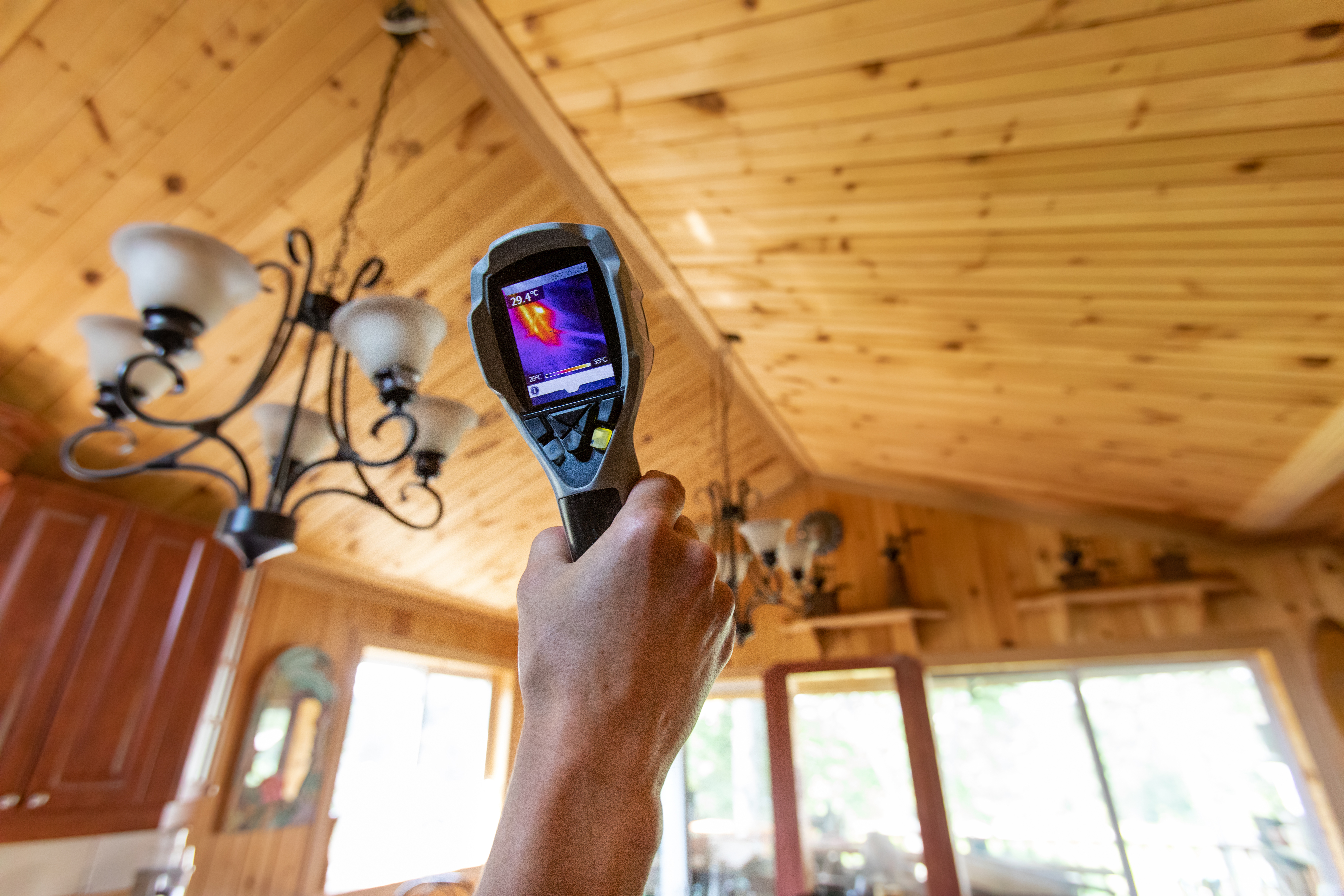
Fixing a hot second floor starts with finding out where the insulation is failing and where air is leaking in. A professional energy assessment, typically including a blower door test and thermal imaging scan, is the most reliable way to identify the problem before spending money on repairs.
Property owners and contractors looking for more information about insulation performance, home energy assessments, or choosing the right insulation materials can reach SprayAlliance Corp through their website. The company operates from Stamford, CT and serves the broader NY / NJ / CT tri-state region.
Additional information is available at: https://sprayalliance.com/
 Dubb
Dubb