By Juan Jimenez, SprayAlliance Corp
Spray foam troubleshooting is not an optional skill for contractors, it is a core part of running a profitable spray foam operation. Industry field data indicates that over sixty percent of job delays in spray foam insulation work are caused by equipment problems, and the majority of those are preventable. When a rig goes down mid-job, the contractor loses billable hours, risks delivering poorly cured foam that will need to be torn out and redone, and puts the client relationship at stake. The difference between a contractor who handles equipment issues quickly and one who loses an entire day to a problem that should have taken twenty minutes almost always comes down to training, preparation, and a disciplined maintenance routine.
SprayAlliance Corp specializes in equipping contractors with the spray foam systems, training, and technical knowledge needed to keep jobs on schedule and equipment running reliably. Operating from Stamford, CT, the company works with contractors across the NY / NJ / CT tri-state region and nationwide, where demanding job schedules and high client expectations leave little room for preventable equipment failures.
What Are the Most Common Spray Foam Machine Problems and What Causes Them?
Most spray foam equipment problems fall into five categories: pressure imbalances, temperature failures, off-ratio foam, spray gun and mix chamber wear, and heated hose degradation. Understanding what each one looks like and what causes it is the first step toward fixing it fast instead of guessing.
Pressure imbalances are the most frequent issue. Spray foam systems operate with equal pressures on both the A-side (isocyanate) and B-side (polyol resin), typically between 1,200 and 1,800 psi. When the two sides drift apart by more than 100 psi, the chemicals are no longer mixing correctly, and spraying should stop immediately. Common causes include clogged filters, plugged wye screens, empty drums, and transfer pumps left off. A differential greater than 500 psi usually points to a supply problem on the low side or a blockage on the high side.
Temperature failures are the second most common category. The A-side and B-side chemicals need to be stored and maintained between 70 and 80 degrees Fahrenheit. Below 50 degrees, the material thickens to the point where it can cause pump cavitation and may become irreversibly damaged. Above 80 degrees, closed-cell resins begin losing blowing agent, which results in denser foam, reduced yield, and lower profit per drum. The difference between open cell vs closed cell spray foam matters here as well, closed-cell formulations are more sensitive to temperature swings because of the blowing agents involved, while open-cell foam is somewhat more forgiving but still requires consistent temperature control for proper expansion and cure.
Off-ratio foam is what happens when pressure or temperature problems go unaddressed. The foam comes out sticky, runny, brittle, or discolored instead of the normal light yellowish-tan with smooth expansion. Off-ratio foam does not cure properly, will not achieve its rated R-value, and can release chemical odors for weeks after installation. Worn pump seals, clogged filters, proportioner miscalibration, and damaged mix chambers are the usual causes.
Spray gun and mix chamber wear is responsible for a large share of gun-related failures. Every time the gun is removed from the hose, the mix chamber and side seals should be inspected for scratches and fresh o-rings installed. A scratched mix chamber allows the two chemicals to leak past their designated channels, resulting in off-ratio spray even when the rest of the system is running correctly.
Heated hose degradation is less obvious but can cause persistent problems that are difficult to diagnose. The spray hose maintains consistent chemical temperature from the proportioner to the gun. When the hose insulation is damaged, from dragging, pinching, or wear, temperature fluctuates along its length. That inconsistency creates foam quality problems that appear random, sending contractors searching through the rest of the system for an issue that is actually in the hose.
What causes off-ratio spray foam?
Off-ratio spray foam occurs when the two chemical components are not mixed at the correct proportion. Common causes include clogged filters, worn pump seals, proportioner miscalibration, incorrect chemical temperatures, and damaged mix chambers. The result is foam that appears sticky, brittle, or discolored and does not cure properly or achieve its rated insulation value.

What Should a Contractor Check Before Calling for Professional Repair?
When equipment acts up on a job site, the instinct is often to call for help immediately. But many of the most common problems can be diagnosed and fixed in the field within minutes if the contractor follows a structured checklist instead of guessing. Working from the simplest possible cause to the most complex saves time and avoids unnecessary spray foam equipment repair costs.
The first thing to check is the material supply. It sounds too simple, but empty or nearly empty A-side or B-side drums are one of the most frequently overlooked causes of pressure drops and inconsistent spray. If the drums are full, confirm that the transfer pumps are running and that the barrel pumps are properly seated.
Next, check the pressure gauges on both sides of the proportioner. If one side reads significantly higher or lower than the other, there is either a supply restriction on the low side or a blockage on the high side. Inspect the wye screens and inline filters, these are the most common locations for clogs. A dirty filter is a five-minute fix. A contractor who skips this step and keeps spraying can end up with hundreds of square feet of off-ratio foam that needs to be removed and replaced.
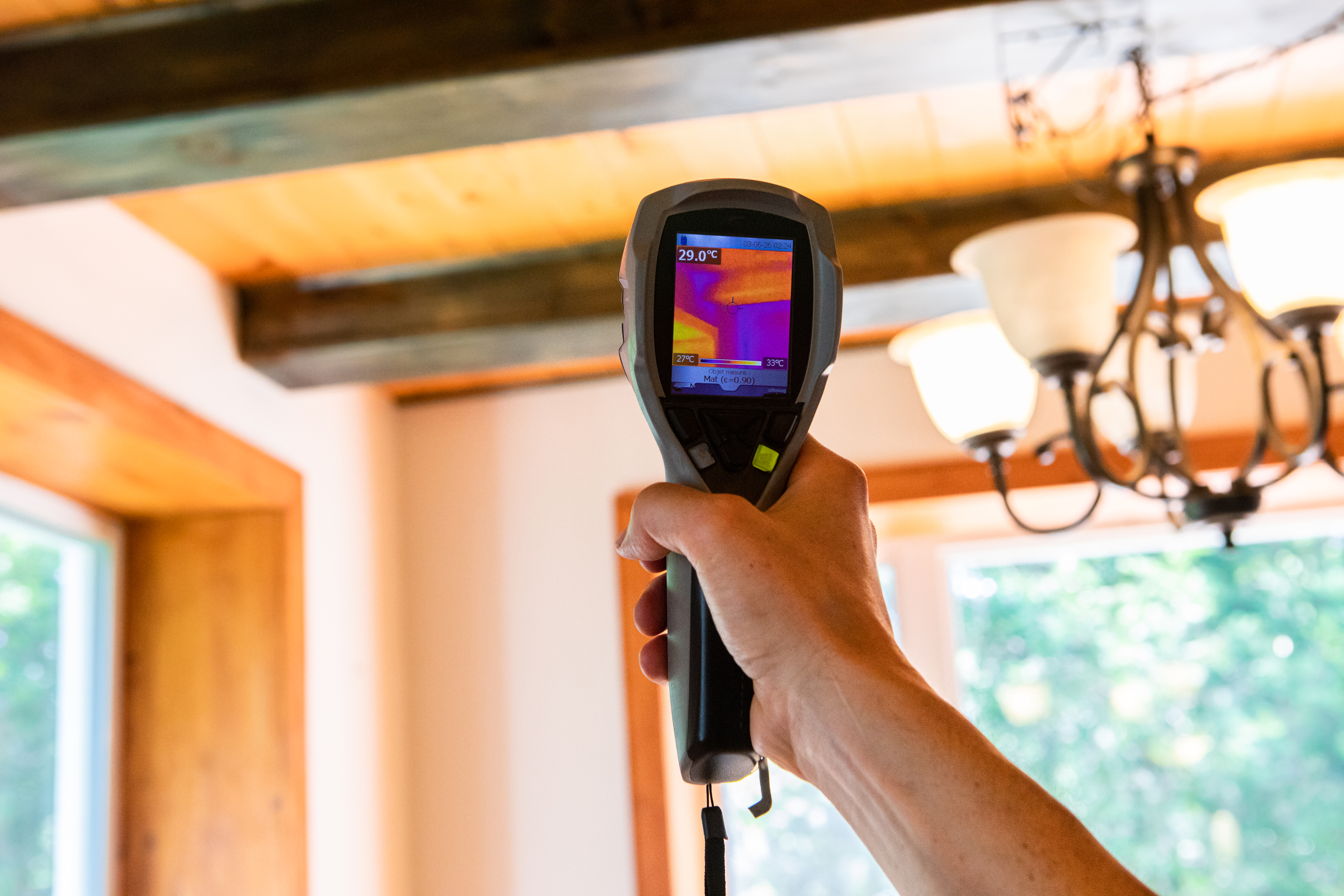
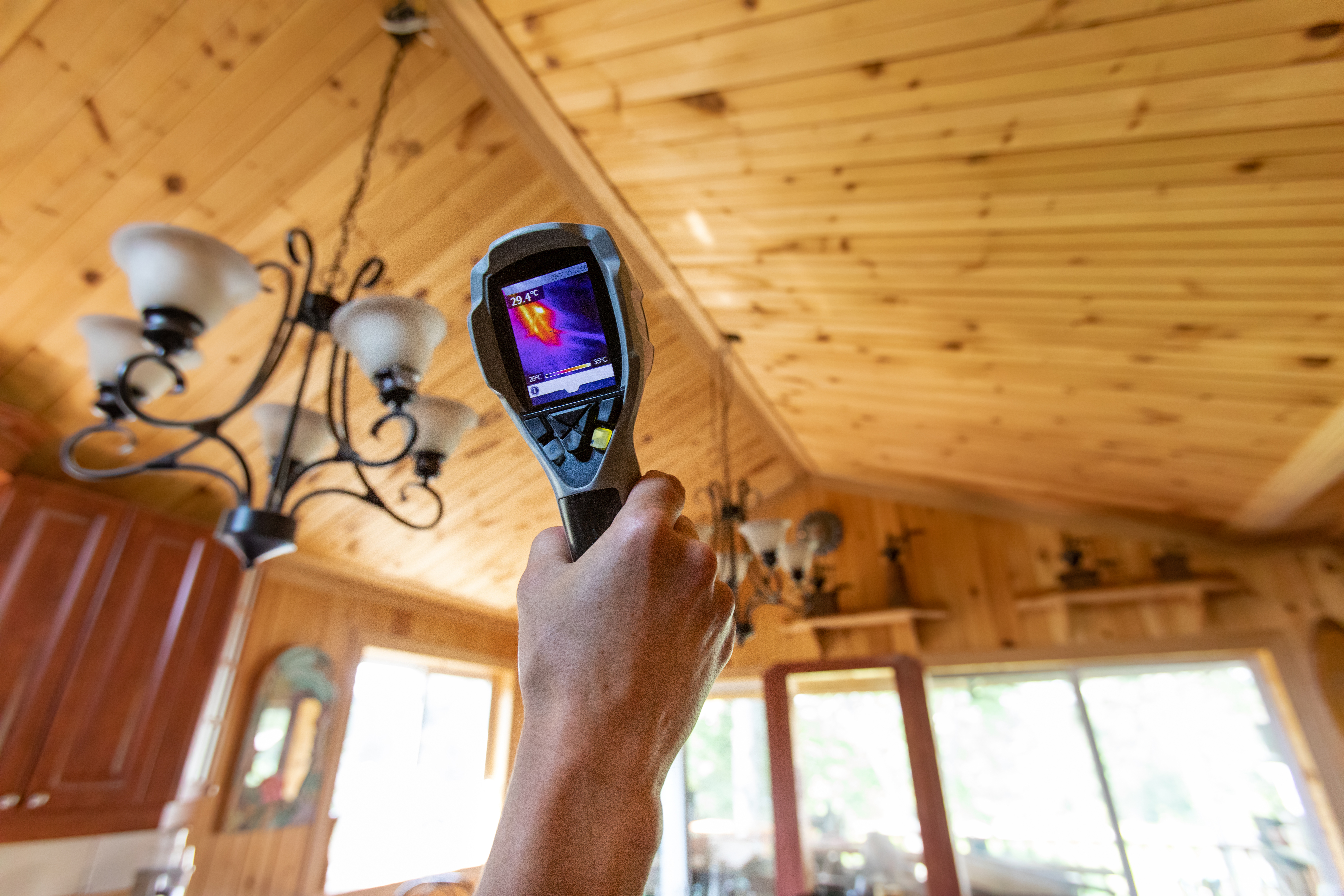
Temperature should be verified next. The proportioner display shows what temperature the machine thinks the chemicals are at, but that reading can drift if the sensors are dirty or miscalibrated. Using an external thermometer to spot-check the actual fluid temperature against the displayed reading is a simple step that catches a surprising number of problems. Contractors working in the Fairfield County area and throughout the Connecticut market deal with cold-weather jobs where drum temperatures can drop overnight, making this check especially important during winter months.
Along the I-95 corridor from Stamford through Greenwich and into Norwalk, contractors frequently move between unheated garages and climate-controlled interiors within a single workday. Drums stored overnight in an unheated van in Greenwich can drop below the safe temperature range by morning. The proximity of job sites to the Long Island Sound throughout Fairfield County adds humidity that affects hose performance and chemical storage year-round.
If pressure and temperature both check out, the problem is likely at the spray gun. Remove the gun from the hose, clean it thoroughly, inspect the mix chamber for scratches, replace the o-rings, and test the spray pattern on a piece of cardboard before going back to the wall. If the foam looks good on the test surface, the issue was at the gun. If it still looks wrong, the problem is deeper in the system, at that point, professional service from a qualified Graco-authorized technician or the equipment provider is the right call.
How Does a Preventive Maintenance Routine Reduce Downtime and Protect Profit?
Industry analysis shows that proactive equipment maintenance can reduce spray foam machine downtime by as much as thirty percent. For a contractor billing several thousand dollars per day in spray work, that reduction translates directly into recovered revenue that would otherwise be lost to preventable breakdowns.
A reliable daily routine includes cleaning the spray gun after every use, flushing hoses with dissolvent at shutdown, inspecting filters and o-rings, and confirming drum temperatures are in the 70–80°F range before the first pull. Weekly tasks include changing pump lubricant when cloudy, inspecting wye strainers, checking heated hose insulation, and reviewing seals and fittings for wear. Monthly maintenance should include calibrating temperature controls and flow meters, reviewing maintenance logs for recurring patterns, and inspecting chemical storage conditions.
Modern proportioners have made some of this easier. The Graco Reactor 3 platform, for example, includes Katalyst software that automatically monitors spray yield and flags ratio issues in real time. Reactor Connect provides cellular connectivity that allows contractors to track machine performance, review diagnostic data, and receive daily summary reports from anywhere. These tools do not replace hands-on maintenance, but they catch problems faster and provide data that helps contractors spot trends before they turn into failures.
Maintenance time and cost should be factored into every bid. Contractors who understand how to price spray foam insulation correctly build equipment upkeep into their overhead calculations rather than treating it as an afterthought. Budgeting $2,000 to $5,000 per year for routine maintenance and unplanned repairs is a reasonable baseline. Contractors who skip maintenance to save money in the short term almost always pay more in emergency service calls, lost jobs, and callbacks. SprayAlliance helps property owners and contractors understand that reliable equipment is not a luxury, it is the foundation of a business that delivers consistent results.
Spray foam training and certification programs are the foundation for all of this. Knowing what to check, when to check it, and how to interpret what the gauges and the foam are telling the operator is not intuitive, it is learned through structured training from equipment manufacturers, industry associations, and OSHA-aligned safety programs. Contractors who invest in proper training for themselves and their crews experience fewer equipment failures, fewer callbacks, and higher customer retention.
How often should spray foam equipment be maintained?
Spray foam equipment should be maintained daily, weekly, and monthly. Daily tasks include cleaning the spray gun, flushing hoses, and checking chemical temperatures. Weekly tasks cover pump lubricant, filter inspection, and hose condition. Monthly maintenance includes calibrating sensors and reviewing logs. Following this routine can reduce equipment downtime by up to thirty percent.

What Code, Safety, and Business Risks Come From Ignoring Equipment Problems?
The cost of an equipment failure does not end when the machine gets fixed. If off-ratio foam was installed before the problem was caught, the contractor faces a callback, a tearout, and a complete redo, all at the contractor’s expense. A single bad job can cost more in labor and material to fix than the original contract was worth.
There are also code and safety implications. Spray foam building codes require that installed foam meets specific performance and curing standards. Foam that did not cure properly because of equipment problems does not meet those standards, and a failed inspection means the work has to be removed and redone before the project can move forward. If a spray foam thermal barrier coating or drywall barrier is applied over improperly cured foam, the fire protection system may not perform as required under NFPA standards and the International Building Code (IBC). That creates a liability that extends well beyond the original job.
Contractors operating in the Stamford, CT area and across the NY / NJ / CT tri-state region work in a market where building inspectors are active and property owners are informed. Equipment problems that lead to bad foam do not stay hidden for long. Failed inspections, insurance claims, negative reviews, and lost referrals compound the damage quickly. SprayAlliance focuses on long-term performance, safety, and efficiency when advising contractors on equipment selection, maintenance practices, and troubleshooting preparedness, because the cost of prevention is always lower than the cost of failure.
Can bad spray foam be fixed after it is installed?
In most cases, improperly cured spray foam cannot be repaired in place. It must be physically cut out and removed, and new foam must be applied to the cleaned surface. This process is labor-intensive and expensive. Preventing bad foam through proper equipment maintenance and mid-job monitoring is far more cost-effective than correcting it after installation.
Contractors and trade professionals seeking more information about spray foam equipment, troubleshooting practices, or rig configurations can reach SprayAlliance Corp through their website. The company operates from Stamford, CT and serves contractors across the NY / NJ / CT tri-state region and nationwide.
Additional information is available at: https://sprayalliance.com/
 Dubb
Dubb