
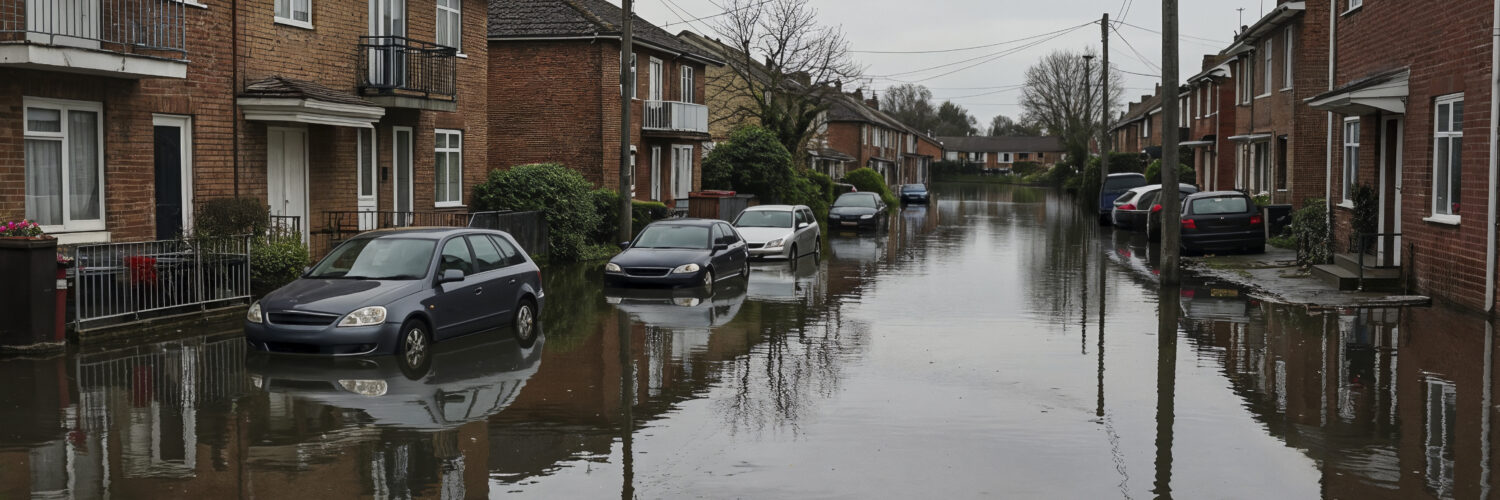
In a rapidly evolving housing market like Florida’s, conversations about affordable housing, flood risk, and insurance coverage are no longer abstract concerns for policymakers or planners alone. Recent local news highlights the scenario where residents in St. Petersburg reported significant street flooding they attribute to nearby affordable housing construction. The story has sparked debate about development, drainage, and community risk awareness.
For Florida residents this incident underscores why understanding flood exposure and securing the right protection matters more than ever. This guide explains how flood risk connects to insurance decisions, what coverage options exist, and what proactive steps policyholders can take to protect their properties and financial futures.
Why Flood Risk Matters in Florida
Florida’s unique geography and climate make it one of the most flood-prone states in the nation. The state receives heavy annual rainfall -averaging more than 59 inches- and its flat terrain inhibits rapid drainage, increasing the likelihood of flooding even far from coastlines. In addition, intense afternoon thunderstorms, stormwater challenges, and urban development that alters natural water flow all contribute to flooding events not just in recognized high-risk zones, but in unexpected places. Traditional flood maps, such as those used by federal agencies, are based primarily on historical data and may not fully reflect current and future flood exposures.
Key facts about flood risk in Florida:
According to FEMA,In Florida, less than 50 percent of those living in a high-risk flood areas carry flood insurance; after Hurricane Irma, many others probably wished they did. Neither homeowners nor rental insurance covers damage caused by flooding. Most business insurance policies exclude flood damage. Only flood insurance protects you in a flood event.
- Floods are the most common and costly natural disasters in the United States, and Florida experiences significant flood damage yearly.
- “Moderate- to low-risk” areas still account for a meaningful share of flood claims, showing that flooding can occur outside identified high-risk zones.
- If you are a renter and receive federal disaster assistance, you must maintain flood insurance coverage on the contents of the property for as long as you live at the flood-damaged rental.
- In a high-risk flood area, known as a Special Flood Hazard Area, there is at least a one-in-four chance of flooding during the life of a 30-year mortgage.
- Flooding can come from heavy rainfall, stormwater buildup, clogged drainage systems, and runoff. The very issues cited by St. Pete residents who reported street flooding after nearby construction began.
This flood risk directly affects property values, safety, and financial stability, especially for homeowners without the right insurance in place.

What Standard Homeowners Insurance Doesn’t Cover
One of the most common misconceptions among Florida property owners is that their standard homeowners insurance policy will cover flood damage. This belief regularly leads to devastating surprise losses when water damage occurs.
Important coverage limitations:
- Standard homeowners insurance policies almost always exclude damage caused by flooding.
- Floods resulting from rainwater, storm surge, poor drainage, or construction-related runoff are generally not covered.
- Even heavy rains that overwhelm neighborhood infrastructure can result in losses that households must pay for entirely out of pocket without a separate flood policy.
Given this reality, policyholders must understand the distinction between typical homeowners coverage and dedicated flooding insurance options.
Understanding Flooding Insurance Options
For Florida homeowners, flood protection typically comes from one of two sources:
National Flood Insurance Program (NFIP)
Administered by the Federal Emergency Management Agency (FEMA), the NFIP offers a federally backed flood insurance option available in participating communities.
Key characteristics:
- NFIP flood policies must generally be purchased at least 30 days before they take effect.
- Coverage can protect both the structure and personal property up to set limits.
- Lenders may require NFIP coverage if property is in a defined high-risk flood zone.
- NFIP remains central to flood protection in Florida, where a high volume of properties are in moderate to high flood risk areas
Note: Federal programs like the NFIP have faced periodic authorization challenges, which can affect availability of new policies and coverage modifications. Staying aware of legislative updates is crucial for timely planning and risk management.
Private Flood Insurance
In addition to NFIP, private flood insurance policies are increasingly available through private insurers. These often offer more flexible coverage limits and can be an alternative or supplement to NFIP protection.
Both NFIP and private flood insurance options provide financial resources that regular homeowners insurance does not.
How Flood Risk Connects to Development and Land Use
The St. Petersburg example highlights how environmental and development decisions can influence local flood risk awareness. Residents in this case reported that runoff from nearby construction contributed to street flooding, an issue public works officials are reviewing.
Construction alters natural land surfaces, potentially redirecting water flow, increasing runoff, and overloading stormwater systems if not properly managed. Across Florida, rapid growth and redevelopment can make traditional drainage and flood forecasts less reliable, increasing the likelihood of unexpected flooding in adjacent neighborhoods.
What this means for property owners:
- New development – even affordable housing- can change localized flood dynamics.
- Older infrastructure may not accommodate increased water flow created by nearby work.
- Property owners must assess how nearby construction and land alterations affect their flood exposure.
Whether or not development is directly linked to increased flooding in a specific location, the intersection of land use and water management further elevates the need for reliable flood risk evaluation and proper insurance.
Why Flood Insurance Is a Critical Part of Property Protection
Given the flood exposures present across Florida, securing dedicated flood coverage is more than just a regulatory checkbox, it’s a risk mitigation strategy with real financial implications.
Flood insurance benefits include:
- Financial protection: Flood damage without insurance can cost tens of thousands of dollars or more to repair.
- Property value stability: Buyers and lenders view flood protection as a sign of prudent risk management.
- Peace of mind: Whether storms arise from seasonal weather patterns or unexpected runoff events, having coverage means less uncertainty.
Despite these benefits, the majority of Florida homeowners still do not carry flood insurance. Recent reporting shows that more than 80 percent of Floridians lack flood coverage, leaving vast numbers of properties financially exposed.
For many, the issue is lack of awareness coupled with misunderstanding about flood risk and coverage requirements.
Practical Steps for Homeowners to Manage Flood Risk
Homeowners and property owners can take several proactive steps to better understand their flood risk and secure adequate coverage:
Assess Your Flood Risk
- Use official flood map tools from FEMA to determine whether a property lies in a high-risk flood zone.
- Consider consulting additional predictive risk tools that account for recent rainfall patterns, land use change, and climate shifts.
- Evaluate local infrastructure, drainage, and terrain features that could influence water flow and accumulation.

Flood Risk
Review Your Insurance Portfolio
- Examine existing homeowners insurance policies to confirm that flood damage is excluded as is typical.
- Compare flood coverage options through both NFIP and private insurers.
- Factor in waiting periods; flood insurance does not take effect immediately after purchase.
Why Flood Insurance Does Not Start Immediately After Purchase
One of the most misunderstood parts of flood coverage is timing. Many policyholders assume that once a flood insurance policy is purchased, protection begins right away. In reality, most flood insurance policies have a waiting period before coverage becomes active. Understanding this detail is critical for anyone living in Florida, especially in areas where heavy rain, seasonal storms, drainage issues, or development activity can increase water risk.
Flood insurance is structured with waiting periods to prevent last minute purchases only when a storm is approaching. The goal is to encourage homeowners, landlords, and property owners to plan ahead and view flood insurance as part of ongoing risk management rather than a last second emergency purchase.
Typical Waiting Periods Policyholders Should Expect
For most National Flood Insurance Program policies, coverage generally begins 30 days after the policy is issued and paid. Private flood insurance carriers sometimes offer shorter waits, but many still require some form of delay. The exact timing depends on the company and the type of policy.
Because of this delay, a policy purchased during hurricane season or during an especially rainy period may not help if flooding occurs within the first few weeks. This situation can leave property owners facing costly repairs with no financial support, even though insurance was technically purchased.
Situations Where Waiting Periods May Be Different
There are limited circumstances where waiting periods may be reduced or waived. Some examples can include:
- When flood insurance is required as part of a new mortgage closing.
- When a property is newly mapped into a high risk flood zone and coverage becomes mandatory.
- When a policy is being transferred or renewed under specific qualifying conditions.
Not every policy or situation qualifies, so property owners should carefully review policy language with a licensed insurance professional and confirm start dates in writing.

Why Planning Ahead Matters
The waiting period reinforces the importance of proactive planning. In Florida, storms do not operate on predictable schedules. Sudden heavy rainfall, overwhelmed drainage systems, tropical systems, and construction-related runoff can create fast-moving flood conditions with little warning.
By securing coverage before the rainy season, before construction begins nearby, and before flood risk increases, property owners are positioned to avoid gaps in protection. Waiting until water is already rising can result in significant financial loss and long-term property damage.
What Policyholders Should Do Next
Policyholders who are evaluating flood protection should:
- Ask specifically when coverage begins and write down the activation date.
- Consider seasonal weather patterns and development activity when timing their purchase.
- Avoid delaying flood coverage decisions until storms are already in the forecast.
Treating flood insurance as part of overall property protection, instead of a reactive purchase, helps ensure that coverage will actually be available when it is needed most.
Understand Coverage Limits and Costs
- NFIP policies have set limits on structure and content coverage.
- Private flood insurance may offer higher limits and customized options.
- Costs vary based on location, elevation, and risk profile but can be affordable relative to potential loss.
Plan for the Long Term
- Flood risk is not static. Weather patterns, urban development, and climate trends all influence future exposures.
- Regularly revisit coverage decisions as property use, regulatory requirements, or neighborhood conditions change.
By taking these steps, property owners can make informed decisions that align with both short-term needs and long-term financial security.
How Flood Insurance Ties Into Broader Property Protection
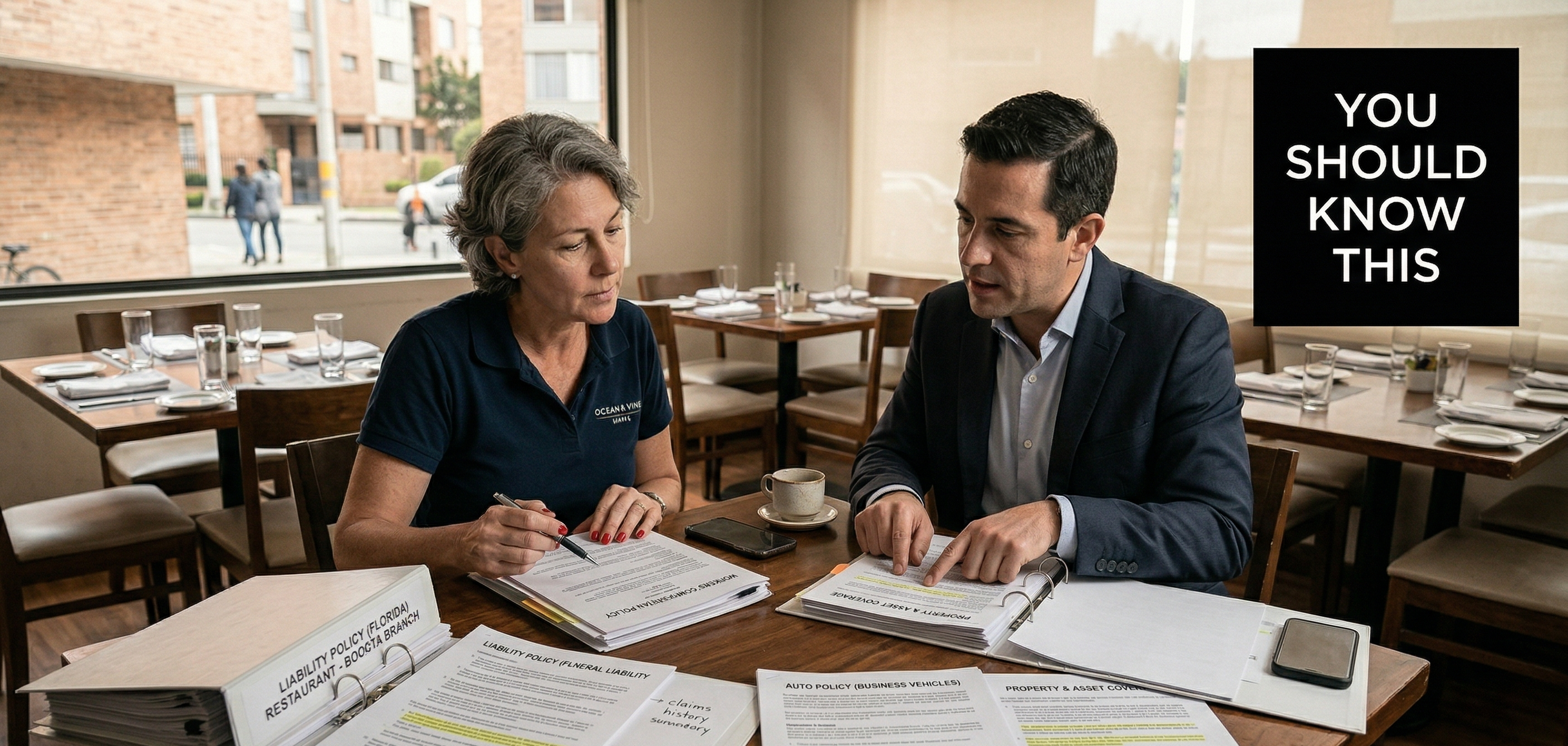
For restaurant owners and other small business operators in Florida, flood exposure presents distinct concerns beyond residential homeowners:
Business Interruption and Operational Continuity
Flooding can shut down operations for days or weeks, leading to significant revenue loss. Standard commercial insurance policies rarely cover flood damage, necessitating dedicated flood protection to ensure revenue continuity after a flood.

Property and Equipment Coverage
Restaurants house expensive equipment such ovens, refrigeration units, HVAC systems, all vulnerable to water damage. Flood insurance can help replace or repair these critical assets, minimizing disruption and financial strain.
Staff Welfare and Liability
Flood events can affect employee access to the workplace and pose safety risks. Proper flood coverage can help businesses address related claims and liabilities more effectively.
Understanding flood insurance in the broader context of property protection empowers business owners to mitigate risk strategically and ensure continuity in the face of unpredictable water events.
Real-World Awareness From Recent Events
The St. Petersburg flooding reports remind property owners that risk isn’t hypothetical. Local concerns about water accumulation after construction highlight how flood exposure can touch communities unexpectedly, especially in areas where infrastructure (storm drains, grading, runoff controls) may already be strained.
Whether floodwater stems from a major storm, intense rainfall, or increased runoff tied to development, the potential for damage remains real. By approaching flood risk with informed planning, property owners can better position themselves for long-term stability.
What Policyholders Can Realistically Do Now
Understand your specific flood risk profile. Tools from FEMA and other reputable sources can help identify flood zones, and professionals can provide tailored risk assessments.
Review and update coverage. Don’t assume your homeowners policy provides flood protection. Most do not, and flood coverage must be obtained separately. Explore options through the NFIP and private markets, and ensure policies reflect your actual exposure.
Plan ahead. Flood insurance policies usually require a waiting period. Purchasing coverage well before a weather event or development change occurs is critical.
Stay informed about development and infrastructure changes. Local construction and land use shifts can affect local drainage patterns and flood risk. Engage with community planning processes when possible and consider how nearby projects might impact your property.
Consult a professional. An insurance expert knowledgeable about Florida’s unique risk landscape can help navigate options, evaluate cost-benefit scenarios, and secure appropriate flood and property coverage.
Keeping Florida Property Safe and Secure
Florida’s housing and business landscapes are dynamic, with shifting climate conditions, development pressures, and economic forces all influencing property risk. In this environment, flood awareness and flooding insurance are not optional extras , they are essential components of responsible property ownership and risk management.
Property owners operating in Florida’s challenging environment should approach flood risk with clarity, informed planning, and a commitment to protection. For personalized guidance and risk assessments tailored to specific properties, reach out to a trusted local insurance advisor to explore coverage options and plan for uncertain water events with confidence.
Next Steps for Property Owners:
- Request a personalized risk assessment based on your Florida property or business location.
- Contact an expert to explore tailored flood and property insurance plans that align with your needs.
- Review insurance coverage regularly, especially after local development or weather events that may influence flood exposure.
For homeowners and business owners alike, understanding flood risk and securing the right flooding insurance is a practical step toward protecting assets, preserving peace of mind, and ensuring continuity in the face of inevitable storms and water events.
Learn more about flood protection options at: https://usa-cis.com/homeowners-property-insurance/
 USA.CIS