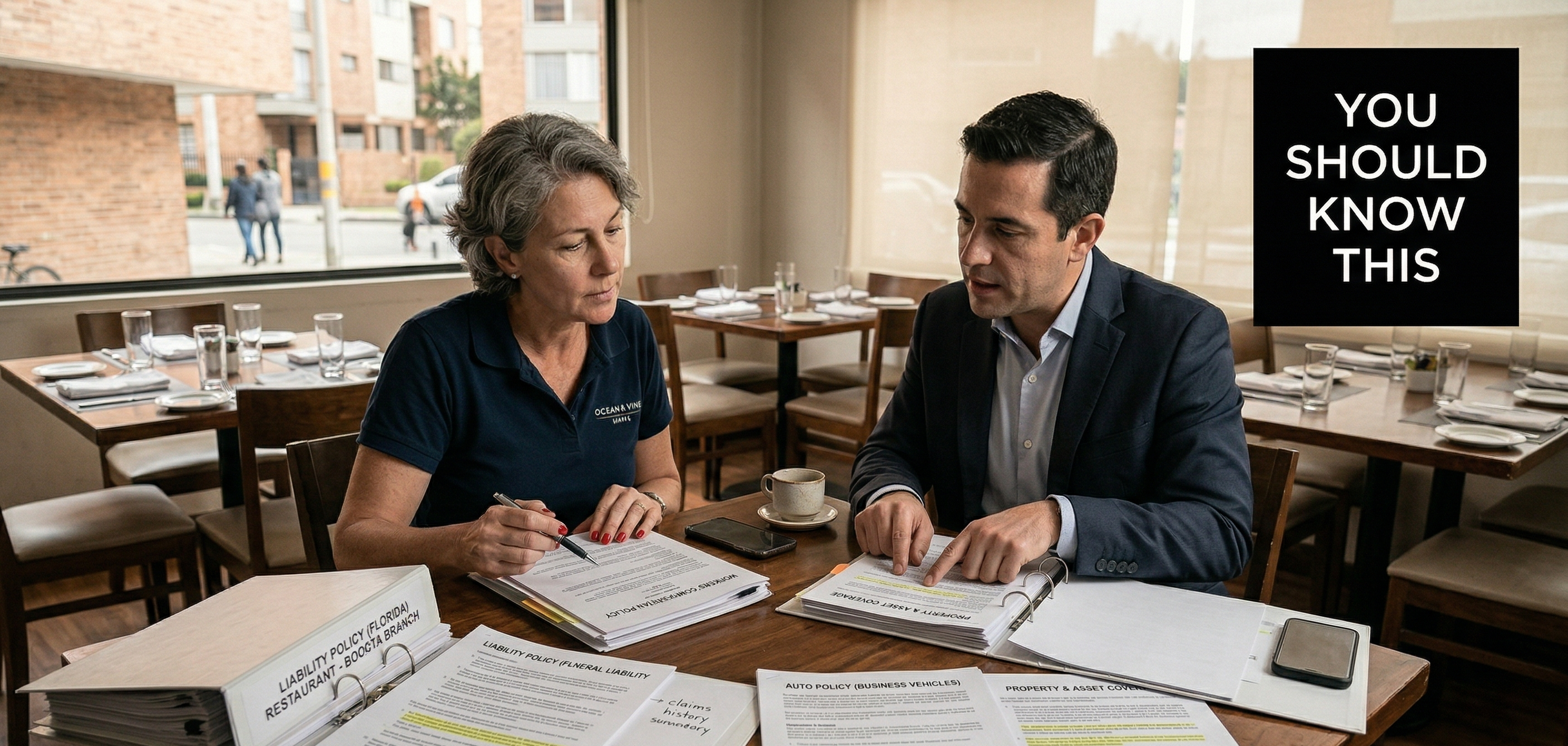
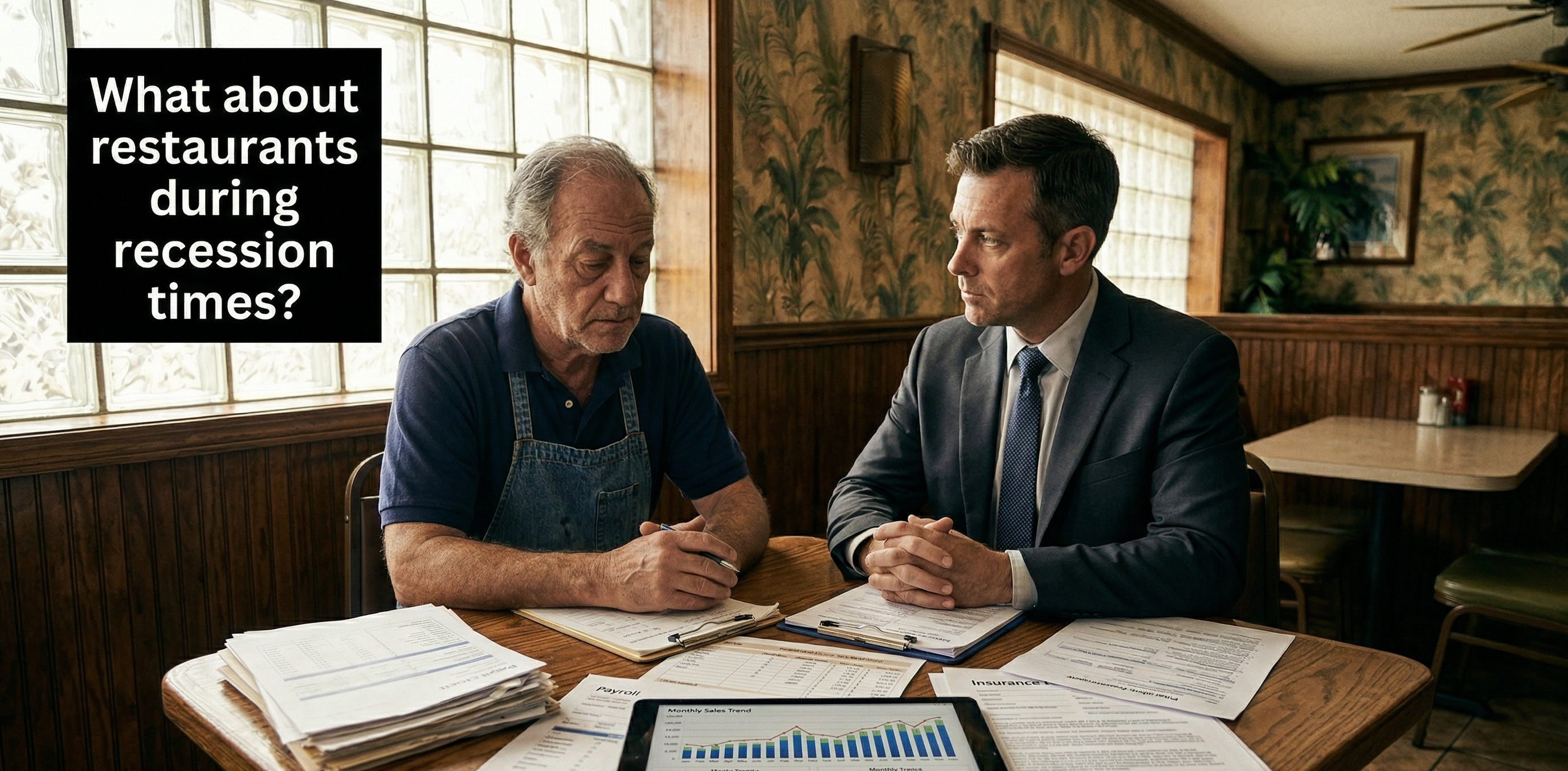
Whether restaurants are good businesses to own during a recession depends less on the industry label and more on the business model, financial discipline, customer positioning, and how much disruption the restaurant can absorb. Restaurants are sometimes described as “recession-resistant” because people continue spending on food even when budgets tighten. But that idea can be misleading if it implies that restaurants are naturally safe businesses during downturns.
The National Restaurant Association’s 2026 outlook says consumer demand to dine out remains meaningful “as budgets allow,” while operators continue to face significant challenges from food, labor, insurance, energy, and payment-processing costs. In the same 2026 release, the Association reported that more than 9 in 10 operators cited those costs as major challenges and that 42% said their restaurant was not profitable in the prior year.
The Short Answer: Restaurants Are Not Automatically Recession-Proof
A better answer to are restaurants good businesses in a recession is this: some restaurants can remain resilient during downturns, but restaurants as a category are not automatically recession-proof. The industry can still benefit from durable consumer demand for convenience, prepared food, and affordable social experiences. At the same time, restaurant operators often face thin margins, labor intensity, high fixed costs, and exposure to sudden operational interruptions. The SBA’s financial management guidance emphasizes the importance of understanding costs, assets, liabilities, and break-even thresholds because small businesses can be destabilized when expenses rise faster than cash flow.
That is why the recession question should not be framed too broadly. A value-driven quick-service concept with strong cash control may hold up far better than a labor-heavy full-service concept with weak margins, expensive rent, and poor operational controls. In other words, the quality of the restaurant business matters more than the idea of “restaurants” in the abstract.
Why Restaurants Can Still Perform During Economic Downturns
There are real reasons some people view restaurants as relatively durable businesses in weaker economic environments. First, food remains a recurring consumer need. Second, many people continue purchasing meals away from home even when they reduce discretionary spending elsewhere. BLS reported that food away from home spending had recovered strongly after the pandemic period and surpassed 2019 levels by 2023, showing that restaurant spending can remain an important part of household budgets even after major disruptions. At the same time, the National Restaurant Association’s 2026 outlook said consumers still wanted to dine out when budgets permitted, which supports the idea that restaurant demand does not simply disappear when households become more cautious.
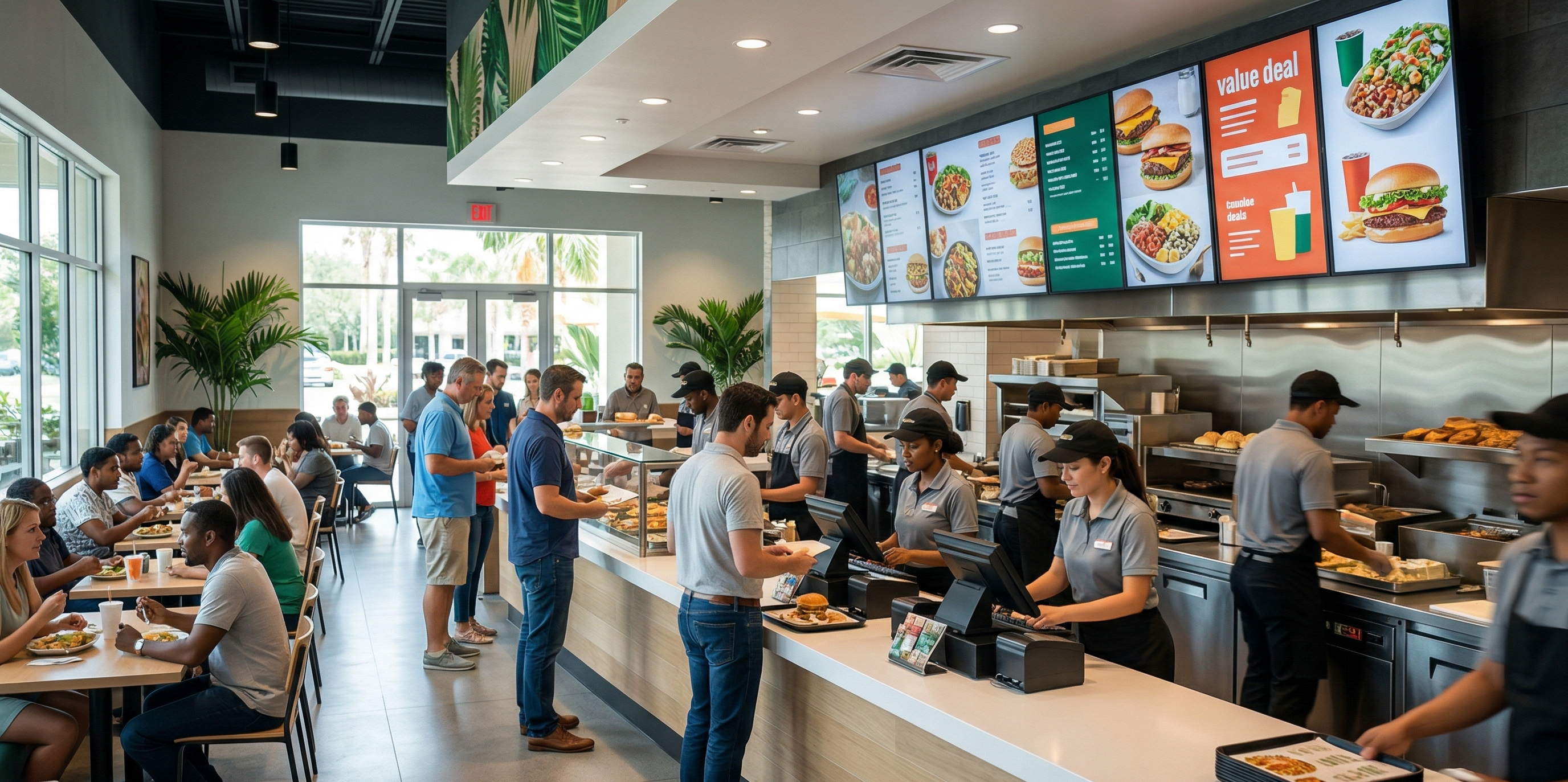
This helps explain why some restaurant categories can hold up reasonably well in downturns. Consumers may trade down from more expensive experiences to more affordable ones, but they do not always eliminate restaurant spending altogether. They may shift from premium dining to casual dining, quick-service, takeout, or value-oriented concepts. That makes recession-resistant restaurant businesses possible, but not universal.
Why Restaurants Can Also Be Fragile During Recessions
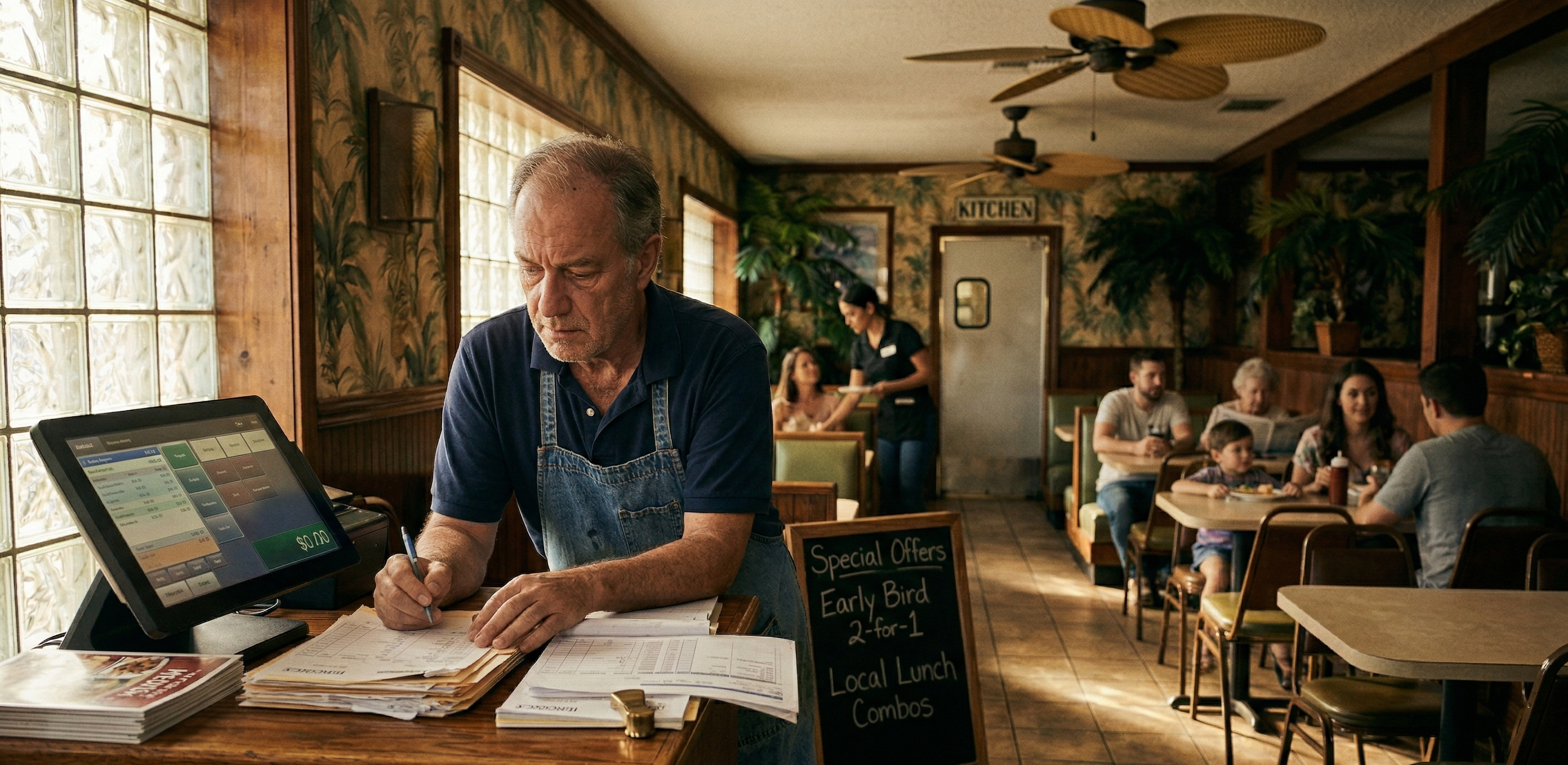
At the same time, restaurants can become more fragile during downturns because they sit at the intersection of variable consumer demand and stubborn operating costs. Food away from home prices continued to rise in recent years, with BLS and FRED data reflecting persistent increases in the CPI category for food away from home. The National Restaurant Association’s 2026 materials also noted that food costs, labor, insurance, and energy remained major challenges for operators.
That means a recession can squeeze restaurants from both sides:
- customers become more price-sensitive,
- while the business still faces high labor, food, rent, utility, and insurance pressure.
This is one reason are restaurants recession-proof businesses is the wrong framing. The better question is whether a specific restaurant can preserve customer demand while maintaining margin discipline under pressure. Many cannot.
Customer Demand Often Changes Rather Than Disappears
A useful way to think about recession behavior is not “restaurants vs. no restaurants,” but “which kinds of restaurant spending survive?” Consumers may continue eating out while changing how they do it. They may:
- dine out less often,
- spend less per visit,
- choose lower-cost menu items,
- favor convenience,
- reduce alcohol purchases,
- or shift from full-service to quick-service and takeout formats.
The National Restaurant Association’s consumer-outlook and economic-indicator materials suggest that consumer willingness to spend remains tied closely to budget conditions and broader economic confidence. That means restaurants are still exposed to spending pressure even when traffic does not collapse entirely.
This is why some restaurant owners survive downturns while others fail. It is often not because demand vanished completely, but because the business was positioned incorrectly for how demand changed.
Value-Oriented Models Often Hold Up Better
If the question is whether restaurants are good businesses to own during a recession, the answer tends to be more favorable for concepts with strong value positioning. Restaurants that are convenient, affordable, efficient, and operationally disciplined often have a better chance of holding traffic when consumers become cautious. A business that can offer perceived value without destroying its own margins is in a stronger position than one that competes mainly on premium experience while carrying high labor and occupancy costs.
The SBA’s break-even and finance guidance supports this logic because small businesses with clearer visibility into cost structure and margin discipline are better positioned to navigate difficult conditions.
That does not mean every low-cost concept is safe. It means value matters more during downturns, and restaurant businesses that understand their price architecture and customer expectations usually perform better than those that rely on habit, optimism, or weak financial control.
Full-Service Restaurants Often Face More Recession Pressure
Full-service restaurants can be especially exposed during recessions because they carry more labor dependency, more service complexity, and often a higher average check that becomes easier for consumers to cut back on. That does not make full-service dining a bad business automatically. But it does mean the model is often more sensitive to:
- slower traffic,
- reduced alcohol spending,
- lower tip motivation for staff,
- and weaker customer tolerance for premium pricing.
The National Restaurant Association’s 2026 materials, which show both continued consumer interest and persistent cost strain, support a balanced reading: demand remains, but profitability is not guaranteed.
This is one reason do restaurants do well during a recession should always be broken down by concept type. Quick-service, hybrid service, delivery-oriented, and highly efficient neighborhood concepts may weather downturns differently than high-touch, labor-intensive, premium experiences.
Labor Pressure Can Make Recessions Harder, Not Easier
Some business owners assume recessions make labor easier because hiring conditions soften. In restaurants, that is not always enough to solve the underlying issue. Food-service businesses are labor-intensive, and BLS data continue to show high annual openings in food and beverage serving occupations, largely because workers leave the occupation or move elsewhere. High turnover, training churn, and replacement pressure remain structural challenges.
That means even during weaker economic periods, restaurants may still struggle with:
- inconsistent staffing,
- training costs,
- lower service quality,
- management overload,
- and injury exposure in fast-paced work environments.
For Florida restaurants, this matters even more because staffing instability can interact with workers’ compensation obligations and operational safety risk. Florida’s workers’ compensation rules for non-construction employers generally apply once the business has four or more employees, including part-time employees, and OSHA’s restaurant safety materials identify recurring hazards such as slips, burns, cuts, strains, electrical hazards, and hazardous chemicals.
A recession does not eliminate those risks. It may actually make them more painful because the business has less financial slack.
Cash Flow Matters More Than the “Recession-Proof” Debate
One of the biggest mistakes owners make is asking whether the industry is strong enough, instead of asking whether the business has enough cash resilience. Restaurants can fail even when customer demand still exists because the timing of cash inflows and cash outflows becomes too tight. The SBA’s financial and lending guidance repeatedly emphasizes business cash flow, liabilities, and the need to understand how a business funds ongoing obligations.
That is why are restaurants good businesses to own during a recession is really a cash-flow question disguised as an industry question. A restaurant that can:
- control food waste,
- manage labor tightly,
- preserve margin,
- maintain enough reserves,
- and survive short interruptions
is in a much better position than a restaurant that depends on perfect weekly sales just to stay current on payroll and rent.
Florida Adds Operational Risks That Matter in Downturns
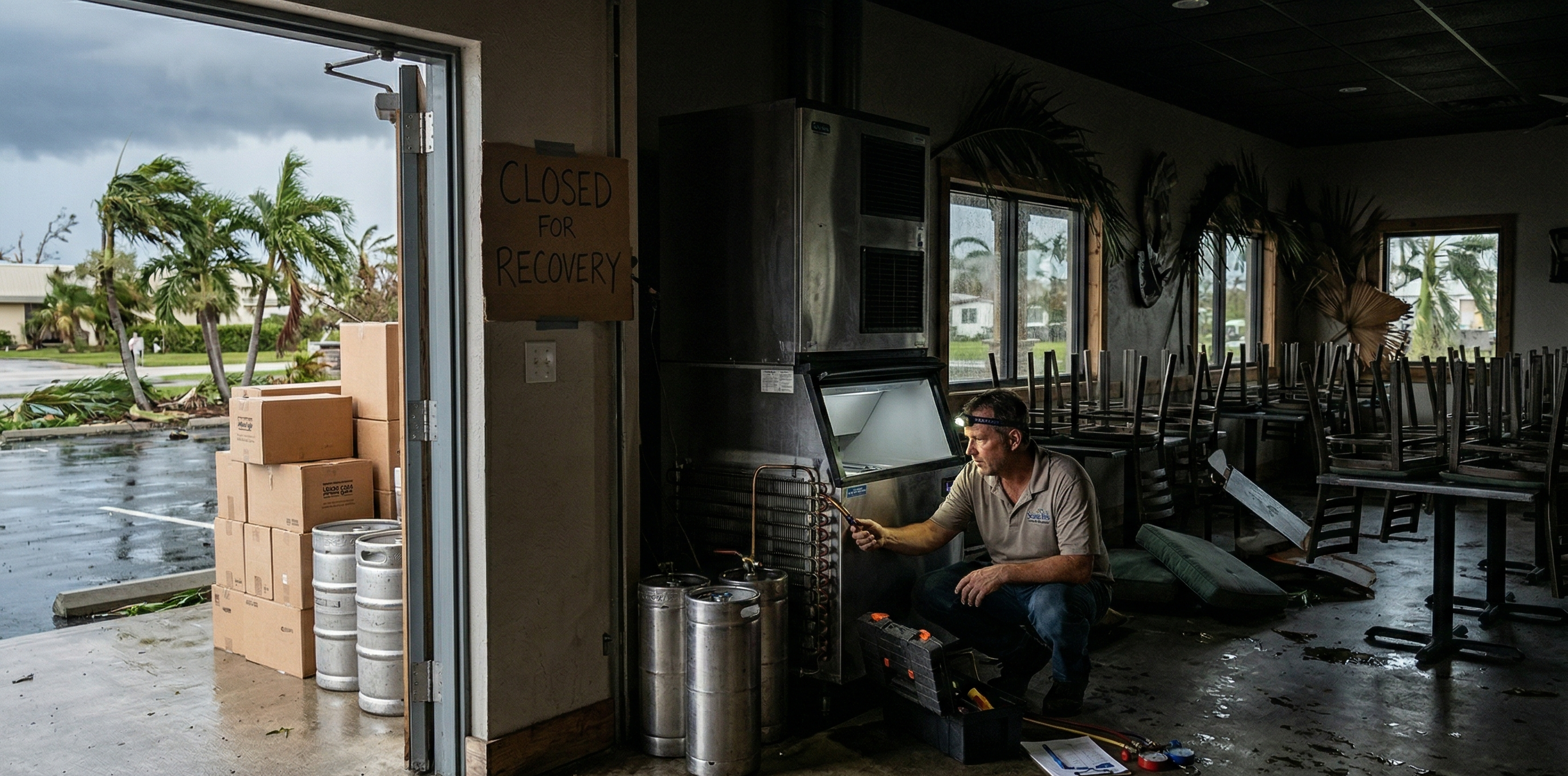
Florida makes this question more complicated because restaurant operators there face weather, utility, and closure-sensitive conditions that can turn an already-stressed business into a failing one. The Florida Division of Hotels and Restaurants says emergency closures may be triggered by conditions such as lack of approved utilities or hot water, sewage backups, fire damage, pest infestation, or inadequate refrigeration. The establishment remains closed until the conditions are corrected.
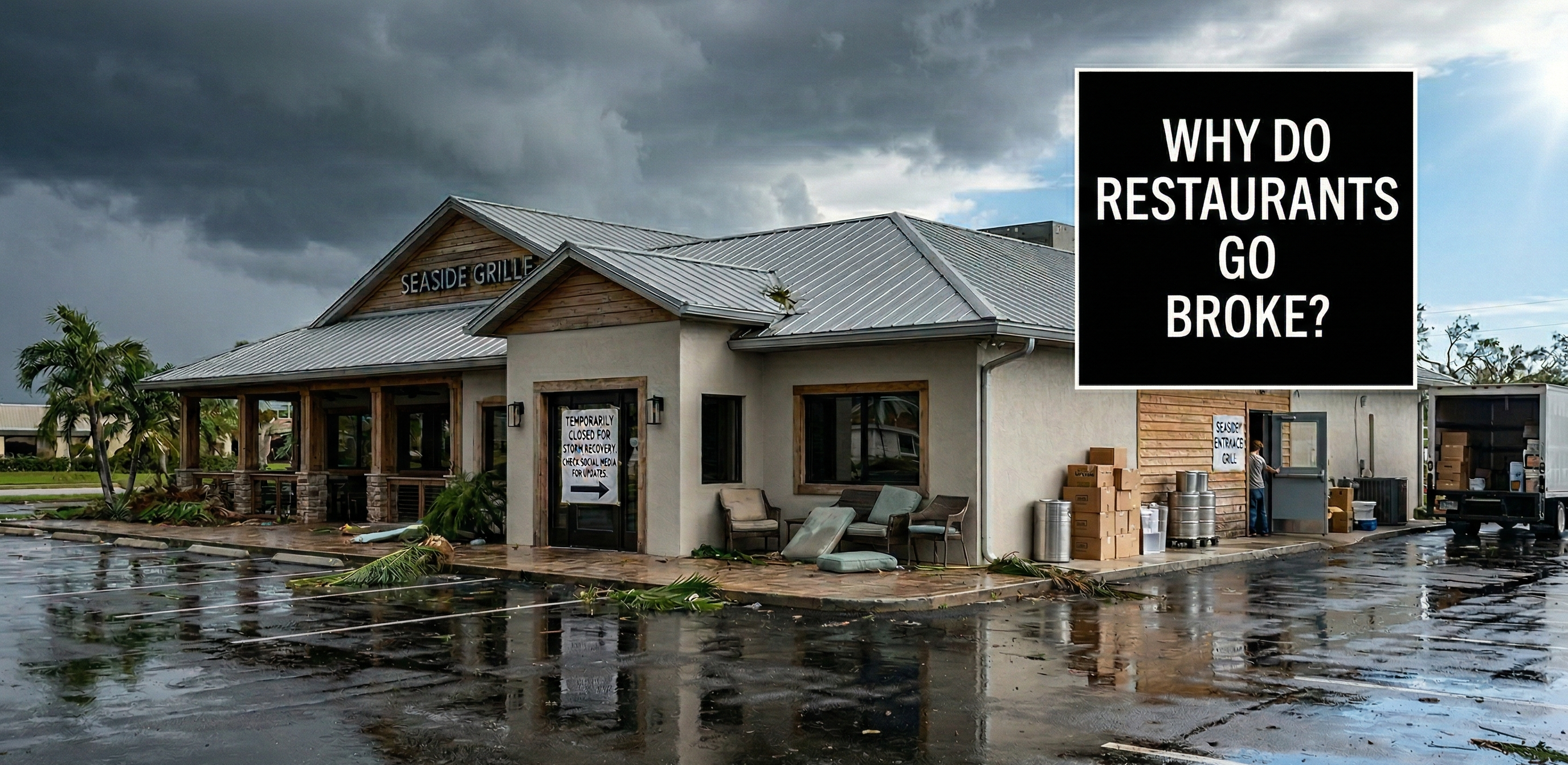
That is critically important in a recession context. If a restaurant is already operating with thin margins, a short closure caused by storm damage, refrigeration failure, utility problems, or sanitation conditions can be much harder to survive. In other words, Florida restaurants do not only face recession pressure. They face recession pressure plus physical interruption risk. Ready.gov and FEMA business-preparedness materials for hurricanes and continuity planning exist for exactly this reason: a business disruption can quickly become a survival problem if the company is not prepared.
Business Interruption Can Be the Real Recession Killer
During downturns, the businesses most likely to fail are often the ones that cannot absorb downtime. The SBA has explained that business interruption insurance may help businesses pay bills if a storm or other event closes their facility and may cover some lost profits, depending on the policy. That is especially relevant to restaurants because even short downtime can damage:
- daily cash flow,
- staffing stability,
- customer routines,
- vendor coordination,
- and reopening momentum.
This is one reason restaurants can be deceptively risky in recessions. They may still have demand, but if they suffer one interruption at the wrong time, the business may not have enough margin or reserve capital to recover. That makes restaurant business interruption Florida a central part of the recession-resilience discussion, not a side topic.
Insurance Structure Matters More in Recessionary Environments
A restaurant with the wrong insurance structure is usually more vulnerable during a downturn because it has less room to absorb mistakes. CIS’s restaurant and entertainment insurance structure reflects the fact that restaurants face multiple overlapping risks, including general liability, property, workers’ compensation, commercial auto, liquor liability, cyber liability, and equipment breakdown. A restaurant that adds alcohol service, delivery, events, or more staff without reviewing coverage can discover too late that its protection no longer matches operations.
This matters during recessions because shocks are harder to absorb. A cost increase, a claim, a staffing injury, a property event, or a short closure might be survivable in a strong year and fatal in a weak one. That is why are restaurants good businesses in a recession cannot be separated from risk management. The resilience question is not only market demand. It is also whether the business is structurally protected against common setbacks.
Some Restaurant Types Are Better Positioned Than Others
If the goal is to identify whether restaurants can still be attractive recession businesses, it helps to separate models.
Restaurants often perform better in downturns when they have:
- strong value perception,
- operational simplicity,
- lower labor complexity,
- convenience and takeout appeal,
- tight menu economics,
- and enough reserve discipline to survive short disruptions.
Restaurants often perform worse in downturns when they have:
- weak cash reserves,
- premium pricing without strong loyalty,
- labor-heavy operations,
- poor cost visibility,
- rising debt obligations,
- or outdated insurance assumptions.
So the answer to are restaurants recession-resistant businesses is not a blanket yes or no. It is conditional. Some are. Some are not. And the dividing line is often operational discipline rather than concept excitement.
The Psychological Side of Restaurant Spending Still Helps
One reason restaurants never become completely irrelevant in downturns is that they offer more than food. They also offer convenience, routine, relief, and social experience. Even when households become more careful, not all discretionary spending disappears evenly. Some people cut travel, large purchases, or premium entertainment before eliminating lower-cost meals out. The National Restaurant Association’s 2026 materials support the broader idea that consumers still want to dine out when budgets permit.
This is one reason restaurant demand can remain more resilient than some owners expect. But again, resilience in demand does not automatically produce resilience in profit.
Why Poorly Managed Restaurants Fail Faster in Recessions
A recession tends to expose the weaknesses that were already present. Restaurants with weak controls often fail faster because downturns punish sloppiness:
- pricing mistakes become more expensive,
- overstaffing becomes harder to afford,
- food waste becomes more damaging,
- deferred maintenance becomes riskier,
- and vague insurance assumptions become costlier.
The SBA’s guidance on finance, break-even planning, and risk management all point toward the same principle: businesses survive difficult environments by understanding their numbers, their vulnerabilities, and their contingency plans.
So when people ask are restaurants good businesses to own during a recession, the best answer is often: only if the operator is exceptionally clear-eyed about margin, cost control, traffic shifts, and protection against interruption.
Florida Restaurants Need a Stronger Definition of “Good Business”
For Florida specifically, the right standard is not “can a restaurant still make money in a recession?” Many can. The stronger question is whether the restaurant is built to withstand:
- softer consumer budgets,
- rising operating costs,
- staffing churn,
- closure-sensitive operating conditions,
- and weather-related interruption.
If the business can handle those, then a restaurant may still be a good business to own. If not, the same industry can become very dangerous during downturns. That is why the phrase are Florida restaurants good recession businesses should always be answered through resilience, not optimism.
Final Thoughts
Are restaurants good businesses to own during a recession? Sometimes yes, but only under the right conditions. Restaurants can retain demand because people continue buying prepared food, convenience, and lower-cost social experiences even when budgets tighten. The National Restaurant Association’s 2026 outlook supports that continued consumer interest. But that same industry data also show how much operators are struggling with food, labor, insurance, and energy pressure, and how many restaurants remain unprofitable even with demand in the market.
For Florida restaurant owners, the answer becomes even more conditional because the state adds interruption-sensitive operational risks tied to weather, utilities, refrigeration, sanitation, and closure standards. A restaurant can therefore be resilient in a recession only if it combines value, cost control, staffing discipline, continuity planning, and insurance that actually matches the business. In an external editorial context, that is the natural point to connect readers with broader restaurant-specific risk-management and insurance guidance.
 USA.CIS
 Dubb
Dubb