

Why Establishing a Toddler Dental Routine Matters
A strong dental routine during the toddler years lays the foundation for lifelong oral health. Dentists and pediatric healthcare experts agree that habits developed early, particularly between ages one and three, shape how children care for their teeth well into adulthood. Toddlerhood is a period marked by rapid growth, major developmental milestones, and increasing independence, making it the ideal window for parents to introduce structured dental habits. While toddlers may resist brushing or struggle with consistency, a predictable routine helps reduce the risk of cavities, supports speech development, encourages healthy eating behaviors, and creates comfort with dental environments.
Parents in communities throughout Bergen County regularly seek guidance on early dental care and often turn to trusted pediatric providers. Many families begin their research through the best childrens dentist bergen county resource, which offers direction on the earliest signs of healthy oral development. Modern pediatric dentistry emphasizes prevention, and much of that prevention begins not in the dental office, but at home. The establishment of daily brushing and flossing habits, paired with regular check-ups, becomes the foundation of a child’s oral health journey.
When to Begin Dental Care for Toddlers
Although baby teeth eventually fall out, they are critical for guiding permanent tooth eruption, supporting chewing, and aiding speech development. Dental professionals recommend that children visit a dentist by age one, or within six months of the eruption of their first tooth. The toddler years represent a crucial time frame because cavities in baby teeth can progress quickly and cause discomfort, infections, or alignment issues.
Parents who establish early dental visits help their toddlers build familiarity with the dental environment, reducing anxiety as they grow. Dental specialists often explain that early visits allow them to monitor fluoride exposure, evaluate oral habits such as thumb-sucking or pacifier use, and guide families on home-care routines. Many families find it helpful to consult authoritative resources such as the Centers for Disease Control and Prevention (CDC) for child oral health guidelines, especially when determining how diet and hygiene influence early dental development.
For busy parents balancing work, schedules, and childcare, beginning dental care early helps prevent future complications. Toddlers who visit their dentist routinely are more likely to develop positive attitudes about oral healthcare, and early prevention often reduces the need for invasive treatments later in childhood.
Understanding Toddler Oral Development
Toddler oral development occurs rapidly, and caregivers often find themselves trying to keep up as new teeth erupt every few months. Around age two, most children have a full set of primary teeth. These teeth play an essential role not only in chewing and speech development but also in maintaining space for permanent teeth below the gums. Proper brushing during this stage prevents cavities that could compromise overall oral stability.
The Eruption Process
The order and timing of tooth eruption vary from child to child. Some toddlers experience discomfort during new eruptions, leading to drooling, irritability, or a desire to chew on hard objects. Dental professionals recommend offering safe teething rings or chilled items to ease discomfort. Parents should avoid teething gels with benzocaine, as the U.S. Food and Drug Administration (FDA) advises against their use in young children.
Early Oral Habits
Toddlers often explore the world orally, and behaviors like thumb-sucking, pacifier use, chewing on toys, or biting can influence future alignment. Dental specialists emphasize the importance of addressing these habits early, as prolonged pressure may affect jaw development or tooth position. Parents seeking guidance often turn to trusted local resources such as the best childrens dentist bergen county when evaluating thumb-sucking habits or early signs of bite concerns.
The Role of Parents in Establishing Daily Dental Habits
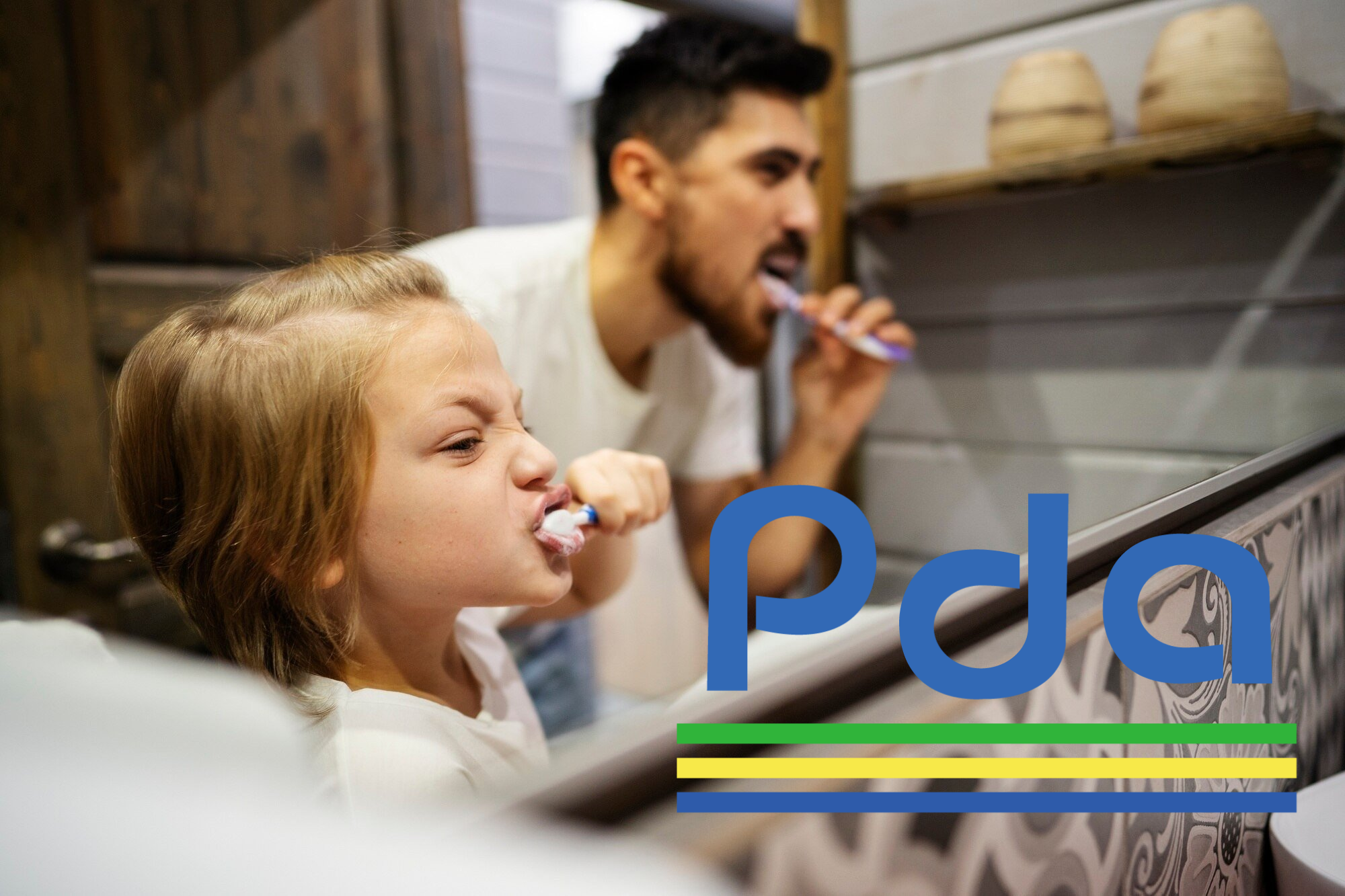
The responsibility for building a toddler’s dental routine falls primarily on parents and caregivers. When toddlers are too young to brush independently, parents must guide the process, creating a positive and consistent experience. Dental professionals consistently emphasize that toddlers lack the dexterity to brush effectively on their own, even if they show interest or mimic brushing motions.
Establishing structure helps toddlers recognize brushing as part of their daily routine, much like bath time or bedtime. Parents are encouraged to set predictable times for brushing, typically morning and night, and to use language, songs, or timers to frame brushing as a fun, non-negotiable part of the day. Consistency reinforces the habit and ensures plaque removal becomes routine.
Families in Bergen County frequently consult pediatric dental experts known for their supportive and practical guidance. Many of these families discover early oral care recommendations through resources like the best childrens dentist bergen county, where they learn the importance of early routines that foster long-term oral health.
Building the Perfect Toddler-Friendly Brushing Routine
Crafting a brushing routine for toddlers requires patience, creativity, and flexibility. Toddlers respond best to routines that feel predictable, interactive, and empowering. They also benefit from having choices when appropriate, such as selecting their toothbrush or toothpaste flavor.
Choosing the Right Tools
Selecting a soft-bristled toothbrush designed for toddlers helps ensure brushing is both safe and comfortable. Fluoride toothpaste should be used in small, pea-sized amounts for children ages three and older, while younger toddlers should use only a smear equal to a grain of rice. Dental specialists regularly emphasize that fluoride strengthens enamel and helps prevent cavities during the early years when tooth structure is still forming.
Making It Fun
Parents can turn brushing into an enjoyable experience by using:
- Songs
- Two-minute timers
- Storytelling
- Reward charts
- Brushing together as a family
Toddlers respond strongly to routine and repetition, and positive reinforcement helps them develop confidence and independence over time.
Families seeking structured brushing tips often reference the best childrens dentist bergen county page for detailed guidance tailored to toddlers’ developmental stages.
Teaching Toddlers to Floss
Flossing is another essential skill that must be introduced early. Many parents assume flossing can wait until later childhood, but dental experts recommend beginning as soon as two teeth touch. Toddlers often require assistance, but early introduction sets the foundation for long-term flossing habits.
Floss picks or child-friendly flossers simplify the process by enabling caregivers to reach tight spaces without causing discomfort. Teaching flossing early helps prevent gum irritation, reduces plaque buildup, and supports healthy development of the spaces between teeth. Just like brushing, flossing becomes easier when it is integrated into a predictable nightly routine.
Managing Toddler Resistance and Behavioral Challenges
Toddlers are known for asserting independence, which can make brushing time challenging. Resistance is developmentally normal, but with patience and predictable routines, parents can guide their children toward cooperation.
Common Forms of Resistance
Toddlers may resist brushing by:
- Turning their head away
- Closing their mouth
- Crying or refusing
- Wanting to “do it themselves” without help
Pediatric dental specialists recommend allowing toddlers to practice brushing on their own before or after a parent completes a thorough cleaning. This fosters independence while ensuring effective hygiene.
Parents looking for additional behavioral guidance sometimes turn to dental professionals known for their expertise in pediatric behavior management. These insights often lead them to resources such as the best childrens dentist bergen county, which highlights how skilled providers support toddlers through gentle, encouraging methods.
Nutrition and Its Impact on Toddler Dental Health
Nutrition plays an essential role in shaping toddler dental health, especially during the years when baby teeth are forming and enamel is still developing. Toddlers tend to graze throughout the day, and frequent snacking, particularly on sticky, sugary, or processed foods, can significantly increase the risk of early childhood cavities. Foods such as crackers, dried fruit snacks, gummies, and juice create acidic conditions in the mouth, weakening enamel and feeding cavity-causing bacteria. Dental experts frequently emphasize that it is not just the amount of sugar, but the frequency of exposure, that leads to decay. Parents are encouraged to offer balanced meals, limit grazing, and choose water instead of juice between meals. Resources from the Centers for Disease Control and Prevention (CDC) provide helpful guidance on dietary habits that promote healthy oral development.
A nutrient-rich diet supports strong enamel, gum health, and proper jaw growth. Foods containing calcium, vitamin D, phosphorus, and fiber, such as dairy, leafy greens, lean proteins, and fresh vegetables, strengthen developing teeth and support healthy saliva production. Pediatric specialists also advise being mindful of nighttime milk or juice, as lingering sugars can adhere to teeth during sleep. Many families seeking practical nutritional guidance turn to trusted providers highlighted through resources like the best childrens dentist bergen county, where they learn how dietary habits intertwine with brushing routines and preventive care. A strong nutritional foundation not only reduces cavities but also supports whole-body wellness during crucial developmental years.

Preparing Toddlers for Their First Dental Visit
The first dental visit sets the tone for future appointments, making preparation essential. Pediatric dentists recommend scheduling the first visit by the first birthday or as soon as the first tooth emerges. Toddlers who see the dentist early often become more comfortable with routine care and experience fewer dental fears.
What Parents Can Expect
A first visit typically includes:
- Oral exam
- Discussion of brushing and flossing
- Evaluation of thumb-sucking or pacifier habits
- Fluoride application
- Growth and development assessment
- Parent education
Parents searching for trustworthy pediatric dental guidance often find their way to local experts through the best childrens dentist bergen county resource, which explains early dental visit expectations clearly.
Understanding Special Needs Dentistry for Toddlers
Children with special healthcare needs may require adapted approaches to brushing and dental visits. Pediatric dental practices increasingly offer sensory-sensitive tools, visual guides, social stories, and desensitization techniques to help toddlers adjust comfortably. Some toddlers may require more time, shorter appointments, or gradual exposure to dental tools.
Dentists specializing in child behavior and special needs dentistry understand how to tailor routines and guidance to each child’s communication style, sensory profile, and physical abilities. Parents of toddlers with special needs often rely on experienced pediatric dental specialists who not only treat dental issues but also support emotional and behavioral well-being.
Establishing a Nighttime Dental Routine
A nighttime dental routine is one of the most important habits parents can establish for toddlers. Because saliva production decreases significantly during sleep, the mouth loses its natural ability to rinse away food debris and acids. This makes nighttime brushing essential for protecting young enamel from decay. Dental professionals recommend brushing right before bed using a soft-bristled toddler toothbrush and a smear or pea-sized amount of fluoride toothpaste, depending on the child’s age. Parents should aim to create a calming and predictable routine that signals the transition from daytime activity to nighttime rest. This consistency helps toddlers understand that brushing is a non-negotiable part of their evening schedule.
Toddlers often resist nighttime brushing due to fatigue or distraction, but gentle methods, such as brushing together, singing a two-minute song, or incorporating brushing into bedtime stories, can help them cooperate. Avoiding snacks or drinks after brushing, except water, is crucial to maintaining oral health throughout the night. Parents who follow a structured routine tend to see fewer cavities and better overall cooperation as their children grow. Many families look to regional experts featured through resources like the best childrens dentist bergen county for guidance on achieving smooth bedtime brushing habits. Establishing this routine early helps toddlers build trust in their caregivers and confidence in their own ability to care for their teeth.
When to Transition Toddlers Toward More Independence
As toddlers grow, they naturally begin to show interest in brushing their teeth independently. This enthusiasm is an important developmental milestone, but dental specialists remind parents that children lack the dexterity needed for effective brushing until at least age six or seven. During toddlerhood, independence should be encouraged, but with careful supervision. Many experts recommend a “you brush, then I brush” system, which allows toddlers to practice while ensuring the parent completes a thorough cleaning afterward. This dual approach promotes autonomy without compromising oral hygiene.
Giving toddlers controlled choices, such as selecting their toothbrush color, toothpaste flavor, or the song played during brushing, can motivate them and reduce resistance. Parents should continue to guide flossing as well, as toddlers cannot yet manipulate floss properly on their own. Families often seek advice from trusted pediatric professionals, many of whom are discovered through resources like the best childrens dentist bergen county, which emphasize maintaining parental involvement even as children express independence. Gradually increasing responsibility helps toddlers develop confidence and habits that will benefit them as they move into preschool and early childhood. With continued supervision, they will build the coordination and consistency necessary for effective long-term dental care.
Why Pediatric Dental Associates of Ridgewood Is a Trusted Resource
Pediatric Dental Associates of Ridgewood is widely recognized among families in Bergen County for combining advanced pediatric dental care with a compassionate, child-centered philosophy. Their team incorporates modern technologies, evidence-based preventive methods, and developmentally informed behavior guidance to ensure toddlers receive the highest level of care. Parents researching trustworthy pediatric providers often come across the best childrens dentist bergen county resource, which highlights the practice’s commitment to early prevention, personalized care plans, and age-appropriate strategies tailored to toddlers’ unique needs. Their expertise in first dental visits, early childhood oral development, and habit counseling makes them a valuable partner for families establishing foundational dental routines.
Beyond clinical expertise, the practice stands out for its warm, approachable environment designed to reduce anxiety and build positive associations with dental care from an early age. Their team is experienced in caring for toddlers with a variety of temperaments, including children with special healthcare needs who may require additional time, sensory support, or behavioral accommodations. By focusing on communication, parental education, and long-term oral development, Pediatric Dental Associates of Ridgewood has earned the trust of families throughout the region. Their blend of advanced pediatric dentistry and genuine compassion allows parents to feel confident that their toddlers are receiving exceptional care during the most influential years of their dental development.

 Dubb
Dubb