Why Septic Systems Deserve Special Attention During a Home Purchase
For many homebuyers in Dutchess County and across the Hudson Valley, the discovery that a property relies on a private septic system rather than a municipal sewer connection raises an immediate question: is that a problem?
The short answer is no, not if the system is in good condition and properly maintained. Private septic systems serve millions of homes across the United States, including a significant portion of residential properties throughout rural and semi-rural New York. When they’re well cared for, they function reliably for decades and rarely demand much attention from the homeowner.
The longer answer is that a septic system is a significant piece of infrastructure that requires due diligence before a purchase is finalized. Unlike a leaky faucet or aging appliances, a failing septic system can cost tens of thousands of dollars to address, and those costs aren’t always visible during a standard walkthrough or even a general home inspection. Understanding what to look for, what questions to ask, and what professional evaluations to require before closing is one of the most important things a buyer can do to protect their investment.
This guide is designed to walk prospective homebuyers, real estate agents, and contractors through the essential knowledge about residential septic systems, with a focus on the specific considerations that apply to properties in Dutchess County, New York.
How a Private Septic System Works
The Basic Components Every Buyer Should Understand
A private septic system is an onsite wastewater treatment system, meaning it handles all of the wastewater generated by a home entirely on the property, without connecting to a municipal treatment facility.
The system has two primary components:
The septic tank is a buried, watertight container, typically made of concrete, fiberglass, or polyethylene, that receives all wastewater from the home. Inside the tank, solids settle to the bottom and form a layer called sludge. Fats and oils float to the top as a layer called scum. The liquid in between, called effluent, is relatively clarified and flows out of the tank toward the drain field.
The drain field (also called a leach field) is a network of perforated pipes buried in gravel-filled trenches in the soil. The effluent percolates slowly through those pipes into the surrounding soil, where naturally occurring bacteria filter out remaining pathogens before the water rejoins the groundwater supply. The drain field is typically the most expensive component of the system to repair or replace, and its condition is one of the most important factors in any pre-purchase evaluation.
Some properties also have additional components, distribution boxes that divide effluent flow among multiple drain field trenches, pump chambers that move effluent when gravity alone isn’t sufficient, or alternative systems like mound systems or aerobic treatment units used when soil conditions don’t support a conventional drain field.
How Long Should a Septic System Last?
A properly installed and regularly maintained septic system can last 25 to 40 years or longer. The tank itself, particularly a concrete one, often outlasts the drain field. Drain fields typically have a functional lifespan of 20 to 30 years, depending on usage, maintenance history, soil conditions, and whether they’ve been subjected to damage from vehicle traffic, tree roots, or flooding.
Age alone doesn’t determine condition. A 30-year-old system that has been pumped on schedule and protected from misuse may be in better functional shape than a 10-year-old system that has been neglected. The service history of the system is often more telling than its age.
The Inspection: Why a Standard Home Inspection Isn’t Enough
What General Inspectors Typically Miss
A general home inspector evaluates the visible and accessible components of a property, structure, roof, electrical, plumbing, HVAC. Most are not certified septic system evaluators, and their assessment of a septic system is typically limited to running water in the home and checking for obvious backflow or odor issues. This tells a buyer almost nothing about the actual condition of the system.
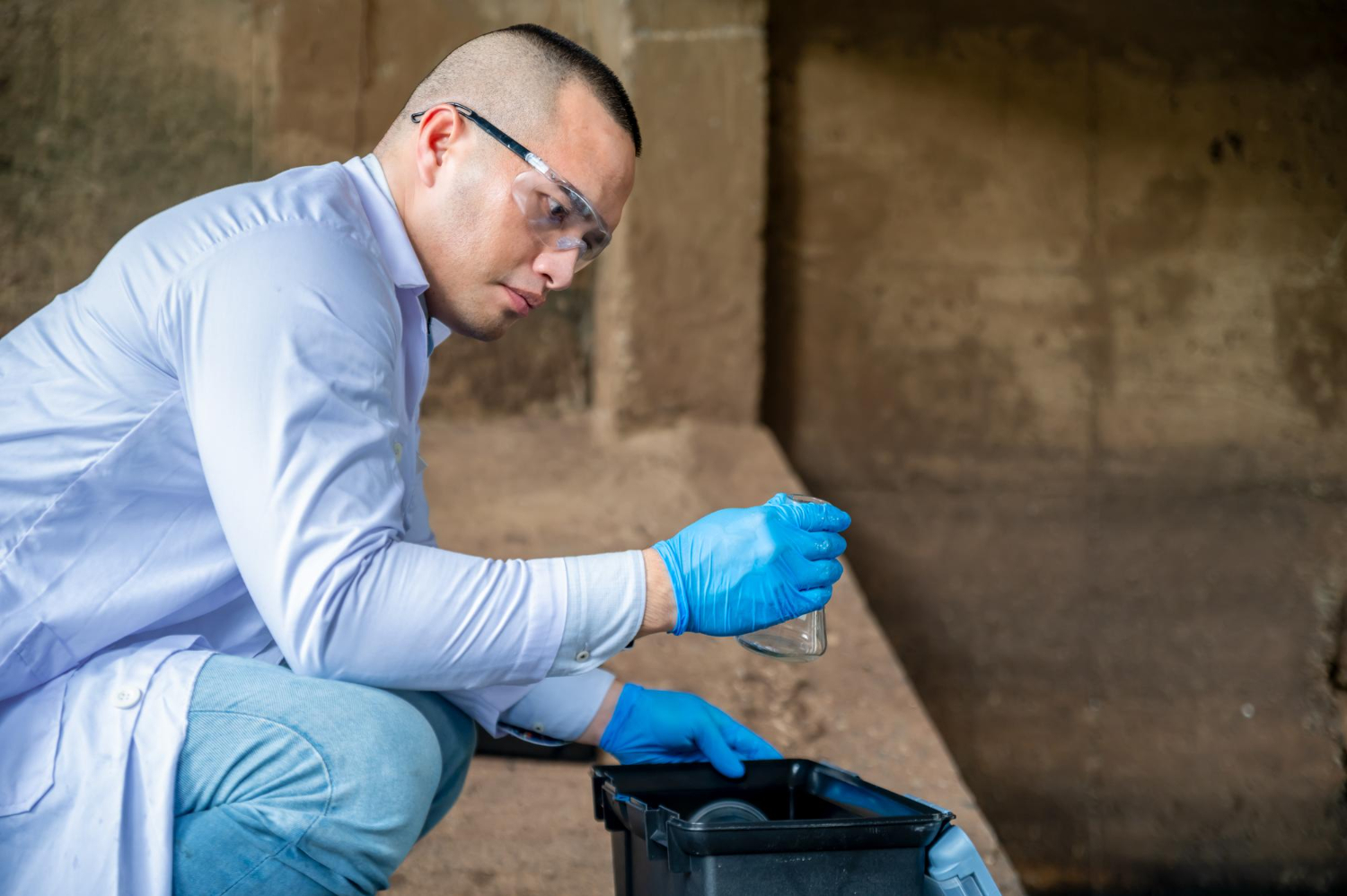
A buried tank with cracked walls, a drain field showing early signs of saturation, corroded baffles, or a sludge level approaching overflow, none of these conditions are visible from inside the home. They require a dedicated septic inspection performed by a qualified professional who opens and physically examines the tank, probes the drain field, and evaluates every component of the system against its design specifications.
For any home purchase involving a private septic system, a dedicated inspection is not optional, it’s essential due diligence.
What a Certified Septic Inspection Covers
A thorough Dutchess County NY Septic Tank Inspection by a qualified professional includes:
- Locating and uncovering the tank access points
- Measuring sludge and scum levels inside the tank to determine whether a pump-out is needed
- Inspecting the structural condition of the tank walls and floor for cracks or leaks
- Evaluating the inlet and outlet baffles, the internal components that direct flow and prevent solids from exiting the tank
- Assessing the condition of connecting pipes between the home and tank, and between the tank and drain field
- Examining the drain field for signs of saturation, surfacing effluent, or failure
- Reviewing permit records and installation documentation where available
Following the inspection, buyers should receive a written report documenting findings, sludge and scum levels, and any recommended repairs or maintenance. This report becomes an important reference point for any negotiation or remediation conversation before closing.
Dutchess County-Specific Considerations
Local Regulations and Permit Requirements
Septic system installations, replacements, and significant repairs in New York State are subject to permitting requirements administered at the county level. In Dutchess County, the Department of Behavioral and Community Health oversees septic system permits and compliance with the New York State Department of Health standards for individual residential wastewater treatment systems.
For homebuyers, this means a few important things. First, any work done on the septic system should have associated permits on file. Unpermitted installations or repairs are a red flag, they may not comply with soil, setback, or sizing requirements, and they can create legal and financial complications for subsequent owners.
Second, if the property has had any system modifications or additions, an added bedroom, a converted barn, an accessory dwelling unit, those changes should have been accompanied by a reassessment of the system’s capacity. Septic systems are designed for a specific number of bedrooms and the associated wastewater load. A system that was adequate for a two-bedroom home may be undersized for a four-bedroom one, even if it appears to be functioning.
Third, when a failing system needs replacement in Dutchess County, the new installation must meet current code requirements, which may differ significantly from the standards that applied when the original system was installed. In some cases, this means a more complex or more expensive system than a direct replacement would suggest.
Soil Conditions in the Region
The Hudson Valley’s geology is varied, and soil conditions have a direct bearing on how septic systems perform. Clay-heavy soils, common in parts of Dutchess County, drain slowly and can cause drain fields to become saturated more quickly than expected. Rocky or shallow soils limit installation depth and may require alternative system designs.
A percolation test, commonly called a perc test, measures how quickly water drains through the soil at a proposed drain field location. This test is required for new installations and is sometimes conducted as part of a pre-purchase evaluation on properties with aging or failing drain fields to assess whether replacement is feasible on the existing footprint.
Buyers considering properties with known drain field issues should understand whether the soil conditions on the property support a replacement system, and where that system could be sited, before committing to a purchase.
Red Flags to Watch for Before Making an Offer
Visible Warning Signs on the Property
Some septic system problems present visible clues that a careful buyer can observe during property visits:
- Unusually lush, green grass over the drain field area, particularly in dry weather, this often indicates that effluent is surfacing and acting as fertilizer, a sign of drain field failure
- Wet or soggy ground in the drain field area when it hasn’t rained recently
- Sewage odors outside the home, near the tank access area, or over the drain field
- Multiple slow drains inside the home, particularly in lower-level fixtures
- Gurgling sounds from toilets or drains when other fixtures are used
- Staining or water damage near floor drains or lower-level bathrooms
None of these signs definitively confirm system failure, but all of them warrant professional evaluation before proceeding.
Questions Every Buyer Should Ask
Before finalizing an offer on a property with a septic system, buyers and their agents should ask:
- When was the system last pumped, and by whom?
- Are there service records documenting the maintenance history?
- Has the system ever had repairs, and if so, were they permitted?
- What is the age of the tank and the drain field?
- Has there ever been a sewage backup or drain field failure on the property?
- Where is the tank located, and where are the drain field boundaries?
- What is the system’s rated capacity in terms of bedrooms?
Sellers are not always forthcoming about septic system history, which is why an independent inspection by a qualified professional is so important. The inspection should be treated as a non-negotiable contingency in the purchase agreement.
Understanding the Costs: Maintenance vs. Replacement
Routine Service vs. Major Work
Understanding the cost spectrum associated with septic systems helps buyers evaluate the risk they’re taking on with any given property.
On the routine maintenance end:
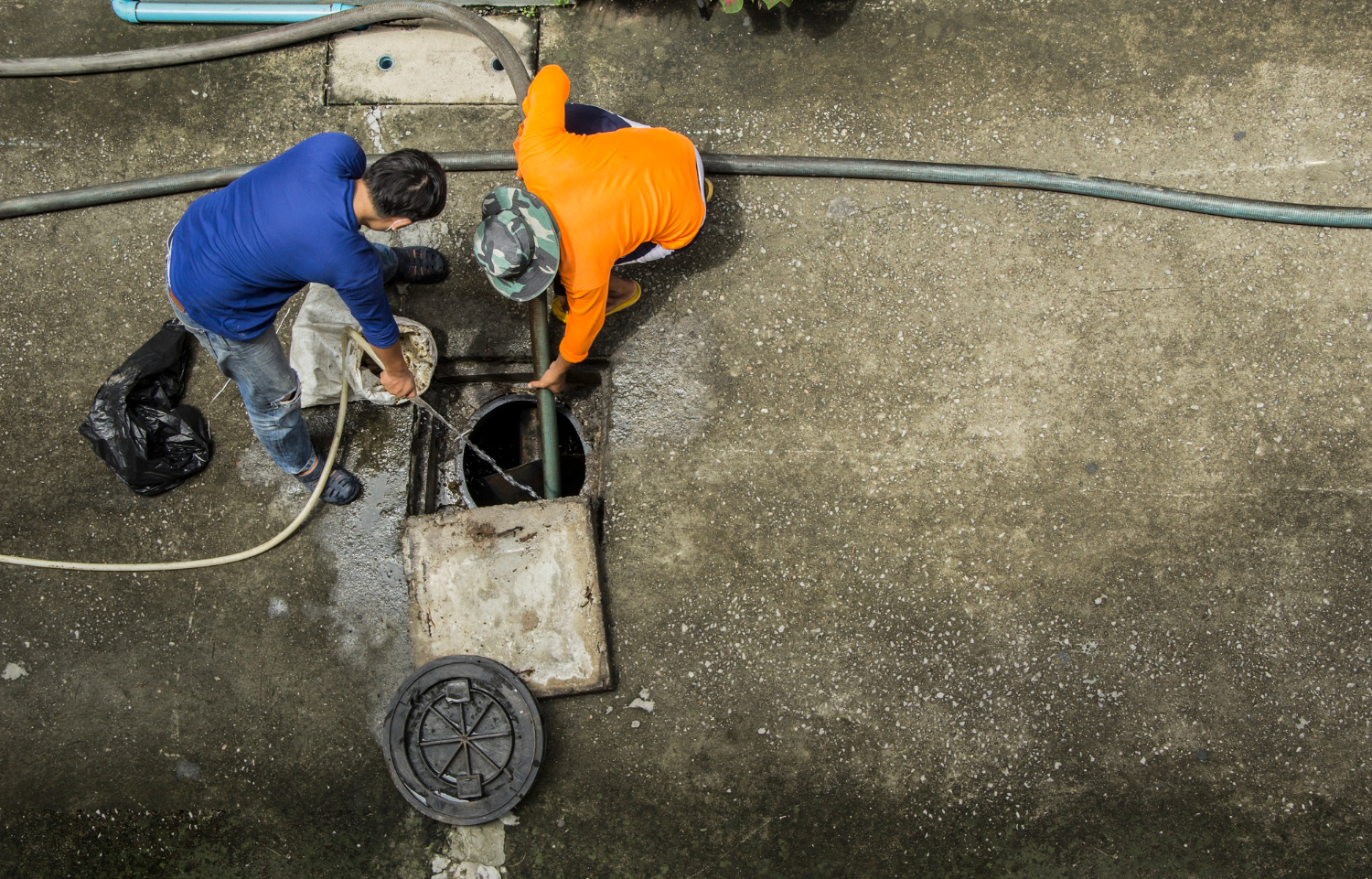
- Pump-outs for a standard residential tank typically cost a few hundred dollars and should occur every three to five years. Dutchess County NY Septic Tank Pumping is a standard, predictable maintenance expense that most homeowners can plan for comfortably.
- Tank cleaning, which goes beyond pumping to address residue accumulation and baffle inspection, is a periodic service that adds relatively modest cost when incorporated into a regular maintenance cycle. Dutchess County NY Septic Tank Cleaning is particularly valuable for older systems or those with an unknown service history.
- Inspections are a modest cost relative to the information they provide and are well worth the investment both pre-purchase and on a periodic basis throughout ownership.
On the repair and replacement end, costs increase significantly:
- Minor repairs, baffle replacement, pipe repairs, riser installation, typically run from a few hundred to a few thousand dollars depending on the scope and accessibility
- Drain field repairs or partial replacements can range from several thousand to over ten thousand dollars
- Full system replacement, including tank and drain field, can run from $10,000 to $30,000 or more in Dutchess County, depending on system type, soil conditions, and site complexity
For buyers evaluating a property with a compromised system, these cost ranges inform negotiation. A seller’s credit or price reduction that accounts for likely repair or replacement costs is a reasonable ask, and a professional inspection report is the documentation that supports it.
After Purchase: Keeping a Septic System Healthy Long-Term
The Maintenance Habits That Prevent Costly Problems
For buyers who close on a property with a private septic system, establishing good maintenance habits from the beginning is the single most important factor in long-term system performance. According to the EPA’s SepticSmart program, the combination of regular pumping and thoughtful daily habits is what keeps septic systems functioning reliably for decades.
The habits that make the biggest difference:
- Pump on schedule, don’t wait for signs of trouble. Most residential systems need service every three to five years, and higher-occupancy households may need it more frequently
- Know where the system is, keep a diagram of the tank and drain field locations, and make sure no vehicles, heavy equipment, or construction activity occurs in those areas
- Protect the drain field, avoid planting trees or deep-rooted shrubs near the drain field, and divert surface water (roof drainage, sump discharge) away from it
- Be mindful of what enters the system, avoid flushing non-biodegradable materials, minimize use of antibacterial soaps and harsh chemical cleaners, and never pour grease or oils down the drain
- Spread water use throughout the week, doing multiple loads of laundry in a single day floods the system and disrupts the settling process inside the tank
- Keep service records, document every pump-out, inspection, and repair with dates and provider information
The Role of Pipe Snaking and Drain Maintenance
Slow or backed-up drains are one of the most common issues homeowners on septic systems encounter, and chemical drain treatments, while tempting, are not the right response. Chemical solvents disrupt the bacterial balance inside the tank and can mobilize solids into the drain field where they cause long-term damage.
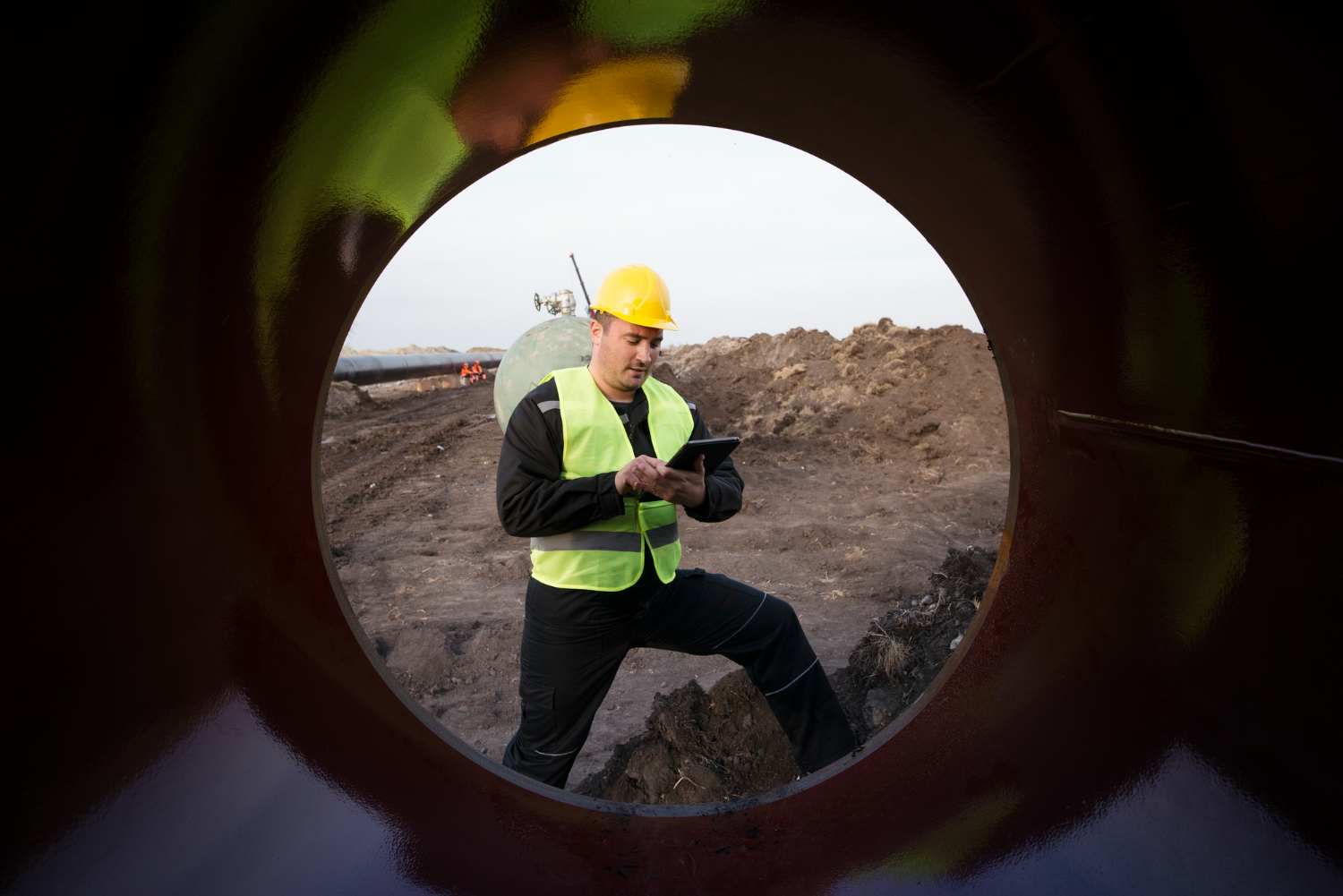
Pipe snaking and cleaning is the appropriate mechanical solution for drain blockages. A professional snake physically removes obstructions, grease accumulation, root intrusion, foreign material, without introducing chemicals into the system. Regular pipe maintenance also provides an opportunity to assess the condition of the pipe network and identify developing issues before they become failures.
Sewer and Water Infrastructure: The Broader Picture
When a Property Has Both Septic and Municipal Connections
Some properties in Dutchess County, particularly those near town centers or in areas where municipal infrastructure has expanded over time, have a septic system for wastewater and a municipal water supply for drinking water. Others rely on both a private well and a private septic system entirely.
For properties with private wells, the proximity and condition of the septic system has direct implications for drinking water quality. A failing septic system that allows untreated effluent to reach the groundwater table can contaminate a private well. The CDC’s resources on onsite wastewater treatment address this relationship directly, recommending minimum setback distances between septic systems and wells, and emphasizing that system maintenance is a public health issue, not just a property management one.
For buyers purchasing properties with both private wells and septic systems, a water quality test, conducted at the time of purchase and periodically thereafter, is as important as the septic inspection itself.
Sewer Line and Water Line Conditions
On properties that connect to municipal sewer or water systems, the condition of the connecting lines between the home and the street is a separate concern from the septic system, but equally worth evaluating. Older clay or cast iron sewer lines can crack, collapse, or become infiltrated by tree roots. Aging water lines may have corrosion issues that affect water quality or pressure.
Septic professionals who handle sewer repairs and installations and water repairs and installations are equipped to assess these systems as well. Buyers who want a complete picture of a property’s wastewater and water infrastructure should ask whether the inspection provider covers these components in addition to the septic system itself.
Working with Real Estate Professionals Who Understand Septic Systems
What Agents and Contractors Should Know
Real estate agents representing buyers in rural Dutchess County, in communities like Millbrook, Rhinebeck, Hyde Park, Pawling, Amenia, Red Hook, and the surrounding towns and hamlets, regularly encounter properties with private septic systems. Agents who understand the basics of septic evaluation are better positioned to advise clients, structure contingencies appropriately, and connect buyers with qualified inspection professionals.
For agents representing sellers, proactively addressing the septic system before listing, with a current inspection report and documented service history, removes one of the most common sources of buyer hesitation and transaction delays. A system that has been recently inspected and pumped is a selling point, not an unknown liability.
Contractors and builders working on new construction or major renovations in Dutchess County should be familiar with current permitting requirements for Dutchess County NY Septic Tank Installation and with the soil and site assessment processes required before any new system can be designed and permitted. Skipping or shortcutting those assessments creates compliance problems that can delay projects and expose clients to liability.
When Repairs Are Identified During a Transaction
When a pre-purchase inspection identifies Dutchess County Septic Tank Repair needs, buyers and their agents have several options: negotiate a price reduction, request a seller’s credit, require repairs as a condition of sale, or, in cases where the repair scope is significant and uncertain, walk away from the transaction.
The right choice depends on the nature and scope of the repair, the buyer’s risk tolerance, and the overall economics of the transaction. What matters is that the decision is made with accurate, professionally documented information, not assumptions or verbal assurances. A written inspection report from a qualified septic professional is the foundation of any well-informed negotiation.
Portable Sanitation During Renovations and Construction
One practical consideration that buyers planning significant renovations should keep in mind: if septic work is required as part of a construction project, or if major renovations will take the home’s plumbing offline temporarily, portable toilet rentals provide a sanitation solution for workers and occupants during that period. This is a standard consideration for contractors managing job sites and for homeowners navigating renovation projects that involve significant plumbing or septic work.
The Bottom Line for Buyers, Agents, and Property Owners
Purchasing a home with a private septic system in Dutchess County is a sound decision when approached with the right information and the right professional guidance. These systems have served Hudson Valley properties reliably for generations, and when they’re properly maintained, they continue to do so without significant cost or complication.
The key for any buyer is to enter the transaction with eyes open: with a certified inspection completed before closing, a clear understanding of the system’s maintenance history, and a realistic sense of what near-term service needs might look like. Buyers who do that work upfront are rarely surprised. Those who skip it often find out why it mattered.
For ongoing ownership, the formula is straightforward, pump on schedule, protect the drain field, avoid chemical shortcuts, and have the system inspected by a qualified professional every few years. Properties whose owners follow that approach consistently have systems that perform reliably, maintain their value, and rarely create the kind of emergency that disrupts daily life.
The resources published by the New York State Department of Health on residential wastewater systems are a valuable reference for any new homeowner navigating this topic, providing regulatory context, maintenance guidance, and a framework for understanding the responsibilities that come with owning a property served by a private septic system.
 Dubb
Dubb