
Parents researching pediatric dental care are often drawn to practices that describe themselves as “child-friendly.” While the term is widely used across dental websites and directories, its true meaning is often misunderstood. A genuinely child-friendly pediatric dental practice is not defined by superficial features or entertainment alone, but by a comprehensive philosophy of care that prioritizes a child’s emotional comfort, developmental needs, and long-term oral health.
For many families, early dental experiences play a critical role in shaping how children view healthcare as they grow. Positive encounters can build confidence and trust, while negative experiences may lead to anxiety or avoidance that lasts into adulthood. This makes the structure, training, and approach of a pediatric dental practice especially important during childhood.
Pediatric Dental Associates of Ridgewood provides pediatric dental care grounded in specialized training, preventive focus, and compassionate communication. By combining clinical expertise with an understanding of child development, the practice supports infants, children, and adolescents throughout Ridgewood and nearby communities. Understanding what truly makes a pediatric dental practice child-friendly allows parents to make informed decisions that support not only healthy teeth, but also a healthy relationship with dental care over time.
Pediatric Dentistry Focuses on the Whole Child, Not Just Teeth
A truly child-friendly pediatric dental practice approaches care with a holistic perspective, recognizing that oral health is closely connected to a child’s overall development, comfort, and emotional well-being. Pediatric dentistry is not limited to treating cavities or monitoring tooth eruption. It involves understanding how physical growth, emotional maturity, and behavioral development intersect at each stage of childhood.
Child-centered practices recognize that children are not simply smaller adults. Their communication needs, coping mechanisms, and responses to unfamiliar situations vary widely by age and personality. A pediatric dental environment that respects these differences is better equipped to provide effective, compassionate care.
By observing how children react to new experiences, pediatric dental teams can adapt their approach in real time. Some children may be curious and eager to engage, while others may be hesitant or fearful. A child-friendly practice responds without judgment, creating space for each child to feel heard and supported.
This whole-child approach helps ensure that dental care is not experienced as something imposed, but as a collaborative and respectful interaction. Over time, children learn that dental visits are a normal part of staying healthy, not something to be feared or avoided. For parents, this philosophy provides reassurance that their child’s emotional needs are being considered alongside clinical care.
Consistency and Continuity Build Long-Term Confidence
Consistency is a critical yet often overlooked element of truly child-friendly pediatric dental care. Children thrive on routine and predictability, especially in healthcare settings. When dental visits follow a familiar structure and children see the same faces over time, anxiety decreases and confidence grows.
A consistent pediatric dental experience includes predictable appointment flows, familiar staff interactions, and clear expectations. When children know what will happen during a visit, they are less likely to feel overwhelmed. This predictability allows them to focus on cooperation rather than fear.
Continuity of care also strengthens trust between families and the dental team. Pediatric dentists who follow a child’s development over time gain valuable insight into their personality, sensitivities, and oral health history. This allows care to be increasingly personalized and responsive as the child grows.
For parents, continuity provides peace of mind. Questions can be addressed proactively, and concerns are recognized early rather than after problems escalate. Over the long term, consistent care supports better oral health outcomes and helps children develop a stable, positive relationship with dental care that can last well into adulthood.
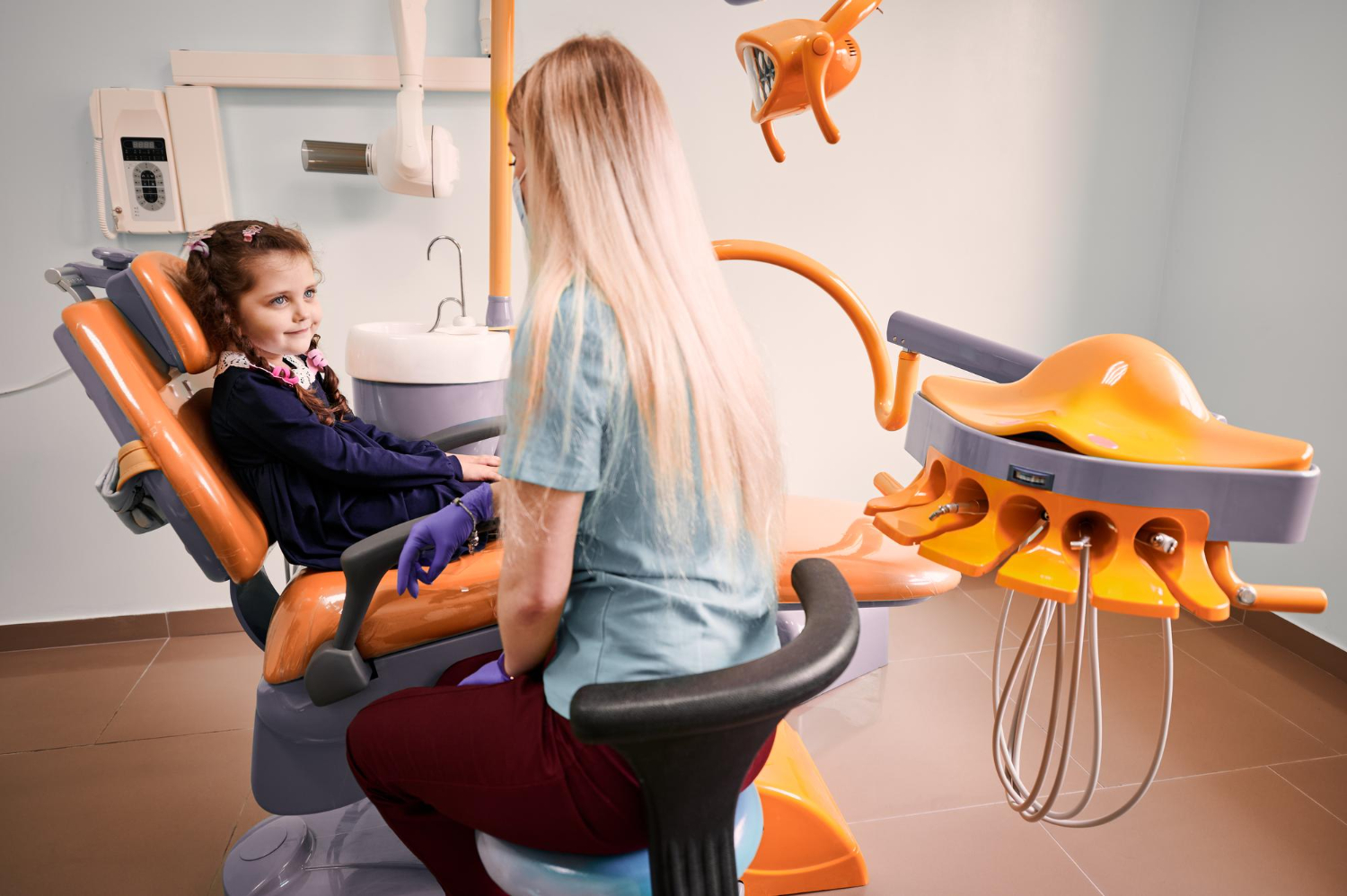
Specialized Pediatric Training Is the Foundation of Child-Friendly Care
A defining characteristic of a child-friendly pediatric dental practice is advanced training focused exclusively on children.
Education Beyond Dental School
Pediatric dentists complete additional years of specialty education after dental school, concentrating on child development, oral growth, behavior guidance, and preventive dentistry. According to the American Academy of Pediatric Dentistry, pediatric dentists are specifically trained to provide comprehensive oral healthcare for infants, children, adolescents, and patients with special healthcare needs, while also supporting emotional and behavioral development.
Parents searching for the best pediatric dentist ridgewood often prioritize providers with this level of pediatric-focused education rather than general dental training alone.
An Environment Designed to Reduce Fear and Build Trust
A truly child-friendly pediatric dental practice understands that the physical environment plays a powerful role in shaping a child’s emotional response to dental care. For many children, unfamiliar sights, sounds, and smells can trigger anxiety before treatment even begins. A thoughtfully designed environment helps reduce these stressors and encourages a sense of safety from the moment a family arrives.
Child-centered practices prioritize welcoming reception areas that feel approachable rather than clinical. Treatment rooms are often designed to feel open and calm, with gentle lighting and minimized noise. These elements help children feel less overwhelmed and more at ease during appointments. When children feel comfortable in their surroundings, they are more likely to cooperate and engage positively with the dental team.
Beyond design, consistency is a key factor in building trust. Seeing familiar staff members, following predictable routines, and experiencing calm transitions between spaces all contribute to a sense of stability. Over time, children learn that dental visits are safe and manageable experiences.
Families seeking a trusted pediatric dentist ridgewood often place high value on practices that intentionally design their environments to support emotional comfort, recognizing that fear reduction is essential to effective pediatric dental care.
Communication That Matches a Child’s Developmental Stage
Clear, age-appropriate communication is essential to child-friendly pediatric dentistry.
Explaining Care in Ways Children Understand
Pediatric dental teams explain procedures using simple, reassuring language and visual demonstrations that reduce fear. Children are prepared for what they will feel or hear, helping them stay calm and engaged throughout the visit.
Evidence-Based Behavior Guidance
Child-friendly practices rely on behavior management techniques supported by clinical research. Studies published through the National Library of Medicine show that positive dental experiences during childhood significantly reduce dental anxiety and avoidance behaviors later in life. Techniques such as tell-show-do, positive reinforcement, distraction, and gradual exposure are commonly used to support cooperative behavior without force or fear.
Practices recognized as the best kids dentist ridgewood consistently apply these evidence-based strategies to create positive, trust-building experiences.
First Dental Visits Shape Long-Term Oral Health Attitudes
Early dental visits are a foundational element of truly child-friendly pediatric dentistry. These initial experiences influence how children perceive dental care for years to come. When first visits are gentle, educational, and stress-free, children are far more likely to approach future appointments with confidence rather than fear.
The American Academy of Pediatric Dentistry recommends that children see a dentist by their first birthday or within six months of the eruption of the first tooth. These early visits focus on monitoring oral development, identifying early risk factors for cavities, and educating parents on proper home care. Just as importantly, they allow children to become familiar with the dental environment before more complex care is ever needed.
Child-friendly pediatric dental practices approach first visits with patience and flexibility. Appointments are often shorter and centered on comfort rather than treatment. Pediatric dental teams take time to explain what is happening in simple terms and allow children to explore the environment at their own pace.
Parents looking for a dependable childrens dentist ridgewood often value practices that view first dental visits as an opportunity to build trust and confidence, rather than simply as a clinical milestone.
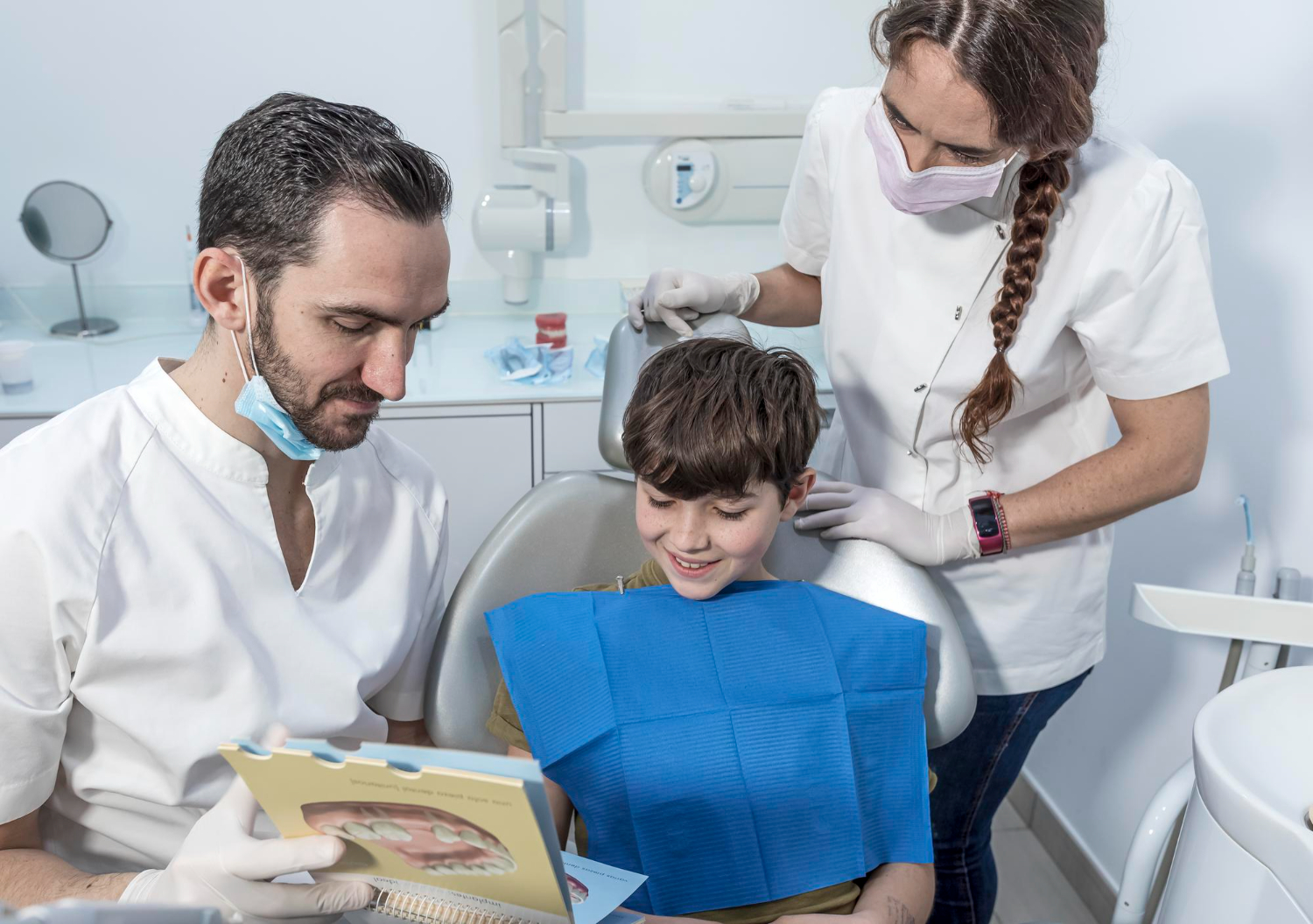
Preventive Dentistry Is Central to Child-Friendly Care
Preventive care is a cornerstone of pediatric dentistry and a defining feature of child-centered practices.
Individualized Cavity Prevention
Every child has unique oral health risks. Pediatric dental teams evaluate diet, oral hygiene habits, fluoride exposure, and family history to create customized prevention plans. Preventive services may include fluoride treatments, dental sealants, and personalized brushing and flossing instruction.
The Centers for Disease Control and Prevention’s oral health resources highlight that preventive dental care during childhood significantly reduces cavities and long-term oral health complications, reinforcing the importance of early and consistent pediatric dental visits.
Support for Children With Anxiety or Special Needs
One of the strongest indicators of a truly child-friendly pediatric dental practice is its ability to support children with anxiety, sensory sensitivities, or special healthcare needs. Every child is different, and pediatric dental care must be flexible enough to accommodate a wide range of emotional and developmental profiles.
Children with heightened anxiety or sensory processing challenges may find dental visits overwhelming. Child-friendly practices adapt their approach by modifying appointment pacing, adjusting sensory input such as lighting or sound, and allowing additional time for familiarization. These accommodations help children feel respected and understood rather than rushed.
For children with special healthcare needs, pediatric dentists rely on specialized training and experience to deliver safe, compassionate care. Clear communication with parents, careful planning, and individualized behavior guidance are essential components of this process.
Research published through the National Library of Medicine shows that positive, supportive dental experiences during childhood significantly reduce long-term dental anxiety and avoidance behaviors. Practices recognized as the best pediatric dentist ridgewood often distinguish themselves by their commitment to inclusive, patient-centered care that prioritizes emotional well-being alongside oral health.
Orthodontic Monitoring as Part of Pediatric Care
Child-friendly pediatric dentistry includes early evaluation of orthodontic development as part of routine care.
Monitoring Growth Before Problems Escalate
Pediatric dentists regularly assess jaw growth, bite alignment, and spacing. Early identification of orthodontic concerns allows for timely intervention or referral, often reducing the complexity of future treatment.
The American Academy of Pediatric Dentistry recommends orthodontic evaluations by age seven, even when braces are not immediately needed, to support healthy oral development.
Preventive Education That Involves Parents
A key component of child-friendly pediatric dentistry is education that actively involves parents and caregivers. Children’s oral health habits are shaped primarily at home, making parental guidance an essential part of effective dental care.
Pediatric dental teams take time to educate parents on age-appropriate brushing and flossing techniques, fluoride use, and dietary choices that affect oral health. This education is tailored to each child’s developmental stage, ensuring that recommendations are practical and realistic for families to follow.
Preventive education also includes guidance on managing common childhood habits such as thumb-sucking, pacifier use, or nighttime feeding. Addressing these factors early can help prevent future orthodontic or dental issues.
The Centers for Disease Control and Prevention’s oral health resources emphasize that preventive education and early intervention significantly reduce the risk of cavities and long-term oral health complications. Child-friendly practices view parents as partners in care, providing the tools and knowledge needed to support healthy routines between visits.
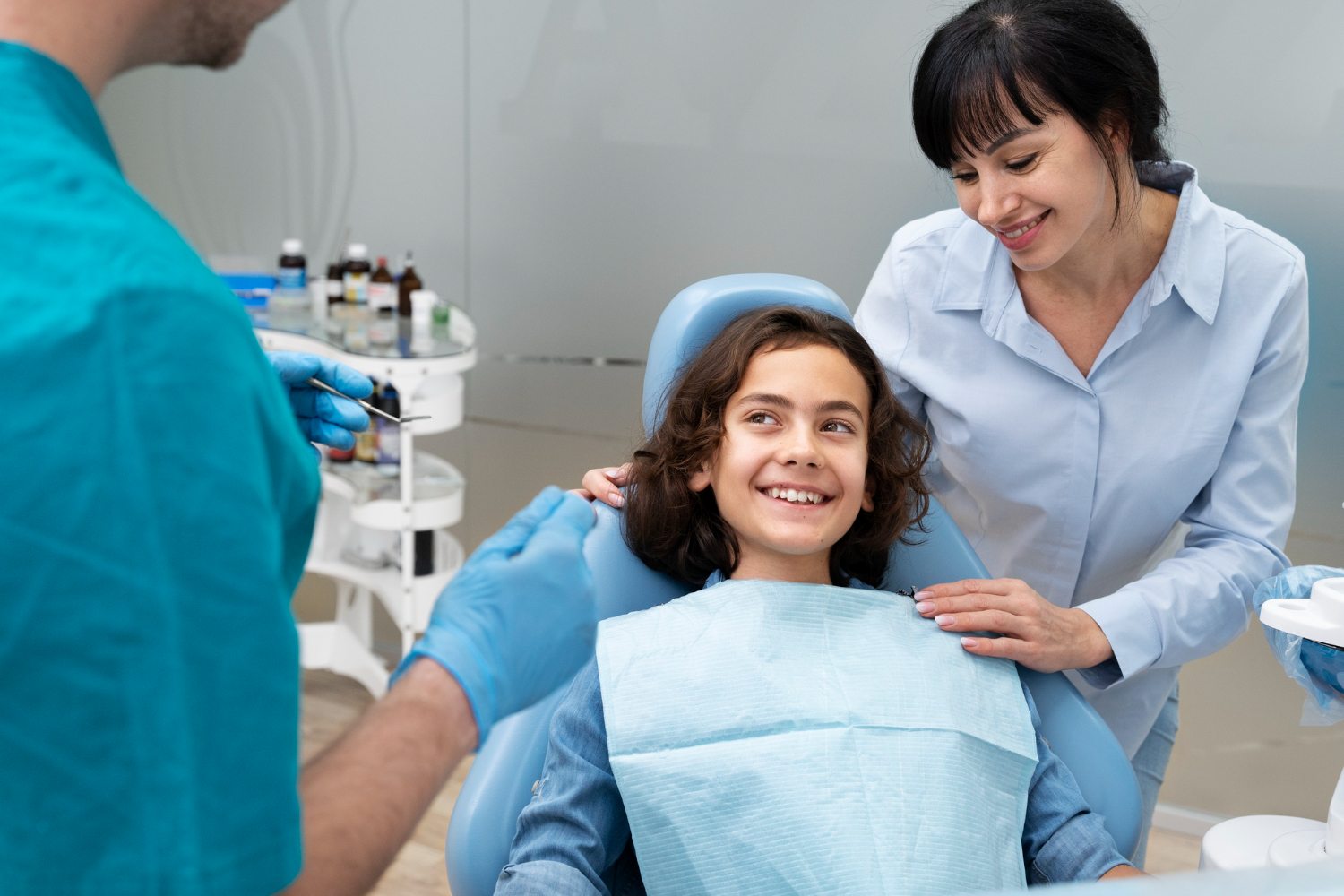
Monitoring Growth and Development Over Time
Child-friendly pediatric dental care extends beyond individual appointments by closely monitoring oral and facial development as children grow. Teeth, jaws, and bite alignment change rapidly throughout childhood, making ongoing evaluation an essential part of preventive care.
Pediatric dentists regularly assess spacing, eruption patterns, and jaw growth during routine visits. Early identification of developmental concerns allows for timely intervention or referral, often reducing the need for more extensive treatment later. This proactive approach supports healthier outcomes and helps families plan appropriately.
The American Academy of Pediatric Dentistry recommends orthodontic evaluations by age seven, even when braces are not immediately required. Child-friendly practices integrate these evaluations seamlessly into routine care, ensuring children are monitored without unnecessary pressure or treatment.
Parents often associate this long-term, growth-focused approach with practices they consider the best kids dentist ridgewood, recognizing the value of careful monitoring and early guidance.
Teaching Lifelong Healthy Habits
At its core, a truly child-friendly pediatric dental practice is focused on building habits that last well beyond childhood. The goal is not only to treat teeth, but to help children develop a positive relationship with oral healthcare that continues into adulthood.
Through consistent, supportive experiences, children learn that dental visits are a normal and important part of staying healthy. Pediatric dental teams reinforce good habits through encouragement, education, and routine care, helping children feel confident in their ability to care for their own oral health.
Parents receive ongoing guidance on establishing consistent routines at home, including brushing, flossing, and regular dental visits. This partnership between families and dental professionals creates a strong foundation for lifelong oral health.
Children who grow up feeling comfortable and confident at the dentist are more likely to continue preventive care as adults. Pediatric Dental Associates of Ridgewood supports families through this long-term process, offering care designed to promote healthy habits, emotional comfort, and positive dental experiences from the earliest years forward.

 Dubb
Dubb