
The Most Profitable but Most Fragile Month for Florida Restaurants
For restaurant owners across Florida, December represents more than a boost in seasonal sales. It is the month that can determine whether a business ends the year strong or falls short of financial expectations. While holiday tourism, festive gatherings, and end-of-year celebrations bring a surge of customers, they also introduce a level of volatility that makes December the single most dangerous month for business interruption.
High traffic, seasonal weather shifts, temporary staffing, supply chain inconsistencies, and increased customer expectations all converge at once. As a result, even minor incidents can quickly escalate into full operational shutdowns. A restaurant that might normally recover from a short equipment failure, a late delivery, or a staffing gap may find itself losing thousands of dollars per hour during peak holiday rush.
This expanded report takes a look at why December poses such elevated risks for restaurants in Florida (with insights from industry data, real-world scenarios, and the growing role of comprehensive protection options like restaurant insurance packages Central Florida). It also explores the strategies that help business owners stay resilient during the busiest and most challenging month of the year.
December’s Risk Profile: Why Restaurants Are More Vulnerable Than Ever
1. Holiday Traffic Magnifies Every Operational Weakness
December is the peak of hospitality activity in Florida. From Orlando’s theme-park crowds to South Florida’s tourism wave, restaurants experience intense customer volume that strains every part of their operation.
High-Volume Demand Means Zero Room for Error
Restaurants typically operate with narrow margins and fast turnover, but December intensifies that reality. With dining rooms full from open until close, holiday events scheduled back-to-back, and kitchens working nonstop, any problem, no matter how small, can trigger a rapid chain reaction.
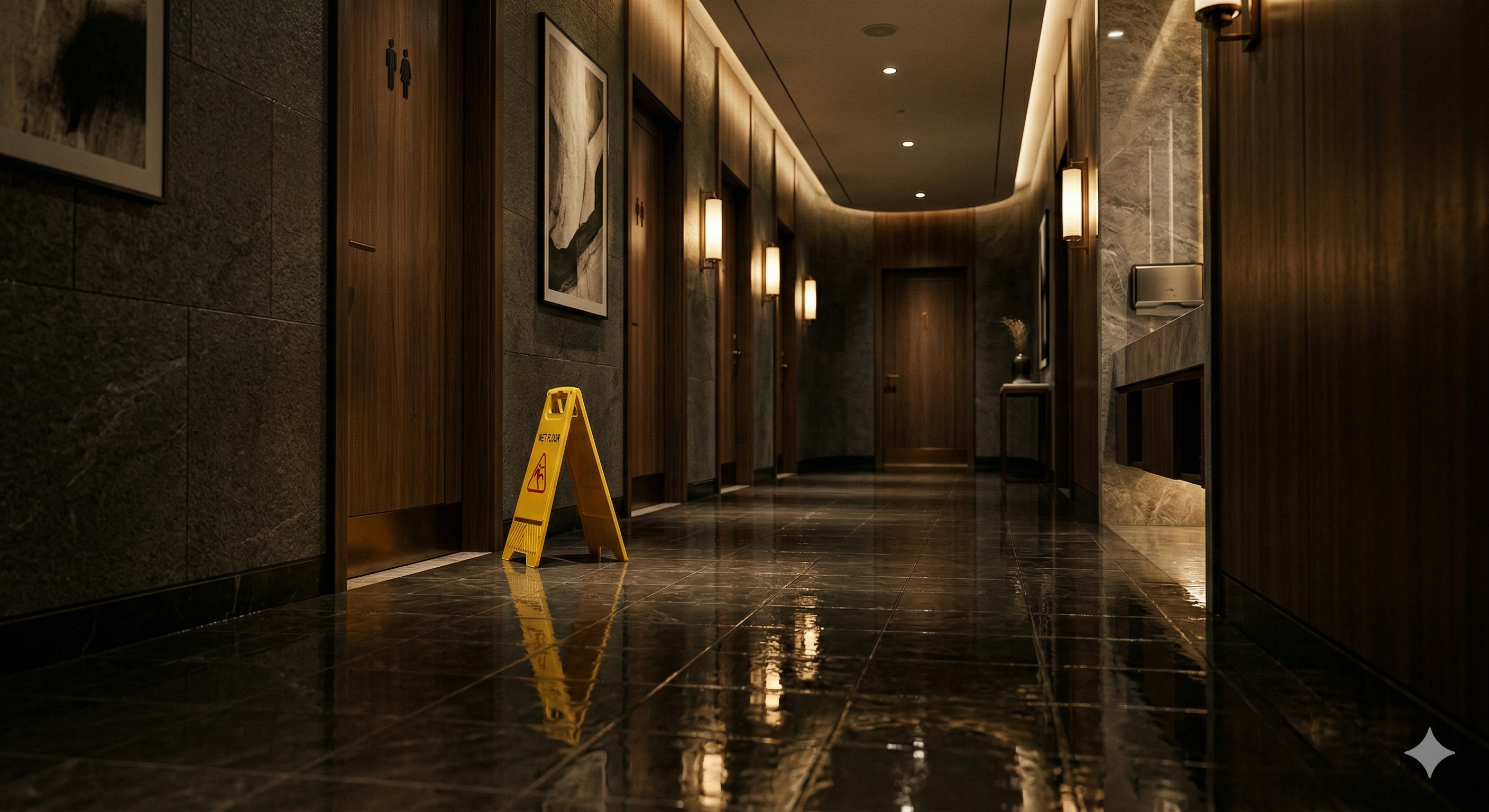
A single equipment malfunction can delay orders. A one-hour staff shortage can cause long wait times and cancellations. A plumbing or electrical issue can shut down sections of the restaurant entirely. In most months, these challenges are manageable. In December, they are catastrophic.
The Financial Stakes Are Higher
Industry analysts note that some restaurants earn 20% to 30% of their annual revenue in December alone. Losing even one peak night can equal the revenue of an entire week in slower months.
In interviews, Florida restaurant owners consistently cite December as the month where:
- “A two-hour closure can cost more than a full slow Tuesday in summer.”
- “Cancellations during the holidays affect long-term bookings.”
- “Staff mistakes become more expensive because there’s no time to recover.”
This explains why more businesses have shifted toward structured protection options such as a Business Owners Policy (BOP), General Liability, and bundled solutions like restaurant insurance packages Central Florida, which help buffer the financial blow when operations are forced to stop.

2. Seasonal Weather Increases December Shutdowns
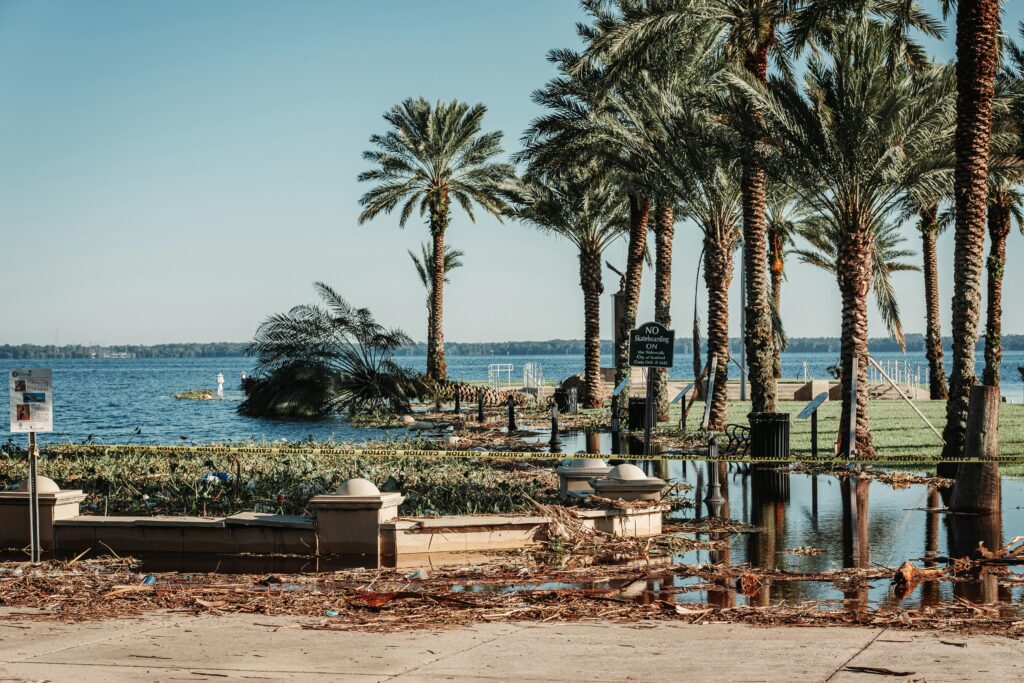
Florida is famous for warm winters, but the perception that December is “safe” from weather-related risks is misleading. Fast-moving cold fronts, sudden storms, and heavy rainfall remain common, especially in Central and North Florida.
Weather-Related Closures Surge in December
According to FEMA data, year-end storms are one of the leading causes of short-term business closures in the Southeast. Restaurants in Florida face:
- Power outages
- Flooding in low-lying areas
- Water damage from heavy rains
- Roof leaks during cold front transitions
- Outdoor dining closures due to wind and rain
- Storm-related supply delays
Weather interruptions pose outsized risks for restaurants that rely heavily on December holiday events. A single canceled catering order or disrupted holiday dinner can represent thousands in lost revenue, often without warning.
Outdoor Dining Makes Florida Restaurants More Vulnerable
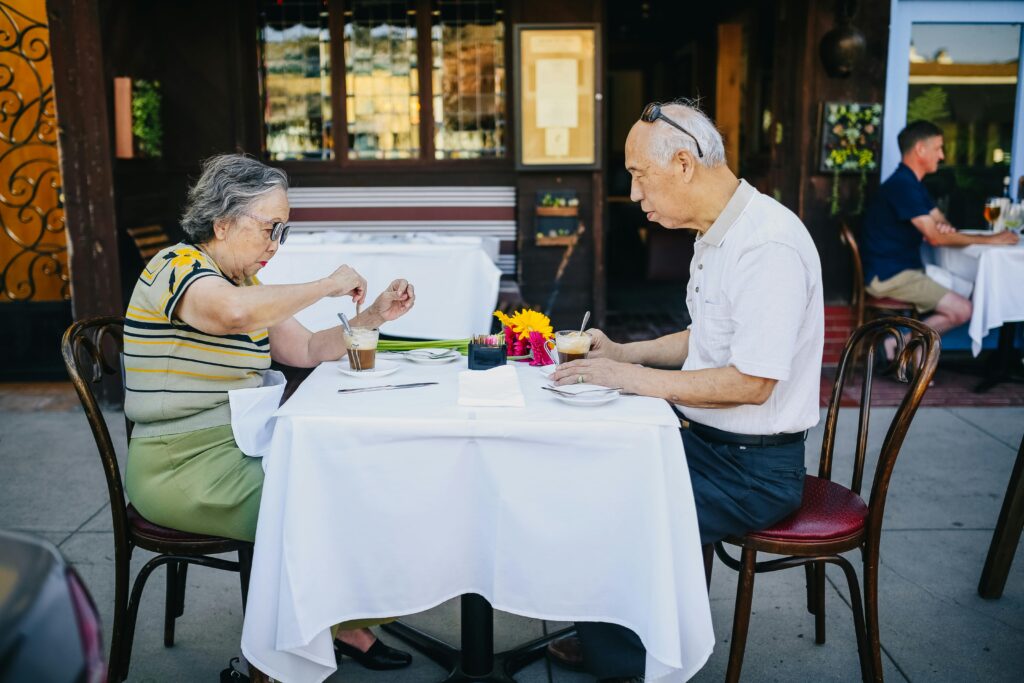
Florida’s climate encourages patio seating, waterfront dining, and open-air service. While profitable, these areas are also the first to close during weather disruptions. Loss of patio capacity during December’s busiest nights can reduce seating by 20% to 40%.
Restaurateurs who depend on seasonal crowds increasingly turn to coverage options that include property protection, business interruption coverage, and equipment damage reimbursement, often found within restaurant insurance packages Central Florida.
3. Seasonal Staffing Increases the Risk of Accidents and Service Errors
To keep up with holiday traffic, many restaurants hire short-term or part-time workers in December. Unfortunately, seasonal hiring often comes with reduced training time, limited experience, and higher accident rates.
OSHA Data: New Workers Have Higher Injury Rates
The Occupational Safety and Health Administration notes that employees with less than six months of experience are responsible for a disproportionate number of workplace incidents. In restaurant environments, the most common include:
- Slip-and-fall accidents from wet floors
- Burns from fryers, ovens, and hot surfaces
- Knife injuries
- Misuse of kitchen equipment
- Food safety mistakes
- Spilled liquids creating hazards for guests
Operational Impact Goes Beyond Safety
When an inexperienced employee makes a critical mistake, the effects ripple outward:
- A spill in the dining area can shut down a section of the restaurant.
- A kitchen accident can force an early closure while staff re-groups.
- Improper food handling can trigger health-code violations.
- Slow service can overwhelm the floor during peak hours.
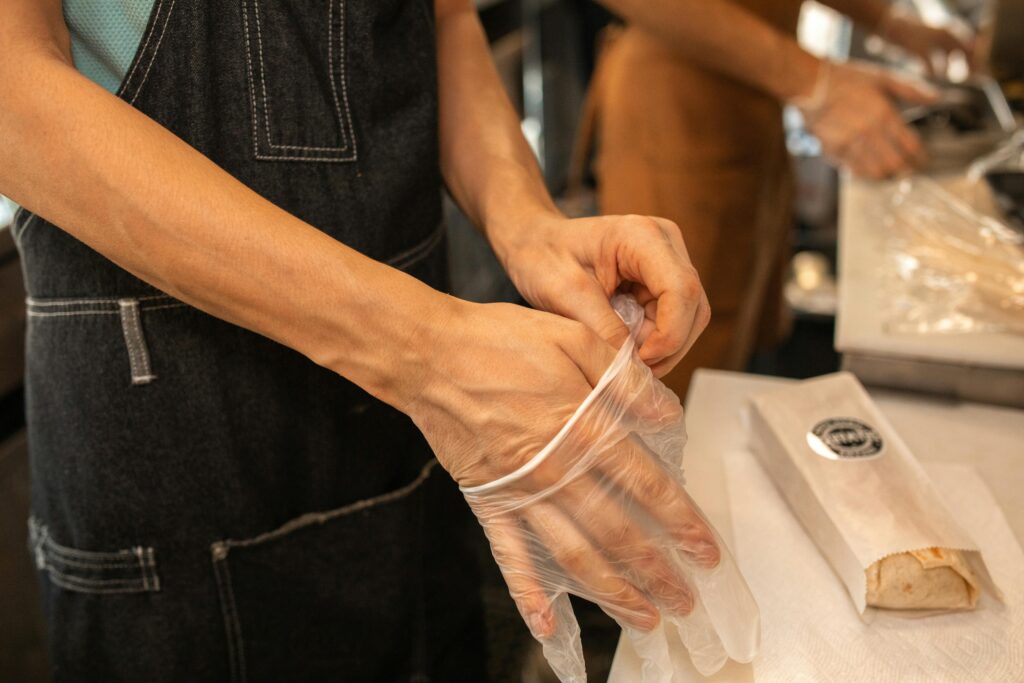
Beyond the immediate operational costs, these incidents pose liability risks,which is why December is one of the most common months for restaurants to rely on coverages such as:
- Workers’ compensation
- General liability
- Business interruption coverage
Many of these protections are available in bundled restaurant insurance packages Central Florida, helping restaurants stabilize operations during their most vulnerable month.
4.December Supply Chain Disruptions Are Worse Than Ever
The holiday season creates nationwide pressure on food distributors, packaging suppliers, equipment vendors, and shipping carriers. For Florida restaurants, many of which rely on daily deliveries, the impact can be immediate and severe.
Common December Supply Chain Failures
Restaurant owners report recurring challenges:
- Late or incomplete food deliveries
- Shortages of high-demand ingredients
- Delayed shipment of equipment replacement parts
- Lack of availability for specialty holiday menu items
- Packaging shortages affecting takeout and catering services
- Backups at Florida ports and distribution centers

Even a 24- to 48-hour delay can lead to:
- Removed menu items
- Canceled events
- Reduced cover counts
- Lost business on peak nights
Holiday Menus Increase Dependency on Specialty Items
Restaurants offering limited-time holiday dishes or pre-fixed menus face greater risk. When a key ingredient is missing or late, entire offerings must be altered or removed, sometimes with just hours of notice.
Data from the U.S. Small Business Administration recommends that restaurants operating during high-demand seasons maintain backup suppliers, inventory buffers, and expanded insurance protections, including business interruption and property damage coverage.
5. Customer Expectations Are Higher, Creating Reputation Risk
December customers expect excellence. Whether they are celebrating holidays, traveling from out of state, or hosting corporate events, they want fast, flawless, festive experiences.
A Single Bad Night Can Create Long-Term Damage
During December, online reviews tend to spike. Reputation issues can escalate because:
- Guests are more likely to leave reviews during the holidays
- Mistakes are magnified when expectations are high
- Negative experiences during family gatherings or office events stick
- Restaurants rely heavily on December to build next year’s bookings
A temporary interruption, even a short wait, a missing menu item, or a closed dining section can harm:
- Online ratings
- Repeat customer visits
- Catering contracts
- Word-of-mouth referrals
This reinforces why more restaurants prioritize proactive protection, using tools such as General Liability, BOPs, and modern restaurant insurance packages Central Florida.
Why a Single Incident in December Can Derail an Entire Year
Financial Dependency on December Revenue
Restaurants in tourist-heavy areas like Orlando, Tampa, and South Florida often rely on December to stay profitable for the full year. Many report:
- Highest catering revenue of the year
- Most private party bookings
- Heaviest dine-in traffic
- Brunch and dinner waitlists daily
- Packed takeout and delivery schedules
A single closure due to weather, staffing issues, equipment malfunction, or property damage can wipe out an entire week’s revenue.
The “Peak Hour Problem”
In Florida restaurants, profit margins peak during specific hours:
- Friday and Saturday nights
- Holiday brunches
- Corporate event evenings
- Weekends before Christmas and New Year’s

Interruptions during these windows can surpass losses from an entire slow season.
Case Examples: How December Disruption Impacts Florida Restaurants
Case 1: Equipment Failure During a Holiday Event
A seafood restaurant in Tampa experienced a fryer breakdown during a corporate Christmas party.
Impact:
- Event canceled after 40 minutes
- $7,500 in lost catering revenue
- $2,000 in refunds
- Negative reviews and lost future corporate bookings
Business interruption coverage reimbursed part of the loss, but the reputational damage had long-term effects.
Case 2: Sudden Weather Closure in Central Florida
A lakeside restaurant near Orlando shut down during an unexpected evening storm that created electrical issues.
Impact:
- Full patio closure
- 30% seating capacity lost
- Multiple reservations canceled
- Weekend sales dropped by 40%
Restaurants with patio seating remain especially at risk.
Case 3: Supply Chain Shortages for a Holiday Menu
A bakery in Jacksonville offering December-only desserts saw shortages in crucial ingredients due to delayed shipments.
Impact:
- Menu reductions
- Customer complaints
- Loss of wholesale orders
- Reduced December sales by 25%
How Florida Restaurants Can Prepare for December’s Risks
Review and Strengthen Insurance Protections
The most effective way restaurants defend themselves from revenue loss is through a combination of coverages commonly found in restaurant insurance packages Central Florida, including:
- Business Owners Policy (BOP)
- General Liability Insurance
- Property Insurance
- Business Interruption Insurance
- Equipment Breakdown Coverage
- Workers’ Compensation
- Cyber Liability (for busy online ordering seasons)
Florida restaurants can explore customized options through: https://usa-cis.com/restaurant-and-entertainment-insurance/
Create Comprehensive Emergency and Staffing Plans
Cross-training staff reduces vulnerability when unexpected shortages occur. Seasonal employees must receive:
- Shortened but effective safety training
- Clear protocols for holiday rush
- Emergency checklists
- Communication procedures for disruptions
Conduct Preventive Maintenance Before December
Restaurants should complete inspections in early November:
- HVAC
- Refrigerators and freezers
- Electrical panels
- Plumbing
- Fire suppression systems
- Cooking equipment
A small fix in November prevents a shutdown in December.
Strengthen Supplier Relationships and Backup Plans
Restaurants should:
- Secure at least two vendors for high-volume items
- Pre-order holiday ingredients in advance
- Communicate expected traffic levels to suppliers
- Keep backup inventory of critical items
Monitor Weather Alerts Closely
Using NOAA alerts or local emergency notification systems helps restaurants respond faster and protect outdoor dining spaces.
December Rewards Prepared Restaurants and Punishes Unprepared Ones
December is the most lucrative month for Florida restaurants, but also the most precarious. Heavy demand, seasonal risks, and operational pressure create a perfect storm where even small disruptions lead to major financial setbacks. Restaurants that invest in preparation, staffing plans, supply chain resilience, preventive maintenance, and comprehensive coverage are better equipped to protect revenue and maintain operational continuity.
Owners looking to safeguard their business during the most critical month of the year can explore solutions through CIS, including tailored restaurant insurance packages Central Florida and business protection resources.
 USA.CIS