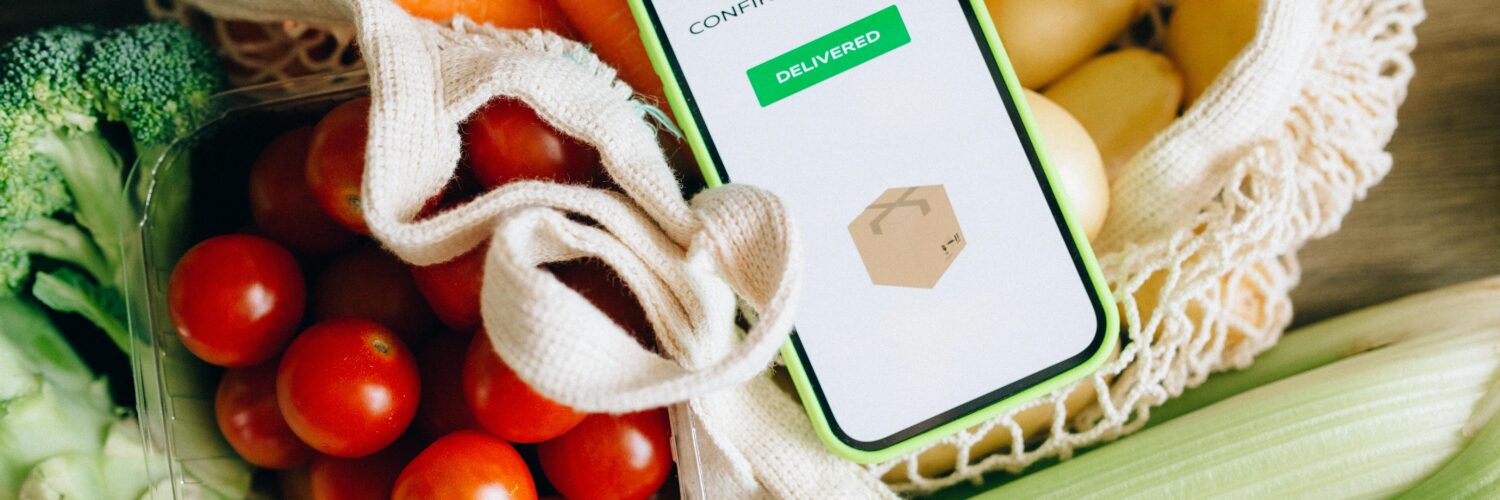
The rapid rise of digital food delivery has transformed how Kissimmee restaurants operate. Platforms like Uber Eats, DoorDash, and Grubhub now account for a significant share of local food orders, making delivery partnerships a practical necessity for restaurants looking to maintain competitiveness. Yet many restaurant owners do not realize that these delivery platforms introduce serious insurance gaps that can impact liability, property protection, and day to day operations. As these apps continue to grow, the risks associated with them also grow, especially for restaurants that rely heavily on takeout and delivery revenue.
Florida restaurant owners often assume that delivery apps provide full coverage for accidents or injuries involving delivery drivers. In reality, these companies typically provide limited or conditional protection, leaving restaurants exposed to potential claims involving customers, workers, vehicles, and property. Because of this, Kissimmee restaurants need a sophisticated understanding of how traditional restaurant insurance intersects with delivery platforms and where the gaps exist.
This guide explores the hidden risks, legal implications, and coverage requirements that Kissimmee restaurants need to consider when working with third party delivery services. It also examines the relevant types of insurance that can help close these gaps, including liability coverage, workers compensation, commercial property insurance, and business interruption insurance. The objective is to provide restaurant owners with clear, reliable education that helps them make informed decisions about their coverage needs.
The Hidden Insurance Gaps Created by Delivery Apps
Third party delivery platforms are designed to connect restaurants with customers, not to absorb financial responsibility for every accident that occurs within the delivery chain. This means that restaurants often operate under assumptions that are not supported by the actual contractual agreements or insurance policies tied to the apps.
Liabilities That Fall Back on the Restaurant
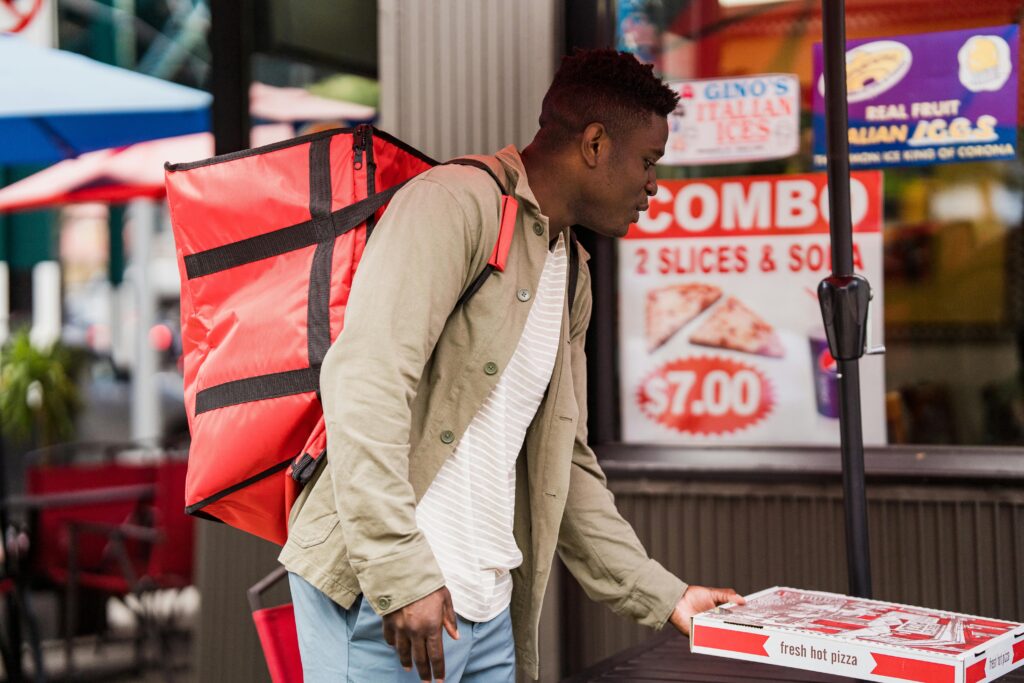
The biggest misunderstanding involves liability for delivery related incidents. Most delivery apps categorize their drivers as independent contractors. Because of this, the platform distances itself from responsibility for the driver and the vehicle in most circumstances. When a delivery driver injures a pedestrian, damages property, or causes a crash, the restaurant may be implicated in a claim alleging that the business contributed to the risk by authorizing deliveries.
Several restaurant operators only discover this exposure after an incident occurs. Delivery apps may provide secondary liability protection, but only in specific circumstances and often with strict limitations. If the driver is uninsured, or if the crash happens outside an approved stage of the delivery window, the coverage might not apply at all. Kissimmee restaurants that do not fully understand these limitations often end up with unexpected legal exposure.
Customer Injury Claims Linked to Deliveries
Food delivery creates more opportunities for customer injury. Hot food spills, contaminated meals, allergic reactions, and packaging issues can all lead to claims. Although general liability insurance typically covers customer injury arising from food consumption, restaurants must verify that their policies do not exclude third party transportation. Some low cost policies restrict off premises incidents, leaving restaurants exposed when food is delivered by a contractor rather than an employee.
Customer complaints that occur during a delivery are often complicated by the involvement of the platform. A Kissimmee restaurant may assume that DoorDash or Uber Eats will handle the situation. However, these companies primarily operate as technology platforms, not food handlers. As a result, the responsibility may fall back on the restaurant.
Property Damage Risks Overlooked by Many Operators
In restaurant environments where delivery and takeout dominate operations, property risks evolve as well. Increased packaging inventory, additional equipment use, and higher traffic flow can all elevate risk inside the restaurant. Fire hazards, equipment malfunctions, and food spoilage incidents also increase under high volume operations. Restaurants operating under the assumption that delivery apps cover property related losses quickly discover that they are responsible for equipment breakdown, spoilage losses, and business interruption when deliveries spike and cause strain on resources.
A surprising number of restaurants have never conducted a thorough risk assessment focused on delivery operations. This oversight can create gaps that are only discovered during an inspection, claim, or loss event.
Delivery Drivers and Workers Compensation Complexities
One of the most confusing areas for Kissimmee restaurants involves determining whether delivery drivers should be covered under workers compensation insurance. Restaurants that employ their own drivers must provide workers compensation coverage under Florida law. However, restaurants that rely solely on third party platforms often assume that workers compensation is not relevant.
When Delivery Apps Do Not Cover Injuries for Drivers
Drivers working for DoorDash, Uber Eats, or Grubhub are considered independent contractors. Because of this categorization, they are not eligible for workers compensation benefits from the delivery platform. This means that if a driver delivering food from a Kissimmee restaurant is injured on the job, the platform is not responsible for medical costs or lost wages.
In some situations, a restaurant may still face potential claims if it assigns tasks or exerts control over the delivery process. Misclassification issues can arise, and a restaurant could unintentionally create scenarios in which a driver argues that the restaurant functioned as an employer. These scenarios can lead to costly legal disputes.
Restaurants With Hybrid Models Have Additional Responsibility
Some Kissimmee restaurants use their own employees for local deliveries while also partnering with third party apps. In this hybrid model, restaurants must maintain adequate workers compensation coverage for their own staff. Any restaurant employee who delivers food, even on an occasional basis, is considered to be engaged in a workplace task. If that employee is injured during delivery, workers compensation coverage is required.
Restaurants must regularly review their staff roles to ensure that coverage aligns with actual tasks being performed. Misalignment between job descriptions and real duties is a common issue uncovered during audits, and failure to maintain accurate classification can result in penalties or denied claims.
Liability Coverage Requirements for Restaurants Using Delivery Apps
Liability exposure increases significantly when a restaurant relies on delivery revenue. Each order extends the restaurant’s risk footprint beyond the premises, and traditional liability policies do not always cover off site incidents unless they are specifically structured to do so.
General Liability and Delivery Related Risks
General liability remains essential for Kissimmee restaurants, but owners must confirm that their policies support off premises food related claims. Some low cost or basic policies do not provide adequate protection for injuries or property damage that occur beyond restaurant property.
Restaurants should also review whether their policies cover:
- Hot food burn claims
• Packaging malfunction injuries
• Foodborne illness affecting delivery customers
• Allergic reactions caused by mislabeling
• Damage caused by spills during delivery
Because liability claims can be expensive and damage a restaurant’s reputation, clear coverage is important for any business that relies heavily on Uber Eats, DoorDash, or other platforms.
Commercial Auto Exposures Many Restaurants Overlook
Restaurants that use employees to deliver food must maintain commercial auto insurance. Personal auto policies rarely cover business related accidents. Even when employees use their own vehicles, the restaurant has exposure, because the restaurant benefits financially from the delivery activity.
Restaurants that unknowingly rely on personal auto policies often face large uncovered losses when an accident occurs. This is an area of significant risk in Kissimmee, where many restaurants have adopted mixed delivery models.
Umbrella Liability for High Traffic Delivery Operations
High order volume creates a higher probability of claims. Kissimmee restaurants located near theme parks, hotels, or high demand tourist areas experience surge periods that increase their risk. Umbrella liability insurance provides an added layer of protection when large claims exceed primary policy limits. Restaurants with significant delivery traffic should evaluate whether higher limits are needed.
Commercial Property Protections for Delivery Heavy Restaurants
Property protection is an essential component of restaurant insurance, especially in high demand areas like Kissimmee. Many restaurants do not consider the impact of delivery volume on equipment, storage, and operational efficiency. This oversight can lead to property losses that disrupt business and drive unexpected repair expenses.
Kitchen Equipment Strain and Breakdown
Delivery heavy restaurants often experience constant equipment use, longer operating hours, and higher output levels. This increases the likelihood of:
- Freezer malfunctions
• HVAC failure
• Cooking equipment breakdown
• Exhaust system overload
• Food spoilage
Kissimee Restaurants
Commercial property insurance and equipment breakdown coverage protect against losses related to malfunction or failure, but restaurants must verify that their policies include spoilage protection and coverage for power surges or mechanical failure.
Increased Fire and Electrical Hazards
With higher order volume comes more cooking activity, packaging, and transportation preparation. This elevates fire risks and increases the demands on electrical systems. Inspections and fire suppression maintenance become even more important for restaurants that operate with heavy delivery traffic.
Inventory and Packaging Protection
Restaurants that rely heavily on food delivery must maintain a large inventory of packaging supplies, disposable containers, utensils, and branded materials. Property policies should reflect the value of these items to ensure accurate reimbursement if a loss occurs. Many Kissimmee restaurants underestimate the cost of packaging inventory, which leads to underinsurance and insufficient coverage after a loss event.
Business Interruption Insurance and Delivery Dependencies
Restaurants that depend on delivery revenue are especially vulnerable when operations are disrupted. A kitchen fire, equipment failure, or power outage can halt delivery operations immediately and lead to substantial financial losses. Business interruption insurance can help cover lost income, ongoing expenses, and temporary relocation costs when a covered event forces a restaurant to close or reduce operations.
How Delivery Volume Affects Business Interruption Needs
Restaurants that generate a large percentage of income from delivery should verify that their business interruption coverage reflects accurate revenue projections and operating patterns. Underreporting revenue or failing to update business models can result in inadequate protection during a disruption.
Delivery Platform Outages and Coverage Limitations
If a delivery app experiences a system outage, restaurants may lose significant income. However, most business interruption policies do not cover losses resulting from third party technology platform outages. Restaurants should recognize this limitation and diversify order channels to reduce dependency on any single platform.
Regulatory Requirements Affecting Kissimmee Restaurants
Florida has specific insurance requirements for businesses, especially those that employ workers or operate commercial vehicles. Kissimmee restaurants must comply with these regulations to avoid fines, claims disputes, and business interruptions.
Required Workers Compensation Coverage
Restaurants with four or more employees must provide workers compensation coverage in Florida. This includes full time and part time staff. Restaurants that operate without required coverage risk penalties and may be held responsible for medical costs if an employee is injured.
Liability Requirements for Commercial Vehicles
Any restaurant using vehicles for deliveries must maintain proper commercial auto insurance. Personal auto insurance does not satisfy business requirements and does not meet the legal protection needs of a commercial operation.
General Business Liability Expectations
While not legally required under state law, general liability insurance is considered essential for restaurants operating in Florida due to customer interaction risks, food handling responsibilities, and property hazards. Restaurants working with delivery apps face elevated exposure and should ensure coverage aligns with operations.
For additional regulatory guidance, restaurant owners can review information provided by the following sources:
• U.S. Small Business Administration
• National Restaurant Association
How Kissimmee Restaurants Can Close Their Insurance Gaps
To fully protect against delivery related risks, Kissimmee restaurants need a combination of insurance coverage and operational adjustments. Understanding how to structure a comprehensive protection plan is essential for long term business health.
Review Policies for Off Premises Coverage
Restaurants must ensure that liability, property, and workers compensation policies support delivery operations. Off premises limitations are common in some policies, especially low cost ones, and should be evaluated carefully.
Add or Update Commercial Auto Coverage
Restaurants that employ drivers or use vehicles for business must maintain updated commercial auto insurance. Even occasional deliveries can trigger the need for commercial auto coverage.
Consider Higher Liability Limits
Delivery operations expand liability exposure. Restaurants with high delivery volume should consider umbrella liability insurance to protect against large claims.
Verify Property and Equipment Protection
Restaurants should regularly evaluate:
- Kitchen equipment values
• Packaging inventory
• Technology and POS systems
• Refrigeration equipment
• Spoilage risk
Accurate valuations help ensure that commercial property policies provide sufficient protection.
Assess Business Interruption Needs
Restaurants should update business interruption coverage to reflect actual delivery revenue. With delivery representing an increasingly large portion of restaurant income, outdated policies can leave businesses underprotected.
Internal and External Resource Integration
Restaurant owners looking for additional education on risk management and insurance structure can explore restaurant insurance packages Central Florida, an internal resource that provides specialized information on coverage options and risk strategies for restaurants operating in Kissimmee and surrounding areas.
For broader industry insights, external sources such as the U.S. Small Business Administration, the National Restaurant Association, and the Insurance Information Institute publish valuable research on safety, regulations, and risk trends affecting restaurant operators nationwide.
Next Steps for Kissimmee Restaurant Owners
Restaurant owners who rely on DoorDash, Uber Eats, and other delivery platforms should review their existing insurance policies to determine whether gaps exist. Delivery associated risks continue to grow as consumer demand increases, making coverage evaluation an essential step in protecting business assets, staff, and customers.
• Contact USA CIS for a coverage consultation
• Request a personalized risk assessment
• Explore custom restaurant insurance plans designed for Kissimmee operations
Delivery platforms offer convenience and profitability, but they also introduce new liabilities that every restaurant must address. With the right insurance strategy, Kissimmee restaurants can operate confidently, maintain compliance, and build long term resilience in an evolving food delivery landscape.
 USA.CIS