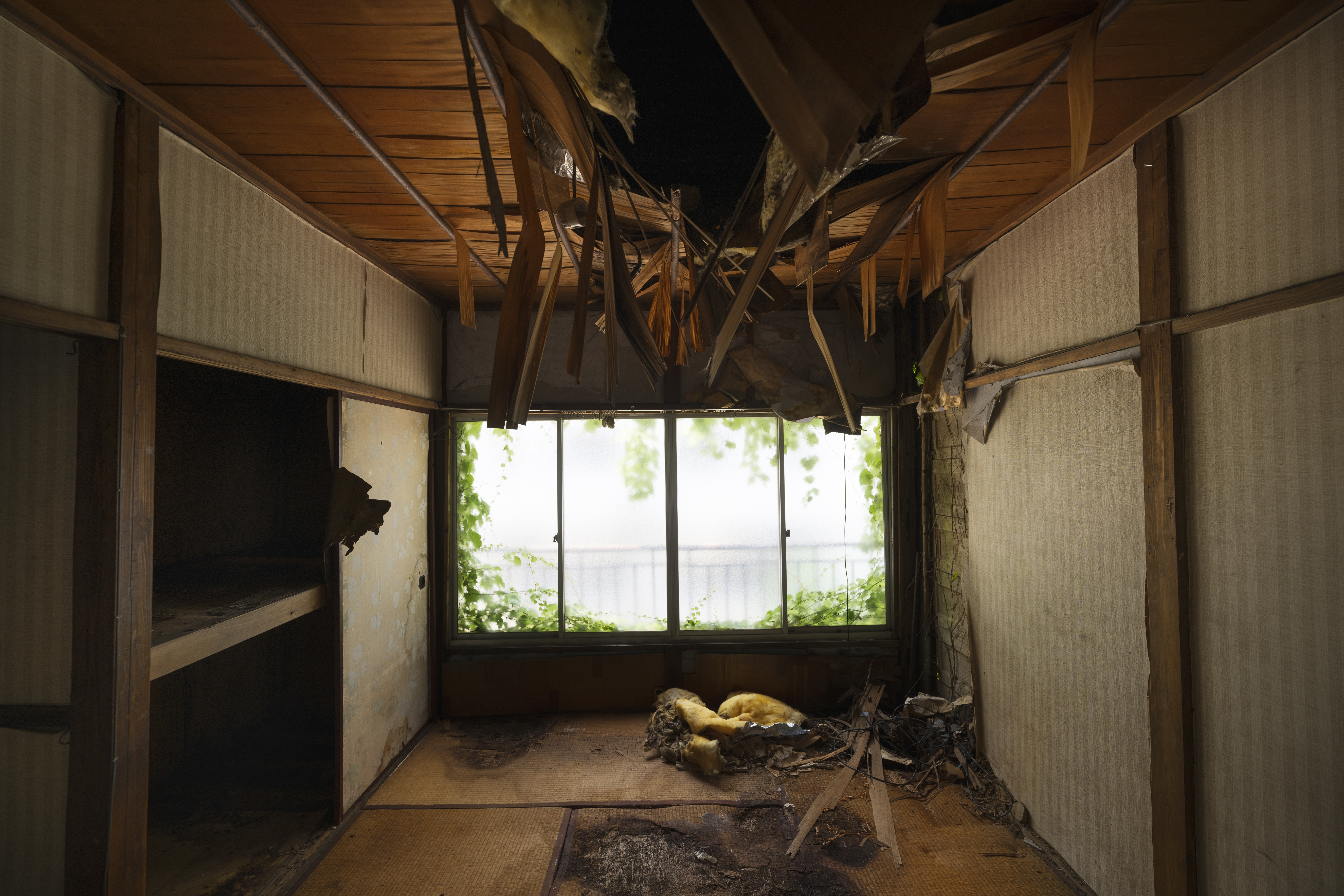

A nursing home is supposed to be a safe, happy place for seniors to live. However, many buildings in areas like Harbor Point or North Stamford are having a hard time staying comfortable. This is because the “skin” of the building, the walls and the roof, is getting too old. These buildings weren’t built to handle the new rules of 2026 or the special health needs of older people.
Why the “Building Skin” Matters
Think of a building like a person wearing a winter coat. If the coat has holes or the stuffing is falling out, the person gets cold. In many Connecticut facilities, the old insulation (the stuffing) has flattened down or gotten yucky. This makes it hard to keep the rooms at the right temperature, which is very important for grandparents who get cold easily. It also makes the building fail new safety tests required by the state.
Fixing Problems Before They Start
Instead of waiting for something to break or for mold to grow, smart building managers are now using a “Prevention-First” plan. By working with a professional insulation contractor CT, facilities can fix these holes before they cause trouble. This helps the building last a lot longer and keeps the air inside much cleaner.
The Magic of Better Materials
To keep everyone safe from germs and to stay warm, the building needs to be airtight. Traditional stuffing like fiberglass can’t do this very well. Using commercial spray foam CT is like giving the building a brand-new, seamless space suit. It fills every tiny crack so that bad air can’t leak in and good, warm air can’t leak out.
In neighborhoods throughout the region, from the busy streets of Stamford to the quiet lanes of Riverside, this high-tech approach is the best way to make sure senior living centers stay safe, quiet, and healthy for a long time.
The Invisible Crisis of Indoor Air Quality and Infection Control
In the high-stakes environment of a nursing home, the building envelope acts as the primary barrier between a medically fragile population and external environmental threats. However, many current facilities rely on aged, porous insulation systems that inadvertently facilitate the spread of airborne pathogens. When a building’s shell is compromised, it creates a “pressure-driven” migration of air that undermines even the most advanced clinical protocols.
The Migration of Pathogens via Flanking Paths
Traditional insulation materials, such as fiberglass batts and blown-in cellulose, are inherently fibrous and non-airtight. Over time, these materials settle, sag, or compress, creating “flanking paths”, microscopic gaps and voids within wall cavities and ceiling plenums. These gaps act as conduits for uncontrolled air movement between resident rooms and common areas. In a senior living context, this means that aerosolized viruses and bacteria can bypass internal filtration systems, moving freely through the structural “veins” of the building. This phenomenon essentially turns the building’s own walls into a delivery system for cross-contamination.
Monolithic Air Barriers and HVAC Synergy
The optimal standard for modern infection control is the creation of a monolithic, airtight building envelope. For advanced HVAC systems, such as those utilizing MERV-13 filtration or bipolar ionization, to function as engineered, they must operate within a controlled environment. If the building envelope is “leaky,” the HVAC system is forced to process unfiltered, unconditioned air from the outside or from contaminated interstitial spaces, drastically reducing its efficacy. A truly airtight envelope ensures that all air within the facility passes through designated clinical filtration points, effectively neutralizing airborne threats before they reach vulnerable residents.
High-Performance Solutions by Professional Insulation Services
To resolve these systemic risks, many facilities are turning to specialized contractors capable of high-precision retrofitting. Crown Insulation Services frequently implements USA-made high-performance spray foam to rectify these vulnerabilities. Unlike traditional materials, the spray foam they utilize expands to fill every crack and crevice, creating a permanent, seamless air barrier that eliminates bypass paths.
By functioning as a top-tier insulation contractor CT, they enable nursing homes to achieve a level of environmental control that was previously impossible. This transition from porous to airtight surfaces not only enhances infection control but also significantly improves the overall indoor air quality (IAQ) by blocking the infiltration of outdoor allergens and pollutants. For facility managers considering the spray foam insulation cost CT, the investment is often justified by the immediate improvement in resident safety and the reduced strain on mechanical air-handling units. Through the technical expertise of the Best rated insulation company CT, healthcare facilities can finally ensure that their building envelope is an asset in the fight against infection, rather than a hidden liability.
Thermal Instability and Its Physiological Toll on the Elderly

Keeping a building at the exact right temperature is about more than just being comfortable; for older people, it is a medical necessity. As people get older, their bodies have a harder time staying warm on their own. In places like Riverside or Cos Cob, where winters are very cold, even a small drop in room temperature can make a senior’s heart and lungs work much too hard. This is why a building’s “outer shell” is the most important defense for their health.
The Danger of “Cold Spots”
Many older buildings in Fairfield County have “cold spots” inside the walls. This happens because of something called thermal bridging. Imagine a metal spoon in a cup of hot cocoa; the handle gets hot because metal is a “bridge” for heat. In a building, metal or concrete can act like that spoon, letting heat escape right through the insulation. When the old insulation inside a wall gets squished or moves, it leaves cold gaps. For a person living in North Stamford, sitting near a cold wall isn’t just annoying, it actually drains their body’s energy and can make their blood pressure go up.
Keeping Temperatures Steady
For the best care, rooms should stay exactly between 70°F and 78°F all the time. A high-quality building shell makes sure the air is the same temperature in every corner of the room. This stops “radiant cold,” which is that shivery feeling you get when standing near a cold surface. Staying perfectly warm helps prevent breathing problems and keeps the heart from getting stressed by cold drafts.
How Experts Fix the Problem
To fix these issues, facility managers often bring in a specialized insulation contractor CT. The goal is to remove the old, flat stuffing and replace it with commercial spray foam CT. This foam is special because it acts like a continuous, thick blanket that covers those “metal spoons” or thermal bridges. It stops air from leaking out and makes it much easier for heaters to do their job. For residents, this means a quiet, warm, and stable home that lets their bodies rest and stay healthy.
-
Why are rooms in nursing homes often drafty or cold?
Drafts are usually caused by thermal bridging and settled insulation. When heat escapes through metal studs or gaps in old fiberglass, it creates cold “micro-climates.” Using USA-made high-performance spray foam helps by creating a seamless thermal barrier that keeps temperatures steady, protecting the heart and lung health of elderly residents.
The Acoustic Privacy Gap: Managing “Noise Pollution” in Congregate Care

In the delicate ecosystem of a nursing home, acoustic control is not merely a matter of comfort; it is a component of clinical care. Yet, “noise pollution” remains one of the most pervasive complaints in congregate care settings. From the constant drone of medical equipment and “alarm fatigue” to the lack of speech privacy between rooms, the acoustic environment often undermines the dignity and mental health of residents. This “acoustic privacy gap” is frequently a structural failure, resulting from partitions and envelopes that lack the density to stop sound transmission.
The Stress of Thin Partitions
The primary architectural flaw in many older facilities is the reliance on standard, uninsulated interior partitions. These “thin walls” typically consist of simple drywall over metal studs with little to no acoustic dampening material inside the cavity. As a result, airborne sound, conversations, television noise, and hallway activity, travels unimpeded between resident units.
For the elderly, who may already suffer from sleep fragmentation or cognitive decline (such as dementia), this constant auditory intrusion is destabilizing. It leads to chronic sleep deprivation, increased agitation, and heightened anxiety. Furthermore, the lack of soundproofing compromises confidential communication, violating the privacy expectations of residents and their families during sensitive medical discussions.
High STC Ratings for Dignity
The optimal standard for a modern care facility is the achievement of a high Sound Transmission Class (STC) rating for every resident unit. An STC rating measures a building assembly’s ability to resist airborne sound transfer. While standard construction often yields an STC of 30-35 (where loud speech is audible), a therapeutic environment requires ratings of 50 or higher, ensuring that residents can rest in true quietude. This standard treats silence as a fundamental right, acknowledging that restorative sleep is essential for immune function and emotional regulation in geriatric populations.
Acoustic Decoupling with Open-Cell Foam
To bridge this gap, specialized teams like Crown Insulation Services employ advanced acoustic dampening strategies that go beyond simple “soundproofing.” They recognize that effective noise control requires both adding mass and “decoupling” structural elements to stop mechanical vibrations.
A key solution implemented by Crown Management Services and Insulation is the use of open-cell spray foam within interior wall cavities and floor assemblies. Unlike rigid materials, the cellular structure of open-cell foam is excellent at absorbing sound energy and reducing reverberation. By acting as a soundproofing insulation contractor, they inject this material to create a sound-deadening barrier that isolates resident rooms from the cacophony of the corridor. This technical intervention significantly lowers ambient decibel levels, transforming a chaotic clinical ward into a peaceful, private sanctuary that supports the healing process.
Bringing Hospital-Grade Standards to the Residential Caregiver

-
What is the best soundproofing for senior living rooms?
To protect residents from “alarm fatigue” and noise, open-cell spray foam is highly required to achieve a high Sound Transmission Class (STC) rating. As a specialized soundproofing insulation contractor, crown insulation’s team decouples structural elements and fills wall cavities to absorb sound energy, ensuring restorative sleep and speech privacy.
While the challenges of institutional facilities are well-documented, a significant portion of elderly care takes place not in nursing homes, but within private residences. For families nursing aging loved ones in their own homes, the structural failures discussed above, thermal instability, acoustic intrusion, and poor air quality are often even more pronounced. A standard single-family home in Connecticut is rarely designed to support the “high-maintenance” physiological needs of an +80-year-old resident. When a bedroom is drafty, or street noise disrupts restorative sleep, the home environment actively works against the caregiver’s efforts to provide comfort and safety.
The reality is that “aging in place” requires more than just grab bars and ramps; it requires a building envelope capable of maintaining a clinical level of stability. Crown Insulation Services assists families in transforming a standard bedroom or in-law suite into a true “Senior Sanctuary.” They understand that for a bedridden or medically fragile parent, the home must perform like a high-end care facility. This means eliminating the “stack effect” that pulls cold air across the floor where seniors are most vulnerable, and sealing out the allergens and moisture that compromise immune systems.
By engaging a specialized insulation contractor CT, families can retrofit their homes to meet these rigorous standards. Crown Management Services and Insulation helps caregivers set up the perfect space by installing:
- Acoustic Barriers: Using open-cell foam to dampen household noise, ensuring that the clatter of the kitchen or the TV in the next room does not disturb a resting patient.
- Thermal Envelopes: Implementing high-performance spray foam to lock in a consistent temperature, reducing the burden on the HVAC system and ensuring the resident never feels a chill.
- Air Quality Seals: preventing the infiltration of outdoor pollutants and mold spores, which is critical for those with respiratory conditions.
Whether the goal is to create a quiet, medically compliant room for a parent recovering from surgery, or to ensure a warm, draft-free environment for long-term palliative care, Crown Insulation Services provides the building science expertise necessary to support the highest level of love and care.
Secure the Comfort and Safety of Your Loved Ones
If you are caring for an aging family member at home, or manage a facility responsible for the well-being of seniors, the performance of your building is a critical component of their health. Do not let a compromised building envelope undermine the quality of care you provide.

 Dubb
Dubb