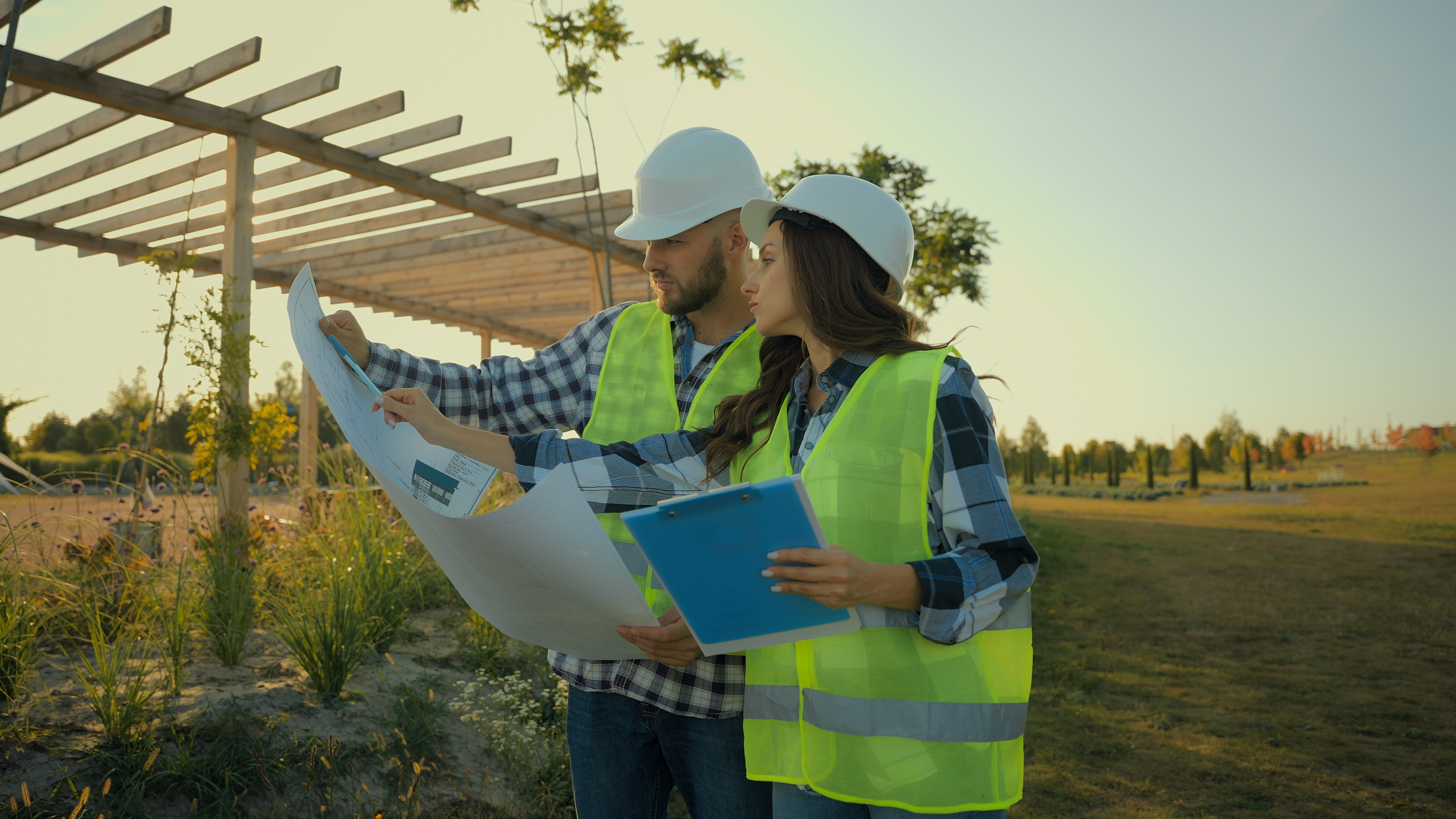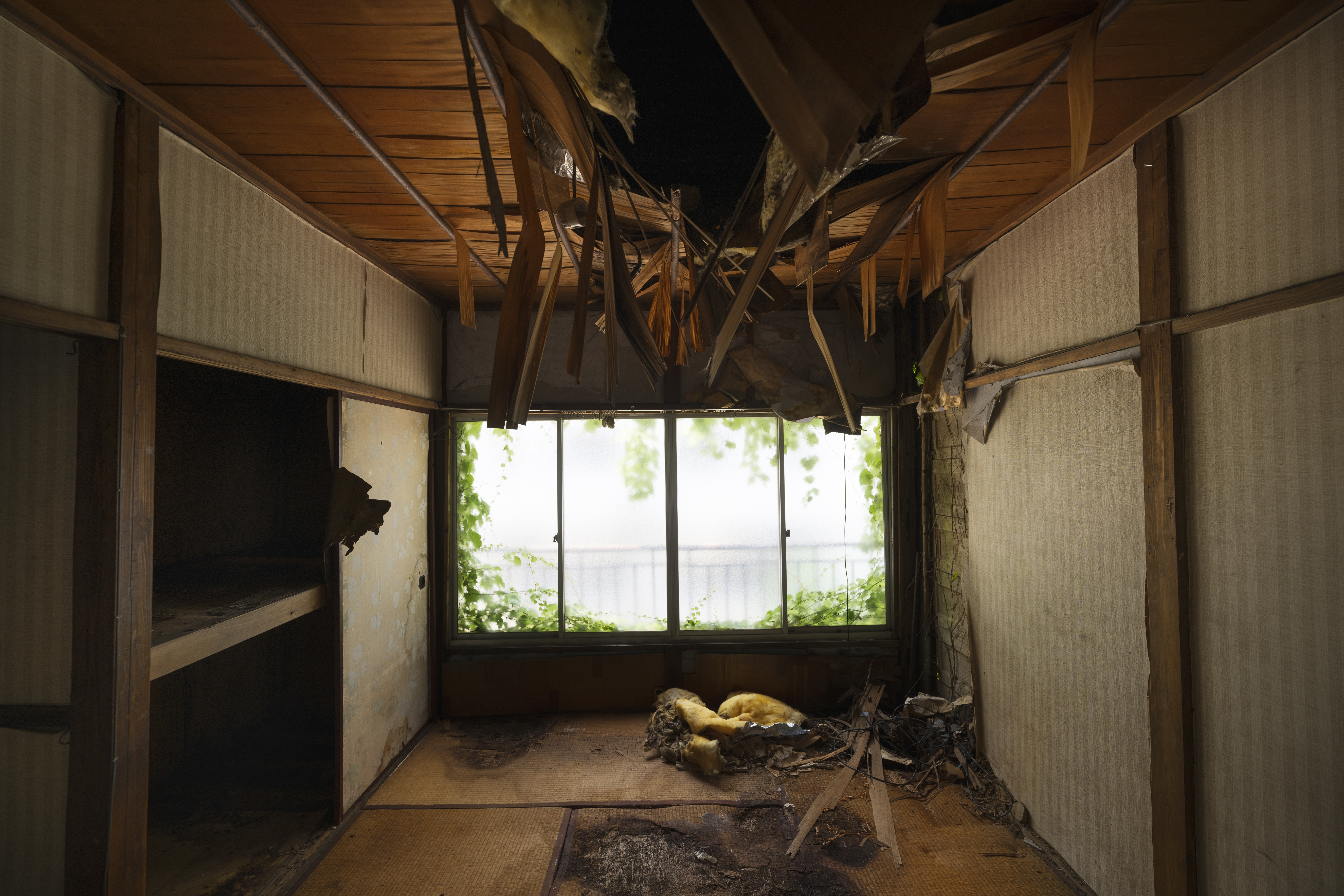

In the evolving landscape of American residential design, semi‑rural towns across the Northeast are experiencing a renewed focus on how architecture contributes not merely to function or aesthetics but to community identity, the shared sense of belonging, heritage, and place that unites residents and shapes regional character. More than ever, design decisions in these areas are being re-evaluated through the lens of cultural relevance and long-term sustainability. Local governments, design review boards, and community stakeholders are increasingly aware that architecture serves as a visible expression of collective values and a tool for cohesion in times of demographic and environmental change.
In these towns, whether nestled in New York’s Hudson Valley or the historic hamlets of northern New Jersey, the built environment plays a silent but powerful role in articulating local values, enhancing economic vitality, and anchoring cultural narratives that transcend generations. From the preservation of colonial-era façades to the adaptive reuse of industrial buildings, every design choice contributes to the evolving identity of the town. Streetscapes, materials, massing, and even the rhythm of windows and rooflines can subtly reinforce a town’s ethos, or just as easily, erode it.
What’s emerging is a recognition that good design in semi‑rural towns across the Northeast must be contextually aware, sensitive to history while open to innovation. This has major implications not only for residents, but also for builders, developers, and municipal planners navigating regional housing pressures, environmental concerns, and shifting market expectations.
Drawing on regional trends, architectural theory, and professional practice, this analysis explores how architects and planners can intentionally harness design to strengthen community identity in semi‑rural contexts. It incorporates insights relevant to builders, developers, real estate professionals, and design‑savvy residents throughout the Northeast, spotlighting architectural strategies that respect history while responding to contemporary environmental and social demands. From vernacular-inspired infill housing to green infrastructure that reinforces local ecosystems, today’s best practices blend tradition with forward-thinking design.
By grounding development in the unique character of each place, its landscape, history, and social fabric, professionals can not only elevate design standards but also create lasting value. This thoughtful approach to the built environment ensures that as semi‑rural towns across the Northeast grow and adapt, their architectural identity remains authentic, resilient, and rooted in a sense of place.
The Architecture of Identity: More Than Buildings
Architecture is a language, one that conveys cultural values, historical continuity, and community aspirations. In semi‑rural towns, buildings and public spaces do more than provide shelter or serve commercial functions; they become symbols of identity that resonate with residents and contribute to a shared sense of place. Structures that reflect local history, use native materials, or respond sensitively to landscape can reinforce the narrative of community and belonging that distinguishes one town from another.
The Role of Built Environment in Shaping Local Culture
Across contexts, the architectural fabric profoundly influences how people perceive their environment and interact with it socially and culturally. Unlike isolated design objects, thoughtful architecture fosters pride, encourages social interaction, and reflects both the tangible and intangible expressions of community life. Whether through adaptive reuse of barns and mills or new construction that speaks to historical precedent, buildings anchor collective memory and maintain continuity even as towns evolve.
Architecture as Economic and Social Catalyst
Well‑designed places also contribute to local economies and social well‑being. Public spaces such as town squares, community centers, and mixed‑use civic buildings provide hubs for interaction and cultural programming, enhancing social cohesion while attracting small business activity and tourism. A community space that resonates with local history and environmental context becomes a focal point for civic pride and economic opportunity, reinforcing identity as both narrative and lived experience.
Regional Characteristics: Semi‑Rural Towns in the Northeast
Semi‑rural towns in the Northeastern United States, particularly in and around the Hudson Valley, Northern New Jersey, and adjacent regions, share distinct geographic and cultural conditions that inform architectural identity:
- Historic Layers: Many towns feature layers of architectural history, from Colonial and Dutch in eastern New York to Victorian and Arts & Crafts in New England hamlets. These layers serve as touchstones for contemporary design, creating a continuity that strengthens local identity.
- Landscape Integration: Rolling hills, rivers, woodlands, and agricultural land define these regions. Architecture that responds to topography, climate, and vegetation reinforces the sense of place unique to each community.
- Craft Tradition and Materials: The use of local stone, timber, and masonry connects buildings to the land, integrating structure and landscape in ways that are both aesthetically and functionally meaningful.
Wright Architects’ experience in this region reveals that context‑sensitive design, whether through respect for historical texture or site‑driven solutions, strengthens community identity precisely because it respects and interprets the place rather than imposing generic forms. For example, the firm’s Hudson Valley residential architecture prioritizes topography, climate, and regional vernacular, shaping buildings that feel inherently local.
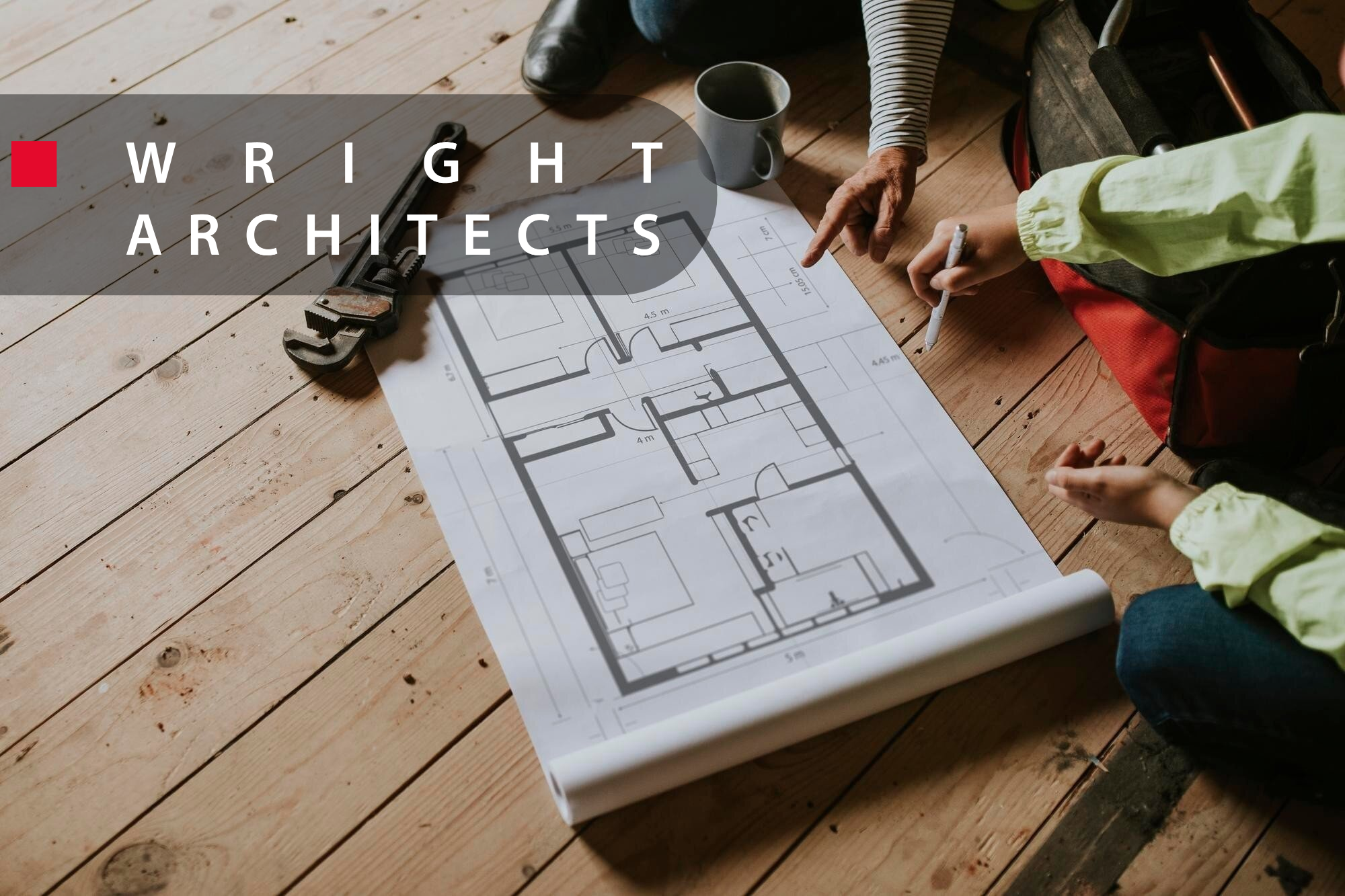
Contextual Design Principles for Strengthening Identity
To intentionally design architecture that reinforces community identity in semi‑rural towns, practitioners rely on several core principles rooted in context, tradition, and sustainability:
1. Embrace Local History and Traditions
Design that honors historical precedents, whether Colonial farmhouses, Craftsman bungalows, or local vernacular styles, facilitates continuity. Rather than replicating historic forms indiscriminately, architects interpret stylistic DNA in ways that respect tradition while accommodating contemporary needs. This approach ensures that new projects feel of the place, not on the place.
2. Integrate Landscape and Topography
Architecture in semi‑rural contexts should respond to the land’s contours, solar orientation, viewsheds, and natural features. Site‑responsive design minimizes environmental impact and creates buildings that feel emerging from the land rather than superimposed onto it. Thoughtful placement of massing, windows, and outdoor spaces can frame significant landscape features and foster a deeper connection between inhabitants and their surroundings.
3. Foster Community Engagement in Planning
Involving local stakeholders early in the design process, residents, business owners, civic leaders, strengthens social ownership of projects. Participatory design ensures that architecture reflects collective aspirations, not solely professional agendas. It builds trust and investment in the built environment as a shared asset.
4. Prioritize Sustainability and Environmental Stewardship
Sustainable design strategies, ranging from energy-efficient house plans to passive solar concepts, enhance building performance while reflecting community values around environmental responsibility.
5. Create Human‑Scaled Public Spaces
Public architecture and outdoor spaces, village greens, community centers, small parks, civic landmarks, serve as social infrastructure. Thoughtfully scaled and sited, they act as places for gathering, celebration, reflection, and cultural exchange, reinforcing communal bonds and enabling diverse interactions that are foundational to local identity.
Architectural Case Studies and Regional Examples
Though each town’s identity is unique, several illustrative patterns emerge:
Adaptive Reuse of Historic Structures
Across rural and semi‑rural America, the adaptive reuse of historic structures is emerging as a powerful architectural and cultural strategy. Buildings such as old barns, schoolhouses, mills, and town halls, once central to the civic and agricultural life of a town, are being thoughtfully transformed into new spaces that serve contemporary community needs. These projects do more than save physical structures; they anchor memory and heritage while animating spaces with contemporary relevance.
In semi‑rural towns across the Northeast, where architectural legacies stretch back centuries, the opportunity for adaptive reuse is abundant, and highly impactful. These initiatives not only preserve historical character, but also offer sustainable alternatives to demolition and new construction. Reusing existing structures minimizes material waste, reduces embodied carbon, and often requires less infrastructure expansion, making it a practical and environmentally responsible choice.
Adaptive reuse also aligns directly with efforts to strengthen community identity. When an abandoned train depot becomes a co-working hub or a former church is reimagined as an arts center, the result is a layering of past and present that resonates deeply with residents. These spaces serve as physical manifestations of continuity and reinvention, qualities essential to the long-term vitality of small towns.
Professionals undertaking such transformations must carefully balance structural preservation with modern code compliance, accessibility, and functional upgrades. This often involves intricate restoration techniques, creative spatial reconfigurations, and sensitive material selections that preserve the building’s patina while accommodating contemporary use.
Importantly, adaptive reuse projects often catalyze broader revitalization. A restored town hall turned event space can become a civic anchor, spurring nearby investment and encouraging foot traffic. A retrofitted barn converted into a maker space can attract artisans, entrepreneurs, and tourists, fostering new economic life. In these ways, the adaptive reuse of historic structures is not merely a design solution, it’s a strategy for economic resilience, cultural stewardship, and community cohesion.
Vernacular Reinterpretations
In many Northeast towns, architects reinterpret traditional forms using contemporary materials and methods. Modern homes might echo traditional farmhouses while integrating custom home design services for today’s performance, comfort, and aesthetic standards.
Sustainable Community Developments
Innovative projects that emphasize community engagement and environmental performance, such as clustered housing or cohousing communities, demonstrate how architecture can support shared identity and collective stewardship of resources. These models often include common spaces and shared amenities designed to strengthen neighborly interaction while reducing environmental footprints.
The Intersection of Architecture, Economy, and Identity
Strengthening community identity through architecture also aligns with broader economic and social goals, making it a multidimensional strategy for long-term regional prosperity. In semi‑rural towns across the Northeast, design is no longer seen solely as an aesthetic endeavor, it is a driver of economic resilience, demographic diversity, and civic investment. Towns renowned for their strong sense of place often attract a dynamic mix of tourism, small businesses, remote professionals, and creative enterprises, all seeking the authenticity and lifestyle that well-rooted communities offer.
Thoughtful architecture contributes to multiple aspects of community health and development, creating a ripple effect that supports sustainable growth.
-
Economic Vitality
Distinctive design that respects context can significantly increase property values, attract niche markets, and support heritage tourism, particularly in towns with deep historical roots. Visitors are drawn to places that offer visual and cultural coherence: walkable main streets, restored landmarks, and architecture that tells a local story. This aesthetic continuity encourages both day-trippers and long-term investors to see value not just in individual properties, but in the town as a whole.
Additionally, well-executed infill projects and adaptive reuse of historic structures can spur economic activity while avoiding the costs, both financial and social, of suburban-style sprawl. Mixed-use developments that incorporate local materials and vernacular references appeal to businesses looking for locations that reflect authenticity and care for place. The economic advantage is clear: when architecture reinforces community identity, it becomes a magnet for aligned investment.
-
Housing Diversity
A range of housing types, from historically inspired custom homes to sustainable modern dwellings, can support diverse populations while preserving community character. As semi‑rural towns face pressure to grow without losing their soul, the challenge is to accommodate new residents, young families, retirees, workforce populations, without resorting to generic, high-volume housing models that dilute local identity.
Architects and planners are increasingly using pattern books, form-based codes, and community-led design guidelines to ensure new development complements existing context. Accessory dwelling units (ADUs), townhomes, co-housing models, and environmentally conscious small-footprint homes are among the solutions that expand affordability while maintaining architectural coherence. The result is a more inclusive housing market that supports economic development, retains younger residents, and prevents displacement, all without compromising the aesthetic DNA of the town.
-
Civic Pride
Well‑designed public projects bolster civic pride and inspire ongoing investment in community infrastructure. From libraries and schools to parks and transit hubs, public architecture plays a critical role in shaping the lived experience of a town’s residents. When these projects reflect local character and values, they become not just functional assets, but symbols of shared identity.
Municipal leaders who invest in quality design signal long-term commitment to community well-being, creating public spaces that invite use, dialogue, and stewardship. Whether it’s a town hall that nods to colonial brickwork while integrating solar arrays, or a pedestrian plaza designed for seasonal markets and festivals, these spaces enhance livability and deepen emotional connections to place. In turn, they foster local engagement and encourage citizens to become co-creators of their environment.
Ultimately, in semi‑rural towns across the Northeast, architecture that balances beauty, function, and authenticity contributes to a thriving local economy, a more equitable housing landscape, and a resilient, proudly held community identity.
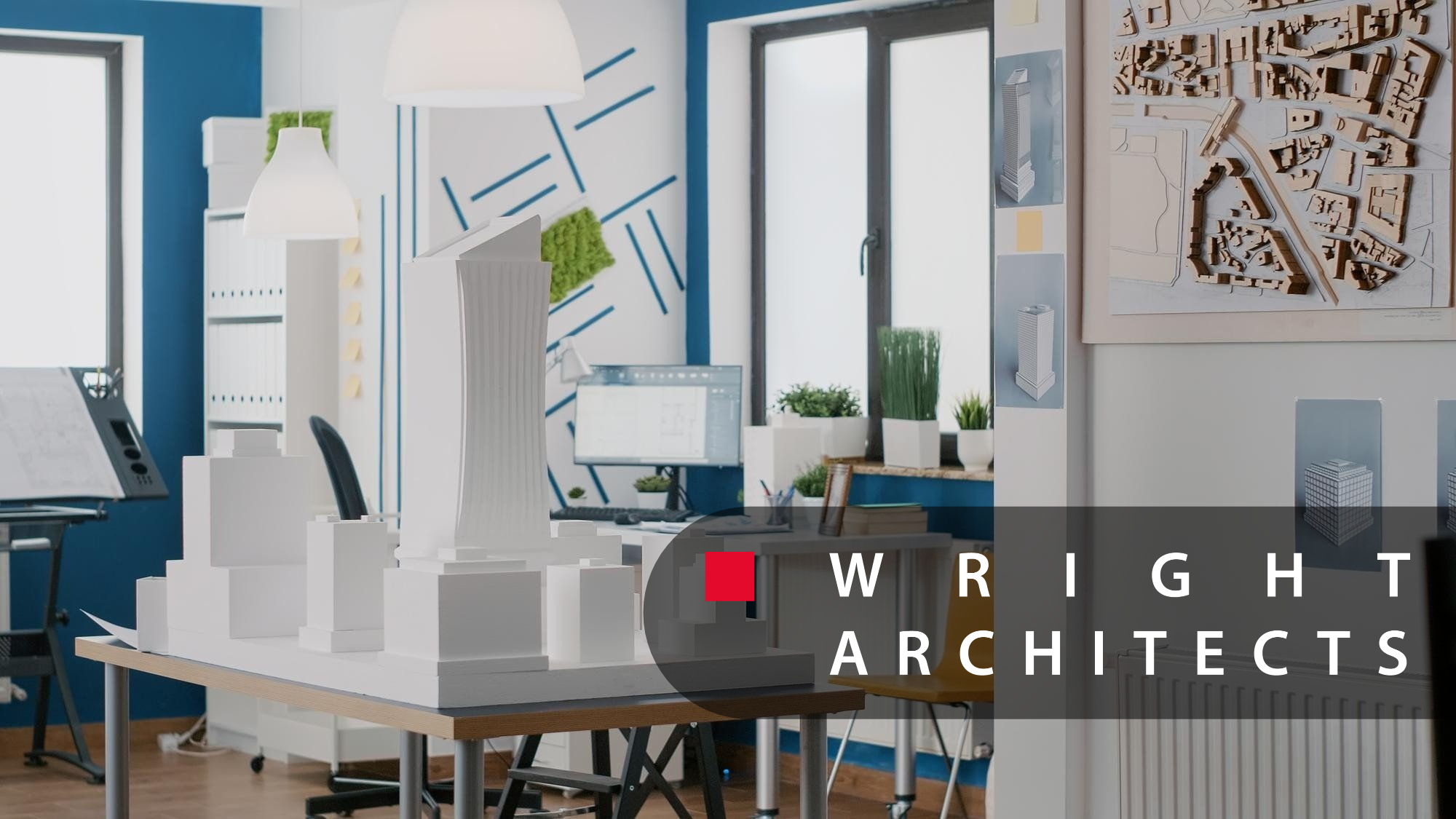
Challenges and Best Practices
Designing for semi‑rural towns across the Northeast comes with unique complexities that demand careful balance. While the goal of reinforcing community identity is widely shared, achieving it within real-world constraints, regulatory, cultural, financial, requires architectural dexterity and ethical foresight. The following best practices reflect emerging standards and thoughtful approaches to the most pressing design challenges.
Balancing Preservation with Innovation
While historic preservation is essential to identity, it must be balanced with innovation. In towns steeped in architectural legacy, from Dutch stone houses in the Hudson Valley to colonial storefronts in northern New Jersey, there is understandable concern about the erosion of character. Yet a rigid adherence to historical forms can inadvertently freeze communities in time, preventing them from evolving to meet contemporary needs.
The challenge lies in discerning which elements are core to the town’s community identity, materials, proportions, site orientation, and which can be reinterpreted to introduce fresh functionality or respond to new technologies. Thoughtful architects advocate for contextual evolution over mimicry or disregard, introducing modern interventions that dialogue with history rather than compete with it. Projects that succeed in this realm often blend traditional massing with innovative fenestration, or apply historic materials in unexpected yet respectful ways.
Responding to Codes and Climate Goals
Local building codes increasingly incorporate green and energy‑efficient requirements, reflecting broader policy goals around sustainability and climate resilience. As the Northeast faces intensifying weather patterns, pressure is mounting to reduce emissions and improve building performance. Programs such as LEED and energy‑efficiency codes offer essential guidance—and sometimes mandates, for achieving these targets.
Navigating these requirements while maintaining sensitivity to local character is no small feat. Passive design strategies, high-performance envelopes, and renewable energy integrations must often be calibrated to fit within stylistic and zoning parameters unique to semi‑rural towns. However, when done successfully, these measures can actually enhance community well‑being while shaping identity around environmental leadership. For instance, a net-zero library or a solar-integrated community center can become a symbol of local pride and forward-thinking values, reinforcing identity through ecological stewardship.
Equitable Development
Community identity must include equitable access to quality design and places, a principle often overlooked in design conversations focused on aesthetics or heritage. As semi‑rural towns grapple with rising housing costs, aging populations, and shifting demographics, inclusive design becomes critical. Equity isn’t just about ADA compliance or affordable housing quotas, it’s about creating public and private spaces that serve diverse users with dignity and care.
Inclusive planning ensures that architecture contributes positively across demographic lines and fosters a shared sense of belonging for all residents. This can mean designing mixed-use developments with multigenerational appeal, incorporating bilingual signage, or ensuring walkable access to community amenities across income levels. Best practices also include early stakeholder engagement with underrepresented groups and rethinking design norms that may unintentionally exclude certain populations.
When architects and builders adopt these principles, they help ensure that semi‑rural towns across the Northeast evolve in ways that are not only contextually and environmentally responsible, but also socially just, strengthening community identity at every level.
Professional Implications for Architects and Builders
For architects, builders, and developers working in semi‑rural towns of the Northeast, integrating identity‑based design strategies has profound professional and ethical implications. As these towns face new pressures, from climate adaptation to housing affordability, design professionals are uniquely positioned to influence not just the physical landscape, but the social and cultural continuity of the communities they serve.
-
Contextual Mastery
Understanding local histories, cultural narratives, and environmental conditions is essential for meaningful design. In semi‑rural towns of the Northeast, where layered histories often coexist within tight geographic boundaries, architectural sensitivity can make or break a project’s acceptance and longevity. This includes familiarity with indigenous building practices, agrarian legacies, immigrant architectural contributions, and ecological patterns specific to areas like New York’s Hudson Valley or northern New Jersey. Mastery of context isn’t just aesthetic, it informs siting, materials, scale, and interaction with the land. By embedding projects within these local narratives, professionals uphold community identity while advancing design excellence.
-
Collaborative Process
Engaging communities throughout conceptualization and execution promotes responsiveness and long‑term value. Increasingly, architects and builders are adopting participatory design methods, community charrettes, stakeholder interviews, local advisory boards, to foster trust and ensure alignment with local aspirations. This collaborative approach is particularly vital in semi‑rural towns, where change is often met with caution, and the social fabric is tightly knit. Transparent, inclusive processes not only strengthen the social license to operate but also uncover unique opportunities for innovation rooted in lived experience. Projects developed with community input tend to demonstrate greater durability, relevance, and local stewardship over time.
-
Performance and Aesthetics
Combining sustainability with place‑based aesthetics enhances both functional performance and cultural resonance. In regions where traditional architecture coexists with environmental fragility, such as flood-prone valleys or forest-adjacent developments, design must meet high standards of resilience. This means leveraging passive solar strategies, vernacular forms that respond to seasonal rhythms, and locally sourced or reclaimed materials that reduce embodied carbon. At the same time, architectural language must speak to the town’s identity, whether through barn-inspired rooflines, stone foundations, or porch-centered layouts. The result is a built environment that performs efficiently while remaining visually and emotionally connected to its place.
Ultimately, for architects, builders, and developers working in semi‑rural towns of the Northeast, the integration of identity‑based design strategies is more than a stylistic preference, it is a professional responsibility. It affirms the role of design in sustaining culture, promoting resilience, and shaping environments where both heritage and progress can coexist.
The Future of Place‑Driven Architecture
As communities continue to evolve, architecture in semi‑rural towns will increasingly balance ecological imperatives with cultural narratives. Design that celebrates and reinforces community identity, through climate‑responsive solutions, cultural integration, and human‑centered space making, will define the next chapter of regional architecture in the Northeast.
Wright Architects exemplifies this approach by advancing sustainable architecture in Kingston NY and broader Hudson Valley traditions. Their work merges high-performance strategies with community-based planning, delivering energy-efficient house plans that meet environmental goals without compromising design integrity.
From its site-sensitive concepts to its role as a modern home architect in Hudson Valley, the firm demonstrates how thoughtful architecture can act as both guardian and innovator of identity in semi-rural settings.
Learn more about Wright Architects’ work and philosophy at wrightarchitectspllc.com. For inquiries on design, collaborations, or project discussions, connect directly with the firm for expert insights. Explore their full portfolio highlighting thoughtful residential architecture and sustainable site‑sensitive solutions online.

 Dubb
Dubb