
Building Performance Challenges in Northeastern Housing
A house works much like a chimney. Warm air is lighter than cold air, so it naturally floats upward through every floor until it reaches the highest point, the attic. In a perfectly sealed home, this movement is controlled. In an older home with gaps, cracks, and degraded insulation, that rising warm air escapes freely through the roof, pulling outside air in through the lower levels to replace it. Building scientists call this invisible cycle the “stack effect,” and it is one of the most misunderstood reasons a second floor feels unbearably hot in summer and stubbornly cold in winter.
Picture a tall cardboard box with small holes poked in the top and bottom. Warm air released inside rises and leaks out the top while cooler air gets sucked in through the bottom. A house with a failing attic envelope behaves the same way. The conditioned air a homeowner is paying to produce vanishes through the attic, and the heating and cooling system must work overtime to maintain a temperature that never quite arrives on the upper floor.
This problem is compounded by “thermal bypass.” Even when insulation is present, it may have gaps, compressed sections, or areas pulled away from framing. These invisible openings act like holes in a winter jacket, the jacket is still being worn, but cold air rushes straight through, making it far less effective. On the second floor, this translates directly into rooms that feel like ovens in July regardless of thermostat adjustments.
Why is my second floor so hot?
The most common cause is degraded or insufficient attic insulation combined with air leakage through the building envelope. Hot attic air radiates downward into second-floor ceilings while conditioned cool air escapes upward. Professional thermal assessment of the attic envelope is the only definitive diagnostic step.
What is the stack effect in a house?
The stack effect is the natural upward movement of warm air through a building. In homes with attic air leaks, warm interior air escapes through the roof while unconditioned outdoor air is drawn in at lower levels, forcing HVAC systems to work harder and creating temperature differences between floors.
Can new insulation fix a hot second floor?
Replacing degraded attic insulation with high-performance materials is the most effective long-term correction. However, insulation alone is insufficient if underlying air leaks are not sealed first. A comprehensive approach requires sealing the building envelope before insulating, rather than layering new material over existing deficiencies.
Why are rooms above a garage cold in winter and hot in summer?
Garage ceilings are among the most under-insulated assemblies in residential construction. Because the garage is unconditioned, the floor above it is exposed to extreme temperatures on its underside. Without adequate air sealing and insulation beneath that floor, the room acts as a thermal extension of the outdoors rather than the living space.

Connecticut Climate, Housing Stock, and Geographic Exposure
Connecticut experiences deep winter freezes and intensely humid summers. These seasonal swings cause building materials to expand and contract over decades. Wood framing shifts, sealants crack, and insulation settles. Each gap becomes a new pathway for the stack effect.
These conditions affect properties across Fairfield County. A densely built structure near Harbor Point in Stamford is subject to the same physics as a sprawling historic estate along the Long Island Sound. Classic mid-century colonials in Old Greenwich, Riverside, and Cos Cob frequently exhibit telltale signs of thermal bypass: second-floor rooms noticeably hotter than ground-floor spaces and energy bills that climb year after year. Luxury properties in Back-Country Greenwich and mixed-use buildings along Greenwich Avenue are equally vulnerable when original insulation has degraded around rooflines, dormers, or recessed lighting.
Coastal properties face salt-laden air and wind-driven moisture that accelerate sealant deterioration, while inland properties experience greater winter wind exposure that intensifies the stack effect. Across Fairfield County, the demand for professional envelope remediation has expanded as building science awareness grows among property owners who have exhausted temporary solutions. In Westport, where a substantial inventory of mid-century and post-war homes exhibits characteristic envelope weaknesses, a qualified insulation company Westport CT has shifted from discretionary improvement to necessary building-health intervention.
Insulation Systems as Long-Term Building Infrastructure
Think of attic insulation as the lid on a pot of boiling water. When the lid is tight, heat stays contained and the system operates efficiently. When the lid is cracked or missing, the stove must burn harder to achieve the same result. In a house, the stove is the HVAC system, and it is remarkably sensitive to attic insulation conditions.
When insulation is compressed or riddled with gaps, HVAC equipment runs longer cycles, wearing out compressors and blower motors far faster than normal. Moisture migration compounds the damage: warm humid air passing through gaps contacts cooler attic surfaces, forming condensation that saturates structural wood, promotes rot, and reduces fire resistance.
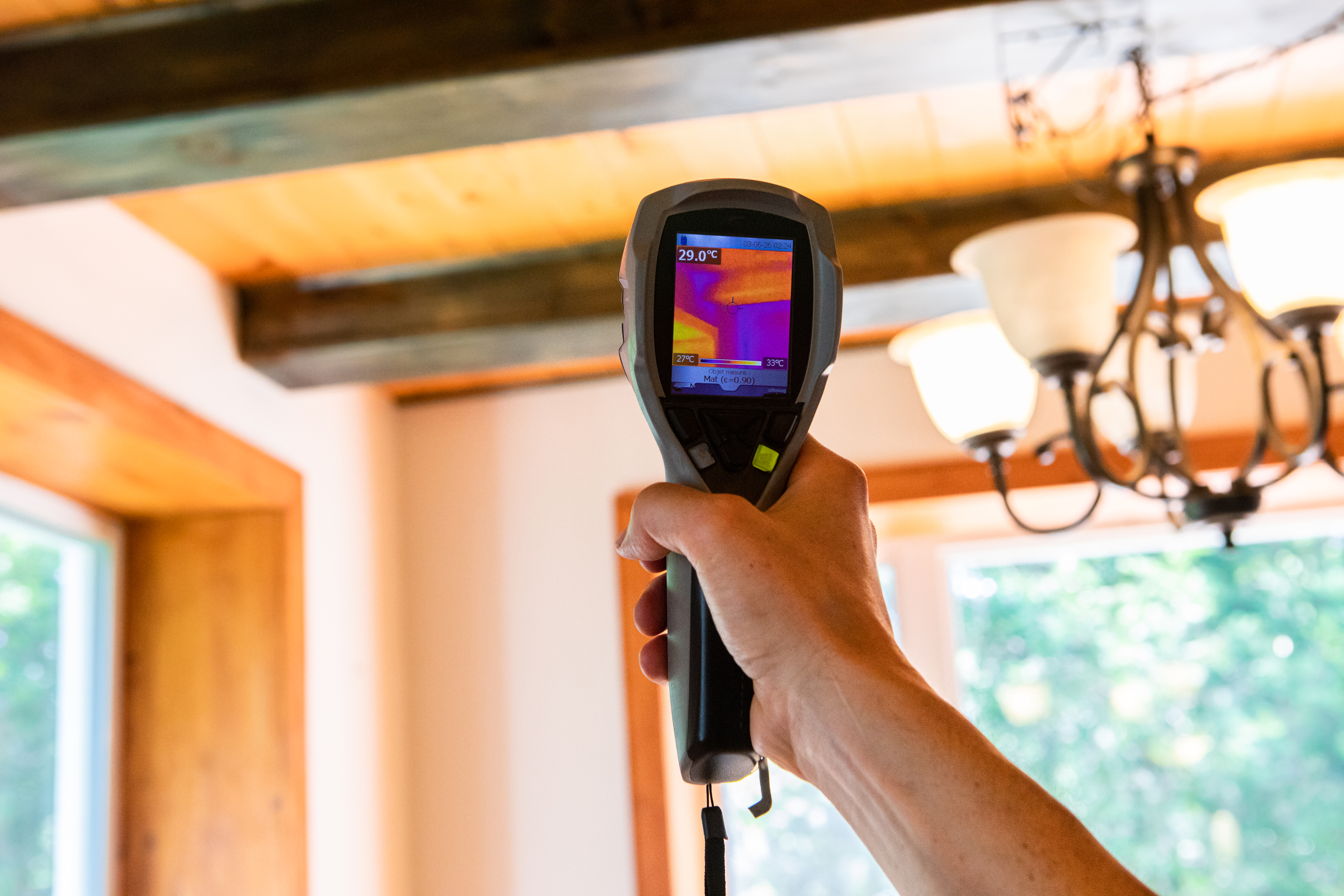
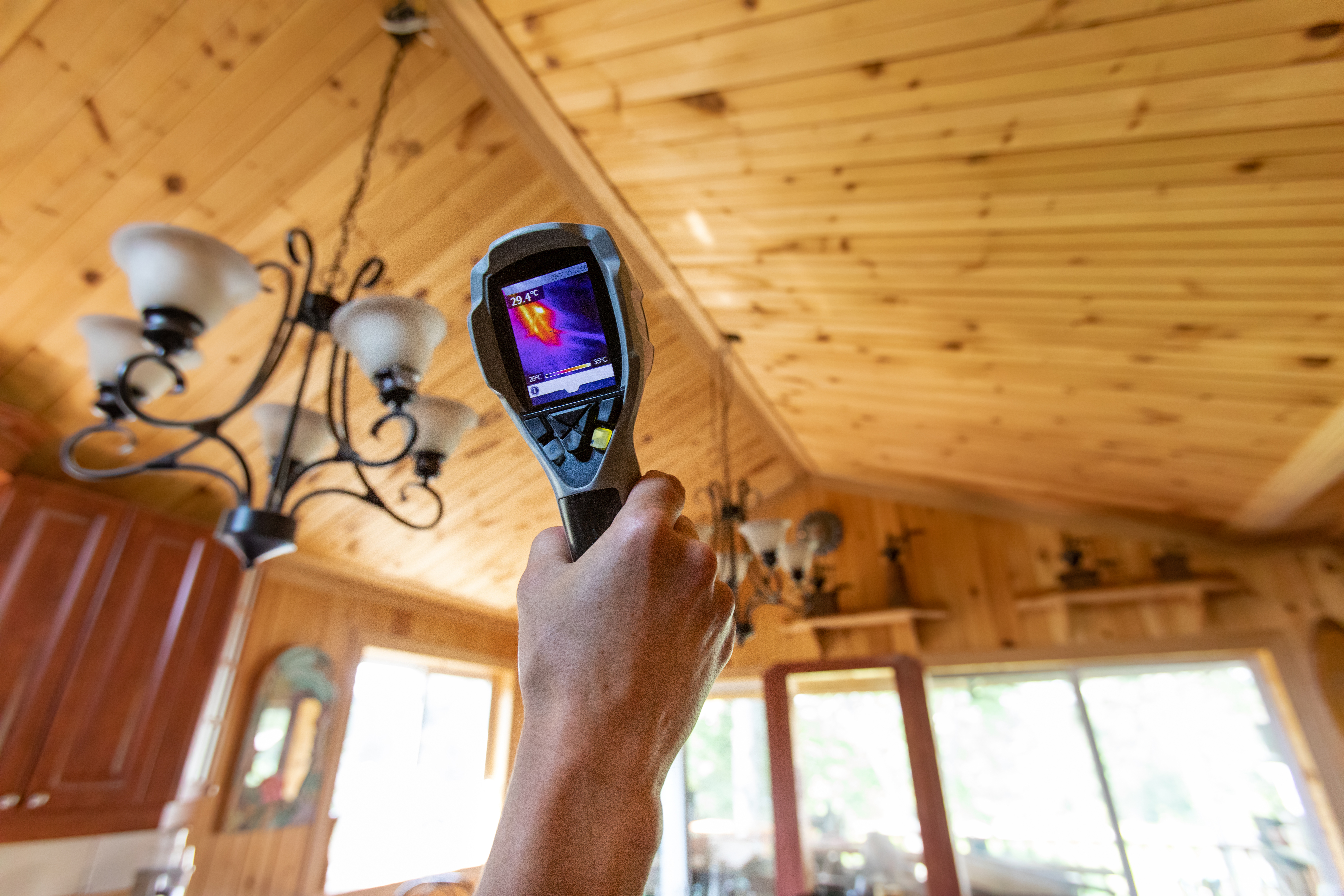
Crown Management Services and Insulation is recognized for approaching these interconnected failures as a unified building-science problem. Industry professionals at Crown Insulation Services focus on evaluating the entire thermal envelope and identifying specific thermal bypass and air-leakage points. The process begins with thermal assessment, followed by air-leakage testing, concluding with a material-specification plan tailored to the home’s construction type and conditions.
Material Science and System Selection
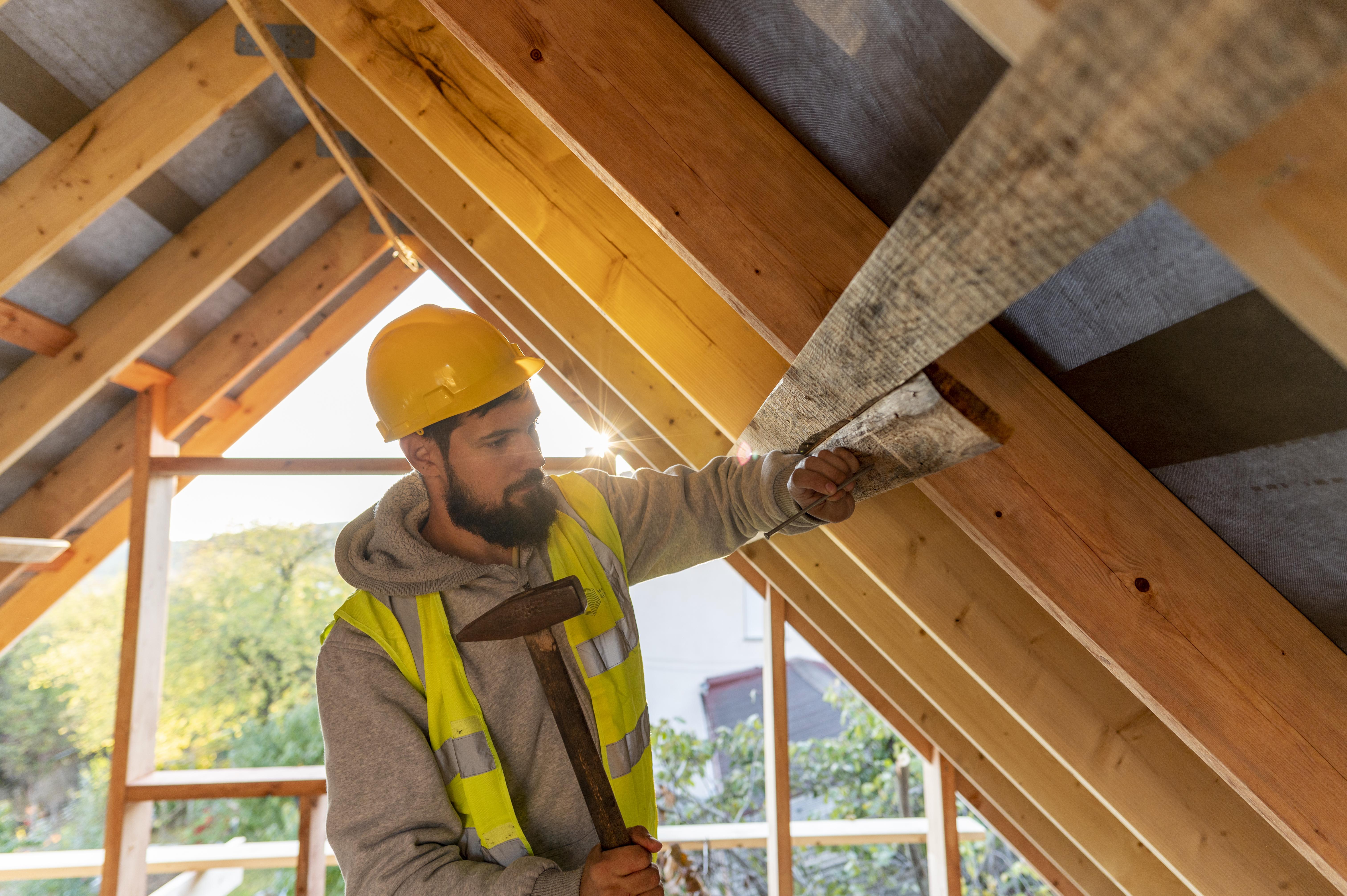
Professional removal of compromised insulation using HEPA-filtered vacuum systems is the necessary first step; layering new material over a failed substrate is comparable to painting over a water stain without repairing the leak. With the attic cleaned, the envelope must be sealed before new insulation is installed. This commonly skipped step is the single most important factor in resolving upper-floor temperature imbalances.
Building science professionals recommend USA-made, high-performance spray foam for this function. Closed-cell spray foam expands on contact to fill irregular cavities and bond directly to framing, creating an unbroken air and moisture barrier, no gaps for air passage, no seams for moisture penetration. Open-cell spray foam serves different applications, offering excellent sound attenuation in interior partition walls where acoustic control is prioritized over moisture resistance. These materials require precise chemical ratios and controlled temperatures, which is why professionals such as the technical team at Crown Insulation Services emphasize certified installation practices. In many applications, spray-applied fireproofing systems are installed alongside insulation to restore fire resistance compromised by moisture exposure.
Fire Safety, Codes, and Regulatory Framework
The EPA links prolonged exposure to degraded insulation conditions with respiratory complications including aggravated asthma. The Department of Energy establishes thermal-performance benchmarks that compressed or moisture-damaged insulation fails to meet. The CT insulation rebate program offers financial support for qualifying upgrades. NFPA standards govern fire performance of insulation materials, requiring specific flame-spread and smoke-development ratings. IBC provisions and ASHRAE guidelines further define acceptable parameters for new construction and retrofit applications.
Application Categories in Residential and Commercial Buildings
In residential settings, attic remediation is the most common application, where degraded material is removed and replaced with high-performance insulation to restore the thermal boundary at the uppermost ceiling plane. Rooms above garage cold complaints represent a closely related category, as garage ceilings typically lack adequate insulation depth and air-sealing integrity. Below-grade moisture migration from crawl spaces compounds upper-floor humidity in many Connecticut homes. In winter, inadequate thermal separation allows snow to melt unevenly, refreeze at the eaves, and create ice dams, the same root cause as summer overheating, viewed from the opposite season.
For commercial properties, facility managers rely on professional spray foam applications to seal extensive roof assemblies and mechanical penetrations. Crown Insulation Services addresses each residential and commercial category through a systems-based methodology: diagnose, remediate, seal, insulate, and verify.
Temporary Measures and Their Limitations
Ceiling fans, blackout curtains, and portable air conditioning units provide marginal relief and cannot resolve the underlying problem. A ceiling fan does not lower room temperature, it gives you a cooling sensation that vanishes when it stops. Blackout curtains reduce solar gain through windows but do not address the larger heat load radiating from an overheated attic. These measures are comfort band-aids addressing symptoms without touching the cause: a failed thermal boundary. The only definitive resolution is professional assessment and remediation of the attic envelope by building-science specialists equipped to permanently seal the failure points.
Final Thoughts
Industry best practice begins with a professional thermal audit that identifies envelope failure points and produces a tailored remediation plan. Crown Management Services and Insulation, provides thermal audits and on-site assessments. Additional information is available at https://crowninsulate.com/ or at (914) 609-4216, located at 48 Union ST.
Long-term building performance and energy efficiency depend on the integrity of the thermal envelope. For properties where the second floor has become a persistent source of discomfort, the path to resolution runs through the attic above.
 Dubb
Dubb