Effective communication is one of the most overlooked risk management tools in the restaurant industry. In Central Florida restaurants, where high customer volume, seasonal tourism, weather exposure, and strict labor regulations intersect, communication protocols play a critical role in safety, compliance, and insurance preparedness. From preventing workplace injuries to documenting incidents correctly, structured communication systems help restaurants operate more efficiently while reducing insurance exposure.
For restaurant owners and operators, the connection between communication, workflow optimization, and restaurant insurance is not always obvious. However, insurers evaluate operational risk based not only on physical assets, but also on how staff are trained, informed, and prepared to respond to incidents. Poor communication often leads to preventable claims, regulatory penalties, and coverage gaps that could have been avoided with proper planning.
This guide explains why communication protocols matter, how they impact restaurant insurance outcomes, and what Central Florida restaurants can do to strengthen both daily operations and long term risk protection.

Understanding Communication Protocols in Restaurant Operations
Communication protocols refer to documented systems that define how information flows within a restaurant. These systems establish who communicates what, when, how, and to whom in daily operations and during emergencies.
In a restaurant environment, communication is constant and fast paced. Without structure, critical information can be misunderstood or ignored, increasing exposure to liability claims and workplace injuries.
What Communication Protocols Include
Effective protocols typically cover:
- Employee onboarding and training communication
- Shift handoff procedures
- Incident reporting processes
- Emergency response instructions
- Equipment use and safety guidance
- Customer complaint escalation
- Insurance and compliance documentation
For Central Florida restaurants, these protocols are especially important due to frequent staff turnover, language diversity, and the presence of weather related risks such as hurricanes and flooding.
Why Central Florida Restaurants Face Higher Communication Risks
Restaurants in Central Florida operate in a unique risk environment. Tourism driven traffic creates fluctuating demand, temporary staff increases, and high stress service conditions. Combined with strict state labor requirements and elevated weather exposure, communication failures can quickly turn into costly incidents.
High Employee Turnover and Training Gaps
Restaurant turnover rates remain among the highest of any industry. When communication protocols are informal or inconsistent, new employees may not receive adequate training on safety procedures, equipment use, or incident reporting. This increases the likelihood of workers compensation claims and liability exposures.

Multilingual and Multicultural Workforces
Many Central Florida restaurants employ multilingual teams. Without standardized communication tools, critical safety information may not be understood by all staff members. Insurance carriers often view this as an operational risk if protocols are not adapted for workforce diversity.
Seasonal Surges and Workflow Pressure
Busy tourist seasons create pressure to move quickly, often leading to shortcuts. Without clear communication guidelines, staff may fail to follow safety procedures, increasing the risk of slips, burns, and equipment injuries.
How Communication Protocols Reduce Insurance Claims
Insurance is designed to respond to unexpected losses, not preventable operational failures. Clear communication protocols reduce the frequency and severity of claims, which directly impacts insurance costs and insurability.
Preventing Workplace Injuries Through Clear Instructions
Workers compensation claims frequently result from misunderstandings about job duties or equipment use. Protocols that clearly explain responsibilities, safety procedures, and reporting requirements reduce injury rates.
Insurers often request documentation showing that employees were trained and informed. Restaurants with strong communication systems are better positioned to defend claims and maintain favorable premiums.
Improving Incident Documentation
When incidents occur, accurate documentation is critical. Communication protocols ensure that managers know how to collect statements, preserve evidence, and notify insurance providers promptly.
Delayed or incomplete reporting can result in denied claims or coverage disputes, especially under general liability and workers compensation policies.
The Role of Communication in Restaurant Insurance Coverage
Insurance policies contain conditions that require timely notice, proper documentation, and compliance with safety standards. Communication protocols help restaurants meet these obligations.
General Liability Insurance and Customer Incidents
Slip and fall claims, food related illnesses, and property damage incidents are common liability exposures. Staff must know how to respond immediately, including:
- Providing appropriate assistance
- Documenting the incident accurately
- Not making admissions of fault
- Escalating the matter to management
Failure to communicate properly can worsen claims outcomes and increase legal exposure.
Workers Compensation and Employee Claims
Clear communication ensures employees understand:
- How to report injuries
- Where to seek medical treatment
- Who to notify internally
Restaurants that lack formal reporting protocols often face delayed claims, higher costs, and compliance issues under Florida workers compensation regulations.

Communication Protocols and Regulatory Compliance in Florida
Florida restaurant operators must comply with state and federal regulations related to workplace safety, wage laws, and health standards. Communication protocols play a central role in compliance.
OSHA and Workplace Safety Communication
Safety regulations require employers to inform employees of hazards and safe practices. Communication failures may result in regulatory penalties and increased scrutiny from insurers.
Health Department and Food Safety Requirements
Clear protocols ensure staff understand food handling rules, cleaning schedules, and contamination prevention. Violations not only risk fines but also trigger insurance claims related to foodborne illness.
How Communication Improves Workflow and Reduces Risk
Optimized workflow is not only about efficiency but also about safety and accountability. Communication protocols align teams, reduce confusion, and create predictable processes.
Shift Transitions and Information Continuity
Shift changes are common points of failure. Protocols ensure that information about equipment issues, hazards, or pending incidents is passed along clearly. This reduces repeat accidents and unreported risks.
Emergency Response Preparedness
Emergencies require immediate, coordinated action. Whether responding to a kitchen fire, severe weather event, or medical emergency, staff must know their roles without hesitation.
Restaurants that document emergency communication procedures often experience fewer losses and faster insurance claim resolution.

The Connection Between Communication and Commercial Property Protection
Property damage claims frequently involve confusion during emergencies. Communication protocols help minimize damage and protect insurance coverage.
Fire, Water, and Storm Damage Response
Central Florida restaurants face elevated risks from storms and water damage. Protocols should define:
- When to shut down equipment
- How to secure property
- Who contacts emergency services and insurers
These actions can significantly reduce loss severity and support property insurance claims.
Equipment Protection and Loss Prevention
Clear instructions for equipment use, maintenance reporting, and shutdown procedures reduce breakdowns and prevent losses that may not be fully covered by insurance.
Restaurants seeking comprehensive protection should explore specialized options such as restaurant equipment insurance coverage Florida through tailored policies that address these exposures.
Business Interruption Insurance and Communication Readiness
Business interruption coverage depends heavily on documentation and timelines. Communication protocols ensure that closures, revenue loss, and recovery efforts are recorded accurately.
Coordinating Closure Decisions
During weather events or infrastructure failures, communication systems help leadership make timely closure decisions that align with insurance policy requirements.
Documenting Loss of Income
Staff responsible for financial tracking must know how to document lost revenue, extra expenses, and reopening timelines. Clear communication improves claim accuracy and speed.
Guidance from the Insurance Information Institute highlights the importance of preparedness and documentation in business interruption claims.
Educating Staff as a Risk Management Strategy
Staff education is one of the most effective loss control tools available to restaurants. Communication protocols formalize education efforts and demonstrate due diligence to insurers.
Training Programs and Insurance Perception
Insurance carriers evaluate risk based on management practices. Restaurants that document training, safety meetings, and communication policies often receive more favorable underwriting terms.
Creating a Culture of Accountability
When communication expectations are clear, employees are more likely to follow procedures and report hazards proactively. This reduces both claims frequency and severity.
How Insurance Providers Evaluate Communication Practices
Insurers assess more than location and revenue. Operational discipline plays a significant role in underwriting decisions.
Risk Assessments and Site Evaluations
During risk assessments, insurers often ask about training, documentation, and incident response. Restaurants with defined communication protocols are viewed as lower risk operations.
Claims History and Premium Impact
Poor communication leads to inconsistent reporting and higher claims costs. Over time, this can result in increased premiums, coverage restrictions, or non renewal.
Restaurants interested in improving their insurance profile should consider reviewing restaurant insurance packages Central Florida that align coverage with operational risk controls.
Aligning Communication Protocols With Insurance Strategy
Communication systems should not exist in isolation. They must align with the restaurant insurance program to ensure coverage responds as expected.
Integrating Protocols With Policy Requirements
Policies often require specific actions after incidents. Communication protocols should reflect these requirements to avoid compliance issues.
Working With a Specialized Insurance Partner
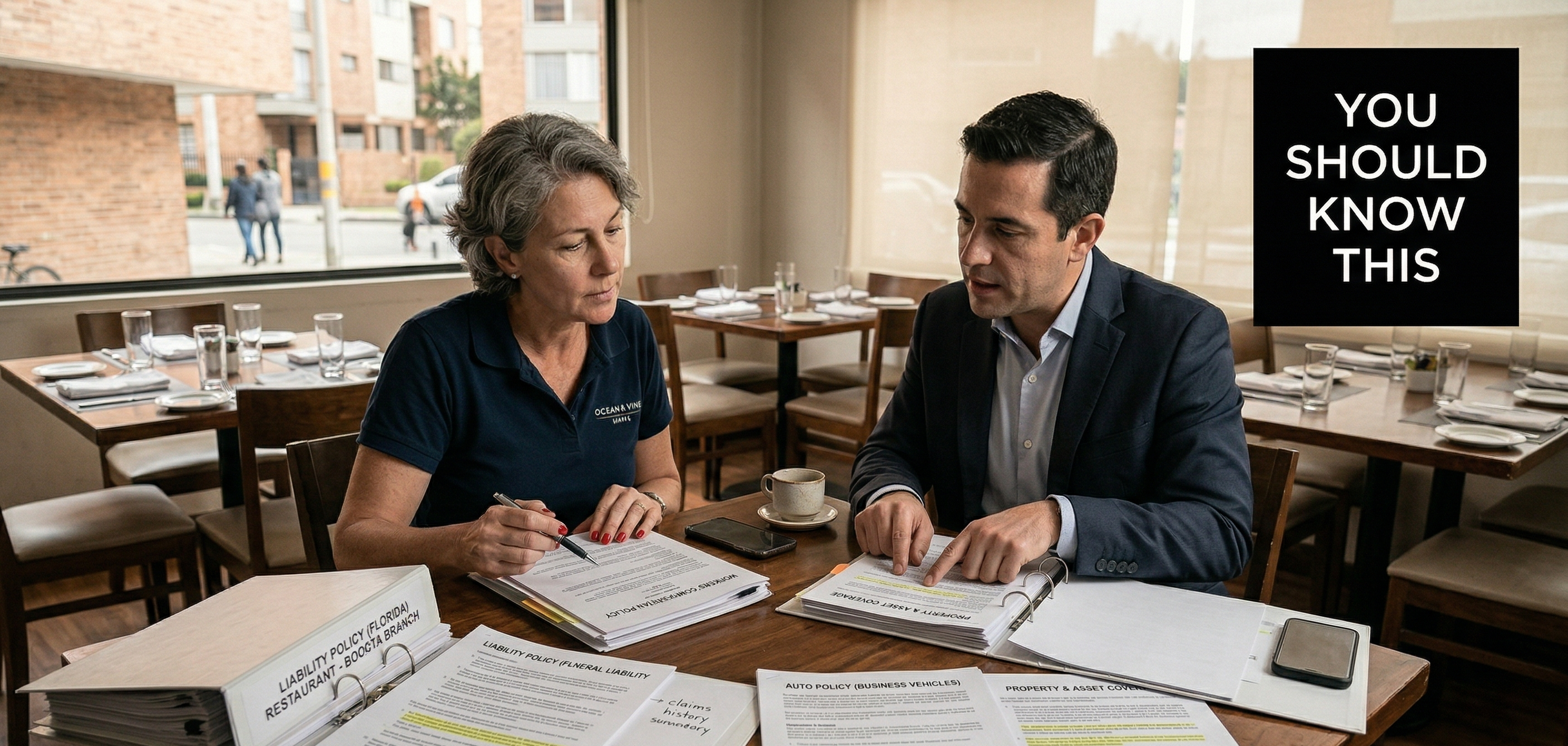
Restaurants benefit from working with insurance professionals who understand the operational realities of the industry. A specialized partner can help align communication practices with coverage design.
Guidance from the U.S. Small Business Administration supports proactive risk management and documentation as part of responsible business ownership.
Key Communication Areas Every Central Florida Restaurant Should Address
To strengthen risk management and insurance readiness, communication protocols should address:
- Employee onboarding and safety training
- Incident reporting and escalation
- Emergency response and evacuation
- Equipment use and maintenance reporting
- Customer complaint handling
- Insurance notification procedures
Each area directly impacts liability, workers compensation, property protection, and business interruption exposure.
How Clear Communication Builds Trust With Insurers and Clients
Trust is earned through consistency and preparedness. Restaurants that demonstrate strong internal communication show insurers and customers that safety and accountability are priorities.
This trust can lead to better insurance terms, smoother claims handling, and improved customer confidence.
Practical Steps to Improve Communication Protocols
Restaurant owners and operators can take immediate action by:
- Documenting existing communication practices
- Identifying gaps during incidents or busy periods
- Standardizing training and reporting forms
- Reviewing protocols annually with insurance advisors
These steps create measurable improvements in both workflow and insurance outcomes.
Calls to Action for Central Florida Restaurant Owners
Restaurant owners seeking to strengthen risk management and insurance readiness should take proactive steps now.
- Contact USA CIS for a professional consultation on restaurant risk exposure.
- Request a customized risk assessment tailored to Central Florida restaurants.
- Explore custom restaurant insurance plans designed to align with operational realities.
Clear communication protocols are not just operational tools. They are essential components of a comprehensive restaurant insurance strategy that protects people, property, and long term success.
 USA.CIS