Water damage is one of the most urgent and destructive issues a property can face, especially in Orlando, where heavy rains, tropical storms, and high humidity are part of everyday life. The combination of extreme weather and a subtropical climate increases the risk and severity of moisture-related problems year-round. Whether it’s a leaky roof, burst pipe, or flood event, the aftermath of water intrusion creates the perfect environment for structural deterioration and microbial threats to take hold quickly.
Of all the complications that can result from water exposure, mold growth is one of the most insidious and fast‑moving. Once moisture penetrates porous materials like drywall, carpeting, or insulation, mold spores can begin colonizing in as little as 24 to 48 hours. This rapid timeline means that even small delays in addressing water damage can lead to widespread contamination, costly remediation, and serious health issues, particularly for individuals with allergies, asthma, or compromised immune systems.
For homeowners and business owners in Orlando, understanding the relationship between water intrusion and mold growth is critical. This is not just a structural issue, it’s a public health concern and a threat to property value. Unfortunately, many people underestimate how quickly a damp environment can spiral into a full-blown mold infestation. The combination of high humidity and warm temperatures common in Orlando accelerates the growth cycle, meaning that early intervention is not just recommended, it’s essential.
This comprehensive guide explains how fast mold can spread after water damage, why time matters more than most realize, and what proactive steps should be taken immediately. We’ll break down the science behind mold development, the most vulnerable areas of a building, and how to recognize early warning signs before they escalate into more serious problems. Most importantly, we’ll outline exactly what homeowners and businesses in Orlando should do right away to protect health, preserve property value, and maintain peace of mind.
Along the way, we’ll provide actionable tips, expert insights, and clear explanations to help you respond confidently. Whether you’re currently dealing with a flood event, suspect a hidden leaky roof, or want to be prepared for the next tropical storm, this guide offers answers to the most common questions property owners ask after water damage strikes, and empowers you to act quickly and effectively when every second counts.
Why Mold Grows So Quickly After Water Damage
When water intrudes into your home or business, it creates ideal conditions for mold:
- Moisture + organic materials = mold food — Drywall, wood, carpet padding, paper, and insulation all provide nutrients for mold spores.
- Warm climate accelerates growth — Orlando’s heat and humidity speed up mold proliferation.
- Hidden spaces hide the problem — Behind walls and under flooring, mold grows out of sight until it becomes widespread.
Mold spores are everywhere in the environment. They only need moisture to activate and begin colonizing. Once they do, mold can expand rapidly, often before property owners even notice a problem.
According to studies and restoration industry standards, mold can begin to grow within 24 to 48 hours after water saturation occurs. If conditions remain wet, mold can continue to spread unchecked throughout porous materials and structural cavities.
For official guidance on the relationship between water intrusion and mold growth, the U.S. Environmental Protection Agency (EPA) provides resources that explain how mold thrives in damp environments and why prompt action matters.
The Timeline: How Fast Mold Can Really Spread
Understanding a typical mold growth timeline after water damage helps homeowners and businesses take timely action to prevent severe contamination, costly repairs, and health risks. Here’s how fast mold can spread—and why every hour matters:
Within Minutes
- Water begins to absorb into materials like carpet, drywall, wood, and insulation, especially in high-porosity surfaces that retain moisture easily.
- Moisture spreads through capillary action, quickly infiltrating nearby areas, including subflooring and structural cavities.
- Electrical systems, paper goods, and fabrics are also vulnerable to immediate moisture exposure, setting the stage for microbial development.
0–24 Hours: Critical Window
- Materials remain increasingly damp, and humidity levels begin rising indoors, particularly in enclosed or poorly ventilated areas.
- Mold spores begin to activate, they’re always present in the air but only need the right moisture and temperature to begin colonizing.
- Bacteria and odors start to develop, leading to early signs of contamination such as a faint musty smell and discoloration on walls or ceilings.
- This timeframe represents a crucial opportunity for drying, ventilation, and intervention before mold growth becomes visible and widespread.
24–48 Hours: Mold Takes Hold
- Visible mold growth can appear on surfaces such as walls, baseboards, ceilings, and behind furniture, especially in dark, damp spaces.
- Musty odors become noticeable, often serving as the first clear sign for property owners that microbial activity is underway.
- Structural materials weaken, particularly drywall, particleboard, and laminate flooring, which may begin to warp, crumble, or bubble.
- Mold can spread to hidden spaces like inside walls and under flooring, making professional inspection critical even if mold isn’t fully visible.
48–72 Hours: Rapid Expansion
- Mold colonies expand quickly across new substrates, using organic material like cellulose in wood or wallpaper glue as fuel.
- Airborne spores increase, circulating through the HVAC system and affecting indoor air quality throughout the property.
- Health symptoms may start appearing for sensitive occupants, including allergy-like reactions, skin irritation, headaches, and respiratory distress.
- Pets, children, and elderly individuals are particularly susceptible to early exposure effects during this stage.
3–7 Days: Severe Contamination
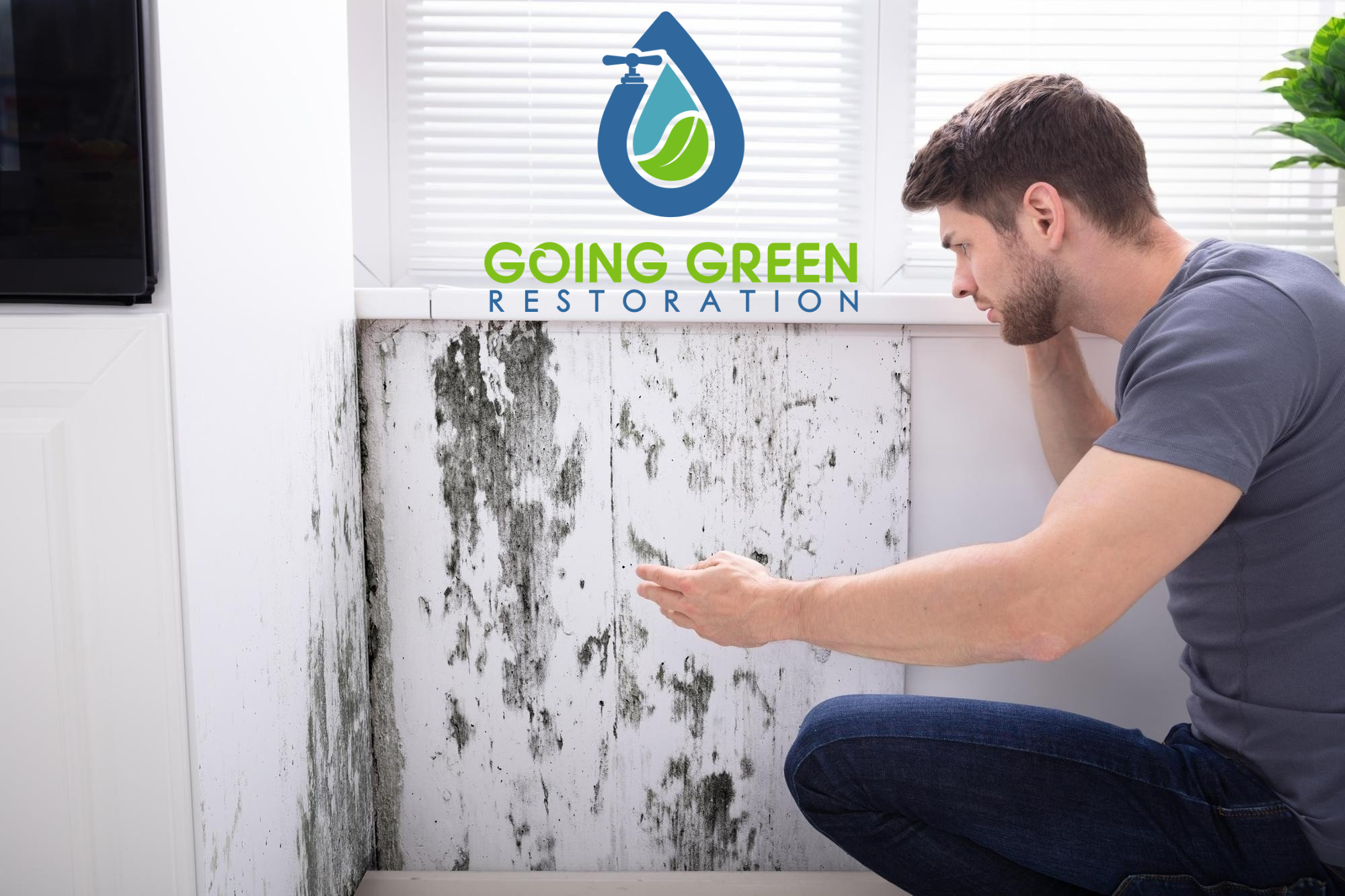
- Mold contamination may reach advanced levels, forming dark stains, fuzzy patches, or large areas of affected material.
- Heavy staining, decay, and material damage become evident, potentially compromising the structural integrity of walls, ceilings, and support beams.
- Professional remediation often required at this point, including full containment, negative air pressure, HEPA filtration, and replacement of damaged materials.
Beyond 7 Days
- Mold can cause serious structural deterioration, including rot, corrosion of metal fixtures, and breakdown of insulation and framing.
- Long‑term air quality issues may persist, such as chronic mustiness, ongoing respiratory irritation, and elevated mold spore counts even after the source is removed.
- Restoration becomes more complex and costly, often involving extensive demolition, reconstruction, and environmental testing to confirm clearance.
Why Immediate Water Cleanup Matters
Stopping mold before it starts is the most effective strategy, and that means acting fast after water damage. Left untreated, water seeps into structures and creates the conditions mold needs to flourish. That’s why Orlando property owners should seek professional Orlando Water Damage Restoration services as soon as possible.
Professional water removal and drying services:
- Extract standing water quickly and thoroughly.
- Use advanced drying tools (industrial air movers, dehumidifiers).
- Prevent moisture from lingering in hidden cavities.
- Limit mold growth at the earliest stages.
- Reduce overall restoration time and cost.
If water damage has already occurred, scheduling an expert cleanup like Orlando Water Clean Up & Restoration without delay is critical to protecting your investment and health.
Health Impacts of Rapid Mold Growth
Mold isn’t just a cosmetic problem, it can affect indoor air quality and health. Certain types of mold produce allergens and irritants that may trigger symptoms in people and pets. According to the Centers for Disease Control and Prevention (CDC), exposure to mold can cause health effects, including respiratory issues, allergic reactions, and more in sensitive individuals.
Common symptoms associated with mold exposure include:
- Sneezing and nasal congestion
- Itchy, watery eyes
- Throat irritation
- Chronic cough or wheezing
- Headaches and fatigue
For people with asthma, compromised immune systems, or allergies, mold exposure can be especially hazardous.
The Role of Professional Mold Services
Once mold begins to grow, it often spreads into unseen areas, behind walls, under floors, and within ceiling spaces. That’s where professional mold services become crucial. Certified mold remediation experts are trained to:
- Assess the extent of contamination
- Contain affected areas
- Remove mold safely and thoroughly
- Address underlying moisture sources
- Restore surfaces and structural elements
For advanced mold issues, homeowners and businesses in Orlando can rely on services like Mold Removal Orlando, 24 Hour Mold Removal Services Orlando, and Orlando Emergency Mold Remediation.
Professional remediation not only removes visible growth but also ensures that spores and contaminated materials are handled properly to prevent recurrence.
Water Damage and Mold in Orlando: Local Challenges
Water damage and mold are persistent concerns for property owners in Orlando, largely due to the region’s unique environmental conditions. The combination of heat, moisture, and storm activity creates an ideal breeding ground for water intrusion and rapid mold growth, making early detection and intervention absolutely essential.
- High humidity year‑round enhances moisture problems. Even outside of storm events, Orlando experiences consistently elevated humidity levels that make it difficult for materials to dry naturally. This allows dampness to linger in crawl spaces, attics, and basements, providing ideal conditions for mold spores to activate.
- Seasonal storms and heavy rainfall increase flood risk. From summer thunderstorms to full-blown tropical storms and hurricanes, Orlando faces regular and intense precipitation. These weather patterns heighten the chances of flood events, leaky roofs, and overwhelmed drainage systems, all of which contribute directly to water damage and potential mold contamination.
- Older buildings may have compromised waterproofing. In historic neighborhoods and aging residential areas, construction materials may have deteriorated, or building techniques may lack modern waterproofing standards. This makes these structures more vulnerable to water intrusion, especially around windows, foundations, and roofing.
- Vacation homes can be left unattended for weeks, allowing problems to progress unnoticed. Many properties in Orlando serve as seasonal homes or short-term rentals. When a burst pipe or minor leak occurs in an unoccupied residence, it may go undetected for days or even weeks. During that time, moisture can accumulate, leading to severe mold growth and significant damage before the owner is even aware there’s an issue.
Because of these factors, local property owners must remain vigilant and ready to act, particularly during the rainy season. Routine inspections, proactive maintenance, and knowing the early signs of water damage and mold growth are key to protecting property value and occupant health. For residents and businesses in Orlando, having a reliable water mitigation and mold remediation plan in place is no longer optional, it’s a necessity
Common Causes of Water Damage That Lead to Mold
Water intrusion can stem from many sources, and in a high-humidity environment like Orlando, these incidents often escalate quickly. Recognizing the most frequent causes of water damage can help homeowners and property managers take proactive measures to prevent mold growth and long-term structural issues.
- Roof leaks during storms
Sudden downpours and high winds can dislodge shingles, damage flashing, or expose vulnerabilities in roofing systems, especially on older or poorly maintained properties. Roof leaks during storms are among the most common and underestimated causes of water intrusion, often leading to hidden moisture buildup in attics, ceilings, and wall cavities. - Plumbing failures (burst pipes, clogged drains)
A burst pipe can release gallons of water in minutes, soaking floors, walls, and insulation. Clogged drains may cause backups that overflow into kitchens, bathrooms, or basements. These types of plumbing failures are particularly dangerous because they often occur behind walls or beneath floors, where mold can thrive undetected. - Flooding from heavy rain events
Orlando is no stranger to intense rainstorms that overwhelm stormwater systems and lead to flooding, especially in low-lying neighborhoods. When water seeps indoors or pools around the foundation, it quickly saturates drywall, carpets, and structural wood, creating perfect conditions for mold spores to activate. - HVAC condensation and leaks
Air conditioning systems are essential in Orlando, but they also produce constant condensation. When drainage lines are blocked or poorly maintained, excess moisture may drip into walls, ceilings, or closets. Over time, HVAC condensation and leaks can lead to unnoticed water damage and internal mold colonization near vents and ducts. - Appliance malfunctions (dishwashers, washing machines)
Broken seals, faulty hoses, or overflowing units can release water into cabinetry, subfloors, and surrounding drywall. Appliance malfunctions, especially in laundry rooms and kitchens, are a frequent culprit of long-term moisture exposure that’s often overlooked until mold growth becomes visible or smells become noticeable. - Poor grading and drainage around the property
If the landscape slopes toward the home rather than away, rainwater can accumulate around the foundation. Over time, this can lead to water intrusion through cracks, weep holes, or basement walls. Poor grading and drainage around the property is a major factor in recurring moisture problems, especially during Orlando’s rainy months.
Ultimately, any situation that introduces excess moisture into building materials, whether sudden or gradual, sets the stage for mold. That’s why early detection, routine maintenance, and prompt response to even minor leaks are crucial steps in safeguarding both residential and commercial properties in Orlando.
Immediate Steps After Discovering Water Damage
As soon as water damage is noticed:
- Stop the source (shut off water, cover leaks).
- Ensure safety (turn off electricity if needed).
- Document damage for insurance.
- Remove wet materials if safe to do so.
- Call professional services immediately, particularly 24/7 Emergency Restoration Orlando teams who specialize in urgent response.
A swift, systematic response dramatically reduces the timeline for mold growth and increases the chances of successful restoration.
Preventing Mold: Long‑Term Solutions
While rapid remediation is essential after a water damage incident, long-term mold prevention is the most effective and cost-efficient strategy for protecting property and health, especially in Orlando, where humidity and storms make moisture control a year-round concern. By addressing environmental factors and maintaining building systems, property owners can drastically reduce the risk of mold growth.
Control Indoor Humidity
- Use dehumidifiers and air conditioning.
In a climate like Orlando’s, where moisture levels are naturally high, mechanical systems play a critical role in maintaining safe indoor conditions. High-quality dehumidifiers and properly maintained HVAC units help keep air dry and reduce condensation throughout the home or business. - Keep indoor humidity below 60%.
Mold thrives in environments with sustained humidity above 60%. Using hygrometers to monitor levels and adjusting ventilation or AC usage accordingly helps create conditions that are unfavorable for mold spores to activate and grow.
Improve Ventilation
- Exhaust fans in bathrooms and kitchens.
These high-moisture zones require active air circulation to expel steam and damp air. Installing and regularly using exhaust fans minimizes moisture buildup on walls, ceilings, and fixtures. - Vent dryers outdoors.
Improper dryer venting is a hidden source of indoor moisture. Ensuring that dryers are vented to the outside, rather than into attics, crawlspaces, or garages, significantly reduces the chance of water intrusion in unseen areas.
Fix Leaks Promptly
- Address roof, window, and plumbing leaks immediately.
Whether it’s a leaky roof, a faulty window seal, or a slow drip under the sink, moisture from even small leaks can saturate building materials over time. Swift repair not only prevents water damage, but also denies mold the damp conditions it needs to grow.
Upgrade Insulation
- Proper insulation reduces condensation on walls and pipes.
Inadequate or deteriorating insulation allows warm, humid air to interact with cool surfaces, creating condensation that feeds mold spores. Upgrading to modern, mold-resistant insulation materials, especially around HVAC systems and plumbing, adds a critical layer of protection.
Proper Landscaping and Drainage
- Ensure water flows away from the foundation.
Properties in Orlando should be graded so that rainwater drains away from the building. This reduces the risk of flooding and groundwater seepage into basements or slab foundations. - Clean gutters regularly.
Blocked gutters cause overflow that can lead to roof leaks during storms and water pooling near the home’s perimeter. Regular maintenance ensures that rainwater is directed safely away from the structure.
Routine Inspections
- Check attics, crawl spaces, and basements regularly for signs of moisture.
These hidden spaces often harbor undetected water damage, especially in humid environments like Orlando. Look for discoloration, musty odors, soft drywall, or visible mold growth during monthly walk-throughs or after heavy storms.
By implementing these long-term solutions, homeowners and businesses can significantly reduce their risk of experiencing mold contamination. Prevention not only safeguards structural integrity and indoor air quality but also minimizes the need for costly remediation efforts down the line.
Choosing the Right Restoration and Mold Removal Partner
When water damage happens, time is critical, and selecting a qualified and experienced restoration partner makes all the difference in how quickly and effectively the issue is resolved. The right team will not only mitigate immediate damage but also protect the property from future mold growth and long-term deterioration.
Here’s what to look for in a restoration and mold removal company:
- Fast response times
Delays allow moisture to spread and mold spores to activate. A top-tier provider should offer 24/7 emergency services with on-site response within hours, not days. Immediate action is crucial, especially in Orlando, where humidity accelerates the damage timeline. - Certified technicians
Restoration professionals should be certified by recognized industry organizations such as the IICRC (Institute of Inspection, Cleaning and Restoration Certification). These certifications demonstrate that technicians follow industry best practices for water damage restoration, drying, and mold remediation. - Comprehensive drying and dehumidification
Proper water extraction is just the beginning. A reputable provider will use commercial-grade air movers, dehumidifiers, and moisture monitoring equipment to ensure that all affected areas are thoroughly dried. This step is vital to preventing residual dampness and future mold growth. - Full scope mold inspection and remediation
A trusted partner will offer detailed inspections using thermal imaging and air quality testing to identify hidden mold behind walls or under floors. Remediation should include containment zones, HEPA filtration, and safe material removal to eliminate spores without spreading them further. - Clear communication and documentation
Transparency matters. The right company will walk property owners through every step of the process, from damage assessment and remediation plans to final clearance testing. They’ll also provide detailed documentation to support insurance claims and future maintenance decisions. - Local providers familiar with Orlando’s unique climate and building stock
Companies based in Orlando understand the challenges of year-round high humidity, seasonal flooding, and aging infrastructure. This local insight enables them to tailor solutions for both emergency response and long-term moisture control, something national chains may not offer.
For trusted services that cover every stage of water and mold issues, Orlando property owners should consider professionals like Orlando Restoration Company, a team that can address immediate emergencies, manage full remediation, and provide expert guidance on how to prevent future problems.
For reliable Orlando Water Damage Restoration, swift Orlando Flood Damage Repair, or trusted Orlando Residential Mold Remediation, visit their website and connect with experienced professionals who understand Orlando’s unique challenges.
 Dubb
Dubb