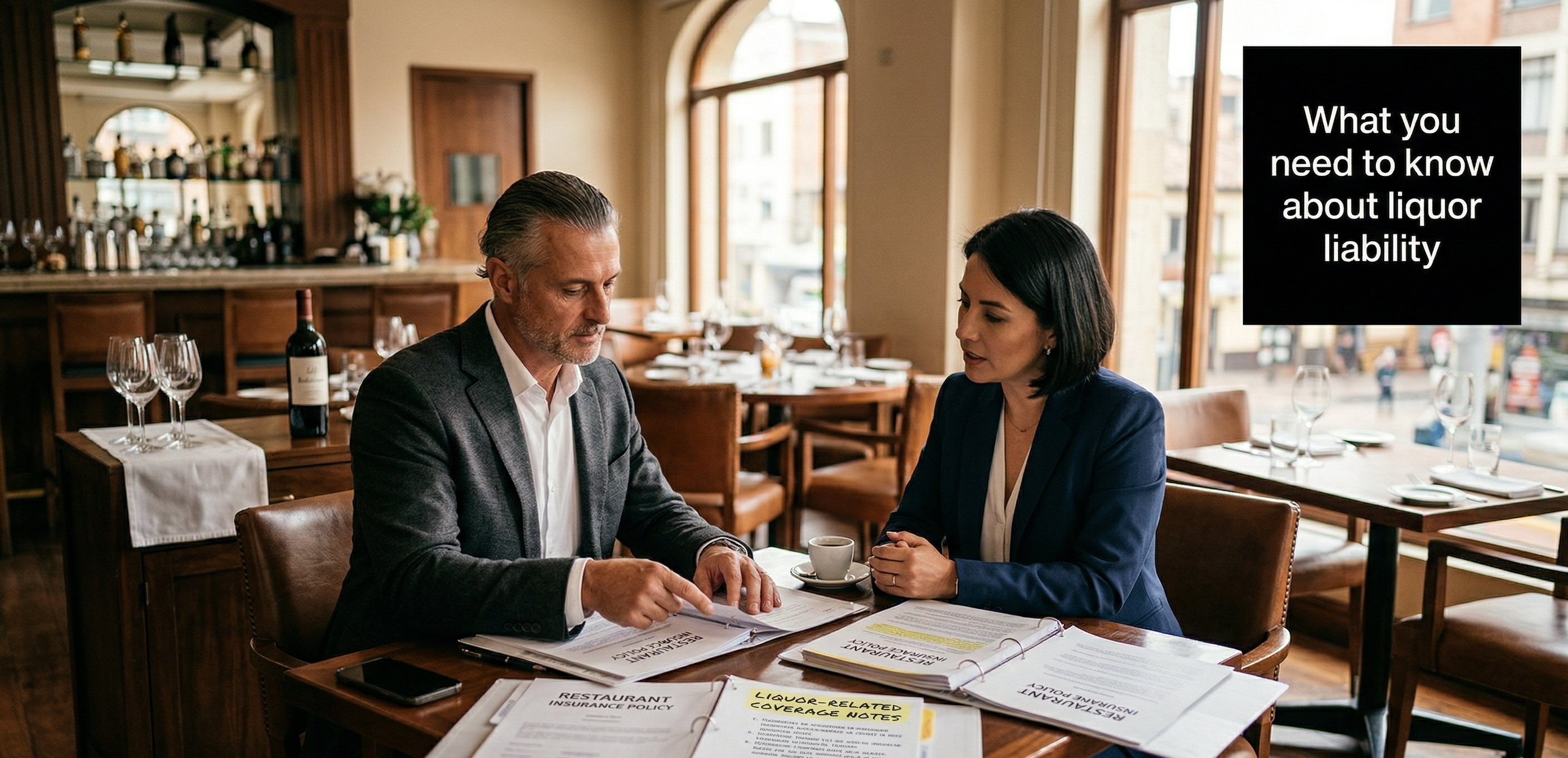
Running a restaurant in Florida has always required resilience, organization, and a strong grasp of financial management. Insurance costs have become one of the most pressing financial concerns in recent years, and many owners are searching for ways to create stability without sacrificing protection.
Rising premiums, changing underwriting standards, and increased weather risks have reshaped the insurance market across the state. Restaurant owners often feel caught between budget realities and the responsibility to protect property, employees, and customers. Understanding how coverage works is the first step toward lowering expenses while staying fully protected.
The following guide explores how Florida restaurants may lower insurance premiums in 2026 by making informed choices, addressing risk, and evaluating coverage with intention. The goal is to provide a clear, objective look at the strategies that actually matter.
Why Restaurant Insurance Costs Have Increased Across Florida
Insurance premiums rarely rise without reason. Florida’s restaurant operators are facing a perfect storm of financial pressures tied to risk, claims, and regulation. Knowing the “why” helps clarify the “how” when building strategies to save.
Weather and property vulnerability
Florida remains one of the most hurricane-exposed regions in the world. Even businesses located inland have experienced roof damage, power loss, water intrusion, and storm-related interruptions. Insurers price policies based on probability of loss, and repeated catastrophic seasons increase perceived risk.
What A Storm Related Claim Can Really Cost A Restaurant
Storm damage often feels like a “worst case scenario” problem until it happens. For many Florida restaurants, the real shock occurs after seeing actual repair and recovery estimates. Storms do not typically cause only one issue. They often create a chain reaction of damage that reaches the roof, interior systems, inventory, and daily operations.
Understanding potential costs helps restaurant owners see why coverage limits, deductibles, and documentation matter so much.
Roof replacement after a major storm
Roofs are one of the most expensive elements of commercial property. When high winds lift shingles, tear membranes, or damage flashing, full replacement may be required rather than patch repairs.
For a typical mid-size restaurant building, roof replacement can range from:
- 25,000 to 60,000 for basic structures
- 60,000 to 120,000 for larger buildings or specialized commercial roofing
- Even higher when complex ventilation and exhaust systems are involved
If water intrusion reaches ceilings, insulation, or electrical lines, repair costs rise further.
Interior water and mold damage
Once water enters the building, restoration becomes time sensitive. Drywall, subflooring, insulation, booths, carpets, and equipment may need removal and replacement.
Water damage restoration for restaurants frequently ranges between:
- 10,000 and 40,000 for moderate interior cleanup
- 40,000 to 100,000 when mold remediation and reconstruction are required
Mold inspections, humidity controls, and follow-up treatments can add thousands more.

Damage to kitchen equipment
Commercial kitchens rely on specialized equipment. Storm water, roof leaks, or power surges can destroy:
- Refrigerators and freezers
- Ovens and fryers
- Walk-in coolers
- Point-of-sale systems
Replacing damaged equipment can easily exceed 30,000 to 150,000 depending on the size of the operation.
Business interruption during repairs
Even when equipment and property are covered, lost income creates another layer of financial strain. Repairs often force closures or limited operations.
Business interruption losses may include:
- Lost daily revenue
- Ongoing payroll obligations
- Rent and utilities
- Vendor contracts and spoiled inventory
For busy locations, temporary closure for several weeks can result in tens of thousands of dollars in lost income.
A single storm can trigger multiple connected expenses
Roof replacement, interior repairs, mold remediation, equipment replacement, and lost income can easily climb into six-figure territory.
When policies are underinsured or incorrectly structured, restaurant owners may find themselves paying large amounts out of pocket. Reviewing limits, deductibles, exclusions, and flood considerations helps ensure that a devastating storm does not turn into a long-term financial crisis.
Why A Deep Review Of Storm Losses Can Prevent Unnecessary Expenses
When a restaurant experiences storm damage, the first instinct is often urgency. Roof leaks, fallen debris, and equipment failures create stress and financial pressure. In this environment, it becomes easy to approve repairs, replacements, and upgrades without fully understanding what is required and what is optional.
Because rebuilding and replacement costs have increased significantly across Florida, a detailed review of losses is more important than ever.
Not every damaged item requires full replacement
Contractors and vendors may recommend full replacement when repair is still possible. For example, a damaged roof section may be repairable if the underlying structure remains intact. Likewise, certain pieces of kitchen equipment may function properly after professional service rather than full replacement.
A careful inspection helps determine:
- What is structurally compromised
- What can be repaired safely
- What must be fully replaced to meet code requirements
This approach keeps the claim focused on what is truly necessary.
Avoiding “scope creep” during repairs
Scope creep occurs when repair projects quietly expand beyond the original loss. Extra painting, upgrades, remodeling, or non-damaged materials sometimes get added into the claim.
Storm repairs should match the damage that occurred. Restaurants benefit from comparing estimates, documenting pre-loss conditions, and ensuring work aligns with policy language.
Accurate documentation protects both the claim and the budget
Insurers rely on proof. Clear photos, invoices, inspection reports, and maintenance records help verify the true extent of losses. When claims are accurately documented, owners are less likely to pay out of pocket for disputed items.
Thorough documentation helps prevent:
- Overpaying contractors
- Paying for upgrades that are not covered
- Delays caused by claim disputes

Rising costs make oversight essential
With higher prices for materials, labor, and equipment, even small mistakes can turn into large financial burdens. A disciplined review process ensures that every repair aligns with safety standards, code requirements, and the terms of the policy.
Deep evaluation is not about cutting corners. It is about spending wisely, rebuilding correctly, and protecting long-term financial stability after a storm.
Other Scenarios
Litigation and liability exposure
Slip and falls, foodborne illness, alcohol-related incidents, delivery accidents, and employee claims have all increased in frequency. Florida is historically known for a highly active legal environment, which can increase general liability and workers’ compensation costs.
Rebuilding and replacement costs
The price of construction materials, commercial kitchen equipment, and labor has risen dramatically. When the cost to rebuild goes up, the cost to insure replacement value also rises. Insurers must account for this higher potential payout.
Staffing issues and workplace injuries
Restaurants rely on fast-paced, physically demanding work. When staffing levels fluctuate, safety procedures sometimes slip, leading to injuries and workers’ compensation claims. Higher claim frequency increases premiums at renewal.
Understanding these pressures helps restaurant owners shift from frustration toward solutions rooted in risk management and planning.
Strategies That Help Lower Restaurant Insurance Premiums
Lowering premiums is not about cutting corners. It is about reducing risk in measurable ways that insurers recognize and reward.
Below are strategies commonly associated with meaningful premium savings, particularly in high-risk states such as Florida.
Focus on Property Protection and Structural Resilience
Roof condition and wind mitigation
Strong roofing systems significantly influence commercial property insurance pricing. Owners who maintain documentation of repairs, inspections, and upgrades often demonstrate lower risk.
Wind mitigation features such as secured roof coverings, reinforced openings, and impact-rated glass may also qualify restaurants for discounts.
Water intrusion prevention
Water damage has become one of the most expensive loss categories. Owners should review:
- Plumbing maintenance records
- Backflow and drainage systems
- Leak detection devices
- Regular inspections around dishwashers, freezers, and sinks
Demonstrating proactive prevention helps underwriters feel confident about long-term stability.
Fire suppression and kitchen safety investments
Restaurants are naturally exposed to cooking fire risk. Fire suppression systems, hood cleaning records, automatic gas shutoffs, and employee fire training reduce both risk and premium exposure.
Strengthen Liability Coverage While Preventing Incidents
Liability coverage protects restaurants when someone claims injury or loss due to the business. The key is prevention supported by documentation.
Documented safety policies
Insurers value written procedures that are reviewed and updated. Examples include spill cleanup protocols, knife safety, alcohol service policies, and employee training logs.
Surveillance and lighting
Well-lit parking lots, cameras, and maintained exterior walkways reduce liability claims involving falls and security incidents.
Food safety and sanitation programs
Temperature logs, HACCP programs, and certifications lower the chance of foodborne illness and demonstrate professional risk management.
Workers’ Compensation: Reducing Injuries Reduces Premiums
Workers’ compensation premiums are influenced by claim frequency, job classifications, and safety culture.
Invest in safety training
Training should address:
- Proper lifting
- Knife handling
- Slip prevention
- Heat safety
- Delivery driver safety
Consistent training reduces accidents and creates documentation that underwriters value.

Return-to-work programs
Policies that help employees transition back after injury often lower long-term costs. Insurers reward employers who actively manage workplace recovery.
Background checks and hiring standards
Responsible hiring practices can lower risks of fraud, unsafe behaviors, and preventable injuries.
Business Interruption Coverage: Balancing Cost and Protection
Business interruption insurance replaces lost income when operations must temporarily close due to a covered loss. Some owners reduce or eliminate this coverage to save money but doing so can result in severe financial hardship.
A smarter approach is adjusting coverage with precision.
Accurately calculate revenue exposure
Coverage should reflect actual operating expenses, payroll obligations, and likely recovery timelines. Over-insuring costs money. Under-insuring risks survival.
Understand waiting periods and exclusions
Shorter waiting periods can increase premiums. Reviewing options with an experienced insurance professional helps identify cost-effective configurations.
Evaluating Deductibles and Limits With Intention
Raising deductibles can reduce premiums. However, deductibles must always remain affordable enough to pay when a claim happens.
Restaurant owners benefit from building emergency reserves before increasing deductibles. A higher deductible without savings in place creates unnecessary financial stress.
Coverage limits should also reflect realistic replacement values. Too little coverage may void claims, while excessive limits create unnecessary spending.
The Role of Claims History
Every claim tells a story. Multiple similar claims suggest unresolved risk. Underwriters analyze claims patterns when deciding premium pricing.
Reduce small avoidable claims
Sometimes paying out of pocket for very minor issues can prevent long-term increases. This strategy should always be discussed with an insurance professional before being applied.
Investigate root causes
Slip incidents may signal floor maintenance issues. Repeated injuries may indicate training gaps. Addressing root issues helps stabilize future premiums.
Why Documentation Matters So Much
Underwriters do not see daily operations. They see applications, reports, and data. Thorough documentation can reduce uncertainty and build confidence.
Helpful records include:
- Safety training logs
- Vendor maintenance reports
- Fire inspections
- Employee handbook acknowledgments
- Incident reports
Restaurants that operate professionally often receive more favorable terms.
Understanding Flood and Water Risk In Florida
Although not every restaurant sits on the coast, stormwater, drainage, and heavy rainfall have created new categories of risk. Some owners mistakenly believe standard policies automatically cover this type of damage.
Many do not.
Separate flood coverage may be required. Restaurant owners researching options often review resources such as FEMA and local flood zone maps to understand their exposure.
Readers interested in restaurant insurance protections may also click here.
Understanding coverage gaps helps avoid surprise expenses after a severe storm.
Technology Investments That Help Lower Premiums
Smart devices and monitoring systems have become powerful insurance tools.
Leak sensors and automatic shutoff valves
These devices alert owners early and reduce total damage.
Security monitoring and access control
Better security reduces theft claims and helps create safer workplaces.
Telematics for delivery vehicles
Mileage tracking and driver monitoring may lower commercial auto insurance when applicable.
Regulatory Awareness And Compliance
Florida businesses must comply with state labor, safety, and insurance requirements. Violations often increase fine exposure and create additional insurance scrutiny.
Owners benefit from regularly reviewing:
- State workers’ compensation rules
- Alcohol licensing requirements
- Health department standards
Staying compliant signals responsible management.
Building a Risk Assessment Mindset
Lower premiums start with thoughtful assessment. Restaurant owners are encouraged to walk the property, observe daily operations, and document vulnerabilities.
A structured assessment often includes:
- Property condition review
- Employee safety processes
- Equipment maintenance schedules
- IT and cyber protections
- Vendor reliability
This mindset turns insurance into part of an overall business strategy rather than a yearly bill.
When To Review Coverage
Restaurant insurance should never be “set and forget.” A review is helpful when:
- Expanding seating
- Adding delivery service
- Installing new equipment
- Renovating kitchens
- Changing menus with new cooking methods
Changes in risk should trigger conversations about coverage structure.

How USA CIS Can Support Florida Restaurant Owners
Florida restaurant owners benefit from working with an insurance partner who understands local realities, carrier options, and industry-specific risks. Independent, objective guidance can help owners compare coverage structures, identify gaps, and pursue available savings.
Readers interested in guidance can:
- Request a restaurant insurance risk assessment
- Explore custom policy options tailored to operations
- Contact CIS to discuss premium-lowering opportunities and coverage strategies
A trusted advisor helps transform insurance from a source of stress into a strategic advantage.
Final Perspective: Lower Premiums Without Lowering Protection
Restaurant operators face enough pressure already. Insurance should create security, not confusion. By approaching coverage with education, documentation, risk prevention, and expert support, Florida restaurants can position themselves for more stable premiums in 2026 while keeping protection strong.
Lower costs begin with clarity, thoughtful planning, and proactive risk control.
 USA.CIS