Florida’s relentless heat places extraordinary demands on homes and commercial buildings, especially in Central Florida regions like Orlando, where extreme weather conditions are part of daily life for much of the year. High humidity levels combine with prolonged cooling seasons and soaring summer temperatures, creating an environment that can easily overwhelm HVAC systems if a property is not properly insulated and maintained. Without adequate insulation, cooled air escapes more quickly, forcing HVAC equipment to work harder, run longer cycles, and consume significantly more energy, resulting in higher utility bills and uneven indoor temperatures.
For homeowners and businesses alike, insulation installation and duct system care play a critical role in managing indoor temperatures, improving air quality, and preventing costly HVAC emergencies. Proper insulation helps regulate heat transfer, keeping indoor spaces cooler during peak summer months while reducing strain on cooling equipment. At the same time, neglected ductwork can leak conditioned air, circulate dust and allergens, and reduce overall system efficiency. When insulation installation is paired with regular duct cleaning and dryer vent maintenance, properties benefit from improved airflow, enhanced safety, and more consistent indoor comfort throughout the year.
This guide explores how professional insulation installation helps combat Florida’s heat by creating a more effective thermal barrier, why ductwork efficiency matters in hot climates where HVAC systems operate almost continuously, and how integrated HVAC maintenance services support healthier, more energy-efficient indoor environments. By understanding how insulation, duct cleaning, and dryer vent maintenance work together, property owners can make informed decisions that protect indoor comfort, extend HVAC system lifespan, and safeguard their long-term investment in Florida’s challenging climate.
Why Florida’s Climate Demands Specialized Insulation Strategies
Florida’s climate is unlike most regions in the United States. Prolonged heat exposure, frequent storms, and high moisture levels create unique challenges that require targeted solutions rather than generic insulation approaches.
Persistent Heat and High Cooling Loads
In Orlando, air conditioning systems often operate for most of the year. Without adequate insulation, cooled air escapes rapidly, forcing HVAC systems to work harder and longer to maintain comfortable temperatures. This constant demand accelerates system wear, increases electricity consumption, and raises monthly utility costs.
Humidity and Moisture Intrusion
High humidity levels increase the risk of condensation within walls, ceilings, and ductwork. When insulation is improperly installed or deteriorating, moisture can infiltrate these spaces, leading to mold growth, reduced insulation effectiveness, and compromised indoor air quality.
According to the Centers for Disease Control and Prevention (CDC), prolonged exposure to mold can contribute to respiratory symptoms, allergic reactions, and other health concerns, especially for children, seniors, and individuals with asthma.
Solar Heat Gain in Attics and Duct Systems
Florida’s intense sun exposure heats roofing materials and attic spaces to extreme temperatures. When ductwork runs through poorly insulated attics, cooled air absorbs heat before it ever reaches living or working spaces. This thermal loss is one of the most common causes of uneven temperatures and inefficient cooling in Florida properties.
How Insulation Installation Works to Reduce Heat Transfer
Insulation functions as a thermal barrier, slowing the movement of heat between indoor and outdoor environments. In hot climates, its primary role is to prevent external heat from entering conditioned spaces while keeping cooled air inside. Florida’s combination of high temperatures and humidity makes effective insulation essential for maintaining indoor comfort and reducing the workload placed on HVAC systems throughout extended cooling seasons.
Thermal Resistance and R-Values Explained
Insulation performance is measured using R-value, which indicates resistance to heat flow. Higher R-values provide greater insulating power by slowing heat transfer through walls, ceilings, and duct systems. In Florida, recommended R-values are tailored to hot and humid conditions to balance thermal protection with moisture control, helping prevent issues such as condensation and reduced material performance.
The U.S. Department of Energy (DOE) provides region-specific guidance on insulation materials and R-values that maximize energy efficiency in warm climates. Following these recommendations ensures insulation performs effectively without trapping excess moisture inside building assemblies.
Preventing Heat Gain Through Ductwork
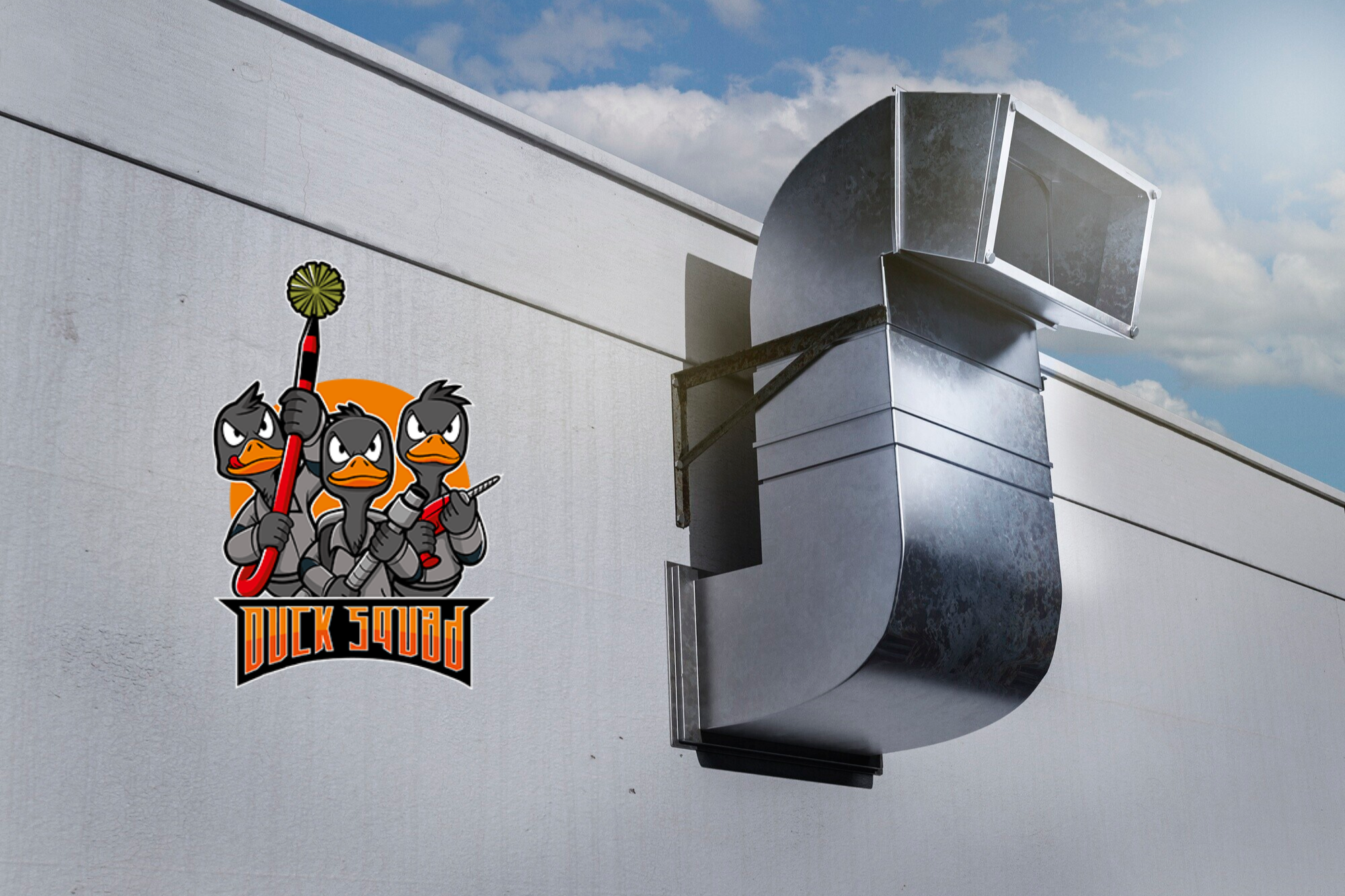
While wall and attic insulation receive significant attention, ductwork insulation is equally critical in Florida homes and commercial buildings. Uninsulated or poorly insulated ducts can lose up to 30% of cooled air before it reaches occupied spaces, especially when ducts pass through hot attics or unconditioned areas. This loss forces HVAC systems to work harder to compensate for temperature changes.
Professional Ductwork Insulation Installation Orlando services help seal and insulate ducts, ensuring conditioned air remains cool as it travels through attics, crawl spaces, and wall cavities. Properly insulated ductwork improves airflow efficiency and supports consistent cooling throughout the property.
Minimizing Temperature Fluctuations Indoors
Proper insulation stabilizes indoor temperatures by reducing heat infiltration from outside. This results in fewer hot spots, more consistent cooling, and improved overall comfort, especially during peak summer months when outdoor temperatures are at their highest. By maintaining stable indoor conditions, insulation also helps HVAC systems operate more efficiently, reducing energy consumption and extending equipment lifespan.
The Role of Duct Systems in Cooling Efficiency
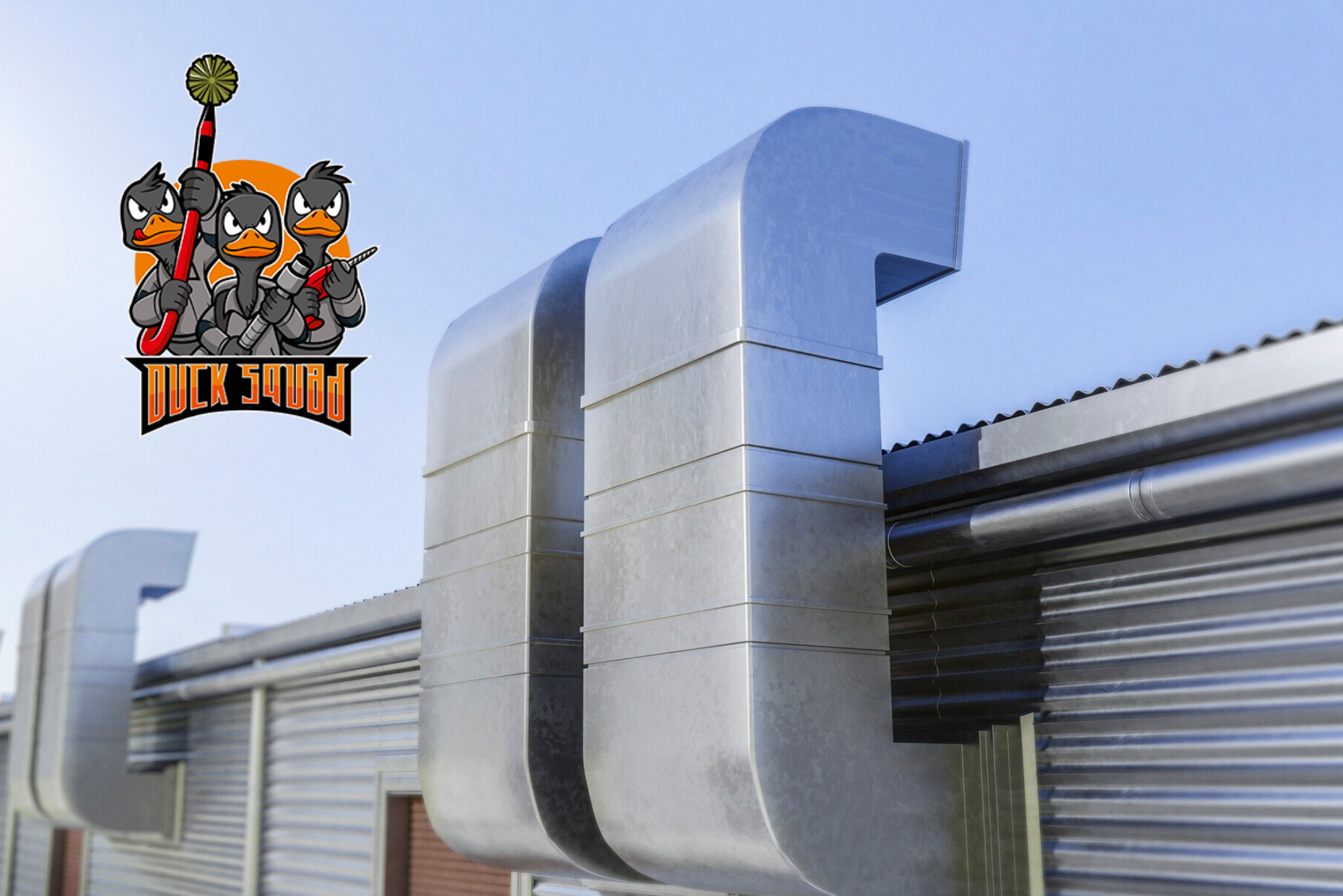
Ductwork acts as the delivery network for cooled air. Even the most efficient HVAC system cannot perform effectively if ducts are dirty, damaged, or inadequately insulated. In Florida’s hot and humid climate, duct systems often run through attics and wall cavities where extreme temperatures can compromise performance. When ducts are not properly maintained, a significant portion of conditioned air can be lost before it ever reaches occupied spaces.
Air Leakage and Energy Waste
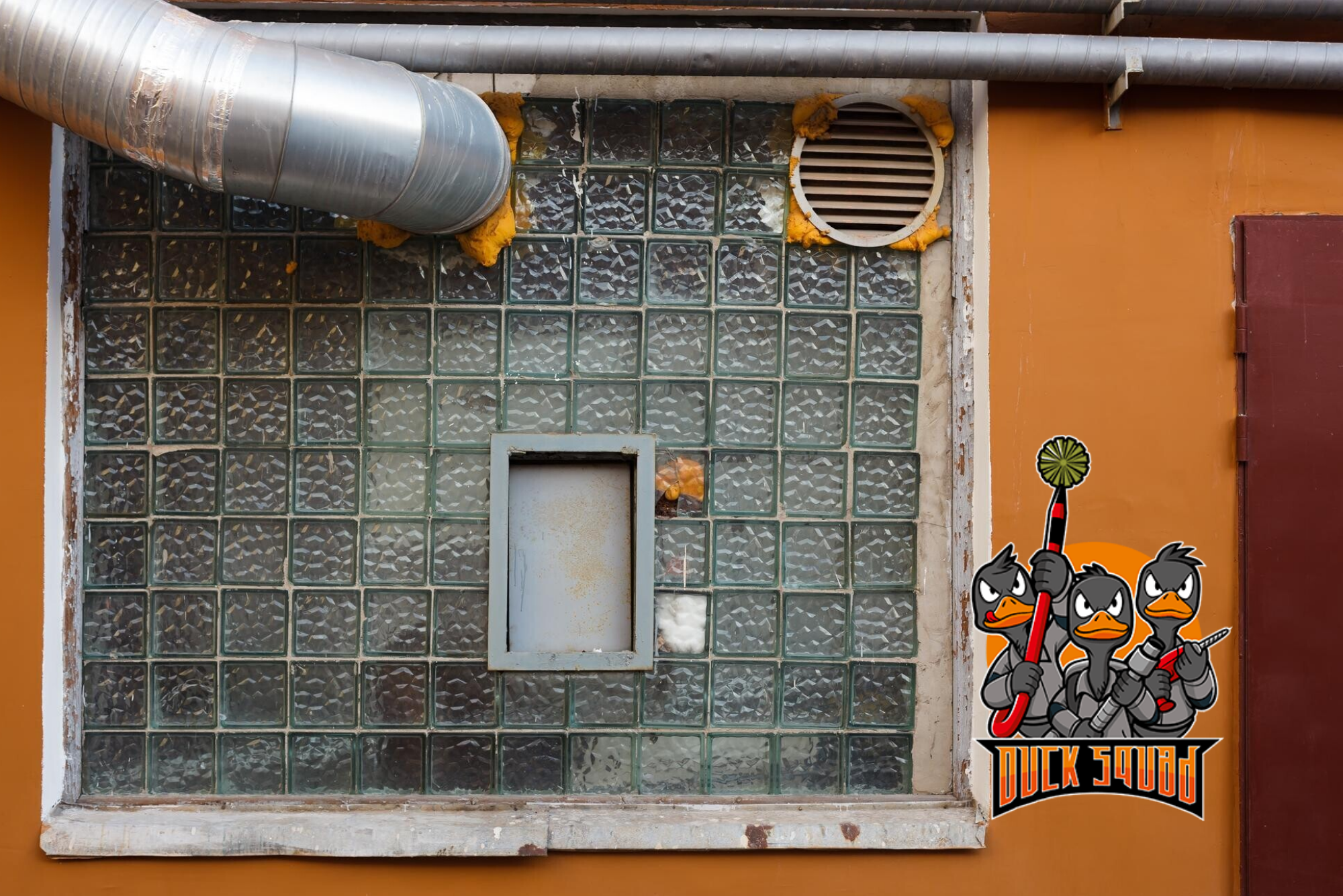
Leaky ducts allow cooled air to escape into unconditioned spaces, forcing HVAC systems to compensate by running longer cycles. Small gaps, loose connections, or deteriorated insulation can result in substantial energy loss over time. This inefficiency increases utility costs and accelerates wear on critical HVAC components.
Routine Duct Cleaning service Orlando helps remove debris that can restrict airflow, while insulation installation ensures cooled air reaches its destination without absorbing attic heat. Together, these services improve airflow efficiency and help stabilize indoor temperatures throughout the property.
Indoor Air Quality and Clean Airflow
Dust, pollen, pet dander, and microbial contaminants accumulate inside duct systems over time. When airflow circulates through dirty ducts, these pollutants are distributed throughout indoor spaces, potentially aggravating allergies and respiratory conditions. High humidity levels common in Florida can further promote microbial growth inside poorly maintained ductwork.
The U.S. Environmental Protection Agency (EPA) emphasizes the importance of clean HVAC systems in maintaining healthy indoor air quality, particularly in regions with high humidity and extended cooling seasons. Clean, well-sealed ducts support healthier airflow and reduce the circulation of airborne irritants.
Supporting HVAC Longevity
When ducts are properly insulated and free of obstructions, HVAC systems operate under less strain. Efficient airflow allows cooling equipment to maintain target temperatures without excessive cycling or overheating. Reduced workload extends equipment lifespan and lowers the likelihood of unexpected breakdowns during extreme heat events, helping property owners avoid costly emergency repairs and maintain reliable cooling performance year-round.
Insulation Installation as a Preventative HVAC Strategy
Many property owners associate HVAC services with emergency repairs, but insulation installation is one of the most effective preventative measures available. Rather than reacting to system failures after they occur, insulation addresses the root causes of HVAC strain by controlling heat transfer, stabilizing indoor temperatures, and reducing workload on cooling equipment. In Florida’s extreme climate, this proactive approach can significantly improve system reliability and long-term performance.
Reducing Emergency Cooling Failures
During Florida’s hottest months, HVAC systems are pushed to their limits. Inadequate insulation can cause systems to overheat or fail entirely as they struggle to offset constant heat intrusion and air loss. By reducing heat gain and air loss, insulation helps prevent sudden system shutdowns when cooling is needed most. This added thermal protection allows HVAC systems to operate within safer performance ranges, lowering the likelihood of breakdowns during peak demand periods.
Enhancing Energy Efficiency Year-Round
While insulation is especially beneficial during summer, it also supports energy efficiency during cooler months by maintaining indoor temperatures and reducing heat loss. Well-insulated properties experience more stable indoor conditions, allowing HVAC systems to cycle less frequently and operate more efficiently throughout the year. According to the U.S. Department of Energy (DOE), proper insulation can significantly reduce annual energy consumption, making it one of the most cost-effective home improvements available.
Supporting Sustainable Property Management
Lower energy consumption translates into reduced environmental impact. For environmentally conscious homeowners and businesses, insulation installation aligns with sustainability goals while delivering tangible financial benefits. By minimizing energy waste and extending HVAC system lifespan, insulation supports responsible property management practices that balance comfort, cost control, and environmental stewardship over the long term.

Dryer Vent Systems and Their Impact on Heat and Safety
While often overlooked, dryer vent systems play an important role in managing heat, airflow, and indoor safety. In Florida’s warm and humid climate, inefficient dryer vent systems can contribute to excess indoor heat, moisture buildup, and increased strain on HVAC systems. Proper maintenance of these vents supports both comfort and safety across residential and commercial properties.
Heat Buildup from Clogged Dryer Vents
Clogged dryer vents trap hot, moist air inside the appliance and surrounding spaces. This heat buildup can raise indoor temperatures and increase the risk of mechanical failure, forcing dryers to work harder and operate longer cycles. Over time, restricted airflow can lead to overheating components and reduced appliance lifespan.
Professional Dryer Vent Cleaning service In Orlando removes lint and debris that obstruct airflow, allowing heat to exit the property efficiently. This improved ventilation helps regulate indoor temperatures while enhancing overall energy efficiency.
Fire Prevention and Airflow Optimization
The U.S. Fire Administration reports that dryer vent blockages are a leading cause of residential fires. Regular cleaning reduces this risk while improving appliance efficiency by ensuring proper airflow. Lint accumulation is highly flammable, and even minor obstructions can significantly increase fire hazards if left unaddressed.
By maintaining clear vents, property owners support overall HVAC performance and prevent unnecessary heat accumulation indoors. Improved airflow reduces moisture and heat retention, contributing to safer, cooler, and more efficient indoor environments year-round.
Commercial Properties and Insulation Performance in Florida
Businesses in Orlando face unique challenges related to cooling large spaces, managing energy costs, and maintaining comfortable environments for customers and employees. Florida’s prolonged heat, high humidity, and nearly year-round cooling demands place continuous pressure on commercial HVAC systems. Without proper insulation strategies in place, these challenges can quickly lead to inefficiencies, rising expenses, and reduced occupant comfort.
Managing High Occupancy Heat Loads
Commercial buildings generate additional heat from lighting, equipment, and occupant density. Without adequate insulation, this internal heat compounds Florida’s external climate pressures, making it more difficult for HVAC systems to maintain consistent indoor temperatures. Heat buildup in poorly insulated spaces can result in hot zones, employee discomfort, and reduced productivity.
Ductwork insulation helps regulate airflow distribution, ensuring consistent cooling across expansive floor plans. By minimizing thermal loss and preventing conditioned air from escaping before reaching occupied areas, insulated duct systems support balanced temperatures throughout the building.
Lowering Operational Costs
Energy expenses represent a significant portion of commercial operating budgets. Insulation improvements reduce cooling demands, delivering long-term savings that directly impact profitability. When buildings retain cooled air more effectively, HVAC systems operate more efficiently, lowering monthly utility costs and reducing wear on expensive mechanical equipment. Over time, these savings can offset insulation investments while stabilizing operating expenses.
Supporting Compliance and Indoor Air Standards
Clean, well-insulated HVAC systems support compliance with indoor air quality guidelines established by organizations like the U.S. Environmental Protection Agency (EPA), enhancing workplace safety and comfort. Proper insulation helps prevent moisture intrusion and air contamination, both of which can compromise indoor air quality. Maintaining well-insulated and properly serviced HVAC systems also demonstrates a commitment to employee well-being, regulatory compliance, and professional facility management.
Signs a Property Needs Insulation or Duct Services
Recognizing early warning signs can help property owners address issues before they escalate into costly emergencies. In Florida’s demanding climate, small performance issues can quickly turn into major comfort, efficiency, and safety concerns if left unaddressed. Being proactive allows homeowners and business owners to preserve HVAC performance, reduce operating costs, and maintain a healthier indoor environment.
Uneven Indoor Temperatures
Hot and cold spots throughout a building often indicate air loss or insufficient insulation within duct systems. Rooms that feel significantly warmer than others, especially those farther from the HVAC unit, may be suffering from leaky ducts or poorly insulated walls, attics, or crawl spaces. These temperature inconsistencies not only reduce comfort but also signal that conditioned air is not being distributed efficiently throughout the property.
Rising Energy Bills
A sudden or gradual increase in utility costs may signal that cooled air is escaping due to poor insulation or duct leaks. When insulation is inadequate or ductwork is compromised, HVAC systems must work harder and longer to maintain desired temperatures. Over time, this inefficiency translates into noticeably higher energy consumption, even when usage habits remain unchanged.
Excessive Dust or Allergy Symptoms
Dirty ducts and compromised insulation can introduce airborne contaminants into living and working spaces, affecting occupant health. Increased dust accumulation, frequent sneezing, or worsening allergy symptoms may indicate that duct systems are pulling in pollutants from unconditioned areas such as attics or wall cavities. Proper insulation and regular duct services help limit contaminant circulation and support cleaner indoor air.
HVAC Systems Running Constantly
Extended run times suggest that cooling systems are struggling to maintain target temperatures due to heat infiltration or air loss. When insulation fails to block outdoor heat or ducts leak conditioned air, HVAC units compensate by operating almost continuously. This not only accelerates system wear and tear but also increases the risk of unexpected breakdowns and costly repairs.
Why Professional Installation and Cleaning Matter
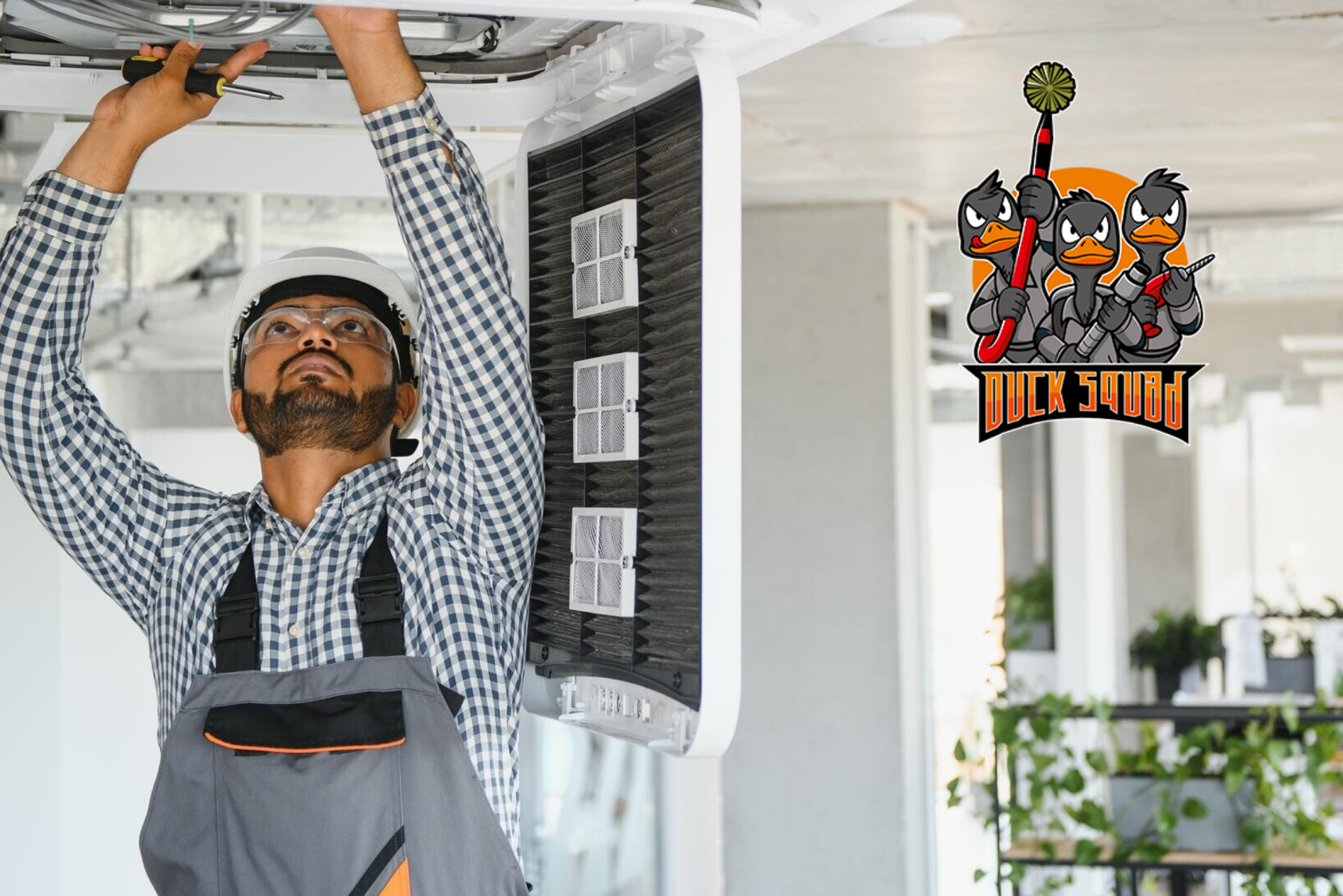
DIY insulation and duct maintenance often fall short of addressing Florida’s complex climate challenges. While do-it-yourself solutions may appear cost-effective initially, they frequently overlook critical factors such as moisture control, airflow balance, and proper sealing. Professional services ensure materials are properly selected, installed, and maintained for long-term performance, helping properties withstand Florida’s heat and humidity without compromising indoor comfort or HVAC efficiency.
Expertise in Florida-Specific Conditions
Professionals understand how humidity, heat, and building design interact in Central Florida properties. This knowledge is essential for selecting insulation materials that resist moisture and maintain performance over time. Experienced technicians can identify areas prone to condensation, heat intrusion, or air leakage and apply solutions specifically designed to perform in Florida’s demanding environment.
Comprehensive System Evaluation
Integrated services that include Duct Cleaning service Orlando, insulation installation, and dryer vent maintenance address HVAC efficiency holistically rather than treating symptoms in isolation. By evaluating the entire air distribution system, professionals can detect hidden issues such as clogged vents, damaged ducts, or inadequate insulation that reduce system effectiveness and increase energy costs.
Long-Term Performance and Peace of Mind
Professional installation reduces the risk of future issues, delivering consistent comfort, improved air quality, and reliable cooling throughout Florida’s extended warm seasons. With expert care, property owners gain peace of mind knowing their HVAC systems are protected, energy-efficient, and prepared to handle year-round demands without unexpected disruptions or costly repairs.
The Long-Term Value of Insulation in Florida Homes and Businesses
Insulation installation is not merely a comfort upgrade, it is a strategic investment in property performance, safety, and efficiency. In Florida’s demanding climate, effective insulation plays a vital role in protecting structures from heat intrusion, moisture-related issues, and excessive energy consumption. Over time, this investment delivers measurable financial and operational benefits for both residential and commercial properties.
Improved Property Value
Energy-efficient buildings are increasingly attractive to buyers and tenants. Proper insulation enhances resale value and marketability by lowering operating costs and demonstrating proactive property maintenance. In competitive real estate markets, well-insulated homes and businesses often stand out due to their comfort, efficiency, and reduced reliance on overworked HVAC systems.
Enhanced Indoor Comfort
Stable indoor temperatures improve daily comfort for families, employees, and customers, creating healthier and more enjoyable environments. Quality insulation reduces temperature fluctuations, eliminates hot spots, and helps maintain consistent conditions throughout the building. This improved comfort supports productivity in commercial spaces and overall well-being in residential settings.
Reduced Maintenance and Repair Costs
By minimizing strain on HVAC systems, insulation helps reduce long-term maintenance expenses and unexpected repair needs. When heating and cooling equipment operates under less stress, components last longer and perform more reliably. This leads to fewer emergency service calls, lower repair costs, and extended system lifespan, protecting the property owner’s investment over time.
Taking Action Against Florida’s Heat
Florida’s heat is unavoidable, but its impact on indoor comfort and energy costs can be controlled with the right preventative strategies in place. High temperatures, intense humidity, and extended cooling seasons place continuous stress on buildings and HVAC systems across the state. Professional insulation installation, combined with duct cleaning and dryer vent maintenance, forms a powerful defense against thermal loss, indoor air quality issues, and HVAC inefficiency. Together, these services help regulate indoor temperatures, reduce energy waste, and create healthier living and working environments.
Property owners seeking reliable solutions for ductwork insulation, air system cleaning, and preventative HVAC care can benefit from working with experienced professionals who understand Orlando’s climate demands. Local expertise ensures that insulation materials, duct sealing methods, and maintenance schedules are tailored to the specific challenges posed by Florida’s heat and humidity. This targeted approach helps prevent common issues such as moisture buildup, air leakage, and excessive system wear that often lead to costly repairs.
For homeowners and businesses ready to improve comfort, reduce energy costs, and protect their HVAC systems, contacting Duck Squad Orlando for expert evaluation and service scheduling is a smart next step. Proactive insulation and duct services today can prevent costly emergencies tomorrow while ensuring year-round comfort, improved efficiency, and long-term system reliability in Florida’s challenging climate.
 Dubb
Dubb