Landscaping is often one of the first features people notice about a property. Whether it’s lush lawns, shade trees, or colorful flower beds, curb appeal matters. A well-maintained yard not only enhances visual appeal but also contributes to a property’s overall value. However, for homes and properties relying on septic systems, especially in areas like Dutchess County, those landscaping decisions carry more weight than many homeowners realize.
When it comes to septic systems, landscaping isn’t just about aesthetics, it’s about protecting vital underground infrastructure. Improper planting, excessive irrigation, and even poorly placed walkways can disrupt septic system function, leading to backed-up drains, soggy yards, or worse, complete system failure. That’s why understanding how landscaping interacts with septic infrastructure is critical for homeowners, landscapers, and property managers alike.
In regions where services like Dutchess County NY Septic Tank Pumping and Dutchess County NY Septic Tank Cleaning are routine maintenance tasks, the link between outdoor beauty and underground system health deserves closer attention. Choosing the wrong types of plants, especially those with aggressive root systems, can lead to root intrusion into septic lines. Likewise, overwatering or installing impermeable hardscapes above the drain field can prevent proper soil absorption and jeopardize the system’s ability to treat wastewater.
Additionally, trees planted too close to septic tanks or drain fields may cause structural damage over time. Their roots naturally seek out moisture, and septic systems are a prime target. This can result in cracks, leaks, and costly repairs, something that could have been avoided with proper landscape planning.
On the flip side, well-designed landscaping can help extend the life of a septic system. Grasses and shallow-rooted plants can stabilize soil, prevent erosion, and improve filtration. Creating a buffer zone around the system not only protects it but can also be incorporated creatively into the overall landscape design.
For residents in Dutchess County, where the environment and seasonal weather patterns add another layer of complexity, being proactive is essential. Routine services like Dutchess County NY Septic Tank Pumping and Dutchess County NY Septic Tank Cleaning are critical, but they work best when supported by responsible surface planning. Local professionals understand the unique soil conditions, water table levels, and topographical challenges that affect both landscaping and septic system performance.
In conclusion, while it’s easy to focus on visual upgrades, landscaping decisions should always be made with septic health in mind. The beauty of a yard should never come at the expense of a functioning septic system. With a little foresight and collaboration between landscapers and septic experts, homeowners in Dutchess County can enjoy the best of both worlds: stunning outdoor spaces and reliable underground infrastructure.
The Relationship Between Landscaping and Septic System Components
Landscaping decisions can either support or sabotage the health of a septic system. Many homeowners in Dutchess County take pride in maintaining beautiful outdoor spaces, but beneath the surface lies a complex system that must be protected. A well-informed landscaping plan ensures that aesthetic goals don’t come at the expense of functionality and long-term septic health.
Understanding Septic System Layout
Septic systems are comprised of several underground components: the septic tank, the drainfield (also known as the leach field), and connecting pipes. Each part plays a vital role in filtering and processing household wastewater. The tank separates solids from liquids, while the drainfield disperses the treated effluent into the soil for natural filtration.
In Dutchess County, local conditions like soil type, property slope, and seasonal water table fluctuations influence how and where these components are installed. Sandy or loamy soils allow for better percolation, while clay-heavy soils may require alternative drainfield designs. These environmental variables are key to both septic performance and landscaping decisions. For example, placing water-hungry plants or deep-rooted trees in a region with a high water table could lead to unwanted saturation and system imbalance.
Landscaping over or near any of these areas must take these variables into account to avoid interference. Ignoring them can reduce septic efficiency, trigger premature system failure, and increase reliance on frequent Dutchess County NY Septic Tank Pumping and Dutchess County NY Septic Tank Cleaning services due to stress on the system.
Common Landscaping Hazards to Septic Systems
Aesthetic improvements should never undermine septic function. Below are some of the most common hazards introduced through uninformed landscaping practices:
- Invasive Root Systems
Trees and shrubs with aggressive root systems can infiltrate septic tanks and pipes, especially when planted too close to the drainfield. Roots naturally seek moisture, and septic components provide a consistent source, making them an attractive target. Over time, these roots can clog or crack pipes, resulting in expensive repairs. - Heavy Hardscapes and Compaction
Installing patios, decks, decorative boulders, or other heavy landscaping elements directly over a septic tank or drainfield can compact the soil. Compacted soil impedes the drainfield’s ability to properly disperse effluent, creating backups or system failure. In Dutchess County, where seasonal freeze-thaw cycles already challenge soil stability, added compaction only worsens the risk. - Overwatering or Redirected Runoff
Excessive irrigation, whether from sprinkler systems or runoff from sloped landscapes—can flood a drainfield and disrupt the soil’s ability to absorb treated wastewater. Oversaturation increases the chances of untreated effluent surfacing in the yard or backing up into the home. Furthermore, sloped yards that funnel water toward the drainfield instead of away from it can drastically shorten the system’s lifespan. - Traffic Over Drainfields
Repeated driving of vehicles, lawnmowers, or heavy equipment over a drainfield is one of the fastest ways to compact soil and crush piping. Even regular foot traffic on saturated soil can cause long-term damage. This is particularly relevant for properties that use riding mowers or have larger landscapes that require heavy-duty maintenance equipment.
Understanding how to design a yard around these risks is critical to long-term septic functionality. Consulting both a professional landscaper and a septic system specialist ensures that all decisions, from planting to paving—support rather than threaten the system.
Trees, Roots, and Septic Interference
Invasive Root Systems and Structural Damage
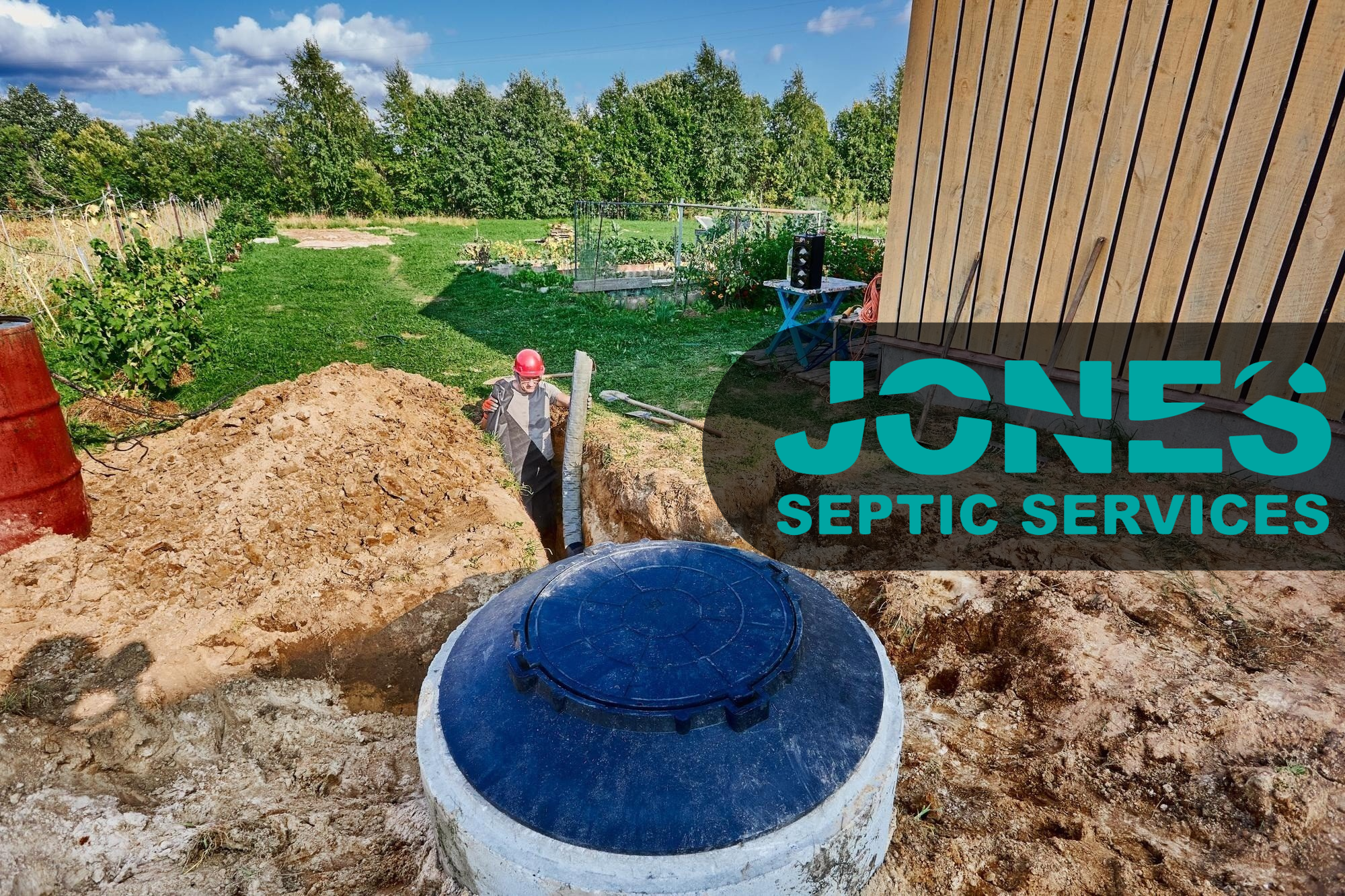
Trees and large shrubs add privacy, beauty, and shade, but their roots naturally seek moisture. In dry conditions, roots are especially drawn to septic lines and tanks, where they can infiltrate small cracks or joints.
Once inside, roots can block flow, break pipes, and compromise the system’s function. Even when roots don’t enter the pipes, they can surround and compress them, making Dutchess County Septic Tank Repair necessary.
Tree species known to be problematic for septic systems include:
- Willows
- Poplars
- Maples
- Elms
- Figs
- Bamboo
These should never be planted near drainfields or septic tanks. Instead, consider low-root-impact species and maintain generous buffer zones.
Recommended Buffer Distances
General landscaping guidelines recommend:
- Keeping trees at least 20–50 feet away from the drainfield depending on species.
- Avoiding shrubs with dense root systems within 10 feet of any septic component.
- Not planting anything larger than grass directly over the drainfield.
Grass, Groundcovers, and Drainfield Performance
When it comes to landscaping over or near a septic drainfield, the type of vegetation planted can make a significant difference. Unlike large trees or invasive shrubs, certain grasses and groundcovers can actually enhance the performance and longevity of a septic system. For homeowners in Dutchess County, where Dutchess County NY Septic Tank Pumping and Dutchess County NY Septic Tank Cleaning are common maintenance needs, choosing the right plant life can help reduce the frequency and severity of system issues.
Ideal Plants for Septic Drainfields
Grasses and low-growing groundcovers are especially beneficial because they serve a dual function: they support septic health while contributing to the property’s curb appeal. These plants help regulate soil moisture, reduce erosion, and maintain the natural processes that support drainfield operation.
Recommended plants include:
- Cool-season grasses such as Fescue and Kentucky bluegrass
These varieties are well-suited for the climate in Dutchess County and have shallow roots that pose little risk to underground piping. - Low-growing groundcovers like creeping thyme, clover, and native species
These options spread naturally, suppress weeds, and prevent soil erosion without needing much maintenance or irrigation. - Ornamental grasses with non-invasive root systems
Decorative yet practical, these plants add texture and movement to the landscape without compromising the system below.
These plant types are ideal for several reasons:
- ✅ They require minimal watering, which helps avoid oversaturation of the drainfield.
- ✅ They have non-invasive root systems, meaning they won’t grow into and disrupt septic pipes.
- ✅ They help stabilize soil, preventing erosion without adding weight or compaction pressure on top of the system.
Maintaining a healthy layer of appropriate vegetation over the drainfield also assists with evapotranspiration—an essential process for regulating moisture levels in the soil. This natural balance allows treated wastewater to percolate safely into the surrounding ground.
Landscaping Tips to Protect Drainfields
Choosing the right plants is only part of the equation. Maintenance and layout also play a critical role in preserving septic system integrity. Here are essential landscaping guidelines for safeguarding your drainfield:
- Avoid raised garden beds or mulch piles over septic areas
Raised beds and dense mulch can trap moisture and add weight to the soil, both of which compromise the drainfield’s function. - Do not install irrigation systems near the drainfield
Automatic sprinklers or drip irrigation can lead to overwatering. The drainfield relies on unsaturated conditions for proper treatment, and too much water can lead to system failure or surface pooling. - Mow with care and avoid driving or parking equipment on septic areas
Heavy machinery compacts soil and may damage pipes. Always use lightweight lawn equipment and keep maintenance vehicles off the drainfield. - Leave snow in place during winter for natural insulation
A blanket of snow helps prevent the ground from freezing too deeply, which could disrupt wastewater flow. However, do not pile plowed snow over the drainfield, as the added weight and potential runoff from melting snow may cause problems in spring.
By following these tips, homeowners can enjoy a vibrant, functional landscape while supporting the performance and longevity of their septic systems. In areas where Dutchess County NY Septic Tank Pumping and Dutchess County NY Septic Tank Cleaning are part of routine care, this proactive approach reduces long-term costs and extends the life of the system.
Hardscaping, Patios, and Structural Pressure
Why Hardscaping Can Damage Septic Infrastructure
Non-permeable surfaces like patios, paved walkways, or decks can interfere with natural drainage. More importantly, they add weight and compaction, which can crush or disrupt pipes and reduce the soil’s ability to treat wastewater.
Permanent structures placed over tanks or drainfields also make access difficult for Dutchess County NY Septic Tank Inspection, pumping, or repair.
Alternatives to Risky Hardscaping
If hardscape features are essential for a property’s layout, consider:
- Gravel paths or stepping stones with wide spacing
- Elevated decks with removable panels for maintenance access
- Pergolas or trellises positioned away from key septic components
When installing outdoor living areas, always consult a septic professional or site plan to avoid future structural conflicts.
Water Flow, Drainage, and Saturation Risks
Septic systems depend on the soil’s ability to absorb and treat wastewater, any disruption in this balance, especially from surface water, can cause serious and costly problems. In Dutchess County, where Dutchess County NY Septic Tank Pumping and Dutchess County NY Septic Tank Cleaning are critical components of property upkeep, managing how water flows across your landscape is just as important as what’s planted in it.
How Landscaping Affects Surface Water Management
Water flow is one of the most underestimated elements when planning or maintaining a landscape, yet it plays a vital role in septic system health. Stormwater runoff, snowmelt, and even routine irrigation can dramatically alter soil saturation levels around the drainfield. When these areas become oversaturated, the soil can no longer effectively absorb or filter effluent, causing backups, standing water, or groundwater contamination.
Landscaped slopes, swales, and gutter redirection can either protect or jeopardize a septic system. For instance:
- Improper grading near the home can cause runoff to pool directly over the drainfield.
- Downspouts that discharge too close to septic areas contribute to chronic oversaturation.
- Swales or berms designed without septic mapping can trap water in the wrong place.
This is particularly problematic in Dutchess County, where clay-rich soils are common. These soils retain water longer and have slower drainage rates, making them more prone to flooding and saturation issues. When a leach field becomes waterlogged, the biological processes within the soil, essential for breaking down and filtering wastewater, are impaired. That often leads to odors, surfacing effluent, and premature failure of the entire system.
Preventive Landscaping for Water Management
Proactive design can dramatically reduce the risk of water-related septic failure. Integrating water-conscious landscaping practices with system mapping ensures long-term health and functionality.
Here are proven strategies to protect your septic system through better drainage control:
- Grade surfaces away from the drainfield
Ensure that your lawn and planting beds slope gently downhill, away from septic zones. Even a slight grade can redirect heavy rain or meltwater and prevent pooling over sensitive areas. - Install rain gardens or bioswales far from septic components
These eco-friendly features are designed to capture, slow, and absorb stormwater using vegetation and engineered soil layers. When placed correctly, well away from the septic tank and drainfield, they help reduce runoff while enhancing property aesthetics. - Use mulch and native plants for natural absorption
Mulching around shallow-rooted native plants helps the soil retain moisture in dry seasons while absorbing excess rainfall during storms. This balance prevents water from overwhelming the system while still supporting a healthy landscape. - Redirect gutters and downspouts safely
Roof runoff should be funneled well away from any septic infrastructure. Installing extenders or underground drainage pipes can help route water to a safer discharge zone without compromising the leach field.
By incorporating these strategies into your landscaping plan, you not only reduce septic system risks but also create a more resilient and sustainable outdoor space. In climates like Dutchess County’s, with freeze-thaw cycles, seasonal snowmelt, and heavy rains, managing water flow is essential. Combined with regular Dutchess County NY Septic Tank Pumping and Dutchess County NY Septic Tank Cleaning, these efforts form the foundation of septic longevity and environmental protection.
Seasonal Landscaping Adjustments and Septic Care
Landscaping isn’t a one-time effort, it’s a year-round responsibility, especially when a septic system is part of the equation. In Dutchess County, the change of seasons brings distinct challenges for homeowners, from heavy rains in spring to deep freezes in winter. Proactive seasonal landscaping not only preserves curb appeal but also safeguards essential septic components buried just beneath the surface.
Fall and Winter Preparations
As temperatures drop and the ground begins to freeze, septic systems become more vulnerable to damage. One of the most overlooked protections is vegetative cover. Grasses and shallow-rooted groundcovers do more than improve aesthetics, they serve as a natural insulation layer for the septic tank and drainfield. This insulating blanket reduces the risk of frost penetration, which can freeze pipes or slow the biological processes critical for wastewater treatment.
Here’s how homeowners can protect their systems heading into the colder months:
- Let grasses grow slightly taller in late fall
Taller grass acts as a buffer against frost. Resist the urge to mow lawns too short before winter, especially over septic areas. Leaving that added height can make a difference in maintaining ground warmth. - Avoid compacting snow over septic components
Snow, when left undisturbed, provides excellent insulation. However, once compacted, whether by foot traffic, plows, or parked vehicles, it loses that protective quality and can even contribute to freezing the system. Refrain from plowing or shoveling snow directly onto the drainfield or septic tank area. - Mark septic components before snowfall
Clearly identifying tank lids, risers, and the boundaries of the drainfield with flags or stakes ensures they remain undisturbed during snow removal. It also helps technicians locate components more easily during winter Dutchess County NY Septic Tank Pumping or Dutchess County NY Septic Tank Cleaning services. - Redirect runoff from melting snow
Melting snow in early spring can overload saturated soil, especially in poorly drained areas. Ensure that plowed snow piles are positioned away from the drainfield to prevent flood conditions as thawing begins.
Taking these steps helps maintain system performance throughout winter and minimizes the risk of emergency repairs during freezing conditions. These adjustments, when combined with regular Dutchess County NY Septic Tank Pumping and Dutchess County NY Septic Tank Cleaning, are part of a comprehensive, seasonally aware septic maintenance plan.
Spring Planting Considerations
As the ground thaws, spring is a popular season for new planting. Before digging, use septic mapping or request a professional site review. Digging too close to pipes or tanks can lead to breakages and require immediate Dutchess County Septic Tank Repair.
Spring is also an ideal time for scheduled Dutchess County NY Septic Tank Pumping or inspection before heavy seasonal water use begins.
Septic System Installation and Long-Term Landscaping Strategy
Coordinating Installation with Landscape Planning
For new construction or system replacement, early coordination between landscape designers and septic professionals helps avoid future headaches. Dutchess County NY Septic Tank Installation should include considerations for tree placement, hardscaping, grading, and topsoil depth.
Advanced planning ensures:
- Easy access for future Dutchess County NY Septic Tank Cleaning
- Reduced risk of landscaping-induced failures
- Lower long-term maintenance costs
Professional Resources and Local Guidance
Regulatory References
In New York State, landscaping and septic system standards are detailed by the New York State Department of Health and enforced locally by county health departments.
The EPA SepticSmart Program offers year-round homeowner tips for maintaining septic health through smart landscaping and water management practices.
Additionally, the CDC’s Onsite Wastewater Treatment page outlines the health risks of poorly designed or overwhelmed systems.
The Role of Stakeholders in Septic-Aware Landscaping
Homeowners
- Know the location of your septic tank and drainfield.
- Choose low-impact landscaping materials and native plants.
- Work with professionals before installing trees, irrigation, or hardscaping.
Property Managers and Contractors
- Include septic layout reviews in project planning.
- Educate tenants or buyers about system limitations.
- Conduct seasonal checks and coordinate professional inspections.
Builders and Real Estate Agents
- Understand local codes and site-specific restrictions.
- Guide clients on system-friendly property development.
- Provide documentation of recent inspections or Dutchess County NY Septic Tank Installation for new owners.
Preserving Property Value Through Thoughtful Landscaping
Well-maintained septic systems are foundational to healthy, high-value properties. By aligning landscaping with septic functionality, property owners reduce emergency costs, protect local water sources, and contribute to the region’s environmental resilience.
Carefully selected plants, smart grading, and proactive maintenance like Dutchess County NY Septic Tank Inspection and cleaning ensure that landscapes stay beautiful—and septic systems stay reliable—for years to come.
 Dubb
Dubb