By Juan Jimenez, SprayAlliance Corp
The most effective ice dams insulation solution is not a roof rake, a heat cable, or a chemical deicer, it is proper attic insulation combined with thorough air sealing. Ice dams form when heat escaping from inside the home warms the roof unevenly, melting snow in the middle while the edges stay frozen. The meltwater flows downward, refreezes at the cold eaves, and builds into a ridge of ice that traps water on the roof. That trapped water backs up under the shingles and leaks into the home. Fixing the insulation stops the heat from escaping in the first place, which means the snow stays put and the ice dam never forms.
SprayAlliance Corp specializes in the insulation and air-sealing systems that address the root cause of ice dams in residential and commercial buildings. Operating from Stamford, CT, the company works across the NY / NJ / CT tri-state region, where heavy snowfall, freeze-thaw cycles, and older housing stock make ice dams one of the most damaging and recurring winter problems property owners face.
What Are Ice Dams, How Do They Form, and What Damage Do They Cause?
An ice dam is a thick ridge of ice that builds up along the lower edge of a roof during winter. It forms through a repeating cycle that starts inside the home, not outside. When the attic is too warm, because heat from the living space is leaking up through the ceiling, the roof deck above the attic heats up as well. Snow sitting on that warm section of roof starts to melt, even though the outdoor temperature is well below freezing. The melted water runs down the roof toward the eaves, which are colder because they extend past the exterior walls and do not have warm attic space underneath them. When the water reaches that cold edge, it refreezes. Over time, layer after layer of refrozen water builds into a solid wall of ice.
Once that ice ridge is thick enough, it acts like a dam. New meltwater flowing down behind it has nowhere to go. It pools on the roof surface, works its way under the shingles, and drips into the home. According to the Insurance Information Institute, ice dams are among the leading causes of winter-related homeowner insurance claims in the Northeast. The damage can include water-stained ceilings, warped drywall, soaked insulation that loses its ability to block heat, peeling paint, and mold that develops inside walls where trapped moisture sits for weeks or months without drying.
Over multiple winters, repeated ice dam damage goes deeper. The wooden structure of the roof, the rafters, sheathing, and fascia boards, can rot from the inside out. Gutters can be torn off the building by the sheer weight of the ice, which in some cases exceeds hundreds of pounds per linear foot along the roof edge. Homes in the NY / NJ / CT tri-state region are especially vulnerable because winter temperatures regularly swing above and below freezing within the same week, creating the exact conditions that restart the melt-freeze-dam cycle again and again. The cumulative repair costs from years of ice dam damage can easily reach tens of thousands of dollars, often far exceeding what it would have cost to fix the underlying insulation problem.
Can ice dams cause roof leaks and water damage?
Ice dams frequently cause roof leaks and serious water damage. When ice builds up along the roof edge, meltwater gets trapped and backs up under the shingles. That water seeps into the attic, soaks through ceilings, damages walls, and can lead to mold. Repeated ice dams can also rot the roof structure over time.
Why Is Attic Insulation and Air Sealing the Only Permanent Fix for Ice Dams?
Ice dams are not caused by cold weather alone. Plenty of homes in the same neighborhood, facing the same winter conditions, will have ice dams on some roofs and not others. The difference almost always comes down to how well the attic is insulated and how thoroughly it is sealed against air leaks.
When the insulation between the living space and the attic is too thin or has gaps, heat from the home passes right through it and warms the attic. That warm attic heats the underside of the roof, which melts the snow above. The U.S. Department of Energy (DOE) recommends R-49 to R-60 of insulation in attics throughout the Northeast, but many older homes in the region have far less, sometimes as low as R-11 or R-19. At those levels, a significant amount of heat escapes through the ceiling every hour, keeping the attic warm enough to melt snow even on the coldest days.
The spray foam R-value per inch for closed-cell foam is approximately R-6.5 to R-7, which means it delivers strong insulation performance even in tight spaces where there is not much room for thick material. For comparison, standard fiberglass batts provide about R-3.2 per inch and blown-in cellulose provides about R-3.5 per inch. In attics with limited depth, such as cathedral ceilings, knee walls, and low-slope roof areas, spray foam can reach code-level insulation values in significantly less space.
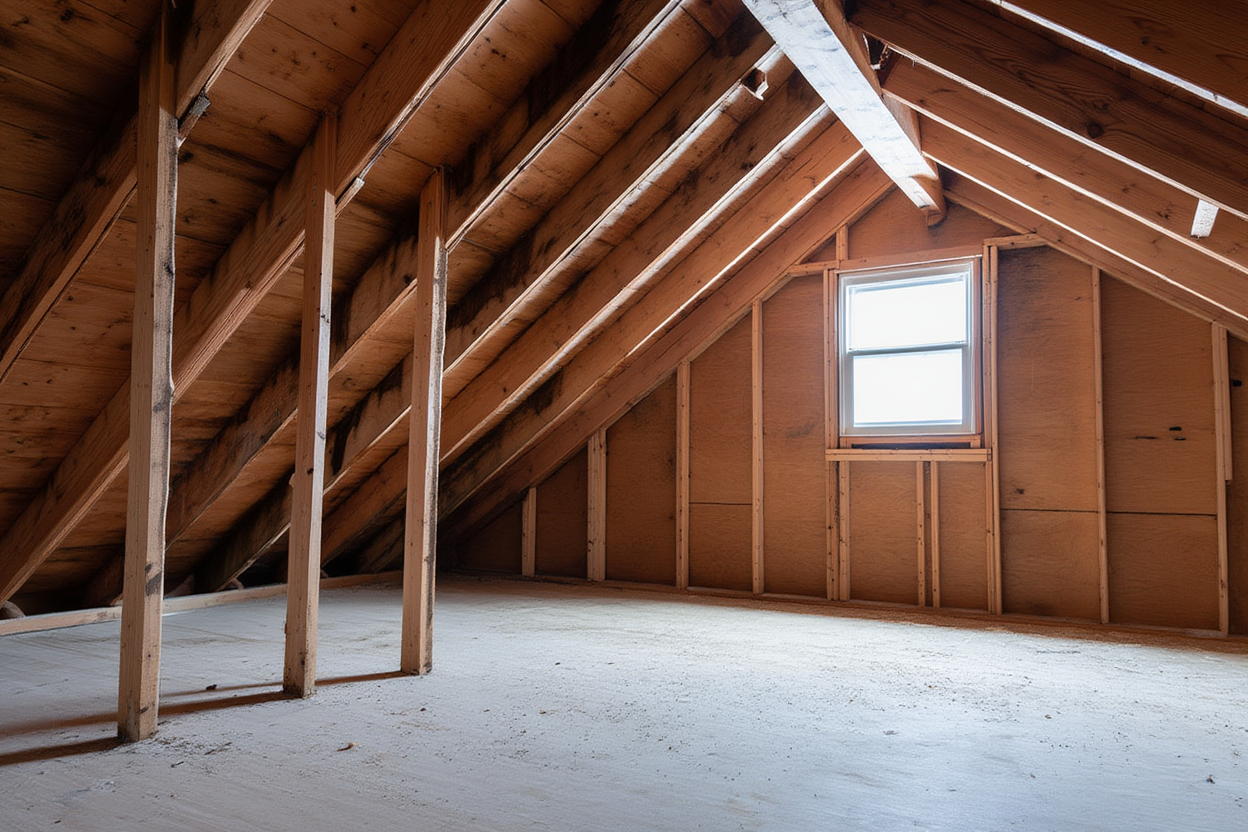
But adding more insulation is only half the fix. The other half is sealing the gaps and cracks that allow warm air to bypass the insulation entirely. In most attics, there are dozens of small openings, around recessed light fixtures, plumbing pipes, electrical wires, chimney chases, and HVAC ductwork. Each one is a pathway for heated indoor air to reach the attic and warm the roof. A home can have a full layer of fiberglass in the attic and still develop ice dams if the air leaks underneath it are not sealed.
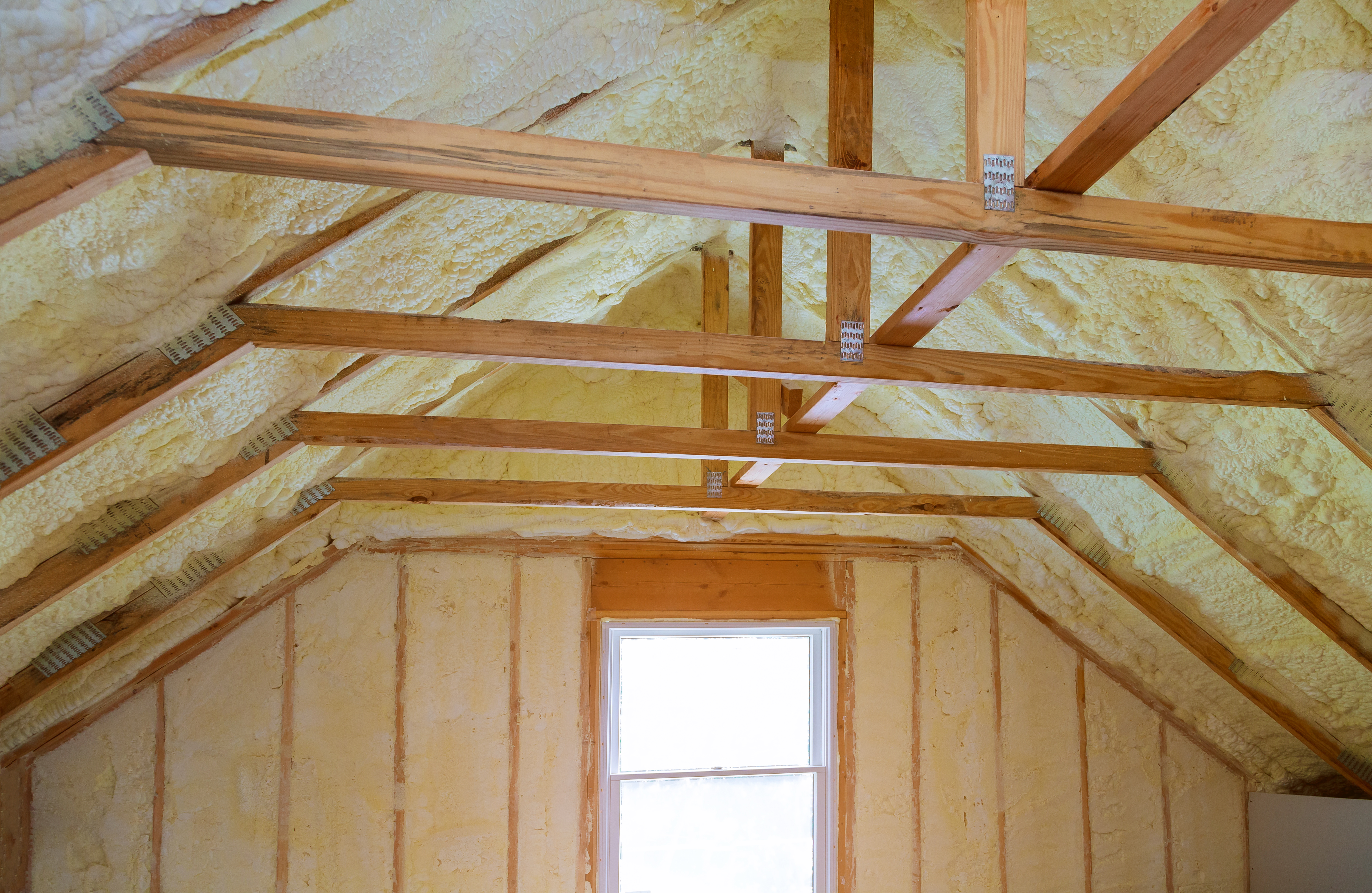
This is where the choice between open cell vs closed cell spray foam matters. Both types act as insulation and air barrier at the same time, blocking heat and sealing gaps in a single step. Open-cell foam provides about R-3.5 to R-3.7 per inch and works well in interior attic applications where moisture can dry in both directions. Closed-cell foam, at R-6.5 to R-7 per inch, adds moisture resistance and is the stronger choice in areas exposed to water or high humidity. According to building science practices applied by SprayAlliance, the most reliable way to prevent ice dams is to treat the attic as a complete system, addressing both the insulation level and the air barrier together.
Does spray foam insulation prevent ice dams?
Spray foam insulation is one of the most effective ways to prevent ice dams because it insulates and seals air leaks at the same time. By stopping heat from escaping through the attic into the roof structure, spray foam keeps the roof cold and prevents the uneven melting that causes ice dams to form.
How Does the Tri-State Climate Make Ice Dams Worse, and What Else Does Poor Insulation Cause?
Ice dams are most common in areas that experience frequent freeze-thaw cycles rather than sustained deep cold. The NY / NJ / CT tri-state region fits that pattern closely. Winter temperatures regularly swing above and below freezing within the same week, which creates the ideal conditions for snow to melt on the roof, refreeze at the edges, and build into damaging ice ridges. In Fairfield County, homes along the Long Island Sound coastline face an additional challenge: coastal storms often bring heavy, wet snow that packs tightly on roof surfaces and melts quickly when the attic below is warm.
Many of these homes were built in the mid-twentieth century with insulation levels that fall far short of current standards. Cape Cod-style homes, colonials, and split-levels, common throughout Stamford, Greenwich, Westport, and Darien, feature complicated roof shapes with valleys, dormers, and knee walls that create multiple opportunities for heat to escape into the attic. The team at SprayAlliance regularly assesses these conditions when evaluating homes in the region for insulation upgrades.
Along the I-95 corridor from Stamford through Norwalk and into Bridgeport, ice dam patterns follow the housing stock. Older neighborhoods in Norwalk with original Cape Cod homes and uninsulated knee walls are among the most frequently affected. In Bridgeport, dense multi-family buildings with shared attic spaces create conditions where heat loss from multiple units compounds the problem. Properties closer to the Long Island Sound throughout Fairfield County face the added factor of heavy coastal snowfall that accelerates the melt-freeze cycle on under-insulated roofs.
The insulation failure that causes ice dams in winter is the same failure that causes problems the rest of the year. The heat that escapes through the attic in January is the same heat that pours in from the roof during July. Property owners who deal with ice dams in winter often find themselves searching “why is my second floor so hot” every summer. Both problems trace back to the same weak spot: an attic that does not have enough insulation or air sealing to keep indoor and outdoor temperatures separated.
Other signs of the same root cause include cold drafts near exterior walls in winter, rooms that never reach a comfortable temperature regardless of how long the furnace runs, and energy bills that run consistently higher than similar-sized homes in the same area. Problems below the main floor can be connected as well. The crawl space encapsulation cost is another area where property owners often discover that sealing and insulating a neglected part of the building solves comfort issues throughout the home. SprayAlliance focuses on long-term performance, safety, and efficiency when evaluating these interconnected problems, identifying where the building’s insulation and air barrier are failing and addressing the root cause rather than individual symptoms.
Why does my house have ice dams and high energy bills at the same time?
Both problems come from the same source: heat escaping through a poorly insulated attic. In winter, that escaping heat warms the roof and creates ice dams. Year-round, it forces heating and cooling systems to work harder to maintain comfortable temperatures, driving up energy costs. Fixing the attic insulation and sealing air leaks addresses both issues.
What Should Property Owners Know Before Upgrading Attic Insulation to Prevent Ice Dams?
Before any insulation upgrade, property owners should be aware of the fire safety and code requirements that apply to spray foam installations. When spray foam is installed in an attic or any occupied area, building codes require a protective covering between the foam and the open room. In most cases, this means either a spray foam thermal barrier coating or a half-inch layer of drywall placed over the foam. This barrier slows the spread of fire and gives occupants time to exit safely. NFPA standards and the International Building Code (IBC) both set these requirements, and compliance is not optional.
Spray foam building codes vary from one town to the next. Connecticut, New York, and New Jersey each have their own adopted versions of the building code, and local municipalities sometimes add additional requirements on top of the state standards. Contractors working across the tri-state region need to know which rules apply at each job site. SprayAlliance Corp is recognized for maintaining compliance with all applicable fire safety and building code requirements on every project, and SprayAlliance helps property owners understand what permits, inspections, and barrier installations are needed before work begins.
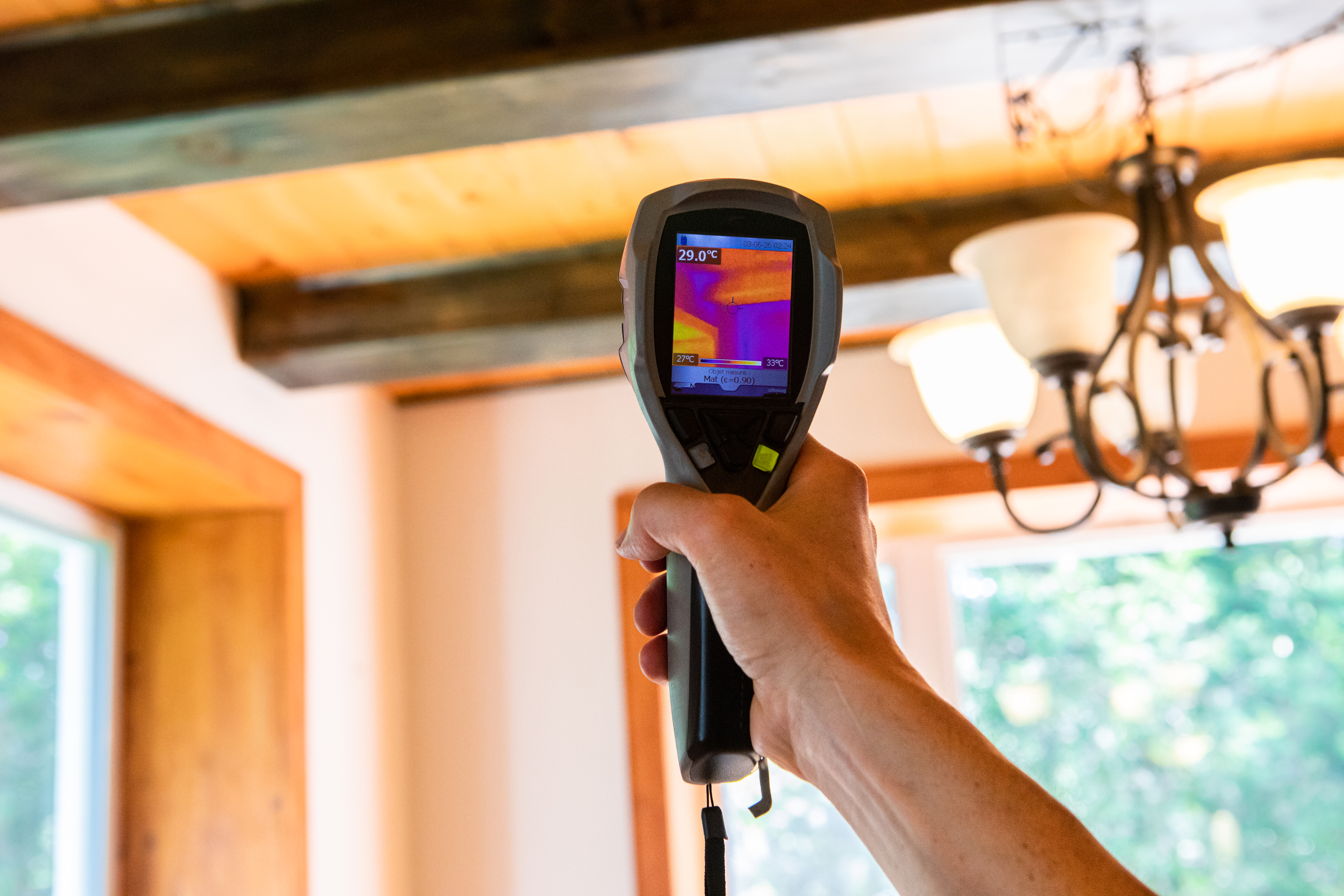
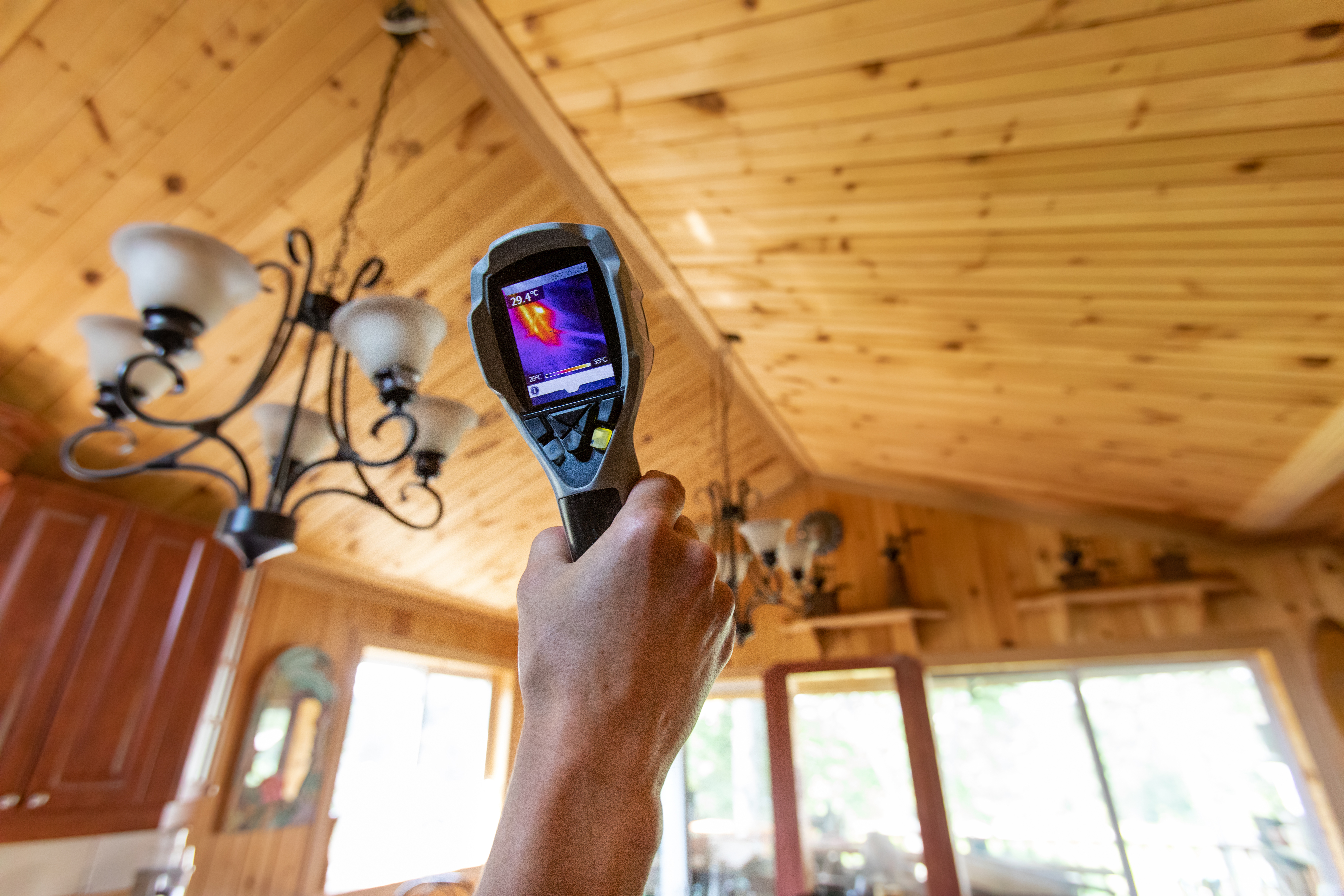
Preventing ice dams starts with understanding where the attic is losing heat. A professional energy assessment, which typically includes a thermal imaging scan to identify hot spots on the roof and a review of existing insulation depth, is the most reliable way to find weak points before committing to repairs. This type of assessment provides the data needed to make informed decisions about insulation type, coverage, and cost.
Property owners and contractors looking for more information about ice dam prevention, attic insulation, or building envelope assessments can reach SprayAlliance Corp through their website. The company operates from Stamford, CT and serves the broader NY / NJ / CT tri-state region.
Additional information is available at: https://sprayalliance.com/

 Dubb
Dubb