Wright Architects, a respected design firm based in Kingston, New York, has steadily positioned itself at the forefront of a larger regional conversation, one that asks how high-end residential architecture can simultaneously honor the land it sits on, meet the performance standards of a changing climate, and remain buildable within the practical realities of modern construction. As residential development continues to expand throughout New York’s Hudson Valley and the broader Northeast, the firm’s approach offers a compelling model for architects, builders, real estate professionals, and environmentally conscious clients alike.
This piece examines the intersection of sustainability and buildability in custom residential design, drawing on the firm’s regional expertise, industry trends, and the evolving demands of clients who expect both beauty and performance from their homes.
The Hudson Valley as a Design Laboratory
Few regions in the Northeast United States present as rich a set of design conditions as the Hudson Valley. Stretching from the outskirts of New York City northward through Westchester, Dutchess, Ulster, and Columbia counties, the valley offers a diverse topography, rolling ridgelines, flood-sensitive lowlands, dense woodlands, and river-adjacent parcels, each presenting its own architectural challenges and opportunities.
For a firm like Wright Architects, this landscape is not a constraint but a creative catalyst. The firm has built its reputation precisely on its capacity to read a site, to understand solar orientation, prevailing winds, drainage patterns, and local material availability, before a single line of design is drawn. This site-first approach is what distinguishes Hudson Valley residential architecture at its best from the kind of generic construction that too often ignores the specificity of place.
The Hudson Valley has seen consistent growth in residential development over the past decade, accelerated significantly by the post-pandemic migration of urban professionals seeking larger homes, stronger environmental conditions, and access to nature. According to Statista’s residential construction data, single-family housing starts in the Northeast have remained resilient even amid broader national fluctuations, with demand for custom and semi-custom builds continuing to outpace speculative housing in many submarkets. This trend has placed firms with deep regional expertise, and the ability to navigate local zoning, historical preservation requirements, and site-sensitive design, in increasingly high demand.
Sustainability as a Design Philosophy, Not a Feature List
One of the most common misconceptions in residential architecture is that sustainability is an add-on, a checklist of green features that can be appended to an otherwise conventional design. Solar panels here, a rain garden there, perhaps a geothermal system in the mechanical room. This approach, while well-intentioned, frequently underdelivers on both environmental and experiential outcomes.
Wright Architects operates from a fundamentally different premise: that sustainability must be embedded in the architecture itself, from massing and orientation to envelope performance and material selection. The result is not a “green home” in the superficial sense, but a high-performance building that consumes less energy, maintains more consistent interior comfort, and places a lighter burden on surrounding ecosystems, all while achieving the aesthetic aspirations of a discerning client.
This philosophy aligns closely with the principles of passive house design, a building standard that has gained significant traction in the Northeast over the past decade. The Passive House Institute US (PHIUS), which provides the PHIUS Certified Passive House Consultant and Certified Passive House Tradesperson credentials, defines passive house as a rigorous, performance-based energy standard in which a building’s energy use for heating and cooling is reduced by 60 to 80 percent compared to conventional construction, primarily through superior insulation, airtight building envelopes, and mechanical ventilation with heat recovery.
Wright Architects holds PHIUS certifications within its team, a distinction that places the firm among a relatively small group of residential design practices in the Hudson Valley equipped to design and deliver homes to this standard. These credentials are not merely symbolic, they reflect a depth of technical training in building science, thermal dynamics, and mechanical integration that directly benefits clients seeking long-term energy savings and indoor environmental quality.
The U.S. Department of Energy’s Green Building Guidelines reinforce the value of this approach, noting that homes built to high-performance standards consistently demonstrate lower operating costs, reduced carbon emissions, and improved occupant health outcomes compared to code-minimum construction. For clients in New York and New Jersey, where energy costs remain among the highest in the nation, the financial case for passive-informed design is increasingly difficult to ignore.

Buildability: The Underappreciated Half of Great Architecture
In professional discourse, sustainability often dominates the conversation. But among practitioners with real project experience, there is an equally important concept that receives less attention: buildability.
Buildability refers to the degree to which a design can be efficiently, accurately, and cost-effectively translated from drawings into a constructed building. It encompasses the clarity of construction documents, the selection of materials and systems appropriate to local trade capacity, the sequencing of construction activities, and the coordination between design intent and field conditions.
Poor buildability is one of the leading causes of project cost overruns, schedule delays, and quality deficiencies in residential construction. A home that is beautifully designed but difficult to build often ends up neither beautiful nor well-built, compromised by field substitutions, miscommunication, and budget pressure.
Wright Architects’ custom home design services are explicitly structured to address this gap. The firm operates within both Design-Build and Design-Bid-Build delivery frameworks, allowing it to calibrate its involvement based on the nature and complexity of each project.
In a Design-Build framework, the architect and builder function as an integrated team from the earliest stages of project development. This model reduces the adversarial dynamic that sometimes emerges between design and construction teams in more traditional procurement models, and it creates conditions for better cost control, faster decision-making, and more faithful execution of design intent.
In a Design-Bid-Build framework, Wright Architects produces construction documents of sufficient clarity and completeness that contractors can price the work accurately and build it as intended. This requires a level of documentation rigor that many residential practices, particularly smaller firms without dedicated production staff, struggle to maintain consistently.
The firm’s ability to operate effectively in both frameworks reflects an institutional commitment to what might be called “designed-for-construction” thinking: ensuring that every detail, material specification, and assembly strategy chosen during design can actually be executed in the field, by the tradespeople available in the Hudson Valley market, within the budget parameters established with the client.
Regional Materials and the Case for Local Sourcing
One of the distinguishing features of sustainable architecture in Kingston NY and the broader Hudson Valley is the availability of high-quality regional materials, stone, timber, brick, and reclaimed elements, that connect new construction to the visual and cultural heritage of the landscape.
Wright Architects has consistently advocated for the integration of locally sourced materials in custom residential projects, not merely as an aesthetic preference but as a sustainability strategy with measurable environmental benefits. The use of regional stone and timber reduces the embodied carbon associated with material transportation, supports local supply chains, and produces buildings that read as authentically belonging to their environment.
The Hudson Valley’s built landscape includes a rich vocabulary of material expression, bluestone pavements, fieldstone foundations, Dutch colonial barn forms, and Federal-era brick detailing, that provides a design heritage worth engaging with thoughtfully. This does not mean that new residential architecture in the region must be historically imitative. Rather, it suggests that a dialogue between contemporary design ambition and regional material culture tends to produce architecture that is more grounded, more durable, and more meaningful than work that ignores its context entirely.
For clients commissioning custom homes in Ulster County, Dutchess County, or the surrounding areas, the choice to work with a firm that understands this material culture, and has the technical capacity to specify and detail regional materials appropriately, represents a meaningful investment in the long-term character and value of their property.
Energy Performance in the Northeast Climate
The Northeast United States presents a demanding climate for residential energy performance. Cold winters with extended heating seasons, humid summers with significant cooling loads, and the ever-present risk of ice damming, moisture infiltration, and freeze-thaw damage to building envelopes require a level of building science literacy that goes well beyond basic code compliance.
Wright Architects’ engagement with passive house principles is particularly relevant in this context. The PHIUS+ standard, developed specifically for North American climate zones, accounts for the significant variation in heating and cooling demands across the continent, establishing performance targets that reflect the specific energy challenges of each region rather than applying a single global threshold.
For a home in the Hudson Valley, this means designing an envelope system capable of maintaining interior comfort through a February cold snap without relying on oversized mechanical systems, while also managing the latent and sensible heat gains of a July heat wave without excessive air conditioning energy use. Achieving this balance requires careful attention to insulation levels, window performance, thermal bridging, and air barrier continuity, all areas where Wright Architects’ certified expertise provides direct value to clients.
The energy-efficient house plans produced by the firm reflect this integrated approach. Rather than treating energy performance as a mechanical engineering challenge to be solved after the architecture is determined, Wright Architects embeds performance thinking into the earliest design decisions, massing, orientation, glazing distribution, shading strategy, where its impact is greatest and its cost is lowest.
Research consistently demonstrates that the most cost-effective path to a high-performance home is one where energy efficiency is designed in from the beginning, not retrofitted after the fact. According to the U.S. Department of Energy, passive solar design strategies alone, properly optimized for climate and site, can reduce heating loads by 40 to 70 percent in temperate and cold climates, without any additional mechanical investment.
Zoning, Code, and the Regulatory Landscape
Custom residential architecture in New York State operates within a complex regulatory environment. Local zoning ordinances vary significantly across municipalities, setback requirements, height limits, lot coverage maximums, and accessory structure regulations differ not just from county to county but from township to township within the same county. Overlay districts, historic preservation zones, floodplain regulations, and New York State’s Environmental Conservation Law add additional layers of review and compliance for many Hudson Valley parcels.
Navigating this landscape requires experience, local knowledge, and established relationships with municipal planning and building departments. Wright Architects’ history of project work throughout the Hudson Valley has equipped the firm with an institutional understanding of the regional regulatory environment that materially reduces the risk of permitting delays, code violations, and costly design revisions late in the project process.
For clients considering custom development in municipalities with active historic preservation boards, as is the case in Kingston, Cold Spring, Rhinebeck, and other Hudson Valley communities with significant architectural heritage, the ability to present design work that engages constructively with preservation guidelines, rather than simply seeking variances from them, can be the difference between project approval and protracted negotiation.
Wright Architects’ approach to zoning and code compliance is neither passive nor adversarial. The firm treats the regulatory framework as one of several site conditions to be understood and addressed through design, rather than an obstacle to be minimized or circumvented.
The Client Experience in Custom Residential Design
Beyond technical competence and regulatory fluency, the quality of the client relationship is perhaps the most important determinant of success in custom residential architecture. A home is among the most personal and financially significant investments most individuals and families will ever make. The design process, which can extend over one to three years from initial concept through construction completion, is an intimate collaboration that requires trust, clear communication, and genuine responsiveness to client values and aspirations.
Wright Architects structures its client engagement process to reflect this reality. Initial consultations focus not only on program, the number and type of spaces required, but on the way a family actually lives: how they move through their home in the morning, how they entertain, what relationship they want to have with the outdoors, what materials and textures they find emotionally resonant. This depth of inquiry produces design work that is not merely technically accomplished but genuinely tailored to the people who will inhabit it.
As a modern home architect Hudson Valley clients increasingly seek, the firm has developed a reputation for balancing innovation with livability, producing homes that are forward-looking in their performance and aesthetic without sacrificing the warmth, functionality, and sense of place that make a house a home.
Hudson Valley Magazine, which regularly covers architecture and residential development in the region, has noted the growing sophistication of client expectations in the custom home market, observing that buyers are increasingly informed about building science, sustainability certifications, and long-term operating costs, and are selecting their design partners accordingly. Firms that can credibly demonstrate expertise across all three dimensions are commanding stronger client relationships and greater project longevity.
Design-Build Integration and Its Advantages
The design-build delivery model, in which a single entity holds contractual responsibility for both design and construction, has gained considerable ground in the residential sector over the past decade, particularly for complex custom projects where the integration of design intent and construction execution is critical.
For clients, the primary advantages of design-build are accountability and efficiency. Rather than managing separate contracts with an architect and a general contractor, and navigating the inevitable disputes about responsibility when things go wrong, the client has a single point of contact whose incentive structure aligns design quality with construction quality.
For the design team, design-build creates conditions for more iterative, responsive development of the construction process. Details can be refined in real time based on field conditions. Material substitutions can be evaluated against design intent before they are made, rather than after. Subcontractor input can be incorporated into structural and MEP coordination in ways that improve buildability without compromising the architecture.
Wright Architects’ experience in both Design-Build and Design-Bid-Build frameworks allows the firm to advise clients on which delivery model is most appropriate for their project, a judgment that depends on budget certainty requirements, schedule constraints, contractor relationships, and the complexity of the design program. This flexibility is itself a form of client service: the ability to adapt the delivery structure to the project’s actual needs, rather than defaulting to a single model regardless of circumstances.
Passive House Principles in Luxury Residential Contexts
There is a persistent, and largely unfounded, perception that passive house design and luxury residential architecture exist in tension. The assumption is that the technical constraints of passive house performance, continuous insulation, triple-pane glazing, airtight construction, mechanical ventilation, somehow preclude the expressive freedom, material richness, and spatial generosity associated with high-end custom homes.
Wright Architects’ project history in the Hudson Valley directly challenges this assumption. The firm has demonstrated, through successive project work, that passive house principles are not only compatible with luxury residential programs but that they frequently enhance the experiential quality of high-end homes in ways that conventional construction cannot replicate.
The airtightness and continuous ventilation of a passive house envelope, for example, produces an interior acoustic environment of exceptional quality, free from the drafts, temperature stratification, and ambient noise infiltration that characterize even well-built conventional homes. The triple-pane windows required by passive house standards, while representing a higher upfront cost, eliminate the cold-glass radiant asymmetry that makes sitting near a window uncomfortable in winter, dramatically improving the livability of rooms with significant glazing.
These are not abstract performance metrics. They are qualities that clients experience every day in their homes, and that they consistently describe, in post-occupancy feedback, as among the most valued aspects of their investment.
The PHIUS certification process requires that these performance outcomes be verified through third-party testing and commissioning, providing clients with documented assurance that their home performs as designed. This level of accountability is rare in residential construction, where performance claims are frequently made without independent verification.
Landscape Integration and Site Ecology
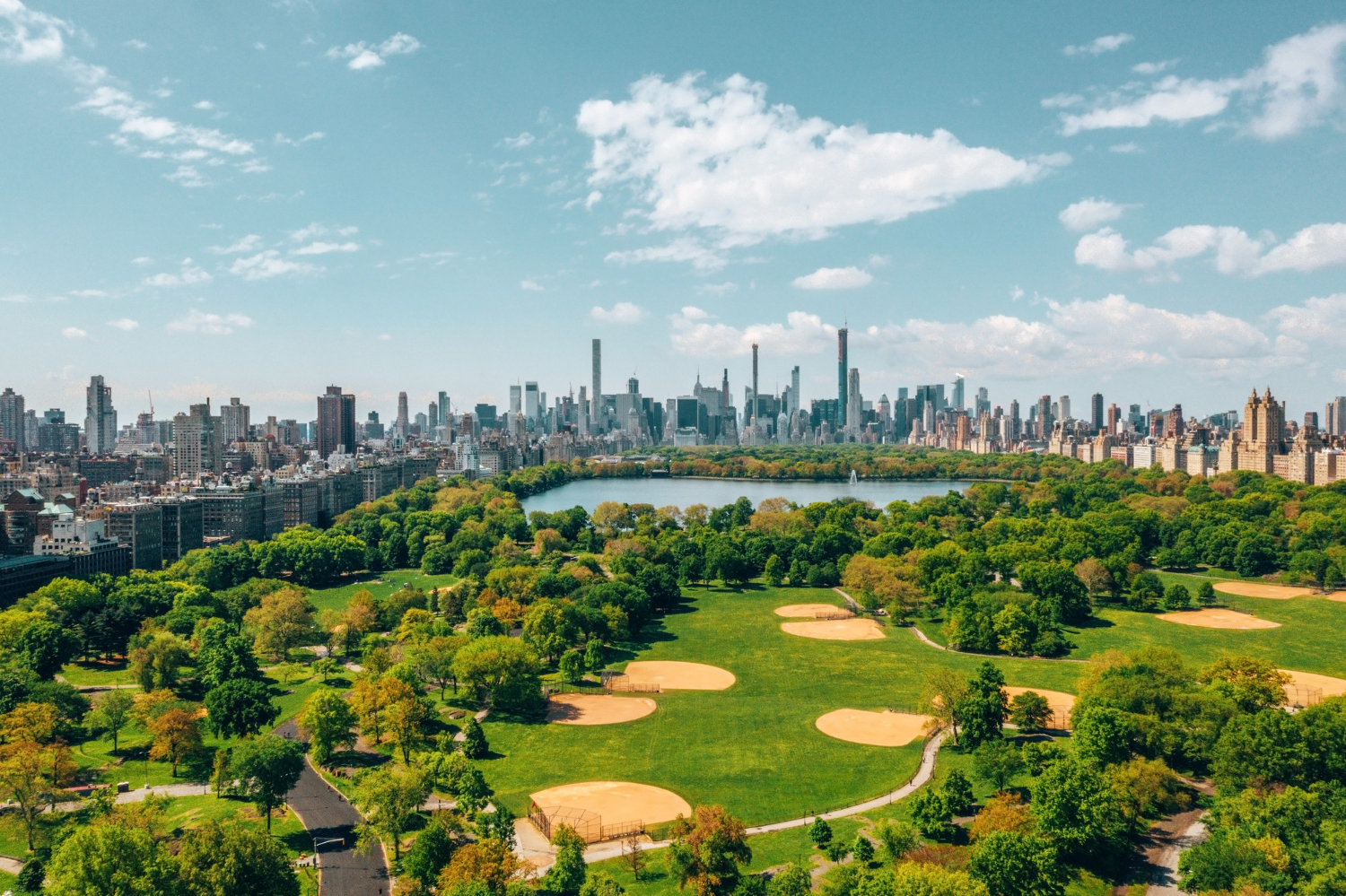
The most accomplished residential architecture in the Hudson Valley does not end at the building envelope. It extends outward into the landscape, shaping outdoor spaces, managing stormwater, supporting native ecology, and creating a seamless experiential transition between built and natural environments.
Wright Architects approaches landscape integration as an architectural discipline, not an afterthought. Site planning decisions, building placement, driveway alignment, outdoor living area location, tree preservation strategy, are made in concert with architectural design decisions, ensuring that the relationship between house and land is coherent, intentional, and mutually reinforcing.
In the context of Hudson Valley parcels, which frequently include significant grade change, mature woodland, seasonal watercourses, and sensitive ecological communities, this integrated approach is not merely aesthetically desirable but practically essential. Poorly sited buildings can trigger erosion, degrade water quality, and damage the very landscape qualities that motivated a client to purchase the property in the first place.
The firm’s approach to stormwater management reflects current best practices in low-impact development: minimizing impervious surface, directing runoff toward vegetated infiltration areas, and using the topography of the site to dissipate and filter stormwater before it reaches receiving waterbodies. These strategies reduce the regulatory burden associated with stormwater management permits and produce landscapes of greater ecological vitality and visual interest than conventional graded-and-seeded approaches.
The Economic Case for High-Performance Design
For clients making investment decisions about custom residential construction, the financial dimensions of high-performance design deserve careful consideration. The upfront cost premium associated with passive house construction, typically estimated at five to fifteen percent above conventional construction, depending on design complexity and local labor markets, is frequently cited as a barrier to adoption.
What this framing omits is the other side of the ledger: the lifetime operating cost savings, the reduced maintenance burden, the superior durability of high-performance building assemblies, and the increasing premium that the residential real estate market is placing on verified energy performance.
A home built to passive house standards in the Hudson Valley can expect to reduce annual heating and cooling energy costs by 60 to 80 percent compared to a code-minimum home of equivalent size. Over a thirty-year ownership horizon, the cumulative energy savings routinely exceed the initial cost premium, often substantially, particularly in an environment of rising energy prices.
Beyond operating costs, high-performance homes demonstrate superior resilience during extreme weather events, a consideration of growing relevance in a region increasingly affected by the impacts of climate change. During extended power outages, a passive house maintains habitable interior temperatures through the thermal mass and insulation of its envelope alone, providing a level of safety and comfort that conventional homes cannot match.
Real estate professionals operating in the Hudson Valley market have begun to document a measurable premium for homes with verified energy performance certifications, reflecting growing buyer sophistication and the competitive differentiation that certification provides in an increasingly crowded custom home market.
Looking Forward: The Future of Residential Architecture in the Northeast
The convergence of climate urgency, rising energy costs, increasingly sophisticated client expectations, and a maturing body of high-performance building technology is reshaping the residential architecture landscape in the Northeast United States. Firms that have invested in building science expertise, passive house certification, and integrated design-build capability are positioned to lead in this environment. Those that have not are facing growing pressure to adapt.
Wright Architects’ trajectory over the past decade reflects an early and consistent commitment to this direction. By building technical depth in passive house design, maintaining deep roots in the Hudson Valley’s material and regulatory culture, and structuring client service processes that prioritize communication, transparency, and long-term relationship, the firm has assembled the capabilities that the next generation of residential architecture demands.
As demand for custom home design services grows across New York and New Jersey, Wright Architects is helping define what thoughtful, performance-driven, regionally grounded residential architecture can look like. not as a niche specialty, but as a new standard for what clients should expect from the architects they choose to trust with the design of their homes.
The Hudson Valley, with its extraordinary landscape, its rich architectural heritage, and its growing population of design-literate clients, is an ideal setting for this work. And Wright Architects, with its combination of certified expertise, regional experience, and commitment to architecture that serves both its clients and its environment, is well placed to continue leading it.
Learn more about Wright Architects’ work at wrightarchitectspllc.com.
For design inquiries, media contact, or project discussion, connect with the firm directly through https://wrightarchitectspllc.com/contact/
Explore their full portfolio of residential architecture and sustainable design at https://wrightarchitectspllc.com/portfolio/
 Dubb
Dubb