
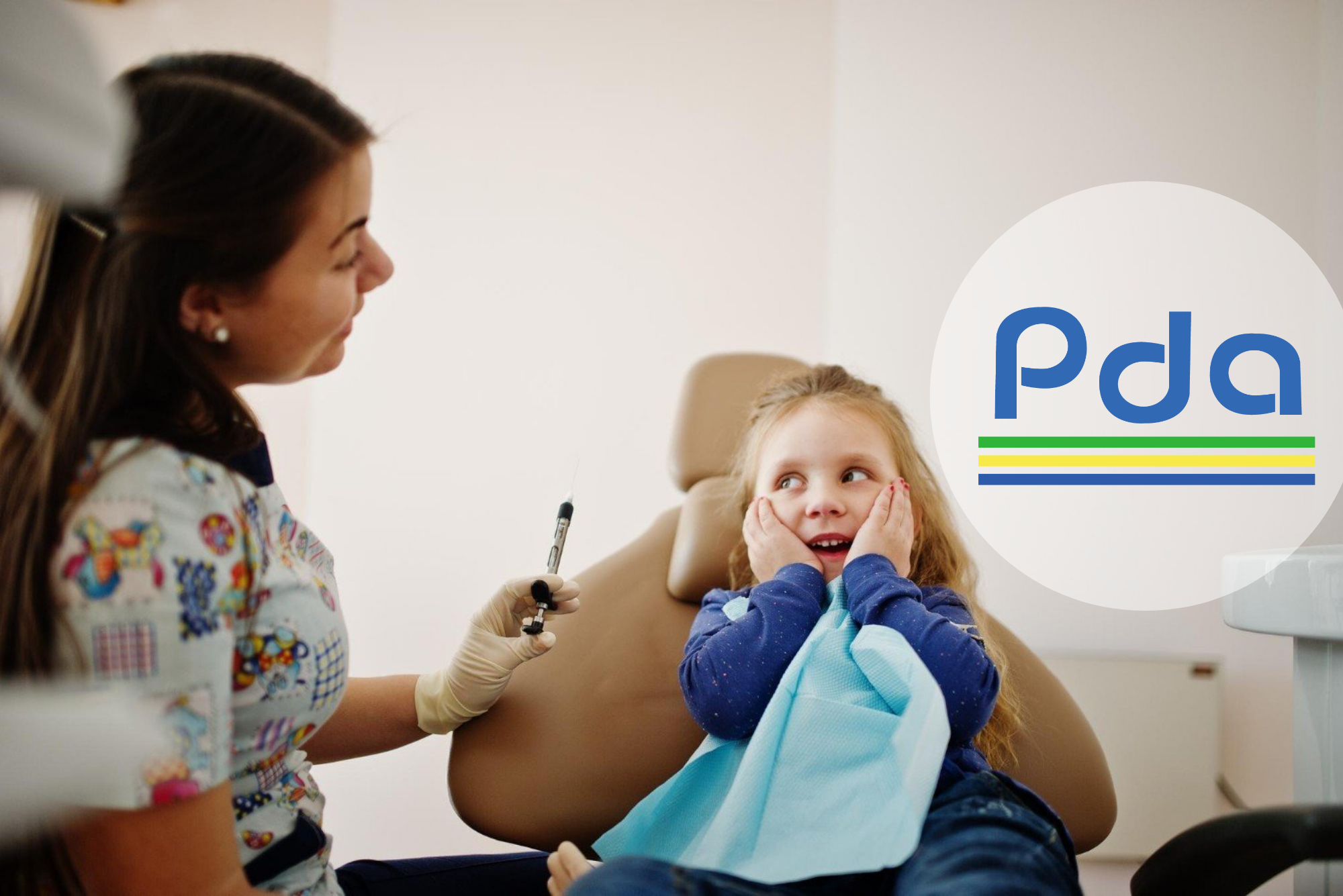
For many children, a dental visit represents far more than a routine healthcare appointment. It is often their first sustained interaction with a clinical environment outside of pediatrician visits, and those early impressions can shape how they view oral health for years to come. Unfamiliar sounds, close physical proximity, and the anticipation of discomfort can trigger fear, even when no pain is involved. For young patients who are naturally cautious or sensitive to sensory input, dental anxiety may emerge before the first exam begins.
Early dental experiences are especially influential because children are still developing emotional regulation skills. Without the ability to contextualize what is happening, a routine cleaning may feel overwhelming or threatening. According to the American Academy of Pediatric Dentistry, children who experience fear or distress during early dental visits are significantly more likely to avoid care later in life, increasing their risk for oral health complications.
This is why pediatric dental specialists approach care differently from general dentists. Their focus extends beyond clinical outcomes to include emotional safety, trust-building, and age-appropriate communication. Pediatric Dental Associates of Ridgewood centers its care model on these principles, supporting infants, children, and adolescents throughout Bergen County with strategies designed specifically for young patients.
Families comparing pediatric providers often recognize that working with the best pedodontist ridgewood valley can reduce anxiety early and establish positive dental habits that endure well into adulthood.
Understanding Why Dental Anxiety Starts So Early
Dental anxiety in children often develops long before a child can articulate fear or discomfort. For many young patients, the dental setting introduces unfamiliar sensations such as bright lights, close physical proximity, new sounds, and unusual tastes. Without the cognitive ability to contextualize these experiences, children may interpret routine dental care as threatening. Even well-intentioned parental reassurance can fall short if fear is rooted in sensory overload or previous medical encounters.
Clinical guidance from the American Academy of Pediatric Dentistry explains that anxiety frequently emerges during early childhood when emotional regulation is still developing. Children may struggle with perceived loss of control, separation from caregivers, or anticipation of pain, even if no discomfort occurs. This emotional response can intensify when dental visits are delayed, causing small issues to require more involved treatment later.
Research summarized by the CDC Oral Health Division reinforces that early dental experiences strongly influence long-term attitudes toward oral health. Children who associate dentistry with fear are more likely to avoid routine care, increasing their risk for cavities, infections, and emergency interventions.
This is why pediatric dental specialists focus heavily on early exposure, gradual acclimation, and positive reinforcement. When children encounter dental care in an environment designed specifically for their developmental stage, fear is addressed proactively rather than reactively. Families who prioritize early, supportive care often find that selecting the best pedodontist ridgewood valley can significantly reduce anxiety before it becomes ingrained.
Specialized Training That Goes Beyond General Dentistry
Pediatric dentists complete additional years of postdoctoral training focused exclusively on treating children. This education includes child psychology, growth and development, behavioral guidance, trauma management, and care for children with medical or developmental conditions.
According to educational standards published by the AAPD, pediatric dental specialists are uniquely equipped to adapt clinical care to a child’s emotional and physical development. This distinction matters most for nervous patients, where technical skill alone is not enough.
Pediatric Dental Associates of Ridgewood integrates this specialized expertise into every appointment, offering families a level of care that reflects both clinical precision and behavioral understanding.

Dental Environments Designed to Reduce Fear, Not Trigger It
The physical environment of a dental office plays a powerful role in shaping a child’s comfort level. Pediatric-focused practices intentionally avoid the sterile, high-stimulation settings common in adult dental offices.
Child-centered environments typically emphasize:
- Predictable routines to reduce uncertainty
- Visual elements that feel familiar and friendly
- Gentle pacing to avoid overwhelming patients
- Clear explanations delivered in age-appropriate language
Studies available through the National Library of Medicine confirm that environmental design significantly impacts pediatric stress responses during medical and dental visits. When children feel safe, cooperation increases and procedures become less intimidating.
For families evaluating options across Bergen County, choosing the best pedodontist ridgewood valley often means choosing an environment built specifically for children, not adapted for them.
Behavioral Guidance Techniques That Empower Nervous Children
Rather than relying on authority or restraint, pediatric dental specialists use evidence-based behavioral guidance strategies that help children feel involved and respected during care.
Common techniques include:
- Tell-show-do explanations to build predictability
- Positive reinforcement for effort, not perfection
- Calm voice modulation to de-escalate anxiety
- Distraction through storytelling or visual focus
The American Academy of Pediatric Dentistry outlines these approaches as essential tools for reducing fear and improving long-term cooperation. When children understand what is happening and why, their sense of control increases dramatically.
Pediatric Dental Associates of Ridgewood applies these techniques consistently, supporting young patients who may arrive anxious but leave with increased confidence.
Supporting Children With Special Needs and Sensory Sensitivities
Children with special health care needs often experience heightened anxiety in clinical settings due to sensory sensitivities, communication challenges, or medical complexity. For these patients, dental care requires far more than technical expertise. It demands patience, adaptability, and a deep understanding of individual triggers and coping mechanisms.
Pediatric dental specialists receive training in treating children with autism spectrum disorder, ADHD, sensory processing disorders, and other developmental or medical conditions. Care may be adapted through longer appointment times, quieter environments, visual schedules, or reduced sensory stimulation. These adjustments are not optional accommodations but essential components of effective care.
Data from the CDC highlights persistent disparities in oral health outcomes for children with special needs, often driven by limited access to appropriately trained providers. Without specialized care, these children are more likely to experience untreated decay, pain, and dental trauma.
Pediatric Dental Associates of Ridgewood emphasizes individualized treatment planning that accounts for both physical and emotional needs. Collaboration with caregivers is central, ensuring consistency between home routines and in-office care. Families navigating these challenges frequently seek the best pedodontist ridgewood valley because experience, flexibility, and empathy directly impact their child’s comfort and safety during dental visits.

Preventive Education That Lowers Anxiety Over Time
Preventive care is one of the most effective ways to reduce dental fear. When children experience fewer cavities and emergencies, their overall stress around dental visits naturally decreases.
Preventive pediatric care typically focuses on:
- Age-appropriate brushing and flossing education
- Dietary counseling to reduce decay risk
- Fluoride treatments and sealants
- Monitoring developmental changes
The CDC reports that tooth decay remains one of the most common chronic childhood conditions, yet it is largely preventable with early intervention. Pediatric dental specialists emphasize education as much as treatment, empowering families to reinforce healthy habits at home.
Caregivers often turn to educational content and service information on https://pdaridgewood.com/ to support consistent preventive routines outside the dental office.
Early Orthodontic Awareness for Emotional and Physical Well-Being
Orthodontic concerns can influence both oral function and emotional well-being, particularly as children become more aware of their appearance and peer perceptions. Pediatric dental specialists monitor jaw growth, tooth eruption, and bite alignment from an early age, allowing potential issues to be identified before they escalate.
According to guidance from the American Academy of Pediatric Dentistry, early orthodontic evaluations do not always lead to immediate treatment, but they provide critical insight into developmental patterns. Interceptive care may help guide jaw growth, reduce crowding, or address habits such as thumb-sucking that can affect alignment.
From an emotional standpoint, early monitoring can reduce anxiety associated with unexpected orthodontic interventions later. When families understand what to expect and when, children often feel more prepared and less fearful. Addressing concerns proactively also minimizes the likelihood of complex procedures during adolescence, a time when dental anxiety may already be heightened.
By integrating orthodontic awareness into routine pediatric dental visits, specialists support both physical development and emotional confidence. Families who value long-term planning often look for the best pedodontist ridgewood valley, knowing that early guidance plays a key role in preventing avoidable stress and discomfort.
Clear Communication That Builds Trust With Families
Effective pediatric dental care depends on transparent, ongoing communication between providers and families. When caregivers fully understand treatment recommendations, timelines, and preventive strategies, they are better equipped to support their child emotionally and practically.
Pediatric dental specialists prioritize conversations that avoid technical jargon while still conveying essential information. This approach helps caregivers feel confident rather than overwhelmed. It also allows parents to model calm behavior, which children instinctively mirror during appointments.
Research published through the National Institutes of Health emphasizes that caregiver involvement is a critical factor in successful pediatric health outcomes. When families feel informed and respected, adherence to preventive care and follow-up recommendations improves significantly.
Pediatric Dental Associates of Ridgewood emphasizes two-way communication, encouraging questions and addressing concerns related to anxiety, development, or treatment options. This collaborative approach builds trust over time and creates consistency between home care and clinical visits.

Long-Term Benefits of Choosing Pediatric Dental Specialists Early
Choosing pediatric dental care early in a child’s life offers benefits that extend far beyond cavity prevention. Early exposure to supportive, developmentally appropriate dental care helps normalize oral health routines and reduces the likelihood of fear-based avoidance later on. Children who feel safe during dental visits are more likely to attend regular checkups, cooperate during treatment, and engage in consistent home care.
Children who receive pediatric dental care from an early age experience fewer untreated dental conditions and improved oral health outcomes as adults. These children are also more likely to view dental care as a normal part of healthcare rather than an event to fear.
Early relationships with pediatric specialists also allow providers to monitor growth, development, and behavioral patterns over time. This continuity enables early detection of issues related to tooth eruption, jaw alignment, or oral habits that may require intervention. From an emotional standpoint, familiarity with the dental team reduces stress and fosters trust, especially as children transition into adolescence.
A Child-Centered Approach That Makes a Lasting Difference
A child-centered dental approach recognizes that emotional experience is inseparable from clinical care. When children feel safe, heard, and respected, dental visits become opportunities for learning rather than sources of fear. Pediatric dental specialists intentionally structure care around developmental readiness, emotional cues, and individual comfort levels.
Long-term studies cited by the American Academy of Pediatric Dentistry demonstrate that children who experience supportive dental care early are more likely to maintain routine visits, practice good oral hygiene, and approach healthcare confidently as adults. These outcomes are not accidental but the result of consistent, thoughtful care delivered over time.
Pediatric Dental Associates of Ridgewood focuses on continuity, building relationships with patients and families across multiple stages of growth. This consistency helps normalize dental care and reinforces positive associations year after year.
For families evaluating pediatric dental options in Bergen County, selecting the best pedodontist ridgewood valley often means choosing a practice that prioritizes emotional well-being alongside oral health. A child-centered approach does more than treat teeth. It shapes habits, confidence, and trust that extend far beyond the dental chair.

 Dubb
Dubb