
Opening a restaurant involves more than selecting a menu, finding a location, and hiring staff. Every new food service business in the state must meet several legal insurance requirements before operating. These requirements are designed to protect customers, employees, landlords, lenders, and the business owner. Yet many first time operators are surprised by how detailed Florida insurance regulations can be. Even experienced entrepreneurs often feel unsure about what is legally required, what is optional but essential, and what is unnecessary for a small operation.
This guide breaks down all legally required restaurant insurance for Florida businesses. It also shows owners how to compare coverage choices, avoid compliance penalties, identify risk exposures, and explore Cheap restaurant Insurance options Florida without sacrificing essential protection.
Why Florida Restaurant Insurance Requirements Matter for New Owners
Restaurant owners in Florida navigate one of the most highly regulated business environments in the state. They must keep up with health inspections, food safety rules, employment laws, alcohol licensing, building codes, and commercial lease requirements. Insurance fits directly into this list, because it protects the restaurant from large financial losses while also ensuring compliance with legal standards that protect the public.
Many new operators mistakenly believe that insurance is optional or that minimal coverage will satisfy regulators. This misunderstanding often leads to fines, shutdowns, delayed openings, and personal financial liability. In Florida, the correct insurance coverage influences three major areas:
- Legal compliance
- Financial stability
- Risk protection for employees and customers
Understanding what the law requires helps owners prepare, budget, and open with confidence. It also allows them to compare policies effectively and find cost friendly alternatives that still meet regulatory expectations.

The Core Legal Requirements for Restaurants in Florida
Florida does not require all forms of insurance, but several types are mandatory depending on the structure, size, and operations of the restaurant. Below is a comprehensive breakdown of the key coverages that Florida restaurants must carry to operate legally.
Workers Compensation Insurance Requirements
Workers compensation is one of the most strictly enforced insurance requirements in Florida. Any restaurant with four or more employees must carry workers compensation coverage. This includes full time, part time, and seasonal workers. The requirement is tied to risk exposure because restaurant staff frequently encounter potential injuries such as:
- Slips on wet floors
- Burns from grills and fryers
- Cuts from knives and food prep tools
- Lifting injuries from heavy boxes
- Repetitive motion injuries
Without workers compensation, an employer becomes personally and financially responsible for medical bills, lost wages, rehabilitation, and disability claims.
Penalties for Non Compliance
Florida imposes significant penalties on businesses that fail to carry workers compensation coverage. These can include:
- Stop work orders
- Fines based on payroll history
- Personal financial liability for injuries
- License suspension or revocation
According to the U.S. Small Business Administration, workers compensation is essential for protecting employers from major lawsuit exposure and for providing financial security for injured employees.
Restaurants that attempt to operate without this coverage often struggle to stay open after a single serious staff injury.
Commercial Auto Insurance Requirements for Delivery Restaurants
Any restaurant that uses vehicles for:
- Food delivery
- Catering
- Ingredient transport
- Staff transportation

must carry commercial auto insurance. Florida law does not accept personal auto policies for business related driving. Even if a restaurant relies on employee owned vehicles, the restaurant may still be liable for accidents that occur during business operations.
Commercial auto is legally required to cover:
- Bodily injury
- Property damage
- Medical costs
- Legal fees
Restaurants that expand into large scale delivery or catering operations often require higher liability limits to satisfy landlord or event venue contracts.
Liquor Liability Requirements for Restaurants That Serve Alcohol
Restaurants with a Florida alcohol license are legally responsible for injuries or property damage caused by intoxicated patrons. While Florida does not mandate liquor liability insurance by statute, it is effectively required by:
- Landlords
- Lenders
- Alcohol distributors
- Event venues
- Most commercial leases
Without liquor liability coverage, a single alcohol related injury claim can cause severe financial strain. Florida courts have historically held establishments responsible for overserving visibly intoxicated patrons or serving minors, which raises both legal and financial exposure.
Restaurants hoping to keep costs low often seek Cheap restaurant Insurance options Florida that include liquor liability as part of a bundled plan.
Commercial Property Insurance Requirements in Lease Agreements
Commercial property insurance is not mandated by the state of Florida, but it is required by nearly every commercial landlord. The majority of Florida restaurant leases demand protection for:
- Fire damage
- Water damage
- Smoke damage
- Explosions
- Equipment damage
- Improvements and betterments

Restaurants that fail to secure this coverage risk violating their lease and losing their location. Property insurance also protects the significant investments that restaurant owners make in build outs, furniture, equipment, and inventory.
Many first time owners incorrectly assume that the landlord policy covers all property. In reality, landlord insurance only covers the building structure, never the tenant’s interior space or assets.
General Liability Insurance Requirements
General liability insurance is not directly required by Florida law, but it is required indirectly through:
- Landlords
- Lenders
- Permits
- Vendor contracts
- Event participation
- Health department considerations
General liability plays a central role in protecting restaurants from claims related to:
- Slip and fall injuries
- Customer burns
- Food poisoning allegations
- Property damage
- Advertising injury
Without general liability, restaurants carry all lawsuit exposure personally. For businesses with tight margins or limited startup capital, even a small claim can lead to financial instability.
Business Interruption Considerations
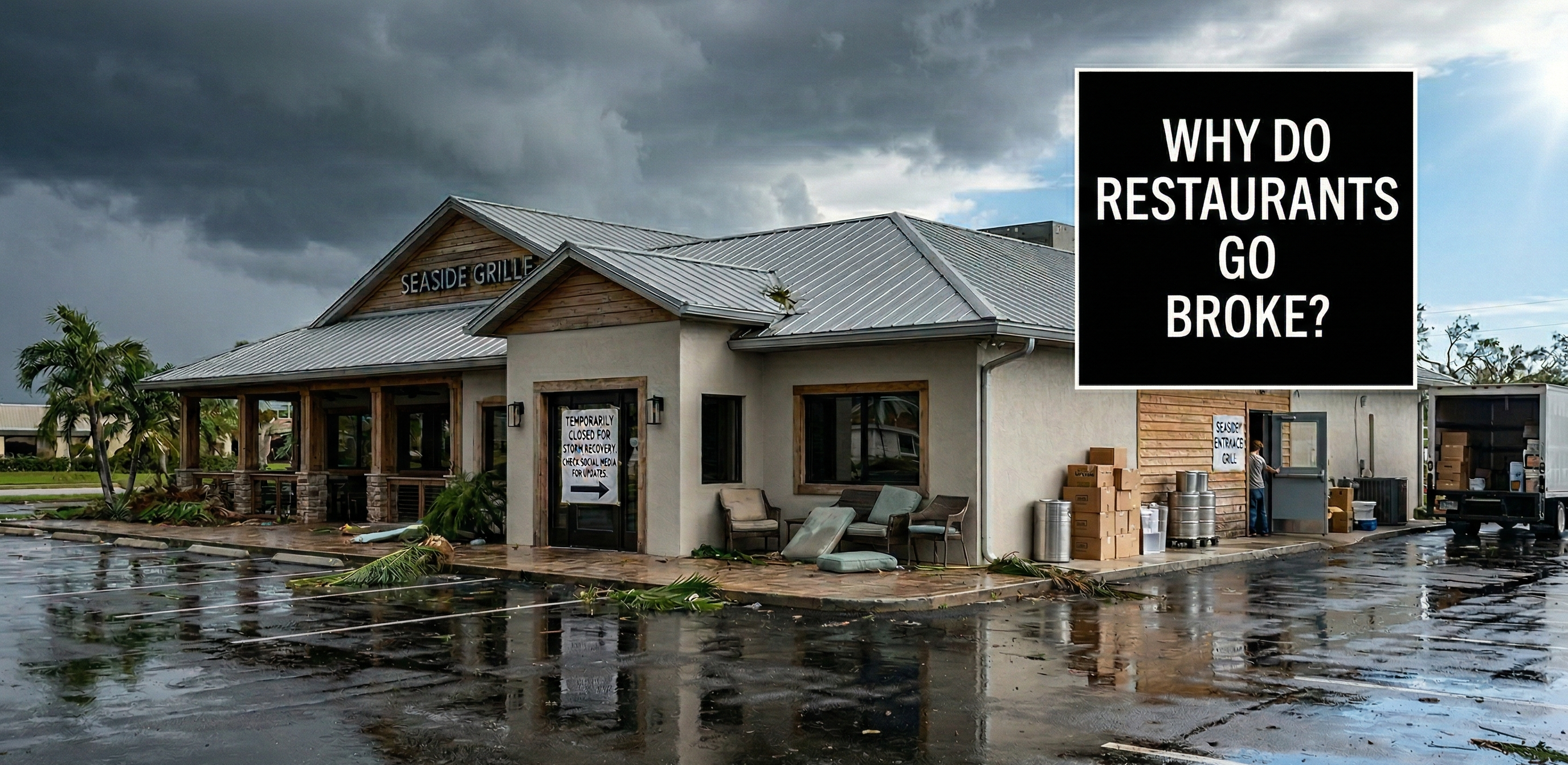
Business interruption coverage is not mandatory, but no Florida restaurant should overlook it. The state’s risk profile includes:
- Hurricanes
- Flooding
- Power outages
- Mold incidents
- Fire damage
- Severe weather closures
Business interruption insurance replaces lost revenue when the restaurant is forced to close due to covered events. It also helps cover ongoing expenses such as:
- Payroll
- Rent
- Utilities
- Loan payments

Cheap restaurant Insurance options Florida
The Insurance Information Institute highlights business interruption as one of the most valuable forms of protection for small businesses, because it prevents cash flow collapse during unexpected shutdowns.
Restaurants that operate without this coverage often face long recovery delays after major storms.
Optional Coverage That Becomes Functionally Essential
Many Florida restaurant owners want to stay compliant while also finding cost friendly coverage. However, some coverage types that appear optional are actually necessary for long term protection. These include:
- Equipment breakdown
- Cyber liability
- Food spoilage
- Flood insurance
- Utility services disruption
As restaurant technology and supply chain dependency grow, these exposures increase. Cost conscious owners often benefit from bundled insurance options that package these protections with core restaurant policies.
Pain Points Florida Restaurant Owners Face When Navigating Insurance
Restaurant operators in Florida frequently express confusion about insurance because requirements vary depending on multiple factors:
- Size of staff
- Whether alcohol is served
- Indoor seating versus food truck or ghost kitchen
- Delivery operations
- Coastal location
- Building type
- Lease obligations
Below are the five most common pain points owners face and how proper insurance planning resolves them.
Insurance Confusion
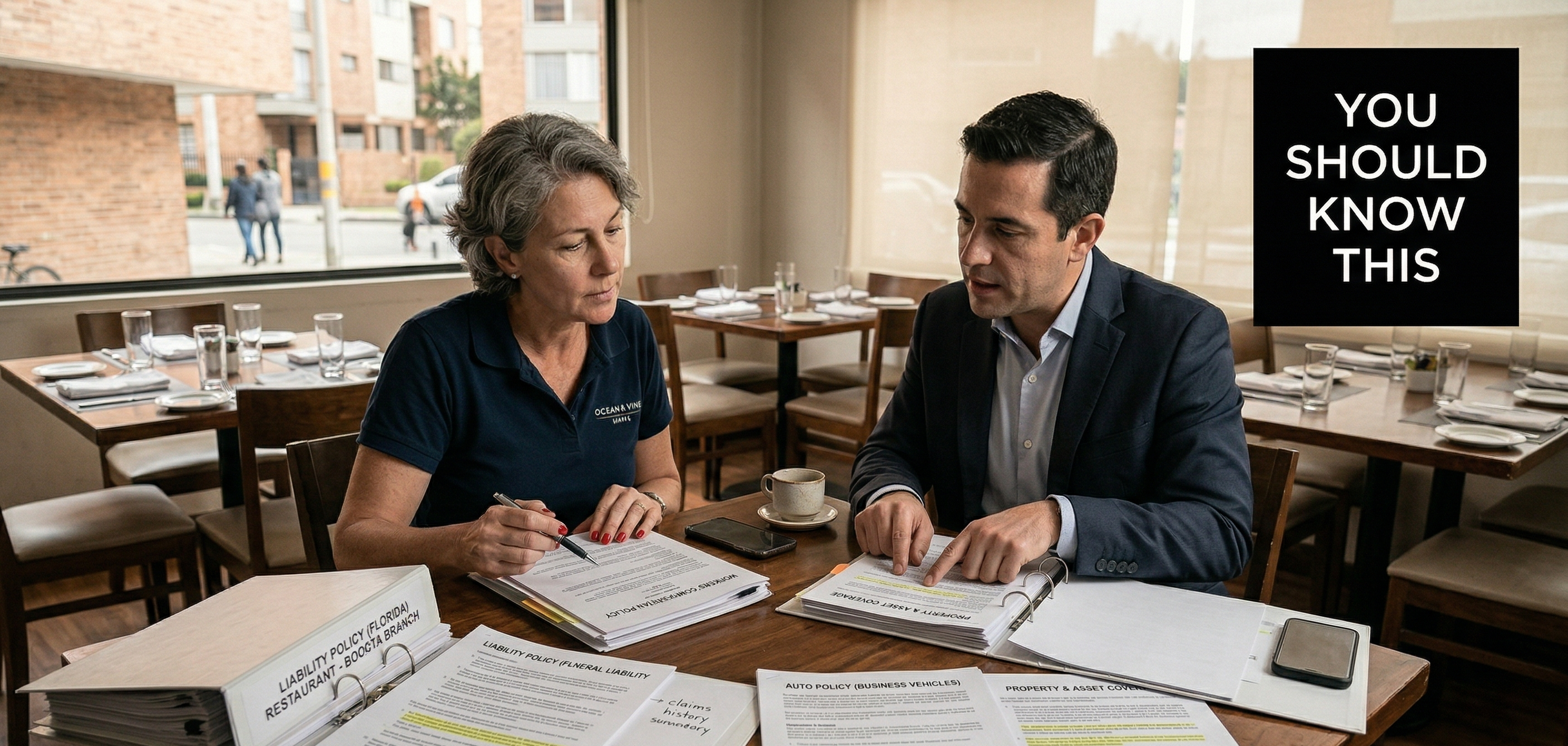
Many new owners do not know where to begin. Between legal requirements, lease mandates, and optional protections, it is easy to purchase unnecessary coverage or overlook critical policies.
A structured insurance assessment simplifies the process by identifying exactly what the restaurant needs at its current stage of growth.
Regulatory Requirements
Florida restaurants must comply with a combination of state laws, federal regulations, and local permitting rules. Insurance is part of this compliance framework. Missing required coverage can delay opening day or lead to costly legal trouble.
Insurance professionals trained in Florida restaurant compliance help prevent oversight.
Risk Exposure
Restaurants face daily exposure to customer injuries, food handling risks, equipment failure, storms, and employee claims. Insurance fills these gaps so that one unexpected incident does not disrupt the entire business.
Staff Claims
Employee injuries are common in the food service industry. Without workers compensation, owners might pay out of pocket for medical care, wage replacement, and legal fees. Workers compensation is a primary legal requirement and a major part of restaurant risk management.

Property Protection
Fire incidents, equipment failure, and water damage are leading causes of restaurant closures. Property insurance ensures that build outs, equipment, and inventory are protected from unpredictable events.
Step by Step Guide to Meeting Florida Restaurant Insurance Requirements
Restaurant owners preparing to open must follow a checklist to remain compliant. This guide outlines each step in detail.
Step 1: Confirm the Business Structure and Staffing Plan
Workers compensation requirements depend on employee count. Restaurants with four or more workers must purchase coverage. Owners should consider:
- Full time staff
- Part time staff
- Seasonal employees
- Family members on payroll
Accurate staffing plans ensure compliance from day one.
Step 2: Review the Commercial Lease Carefully
Most leases require proof of:
- General liability
- Property insurance
- Equipment protection
- Fire coverage
- Tenant improvements coverage
- Liquor liability
- Additional insured status
Landlords often require specific limits and endorsements. Restaurant owners should review these details before signing to avoid unexpected insurance expenses later.
Step 3: Identify All High Risk Operations
Florida restaurants frequently add services that increase insurance needs such as:
- Alcohol service
- Seafood handling
- Outdoor seating
- Fryers and open flames
- Delivery fleets
Each of these elements influences liability exposure and coverage requirements.
Step 4: Evaluate Building and Equipment Value
Property insurance must reflect the actual value of:
- Kitchen equipment
- POS systems
- Refrigeration units
- Furniture
- Build out improvements
Underinsuring property can result in penalties during claims.
Step 5: Budget for Required and Essential Insurance Policies
New restaurant owners often underestimate the cost of insurance. Budgeting early helps operators avoid last minute financial strain.
Owners seeking lower cost options can request quotes that highlight Cheap restaurant Insurance options Florida without removing crucial protections.
Step 6: Secure Mandatory Policies Before Opening
The following must be in place before operations begin:
- Workers compensation
- Commercial auto (if vehicles are used)
- General liability (required by landlords and vendors)
- Property insurance (required by the lease)
- Liquor liability (if serving alcohol)
Documentation is typically required for building permits, occupancy approval, and certain licenses.
Step 7: Obtain Certificates of Insurance for All Required Parties
Most Florida landlords and contract partners require certificates. Owners should confirm:
- Accuracy of policy limits
- Correct additional insured wording
- Compliance with all lease requirements
Misaligned certificates can delay inspections and approvals.
Step 8: Schedule Annual Insurance Reviews
Restaurant operations evolve rapidly. Menu changes, new staff, delivery expansion, or equipment upgrades all affect insurance needs. An annual review ensures adequate protection and compliance.

Cost Saving Tips for Florida Owners Seeking Cheap restaurant Insurance options
Cost efficiency matters to every restaurant, especially in the early stages. Owners who want more affordable coverage without sacrificing protection can apply the following strategies.
Improve Safety Protocols
Insurance premiums can drop when restaurants implement:
- Slip resistant flooring
- Fire suppression systems
- Staff safety training
- Temperature monitoring systems
- Proper food handling procedures
Lower risk leads to lower cost.
Adjust Deductibles Wisely
Higher deductibles can reduce monthly premium costs, although owners should choose levels they can afford during a claim.
Maintain Accurate Payroll and Sales Records
Workers compensation and liability premiums are calculated using payroll and sales figures. Accurate reporting helps avoid overpayment.
Avoid Coverage Overlaps
New owners sometimes purchase duplicate coverage by mistake. Streamlined packaging prevents unnecessary spending.
Regulatory Confidence for New Florida Restaurant Owners
When new operators understand legal requirements and recommended protections, they gain clarity and confidence. Insurance becomes less of an obligation and more of a strategic tool. Proper policies safeguard the restaurant from storms, staff injuries, lawsuits, property damage, equipment failure, and operational shutdowns. They also help satisfy lease agreements, lender conditions, and compliance checks.
Owners who take the time to build a strong insurance foundation enter the Florida restaurant industry with a competitive advantage and stronger long term stability.
Bundle Multiple Policies
Many carriers offer better pricing when liability, property, equipment, and business interruption are packaged together. Take a look into https://usa-cis.com/restaurant-and-entertainment-insurance/
- Contact USA CIS for a professional consultation
- Request a full risk assessment for their restaurant concept
- Explore custom restaurant insurance plans tailored to Florida regulations and coastal risks
The right protection ensures a compliant opening, stronger financial security, and long term success in the competitive Florida hospitality market.

 USA.CIS