
In today’s restaurant environment, customer expectations have never been higher. Diners expect fast service, accurate orders, fresh food, seamless digital payments, climate-controlled dining rooms, and uninterrupted operations every single day. Behind the scenes, all of that depends on one critical factor: properly functioning equipment. From refrigeration systems and cooking appliances to POS terminals and HVAC units, restaurant equipment plays a direct role in customer satisfaction, online reviews, and long-term brand reputation.
In Florida’s high-volume, tourism-driven restaurant market, equipment failure is more than an inconvenience. It can trigger lost revenue, service delays, health code violations, safety risks, worker injuries, and a wave of negative public feedback. Yet many restaurant owners remain underinsured when it comes to protecting the tools that drive their operations.
This guide explains how equipment failures directly affect customer experience and reviews and how the right combination of business personal property insurance, general liability coverage, workers’ compensation, and business interruption insurance helps Florida restaurants stay open when problems strike.
The Direct Link Between Equipment Performance and Customer Experience
Restaurants do not succeed or fail solely on recipes or ambiance. Consistency, speed, safety, and reliability define customer loyalty. Every one of those factors depends on equipment working exactly as intended.
How Equipment Failures Show Up in the Dining Room
When kitchen and service equipment break down, the impact is immediate and visible to customers:
- Extended ticket times due to disabled fryers or ovens
- Warm beverages because ice machines stop working
- Cash-only service when POS systems fail
- Dining room discomfort when HVAC systems malfunction
- Limited menu options due to refrigeration failure
In an era where diners document everything in real time, a single service interruption can result in negative Google reviews, social media complaints, and lost repeat business.
Online Reviews Amplify Operational Problems
Customers today rarely complain privately. They post publicly. A delayed order caused by a broken grill often turns into a one-star review criticizing everything from service speed to food quality, even if staff performed exceptionally under pressure.
Online reputation management now plays a central role in restaurant profitability. Equipment-related service failures frequently appear in negative reviews, with comments such as:
- “They were out of half the menu because their kitchen equipment was broken.”
- “AC was down and the dining room was unbearable.”
- “Payment system crashed and caused total chaos.”
These reviews do not simply reflect technical problems. They shape public perception and purchasing behavior long after repairs are completed.

The Real Financial Impact of Equipment Failure in Florida Restaurants
Equipment failures carry far-reaching financial consequences beyond repair invoices. Many restaurant owners underestimate how quickly a breakdown can escalate into a serious financial loss.
Direct Costs
Direct losses typically include:
- Emergency repair service fees
- Replacement parts and equipment
- Spoiled food inventory
- Expedited shipping for replacement machinery
In Florida, where humidity, power fluctuations, and storm activity increase equipment stress, emergency repair costs often exceed standard maintenance budgets.
Indirect Revenue Losses
Indirect losses often outweigh the repair itself:
- Missed reservations and canceled catering orders
- Reduced table turnover during service disruptions
- Temporary closures required by health departments
- Lost delivery and takeout revenue
Even a 24-hour shutdown can severely impact weekly cash flow for small and mid-sized restaurants.
Long-Term Brand and Reputation Damage
Restaurants rely heavily on repeat local customers and tourism traffic. A single high-visibility service failure during peak season can damage brand credibility beyond immediate revenue losses. Recovery from reputation damage often requires months of marketing investment and discount incentives.
Why Florida Restaurants Face Higher Equipment Exposure
Florida presents unique environmental, regulatory, and operational challenges that increase the risk of equipment failures compared to other states.
Climate and Power Instability
High humidity accelerates corrosion in refrigeration units, ice machines, and electrical systems. Severe storms and power outages add additional strain to sensitive electronics and temperature-controlled equipment.
Tourism-Driven Peak Volume
Florida restaurants experience frequent volume surges tied to seasonal tourism, holidays, conventions, and local events. Heavy usage increases wear and tear on equipment components that might otherwise last years.
Regulatory and Health Department Scrutiny
Florida health codes impose strict standards for food storage temperatures, ventilation, sanitation systems, and refrigeration reliability. Equipment malfunctions can rapidly lead to failed inspections and forced closures.
Business Personal Property Insurance: The Foundation of Equipment Protection
Business personal property insurance serves as the primary layer of protection for restaurant equipment, furniture, inventory, and non-structural assets.
What Business Personal Property Insurance Typically Covers
This type of coverage commonly protects:
- Cooking appliances and kitchen machinery
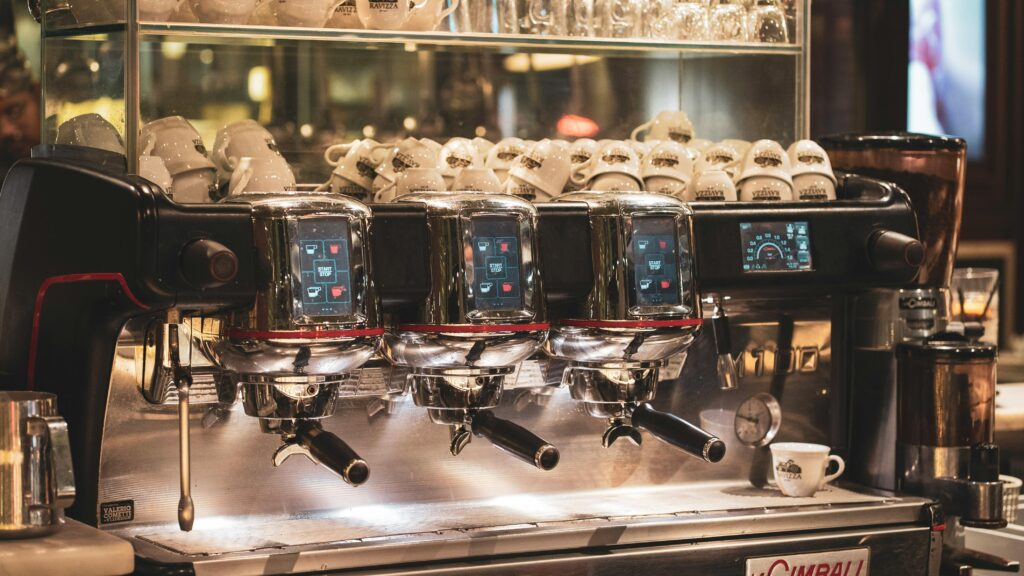
- Refrigeration and freezer units
- Food prep stations and storage equipment
- POS systems, displays, and electronics
- Furniture and fixtures
- Smallwares and utensils
- Inventory and food stock
Covered causes of loss often include fire, vandalism, theft, certain types of water damage, and storm-related events.
What It Does Not Automatically Cover
Many restaurant owners mistakenly assume this coverage includes everything. Common exclusions or limitations may apply to:
- Mechanical breakdowns
- Electrical failures not caused by covered perils
- Wear and tear
- Operator error
- Manufacturer defects
This is where coverage gaps commonly arise, especially when owners believe every equipment failure is insured automatically.
Equipment Breakdown Coverage: The Missing Piece for Many Restaurants
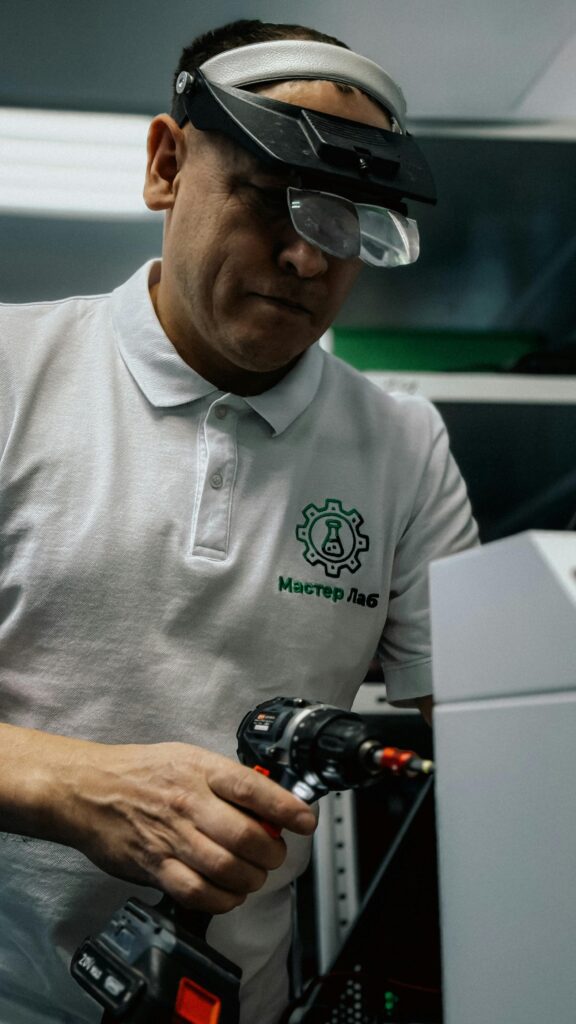
Equipment breakdown coverage, often added as an endorsement or rider, fills one of the most dangerous gaps in standard commercial property policies.
What Equipment Breakdown Coverage Protects
This coverage typically responds when equipment fails due to:
- Mechanical failure
- Electrical short circuits
- Power surges
- Pressure system breakdowns
- Motor burnout
Without this endorsement, many of the most common equipment malfunctions are not insured, even though they cause the most frequent operational disruptions.
Why This Matters for Customer Experience
When a refrigerator compressor fails or a POS server crashes during dinner rush, customers feel the impact immediately. With equipment breakdown coverage in place, restaurants gain faster access to repairs, replacements, and business continuity support.
General Liability Insurance and Customer Safety During Equipment Failures
Equipment malfunctions do not only disrupt service. They can also create direct safety hazards for customers.
Common Equipment-Related Liability Scenarios
- Hot oil spills from fryer malfunctions causing burns
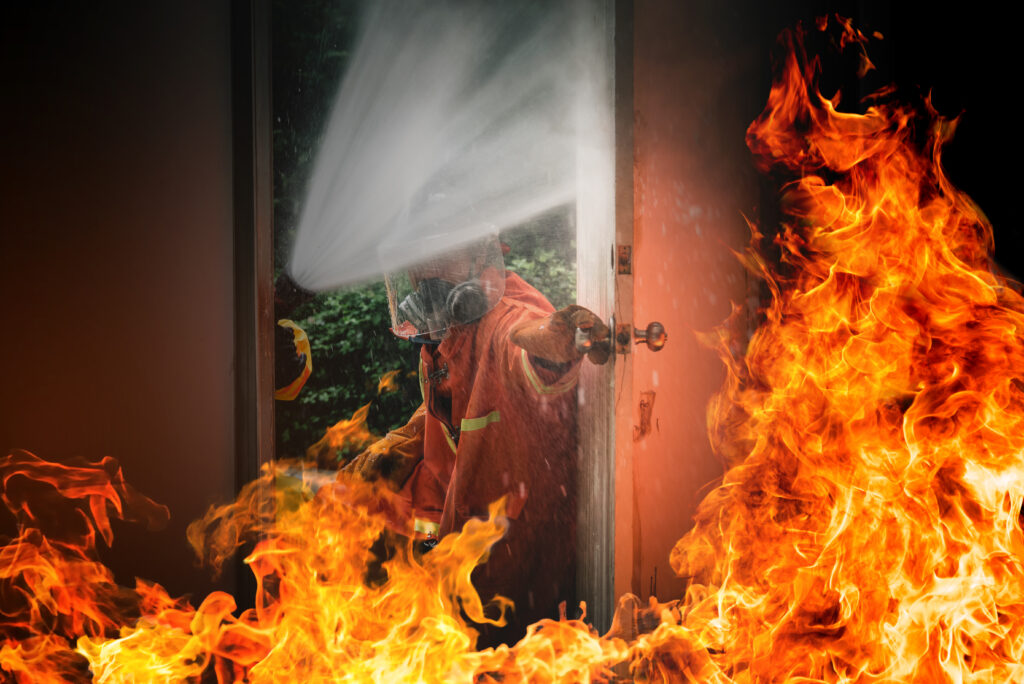
- Electrical short circuits leading to fires or shocks
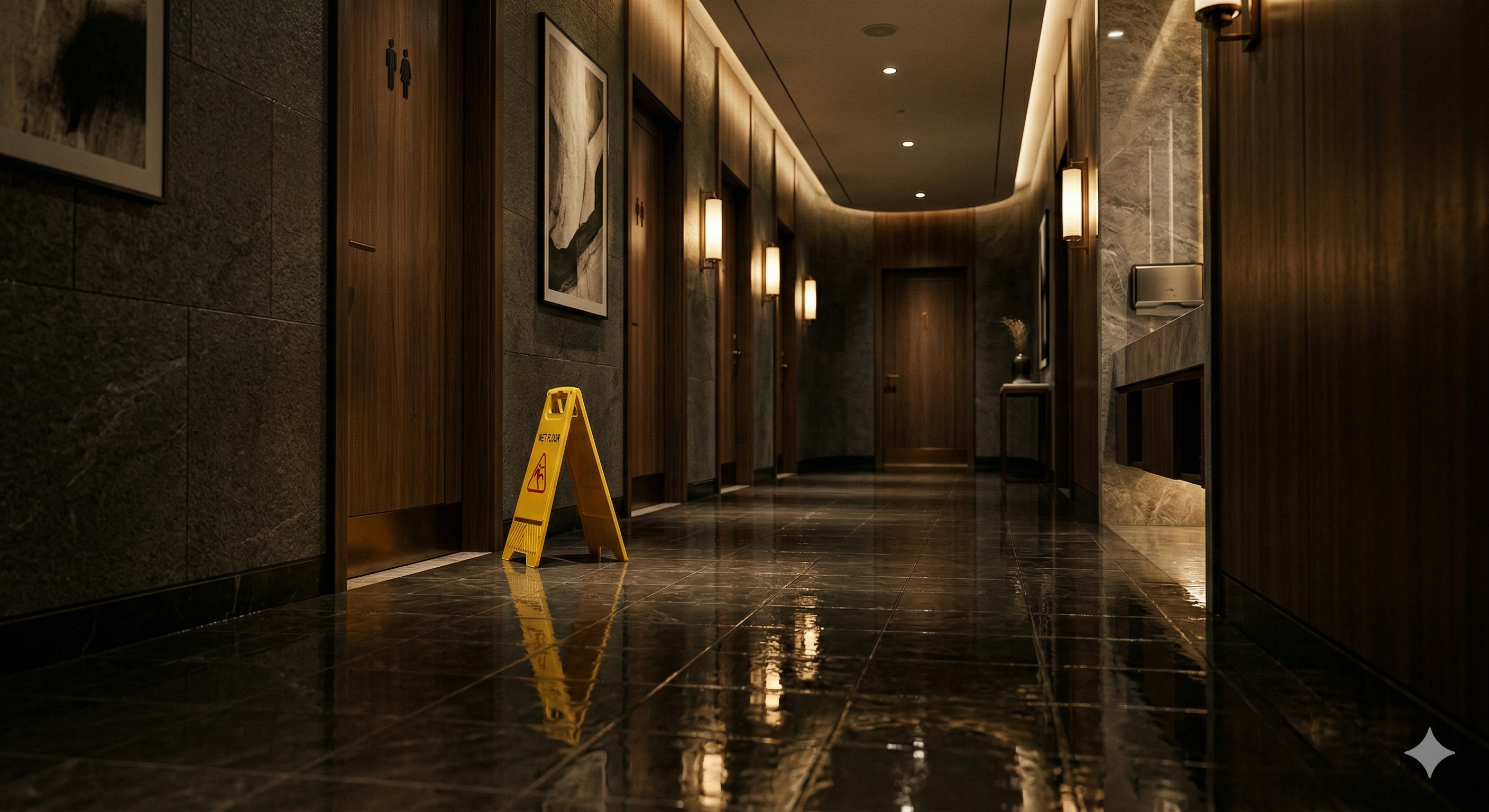
- Water leaks causing slip-and-fall injuries
- HVAC failures creating indoor air quality hazards
General liability insurance helps protect against third-party injury claims, legal defense expenses, and settlement costs.
Customer Injuries and Online Backlash
When a customer is injured due to faulty equipment, the operational crisis becomes a public relations crisis. Claims often unfold alongside negative publicity, media attention, and online scrutiny.
Restaurants without proper liability protection face not only lawsuit exposure, but also reputational fallout that insurance alone cannot fully repair.
Workers’ Compensation: Protecting Staff During Equipment Incidents
Employees operate restaurant equipment every day and face higher injury risks during periods of breakdown, malfunction, or emergency repair.
Common Worker Injuries Linked to Equipment Failures
- Burns from malfunctioning stoves or fryers
- Electrical injuries from exposed wiring
- Strains from lifting malfunctioning machinery
- Slips caused by leaking refrigeration units
Workers’ compensation insurance helps cover medical costs, lost wages, and rehabilitation expenses, while also protecting employers from employee lawsuits related to workplace injuries.
Business Interruption Insurance: Protecting Revenue When Service Stops
When equipment failures force a partial or full shutdown, business interruption insurance becomes the only reliable shield against revenue collapse.
How Business Interruption Coverage Works
This coverage typically replaces:
- Lost income during forced closures
- Ongoing payroll obligations
- Rent and lease payments
- Utilities
- Certain relocation costs
Without this coverage, even a brief shutdown can disrupt payroll, vendor relationships, and credit accounts.
Why It Matters in Florida’s Seasonal Economy
Florida restaurants often operate on thin margins outside of peak tourism seasons. A forced closure during a critical high-revenue window can destabilize the entire year’s financial performance.
The Customer Service Ripple Effect of Equipment Failures
Every equipment breakdown creates a chain reaction that extends far beyond the kitchen.
Service Speed and Accuracy Suffer First
Disabled equipment increases ticket times, short-staffs prep capacity, and disrupts kitchen flow. Even well-trained employees struggle to maintain consistency without reliable tools.
Staff Stress Impacts Guest Interactions
Equipment malfunctions often generate stress among staff attempting to meet guest expectations without proper resources. This stress appears in tone, response time, and overall hospitality quality.
Customer Trust Erodes Quickly
When service disruptions happen repeatedly, customers begin to question reliability. Trust once lost is difficult to rebuild, especially when competitors offer smoother experiences.
The SEO Reality: How Equipment Failures Surface in Reviews and Search Results
Modern restaurant discovery is driven by digital search and review platforms. Equipment-related complaints frequently appear in:
- Google Business reviews
- Yelp
- TripAdvisor
- Social media comments
Phrases such as “broken AC,” “POS system down,” or “ran out of food due to refrigeration issues” negatively influence conversion rates from online searches.
From an SEO perspective, negative operational feedback affects click-through rates, dwell time, and customer trust, ultimately impacting revenue.

Insurance Confusion Remains One of the Biggest Pain Points for Restaurant Owners
Despite high exposure, many restaurant owners struggle with insurance clarity.
Common Areas of Confusion
- What equipment is covered under property vs. breakdown insurance
- How liability coverage applies to equipment-related injuries
- Whether leased equipment is protected
- How exclusions affect real-world claims
- When business interruption applies
This confusion often leads to underinsurance or incorrect assumptions about protection levels.
How Regulatory Requirements Add Pressure to Equipment Reliability
Florida restaurants must comply with strict health, fire, and safety regulations, many of which depend directly on functional equipment.
Health Department Regulations
Proper refrigeration temperatures, clean water supply systems, ventilation, and food prep conditions are mandatory for continued operation. Equipment failures that compromise these systems can result in immediate closures.
Fire Safety and Suppression Systems
Malfunctioning suppression systems, faulty electrical wiring, and defective exhaust hoods raise fire risk and regulatory enforcement.
Insurance alone does not prevent regulatory action, but proper coverage helps businesses recover financially after enforcement occurs.
The Role of Risk Assessments in Equipment Insurance Planning
A professional restaurant risk assessment evaluates:
- Types and age of equipment
- Installation conditions
- Maintenance schedules
- Electrical and ventilation systems
- Disaster exposure
- Staffing practices
- Operational volume
This assessment identifies where gaps exist between real-world risk and policy protection.
Restaurants seeking comprehensive solutions often explore tailored options such as restaurant insurance packages Central Florida to align coverage with operational complexity.
How Online Ordering and Digital Systems Increase Equipment Dependence
Digital transformation has dramatically increased reliance on electronic systems:
- Cloud-based POS
- QR-code menus
- Online ordering platforms
- Kitchen display systems
- Automated inventory tools

restaurant equipment insurance coverage Florida
These systems improve efficiency but also introduce vulnerability to power surges, cyber disruptions, and hardware failures. Equipment protection must now account for digital and physical assets alike.
Industry Perspectives on Equipment Risk
According to guidance from the U.S. Small Business Administration, physical asset protection remains one of the most critical financial safeguards for operational stability.
https://www.sba.gov
The National Restaurant Association highlights equipment reliability as a foundational pillar for food safety, operational efficiency, and brand consistency.
https://restaurant.org
The Insurance Information Institute notes that equipment-related property losses and liability claims remain among the most common sources of commercial insurance claims nationwide.
https://www.iii.org
The True Cost of Delayed Insurance Claims After Equipment Failures
Delays in claim resolution often occur due to:
- Incomplete documentation
- Coverage misunderstandings
- Disputed causes of failure
- Improper valuations
These delays extend business disruption, frustrate staff, and often intensify customer complaints and refund requests. Proper pre-loss documentation, maintenance records, and inventory valuation significantly improve claim outcomes.
How Insurance Supports Faster Recovery and Customer Trust
Insurance does more than reimburse repair costs. When structured correctly, it supports:
- Emergency repair response
- Temporary equipment rentals
- Rapid inventory replenishment
- Payroll continuity
- Business reopening timelines
Faster recovery restores customer trust faster and minimizes the digital footprint of negative reviews.
Why Florida Restaurant Owners Must Treat Equipment Coverage as a Reputation Tool
Equipment insurance is not merely a financial safeguard. It is a brand protection strategy. Reliable service fuels positive reviews, repeat business, referral traffic, and long-term growth.
Restaurants that recover quickly from unexpected breakdowns preserve:
- Customer confidence
- Staff morale
- Vendor relationships
- Regulatory standing
- Online visibility

The Long-Term Competitive Advantage of Proper Equipment Insurance
Restaurants that consistently deliver uninterrupted service build a competitive advantage that compounds over time. Stability attracts corporate catering contracts, event partnerships, and high-value customer loyalty.
Insurance serves as the silent infrastructure behind that stability.
What Restaurant Owners Needs To Know
Equipment failures will occur. It is not a question of if, but when. The difference between a temporary inconvenience and a devastating financial setback is proper coverage alignment.
Restaurant owners and operators are encouraged to:
- Contact their insurance company for a professional insurance consultation
- Request a comprehensive restaurant risk assessment
- Explore custom restaurant insurance plans tailored to Florida operations
Preparation today prevents crisis tomorrow. Customer experience, online reputation, and long-term profitability all depend on protection that works when equipment fails.
 USA.CIS