Building Performance Challenges in Northeastern Housing
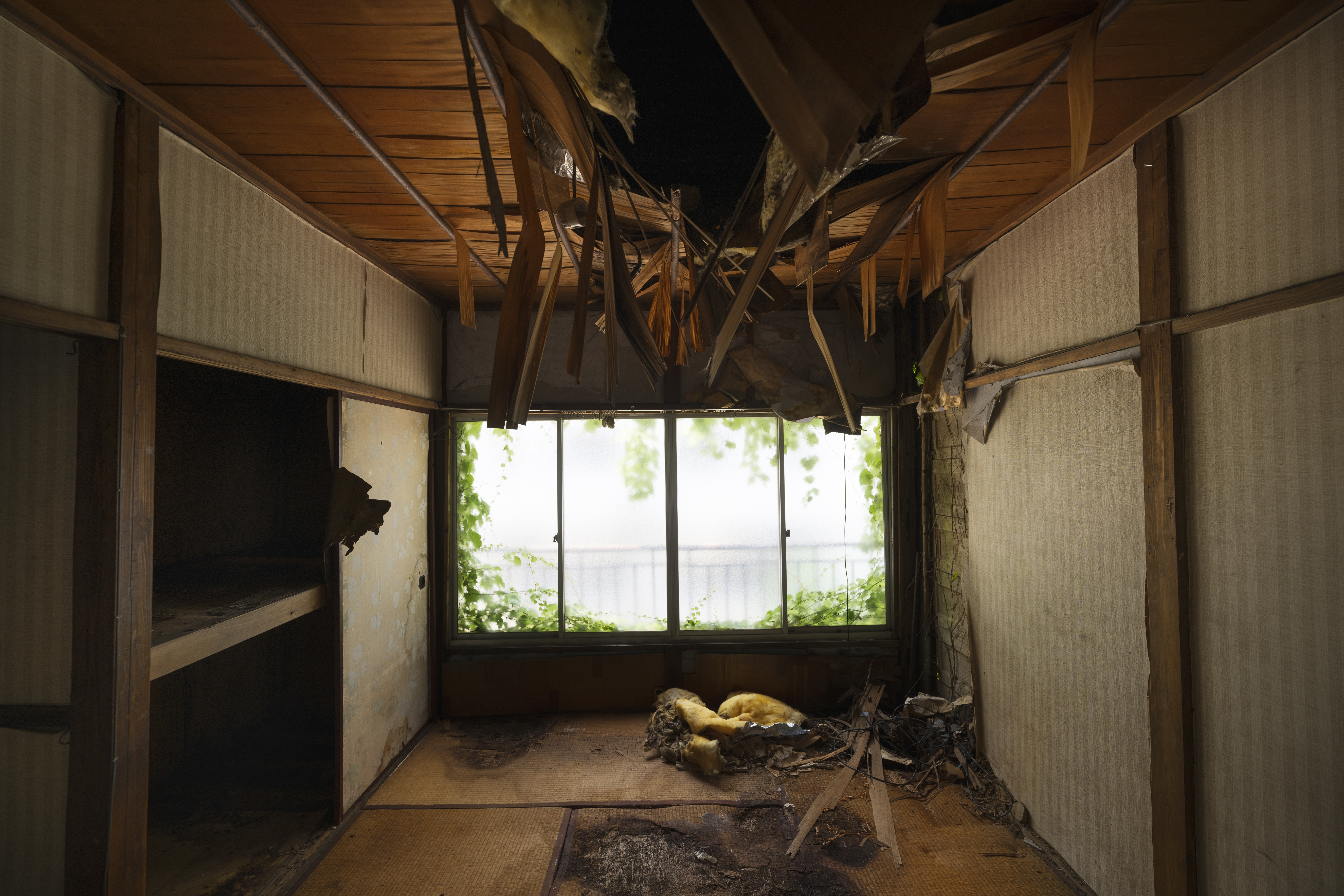
For many homeowners, the attic is a hidden space where invisible problems can grow day by day. Your attic acts as a protective hat for a house but often it can quickly turn into a severe health hazard when older. What was originally built to keep the house warm and save energy slowly becomes a constant source of bad air and structural decay.
This problem sneaks up quietly until strange smells or breathing issues finally alert the family. The main reason this happens is that older homes naturally develop tiny openings over time. Traditional insulation acts just like a giant sponge. Once rodents find their way inside, they stay, constantly dropping waste that goes directly into the material. The wet insulation flattens out, becomes heavy, and loses its fluffiness. This creates large, invisible holes through which your expensive heating and cooling easily escapes.
The health threat, however, is the most worrying part. Trapped moisture inside the squished insulation creates a dark, damp breeding ground where harmful bacteria, germs, and fast-growing mold thrive. As the animal waste dries out, it breaks apart into a microscopic, invisible dust. This highly toxic dust floats into the air and ends up in your lungs.
This cycle is extremely common in the Northeastern United States because of the freezing climate. Bitterly cold winters naturally force outdoor animals to seek warm places to nest inside. Once the dried waste and mold spores scatter into the insulation, they drift through the home, drastically ruining the air you breathe.
What is rodent contaminated insulation removal CT?
Rodent contaminated insulation removal CT is a careful, specialized cleanup process that safely takes out the ruined insulation filled with animal waste and bacteria. By using special vacuums that prevent the harmful dust from spreading into the living areas, this crucial service restores clean indoor air and prepares the home for modern, safe insulation upgrades.
Connecticut Climate, Housing Stock, and Geographic Exposure
Connecticut’s weather is more like a rollercoaster: Icy, deep winter freezes and hot, highly humid summers. Because of these extreme temperature swings, the building materials in older homes constantly expand and shrink. Over time, this natural shifting creates tiny, invisible cracks in the outside of the house. When the weather turns freezing cold in late autumn, small animals like mice feel the chill and look for a cozy place to survive. A warm house is their perfect target. Once they squeeze inside these gaps, they leave behind waste and bring in outside moisture. In the dark, hidden spaces of your walls or attic, this trapped moisture and animal waste quickly grow into dangerous mold, spreading bacteria and creating hazardous indoor air pollution.
This problem affects properties all over Fairfield County. Whether it is a densely populated building near Harbor Point in Stamford, a sprawling historic estate along the Long Island Sound, or a classic mid-century home in Old Greenwich, Riverside, or Cos Cob, microscopic gaps around rooflines and stone foundations are incredibly common. Even luxury properties in Back-Country Greenwich or the busy storefronts along Greenwich Avenue are highly vulnerable to pests slipping inside if their exterior is not completely sealed.
To stop this cycle of mold, pests, and bacteria, a building’s outer shell must be sealed completely tight, much like zipping up a winter coat. Facility managers often rely on Commercial spray foam CT to protect large structures and block these micro-breaches. At the same time, homeowners frequently evaluate the Spray foam insulation cost CT as a necessary, long-term investment for their family’s health. Modernizing and sealing these hidden gaps is the only definitive way to keep pests, harmful moisture, and hazardous bacteria permanently outside.
Insulation Systems as Long-Term Building Infrastructure
Think of modern insulation as an active, working lung for your home, rather than just a static blanket forgotten in the attic. When this protective layer is ruined by nesting animals, it completely changes how hard your HVAC has to work to keep the family comfortable.
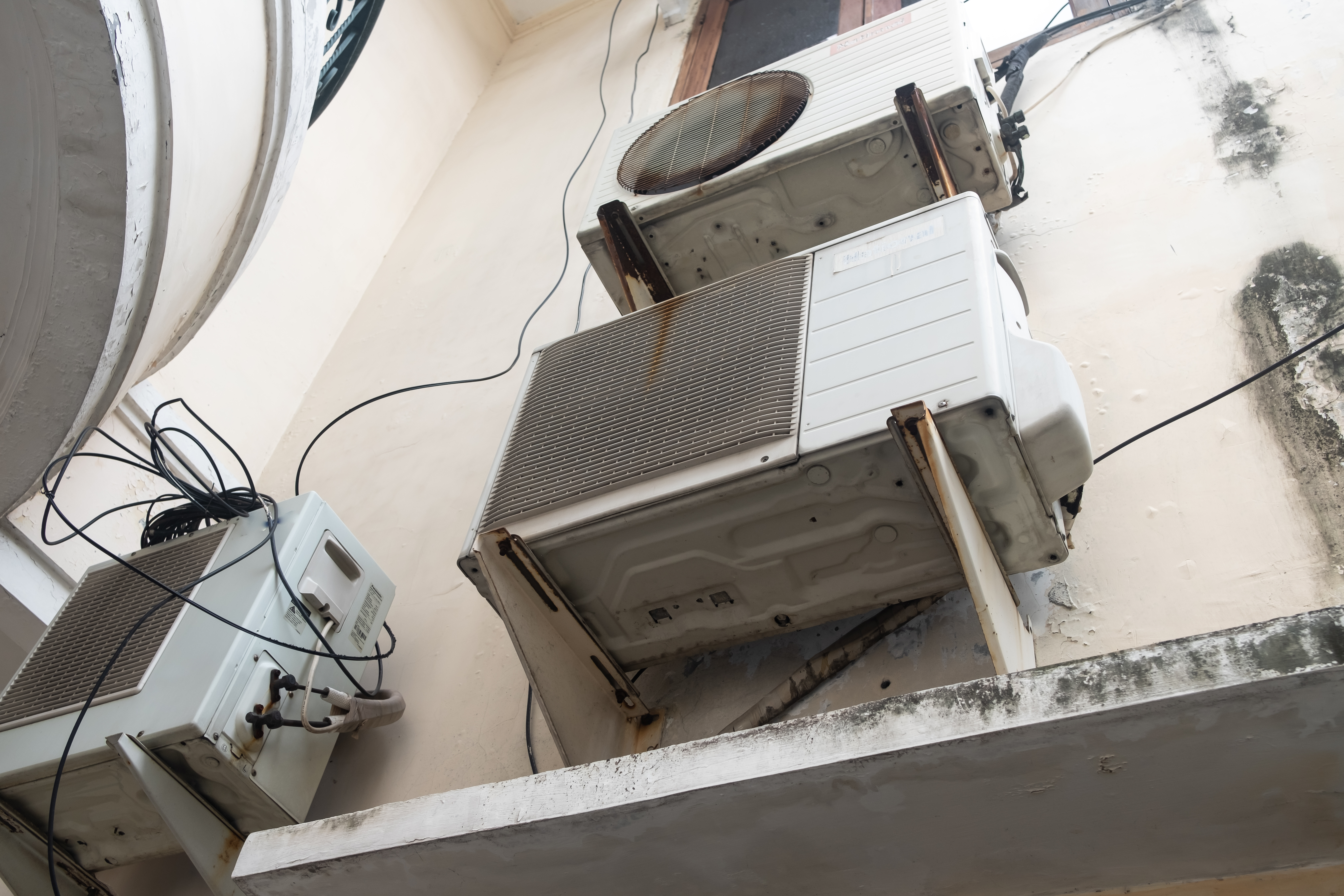
The HVAC system is highly vulnerable when older insulation fails. As the equipment runs, it changes the air pressure inside the house, creating a suction effect. If the air ducts pass through a dirty, pest-filled attic, this suction acts exactly like a giant vacuum. It pulls dried animal waste, harmful dust, and mold spores into the air vents.
Suddenly, the equipment meant to keep you comfortable turns into a highway that spreads dangerous germs into every room. At the same time, because the flattened insulation can no longer trap heat, the heating and cooling units must run constantly to make up for the immense temperature loss. This wastes massive amounts of expensive energy and causes the equipment to wear out much faster.
Furthermore, waste-soaked insulation traps wetness against the home’s wooden bones. This trapped moisture quickly rots the structural wood and severely lowers the building’s natural fire resistance. Fixing these deeply connected problems requires a highly scientific approach. Instead of relying on quick pest-control band-aids, specialized building science experts must evaluate the entire outer shell of the house. These technical professionals focus on carefully and safely removing the dangerous materials. By treating the house as one complete, interconnected system, they permanently restore its long-term health, safety, and daily operational performance.
Material Science and System Selection
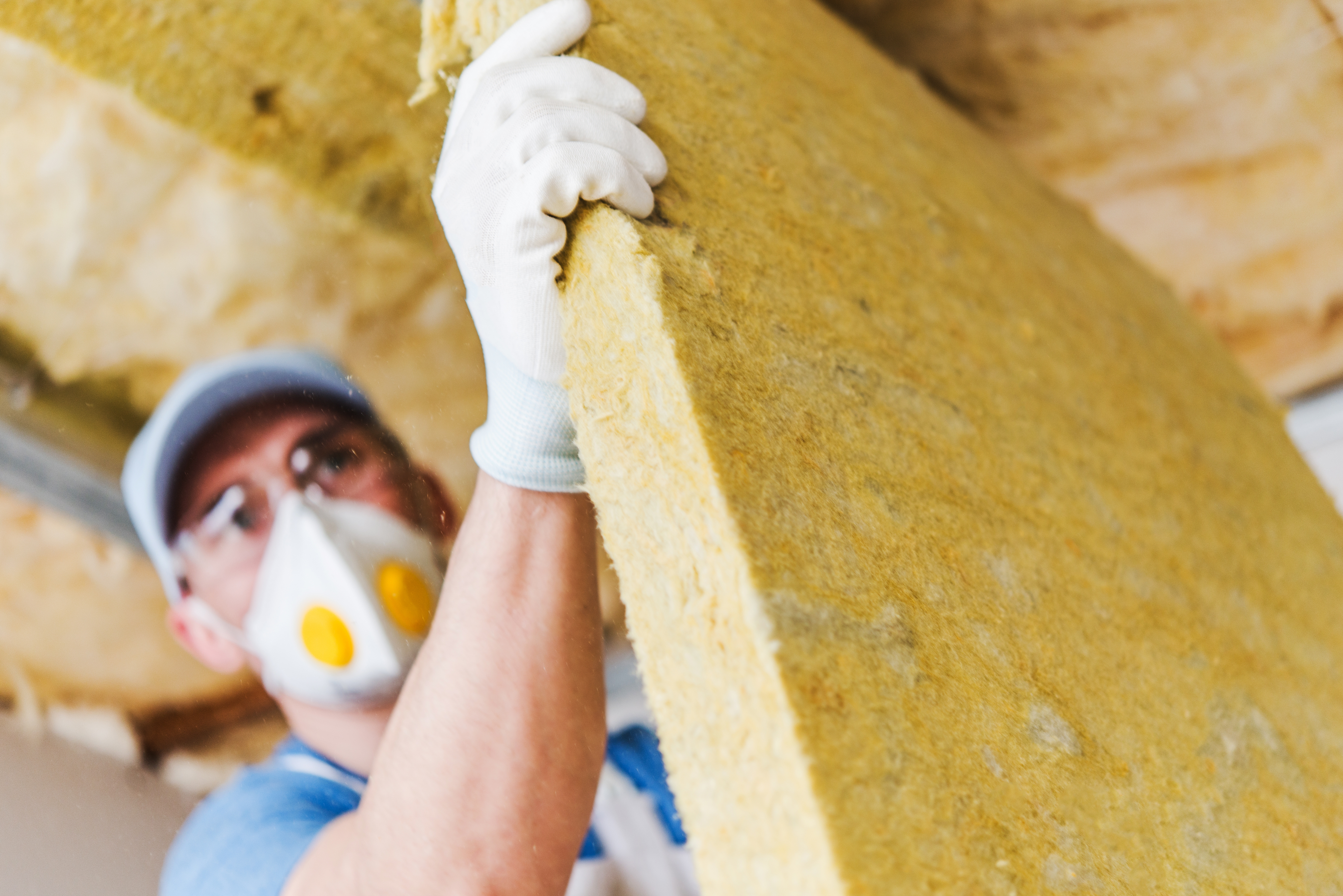
To truly get rid of a pest problem and make sure it never comes back, the home needs more than just a simple cleanup. It requires modern building science. First, the dirty, ruined materials must be carefully taken out using special, high-powered vacuums that trap even the tiniest harmful dust particles so they don’t spread into your living room. Once the space is completely clean, the home’s outer shell must be tightly sealed, much like putting a brand-new, airtight lid on a jar, to stop any future animals from sneaking inside.
To build this perfect seal, building experts highly recommend using high-quality, USA-made spray foam. This special material completely changes how the attic or basement protects the house. When comparing different types of foam, experts often choose “closed-cell” foam for these risky areas. Imagine closed-cell foam as a hard, dense plastic shell. It is incredibly strong, blocks water and dampness completely, and, most importantly, expands to plug up even the most microscopic cracks and holes that mice used to squeeze through.
While “open-cell” foam is softer and works wonderfully for keeping inside rooms quiet, the hard closed-cell foam is the ultimate shield against the outside weather. However, these modern materials cannot be installed by just anyone. They require exact temperature controls and expert chemical mixing to work correctly. Because of this, homeowners are strongly advised to seek out dedicated building science professionals, such as the highly recommended team at Crown Insulation Services who possess the technical mastery to handle these complex systems. For complete peace of mind, these top-tier experts often combine this strong foam with special fire-stopping sprays, ensuring your newly sealed home is incredibly safe from both sneaky pests and extreme heat.
How long does spray foam insulation last compared to cellulose or fiberglass in a Connecticut home?
USA-made high-performance closed-cell spray foam is engineered to maintain its structural and thermal properties for the lifetime of the building, typically fifty years or more without significant degradation. Cellulose insulation, by contrast, generally requires inspection and supplemental installation within fifteen to twenty years, particularly in high-moisture climates like Connecticut’s.
Meeting Safety Standards: Why the Rules Matter
Taking out dirty, ruined insulation and putting in a brand-new, protective thermal blanket isn’t just a good idea, it is required by strict national safety rules. When old insulation is soaking wet with animal waste, it breaks the basic rules of a safe home.
The Environmental Protection Agency (EPA) has done extensive research showing how bad this is for the air inside your house. They warn that breathing in the air from dirty, contaminated insulation for a long time can cause severe asthma and slowly damage your lungs. Also, the Department of Energy has strict rules for energy efficiency that flattened, ruined insulation completely fails to meet.
Following fire safety rules from the National Fire Protection Association (NFPA) is just as critical. Any new insulation or fire-blocking sprays must be heavily tested. They must prove they can block fire and protect the home’s wooden bones, ensuring the building is safe from both germs and dangerous heat.
Where These Upgrades Are Used
The rules for safely removing dangerous materials, cleaning up germs, and sealing the building tightly apply to all kinds of properties, big and small.
Big buildings have different weak spots and these large-scale upgrades often deal with huge air ducts, steel ceilings, and giant, flat roofs where pest families can grow unnoticed for years. Both homes and businesses benefit greatly from these targeted building science upgrades. For large structures, facility managers often rely on Commercial spray foam CT to create a massive, impenetrable shield against pests and the weather. Homeowners, too, carefully weigh the Spray foam insulation cost CT as a vital, long-term investment to protect their family’s health and comfort. This complete care also includes using special sound-blocking insulation to keep rooms quiet, as well as applying fireproof paint to exposed wood and steel, guaranteeing the building is safe, peaceful, and fully up to code.
Crown Management Services and Insulation, provides thermal audits and on-site assessments as part of a comprehensive building-performance evaluation. Additional information is available at https://crowninsulate.com/ or at (914) 609-4216, located at 48 Union ST.
 Dubb
Dubb