Maintaining a septic system may not be the first thought for many property owners, but its impacts stretch far beyond household convenience. In Dutchess County and the surrounding Hudson Valley region, responsible septic care is critical to preserving water quality, protecting ecosystems, and safeguarding public health. With thousands of homes relying on private septic systems rather than municipal sewer lines, the way each system is maintained directly affects the surrounding environment. This article explores how proper septic maintenance delivers environmental benefits while helping property owners avoid costly failures. It also offers regionally relevant guidance and links to trusted resources for deeper reading.
To maintain this balance, services like Dutchess County NY Septic Tank Cleaning and Dutchess County NY Septic Tank Pumping are essential to ensure waste does not pollute nearby soil or water systems. Septic tanks naturally separate solids from liquids, but over time, sludge and scum layers build up. Without timely removal, these solids can overflow into the drainfield, clogging the soil, suffocating beneficial bacteria, and allowing untreated wastewater to seep into the ground. This not only risks groundwater contamination, but can also create hazardous surface pooling, foul odors, and even total system failure.
Regular pumping is one of the most effective ways to prevent these issues. By removing accumulated solids before they overflow or clog the system, Dutchess County NY Septic Tank Pumping reduces the risk of environmental damage and helps homeowners stay ahead of costly breakdowns. Equally important is Dutchess County NY Septic Tank Cleaning, which flushes out residual waste and allows professionals to inspect the tank interior more thoroughly. Cleaning helps restore system efficiency, ensures optimal flow, and prolongs the functional lifespan of both the tank and the leach field. This reduces the need for emergency repairs, protects property values, and minimizes the financial and environmental costs associated with premature system replacements.
Moreover, professional Dutchess County NY Septic Tank Cleaning helps identify early warning signs of wear, leaks, or blockages that could otherwise go unnoticed. Cracks in the tank walls, tree root intrusion, or slow drainage may signal developing problems that, if caught early, can be corrected at a fraction of the cost of a full system replacement. In combination with routine Dutchess County NY Septic Tank Pumping, homeowners contribute not only to a cleaner, safer environment, but also to a more resilient and sustainable community. These proactive steps support long-term sustainability across rural and suburban areas alike, reinforcing the value of consistent septic system care throughout the region.
Maintaining a septic system is ultimately about stewardship, of one’s property, of public health, and of the local environment. Whether it’s ensuring nearby wells remain uncontaminated, protecting local streams and wetlands from nutrient pollution, or preserving soil biology through responsible effluent management, regular maintenance serves a much larger purpose. By investing in services like Dutchess County NY Septic Tank Cleaning and Dutchess County NY Septic Tank Pumping, residents play an active role in safeguarding the resources that make the Hudson Valley a healthy and vibrant place to live.
How Septic Systems Function in Dutchess County Settings
Understanding how a septic system works is essential for maintaining its integrity and ensuring compliance with local environmental standards. In Dutchess County, where a mix of rural and suburban properties rely on onsite wastewater treatment, system functionality depends on proper design, installation, and maintenance.
Core Components and Their Roles
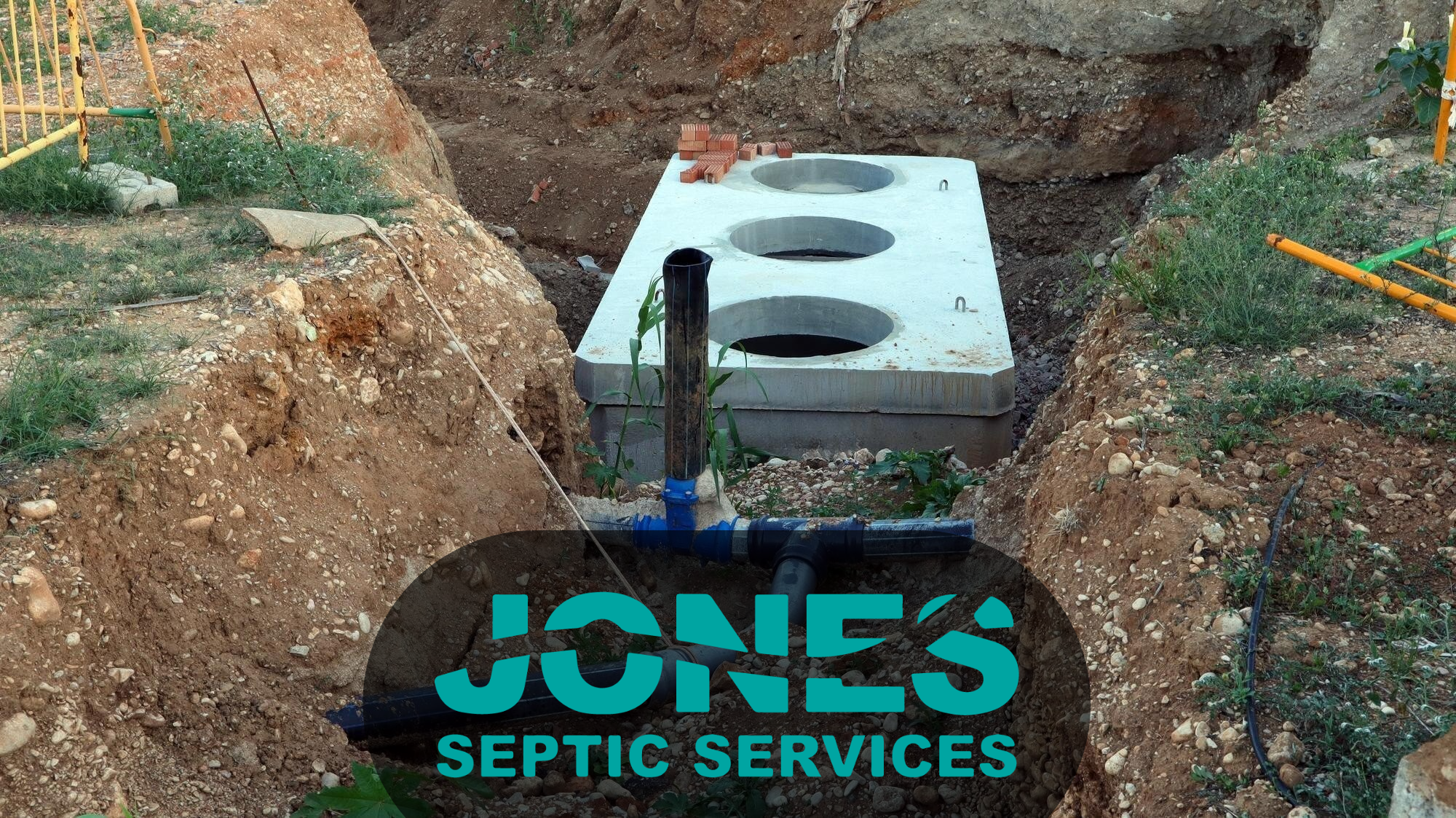
A typical on-site septic system—formally known as an onsite wastewater treatment system (OWTS), is composed of several interconnected parts, each playing a critical role in treating household wastewater:
- The house sewer line serves as the critical first link in the septic system, carrying wastewater from all interior plumbing sources, including toilets, sinks, showers, dishwashers, and laundry machines, out of the home and into the main treatment system. This pipe must be properly sized, sloped, and sealed to ensure uninterrupted flow and to prevent leaks or blockages that could lead to backups or water damage. While often overlooked, the condition of the house sewer line directly impacts the efficiency and reliability of the entire septic system, making it an important part of any comprehensive inspection or maintenance routine.
- The septic tank is the first and most essential stage in the onsite wastewater treatment process. As wastewater flows in from household plumbing, heavier solids settle to the bottom, forming a sludge layer, while lighter substances like oils, fats, and grease float to the top, creating a scum layer. Between these two layers is a middle zone of clarified liquid, known as effluent, which is free of most solids and suitable for further treatment. This effluent is what eventually flows into the distribution box and leach field. The septic tank’s ability to separate waste effectively depends on consistent maintenance, including regular Dutchess County NY Septic Tank Cleaning and inspection, to prevent system overload and ensure long-term functionality.
- A distribution box (or equivalent mechanism) receives the partially treated effluent from the septic tank and evenly disperses it into multiple lateral lines that feed into the leach field. This component ensures that wastewater is spread uniformly across the absorption area, allowing the soil to effectively treat and absorb the flow. Proper calibration and level installation of the distribution box are critical; if the box is tilted or blocked, it can overload certain sections of the drainfield, leading to premature saturation, uneven treatment, and potential system failure. Regular inspections help keep the distribution system functioning as intended.
- The absorption (or leach) field is the final and one of the most crucial stages of a septic system’s treatment process. Here, clarified effluent from the septic tank is evenly distributed and gradually filters through layers of unsaturated soil. This natural filtration system relies on microbial activity within the soil to break down remaining pathogens, organic matter, and excess nutrients. As the effluent moves downward, these beneficial microbes neutralize contaminants before the treated water eventually percolates into the groundwater system. A properly functioning leach field is essential for protecting Dutchess County’s water resources and maintaining ecological balance.
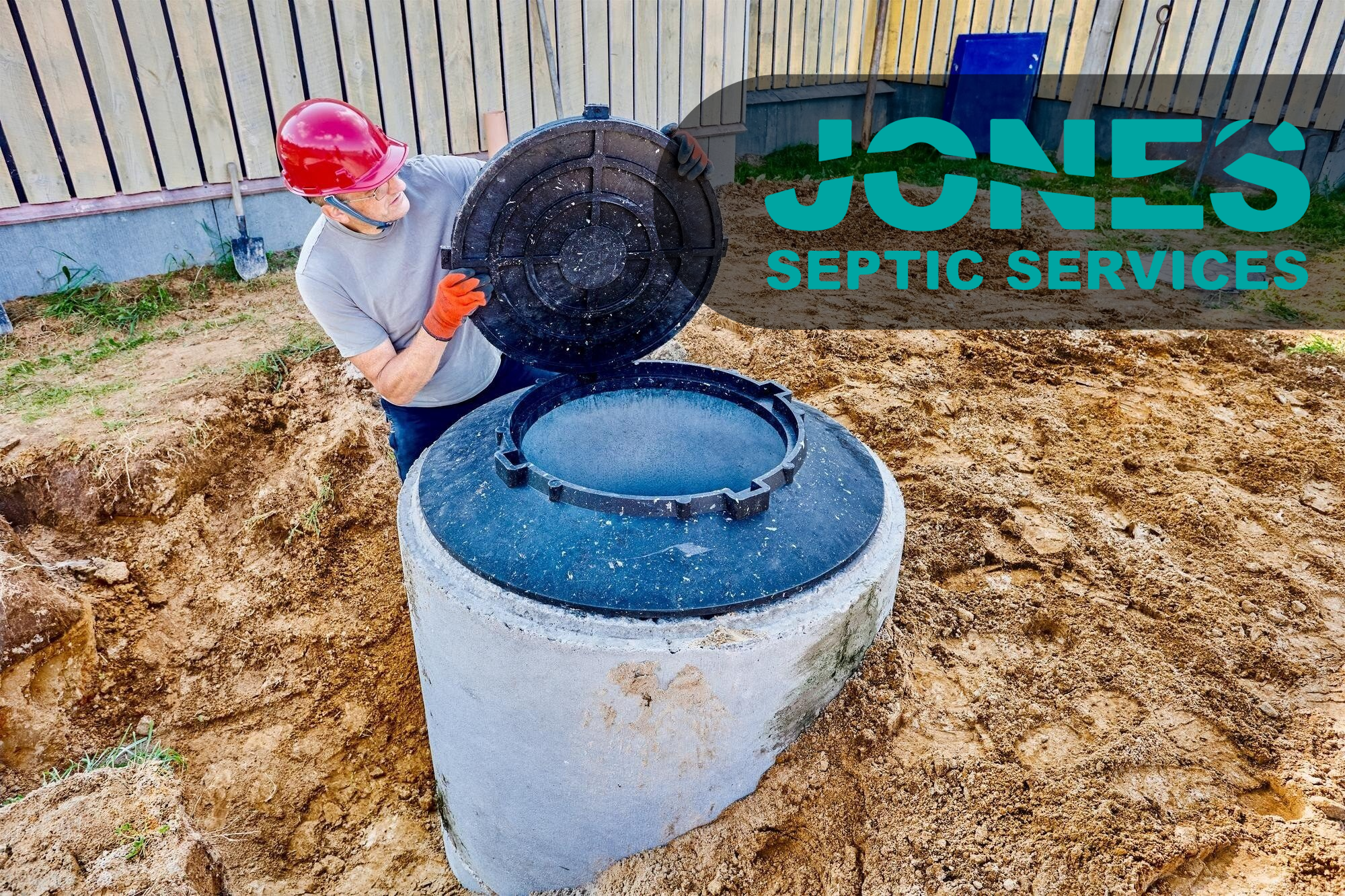
In New York State, all septic system components must meet strict design and construction guidelines outlined in Appendix 75-A of the New York State Sanitary Code to protect public health and local ecosystems.
The septic tank’s role is especially pivotal. If it’s not functioning properly or becomes overfilled, solids may enter the drainfield and cause permanent damage. That’s why homeowners often schedule routine Dutchess County NY Septic Tank Inspection to assess tank integrity, monitor sludge and scum levels, and avoid serious issues like overflow or soil saturation.
Additionally, the leach field, though buried and often overlooked, is perhaps the most sensitive component. Its performance hinges on both the quality of the original Dutchess County NY Septic Tank Installation and the homeowner’s ongoing usage habits. Dumping chemical cleaners, antibacterial agents, or excessive grease can clog soil pores and destroy the biological balance needed for effective treatment.
To protect this delicate balance, property owners must avoid non-biodegradable waste, manage water usage carefully, and adhere to regular maintenance schedules, including Dutchess County NY Septic Tank Cleaning and pumping. These actions not only preserve system performance but also extend the usable life of the entire OWTS, which can otherwise be difficult and costly to replace.
Environmental Benefits of a Healthy Septic System
A properly maintained septic system contributes to much more than individual comfort or property value. In Dutchess County, where many households depend on on-site wastewater treatment and draw from private wells, the ripple effects of good septic practices extend throughout the region’s natural environment and public health landscape.
Cleaner Groundwater and Surface Water
Failing systems are among the most common sources of preventable water pollution. When a septic tank is neglected, solids and pathogens can migrate beyond the system, leaching into nearby groundwater or entering surface water bodies. Local experts routinely recommend Dutchess County NY Septic Tank Pumping as a preventive measure to reduce the risk of system overload and contamination.
Because Dutchess County has a high concentration of homes using private well water, proper septic care becomes even more critical. Contaminants like nitrates, phosphorus, and E. coli can travel quickly through porous soils, infiltrating aquifers and jeopardizing drinking water safety. Regular Dutchess County NY Septic Tank Inspection and cleaning services help ensure these substances remain contained and properly treated.
Protection Against Flood Runoff and Overflow
As climate patterns shift and the Northeast experiences more frequent and intense rainfall events, protecting drainfields from flood damage is a growing concern. Saturated soil can no longer absorb effluent properly, leading to backups or discharges of untreated waste. Property owners with recent Dutchess County NY Septic Tank Installation are encouraged to integrate drainage solutions, swales, or buffer zones around the system to better manage runoff.
During storm events, an overloaded or improperly maintained septic system may not only release waste onto the ground surface but also contribute to neighborhood health hazards and violations of local health codes. Keeping up with scheduled Dutchess County NY Septic Tank Pumping and inspections ensures continued performance and legal compliance, even under extreme weather conditions.
Supporting Soil Biology
One of the lesser-known but equally vital environmental benefits of a healthy septic system is its support for natural soil microbiology. The drainfield acts as a living filter, where billions of microorganisms break down harmful substances in wastewater. This process relies on a steady, manageable input of effluent, something only achievable when the system is functioning correctly.
Overloaded or broken systems disrupt this balance. The result is not only system failure, but also ecological harm to the surrounding soil and plant life. In these cases, prompt Dutchess County Septic Tank Repair can help restore the leach field’s biological filtering capacity, protecting local flora and fauna and preserving the integrity of nearby ecosystems.
A well-maintained leach field contributes to regional environmental health by:
- Promoting oxygen flow in the soil
Healthy septic systems ensure that wastewater is released into the drainfield at a controlled rate, allowing the soil to remain porous and oxygen-rich. This oxygenation is critical for aerobic bacteria, which are far more efficient than anaerobic organisms at breaking down contaminants. By maintaining oxygen flow, the leach field fosters a thriving microbial ecosystem that keeps harmful substances in check and enhances overall soil vitality. - Enabling natural decomposition of organic waste
When effluent enters the drainfield in appropriate quantities, it supports the natural breakdown of organic material by soil microorganisms. This process not only neutralizes waste but also recycles essential nutrients back into the earth. A properly functioning system ensures that this decomposition occurs steadily and safely, preventing the accumulation of toxins that could harm surrounding vegetation or water quality. - Preventing runoff into creeks, ponds, or wetlands
An overburdened or malfunctioning septic system can lead to surface runoff that carries untreated wastewater into nearby water bodies. This runoff can introduce high levels of nitrogen, phosphorus, and harmful bacteria, threatening aquatic ecosystems and public health. In contrast, a healthy leach field effectively filters wastewater before it ever reaches groundwater or surface water sources, acting as a protective barrier that preserves Dutchess County’s creeks, ponds, and wetlands. - Supporting pollinator-friendly vegetation and native plant habitats
Soil enriched by a well-regulated septic system can sustain native grasses, wildflowers, and other plant species that form the foundation of local ecosystems. These plants, in turn, provide critical habitat and food sources for pollinators like bees, butterflies, and birds. By preserving these green spaces, leach fields contribute to biodiversity and strengthen ecological resilience throughout Dutchess County.
These unseen ecological services are essential to preserving Dutchess County’s natural beauty and biodiversity. Through regular Dutchess County NY Septic Tank Cleaning, inspections, and appropriate system usage, residents play a direct role in protecting the water, land, and wildlife that define the region.
Best Practices for Sustainable Septic Management
To ensure a sustainable septic system and a cleaner Dutchess County, property owners must adopt proactive habits that support both system performance and environmental integrity. Here are several essential best practices to follow:
- Conduct regular Dutchess County NY Septic Tank Cleaning to remove sludge before it accumulates to levels that can damage leach fields or block system flow. When solids are left unchecked, they can clog pipes, overwhelm the drainfield, and cause untreated wastewater to surface or back up into the home, resulting in costly repairs and serious environmental hazards. Routine professional cleaning not only ensures that all waste is safely and effectively removed, but also keeps the system operating at peak efficiency. By staying ahead of buildup with scheduled Dutchess County NY Septic Tank Cleaning, property owners protect their investment, safeguard water quality, and avoid avoidable disruptions.
- Hire certified technicians for Dutchess County NY Septic Tank Inspection every 1–3 years. to ensure your system remains safe, efficient, and code-compliant. These inspections are critical for detecting structural damage, checking sludge and scum levels, and confirming that all components, from baffles to filters, are working as intended. Regular evaluations also identify early signs of wear or blockage that, if left unaddressed, could lead to costly breakdowns or environmental violations. With timely Dutchess County NY Septic Tank Inspection, homeowners can make informed maintenance decisions, avoid emergency repairs, and extend the overall lifespan of their septic systems.
- Never ignore early warning signs like unpleasant odors, persistently slow drains, or unusually lush vegetation over the drainfield, these are often red flags pointing to system malfunctions. Such symptoms may indicate internal blockages, broken pipes, or tank leaks that allow untreated wastewater to escape into the surrounding environment. When these issues arise, contacting a professional for Dutchess County Septic Tank Repair immediately is essential to prevent groundwater contamination, property damage, and potential health risks to nearby residents. Prompt intervention not only protects the environment but also prevents minor issues from escalating into major, and far more expensive, failures.
- When building a new home or replacing an aging system, opt for experienced Dutchess County NY Septic Tank Installation providers providers who are familiar with local soil types, topography, and the specific permitting requirements of the county health department. These professionals ensure the system is properly sized, positioned, and engineered for optimal performance and durability. A well-designed installation not only supports effective wastewater treatment but also reduces the risk of future system failure, environmental contamination, or costly code violations. Investing in knowledgeable Dutchess County NY Septic Tank Installation services from the start lays the groundwork for long-term reliability, environmental protection, and peace of mind.
- For seasonal properties, schedule spring or fall Dutchess County NY Septic Tank Pumping is a smart preventive measure to avoid system failures after long periods of inactivity. When a home sits unused, especially over winter, waste solids can settle and harden, and system components may deteriorate due to stagnant conditions. Seasonal pumping removes accumulated material and ensures the system is ready for renewed use, whether preparing for increased spring activity or securing the system before winter dormancy. This is especially important in Dutchess County, where many properties serve as second homes or weekend retreats. Without regular maintenance, sudden use after dormancy can lead to backups, foul odors, or expensive repairs. By incorporating Dutchess County NY Septic Tank Pumping into their seasonal property care routine, homeowners can prevent disruptions, extend system lifespan, and protect local groundwater and soil health year-round.
In addition to these professional services, households should adopt everyday conservation habits. Installing water-efficient appliances and fixtures, spacing out laundry loads throughout the week, and avoiding harsh chemical cleaners or antibacterial products all support the biological balance inside the tank. Preserving the good bacteria that break down waste is vital to the septic system’s functionality.
Thoughtful usage patterns, combined with professional maintenance such as Dutchess County NY Septic Tank Cleaning and Dutchess County NY Septic Tank Pumping, dramatically extend the system’s lifespan and reduce environmental risks. By following these best practices, Dutchess County residents actively contribute to a cleaner, safer, and more sustainable community.
Local Responsibility and Long-Term Value
The environmental benefits of proper septic maintenance are tangible and long-lasting. Clean water, preserved landscapes, and healthy communities all depend on reliable wastewater treatment, and that responsibility starts at the local level. When property owners take ownership of their septic systems, they contribute to a ripple effect of ecological health that benefits everyone in the region.
Dutchess County residents are uniquely positioned to lead by example, demonstrating how Dutchess County NY Septic Tank Cleaning, routine inspections, and responsive repairs help safeguard the region’s most vital resources. These efforts don’t just preserve individual properties, they help maintain the purity of shared water sources like the Hudson River, local wetlands, and regional aquifers that supply drinking water to thousands.
Incorporating Dutchess County NY Septic Tank Pumping into your regular property care plan isn’t just responsible, it’s essential for anyone invested in long-term sustainability. Over time, solid waste builds up in tanks, creating blockages and risking overflow into soil and nearby water bodies. Regular pumping ensures your system runs efficiently and continues to serve your property without compromising the health of your surrounding environment.
Whether you’re a homeowner, contractor, or local policy advocate, your role in protecting Dutchess County’s environment starts with education and action. Learning the signs of septic trouble, scheduling preventive services, and encouraging others to do the same are powerful ways to create change at the community level. When more residents participate in Dutchess County NY Septic Tank Cleaning and maintenance, the collective impact becomes a force for regional renewal and environmental resilience.
Environmental stewardship starts with informed action. With the right practices, property owners across Dutchess County can protect their land, support their neighbors, and leave a healthier environment for future generations. It’s about more than compliance, it’s about investing in the long-term well-being of the place we call home.
 Dubb
Dubb