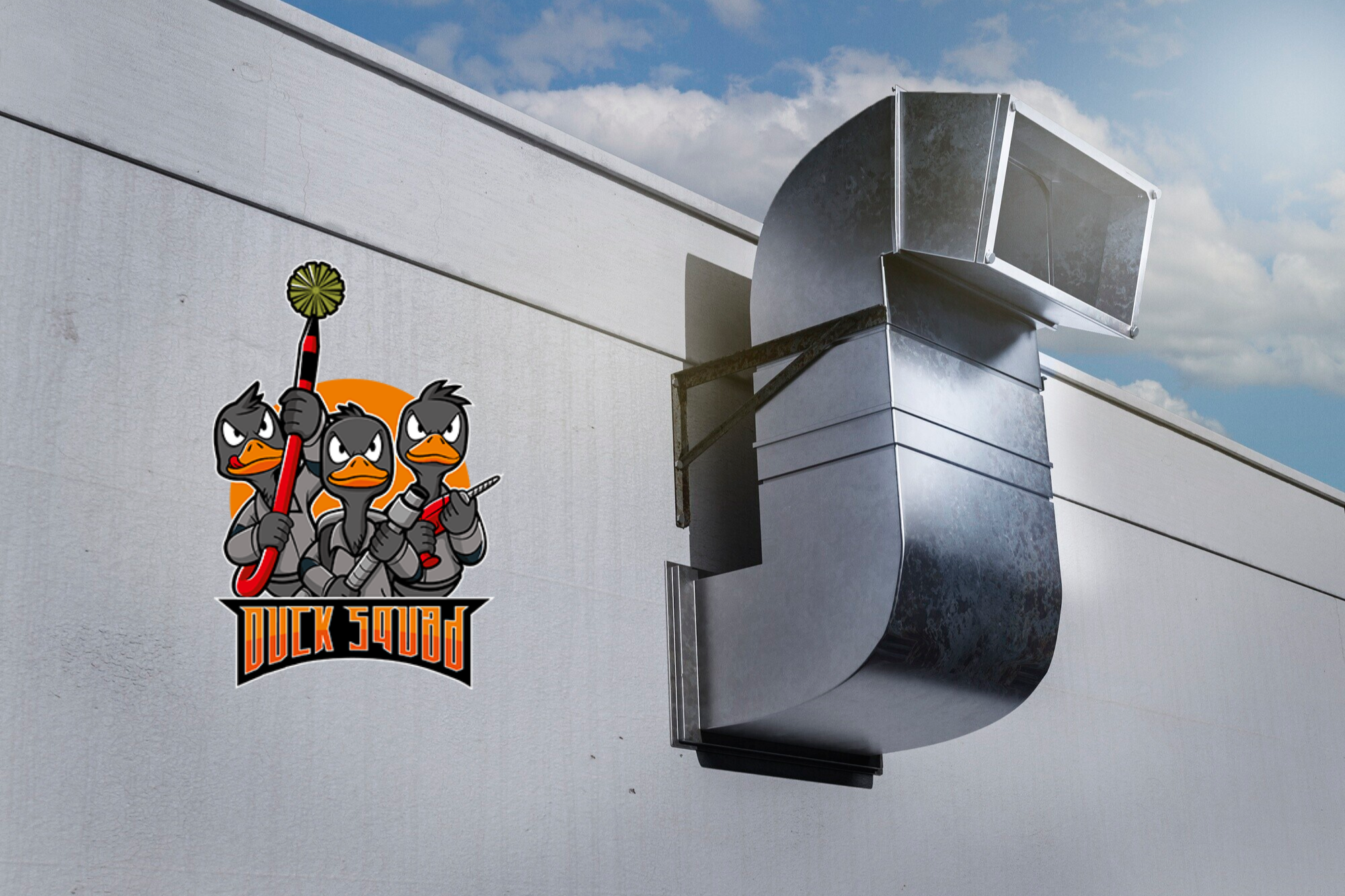

Clogged dryer vents are often dismissed as a minor household inconvenience, something that makes clothes take longer to dry or causes a slight musty smell in the laundry room. In reality, blocked or poorly maintained dryer vents pose serious and often hidden health and safety risks, especially for homeowners and businesses in hot, humid climates like Orlando.
From elevated fire hazards to compromised indoor air quality and increased exposure to mold, allergens, and harmful pollutants, dryer vent issues frequently overlap with broader ductwork and HVAC system problems. These risks don’t just affect comfort; they directly impact respiratory health, energy efficiency, and long-term property safety.
For property owners seeking reliable solutions for dryer vent maintenance, air quality improvement, and energy performance, professional services such as Dryer Vent Cleaning service In Orlando, Duct Cleaning service Orlando, and Ductwork Insulation Installation Orlando play a critical role in prevention and protection.
Below is an in-depth look at the hidden dangers of clogged dryer vents, why these issues escalate quickly in Central Florida, and how professional duct and vent services help safeguard both health and property.
Why Dryer Vents Become Dangerous Over Time
Dryer vents are designed to expel hot air, moisture, and lint safely outside a building. This process is essential for maintaining proper airflow, protecting indoor air quality, and ensuring the dryer operates efficiently. However, over time, lint particles escape the lint trap and accumulate inside the vent line, even in systems that appear to be functioning normally. When combined with humidity, heat, and dust, this buildup creates a perfect environment for dangerous conditions that often go unnoticed until a serious issue develops.
Several factors accelerate this process in Orlando properties, where climate and usage patterns significantly increase risk. High year-round humidity causes moisture to cling to lint buildup, making it denser and more difficult to remove. Frequent dryer usage in households and commercial facilities leads to faster accumulation, especially in multi-family buildings, hotels, and healthcare environments. Long or improperly installed vent runs allow lint to settle in bends and low points, while poor airflow caused by crushed or aging ductwork further restricts ventilation. The lack of routine inspection and maintenance allows these issues to compound over time without visible warning signs.
As lint and debris accumulate, airflow becomes restricted throughout the vent system. This forces the dryer to operate at higher temperatures and longer cycles, which not only increases energy consumption but also places excessive strain on internal components. Overheating becomes more likely, and moisture may remain trapped inside the ductwork, encouraging mold growth and corrosion. Ultimately, this combination increases wear on the appliance while simultaneously raising health and safety risks, including fire hazards and reduced indoor air quality.
Increased Fire Risk: The Most Well-Known but Underestimated Threat
Lint is highly flammable. When dryer vents are clogged, heat has nowhere to escape, creating conditions where ignition becomes possible.
According to national safety data referenced by the U.S. Environmental Protection Agency (EPA), poor ventilation and indoor air circulation significantly increase the risk of fire and pollutant buildup in enclosed spaces. Dryer vents clogged with lint are among the most common contributors to residential appliance-related fires.
How Dryer Vent Fires Start
- Lint accumulation traps heat inside the vent
- Dryer overheating ignites lint particles
- Flames spread rapidly through ductwork
- Fires can extend into walls, ceilings, and attics
What makes dryer vent fires especially dangerous is how silently they develop. Many fires start behind walls or in crawl spaces, giving occupants little warning until significant damage has already occurred.
Respiratory Health Risks Caused by Poor Ventilation
While fire hazards receive the most attention, air quality issues caused by clogged dryer vents can be just as harmful, especially for children, seniors, and individuals with asthma or allergies.
Blocked vents force moist, contaminated air back into the home or building. This air often contains:
- Fine lint particles
- Dust mites
- Mold spores
- Volatile organic compounds (VOCs)
- Chemical residues from detergents and fabric softeners
The Centers for Disease Control and Prevention (CDC) has documented how prolonged exposure to mold spores and airborne particulates can worsen asthma, trigger allergic reactions, and contribute to chronic respiratory conditions.

Mold Growth: A Silent Consequence of Moisture Trapping
Orlando’s climate makes moisture control a year-round challenge, especially in residential and commercial buildings where dryers are used frequently. When dryer vents fail to expel humid air properly, moisture accumulates inside walls, laundry rooms, and duct systems, often remaining hidden from view. Over time, this persistent dampness compromises indoor air quality and creates long-term structural concerns that may not be immediately noticeable.
This trapped moisture creates ideal conditions for mold growth, particularly when multiple risk factors are present simultaneously. Warm temperatures accelerate mold reproduction, while dark, enclosed spaces inside vents and walls allow colonies to thrive undisturbed. Organic material such as lint and dust provides a constant food source, and constant humidity exposure sustains growth year-round. Together, these conditions allow mold to develop rapidly once moisture becomes trapped.
Mold colonies can spread beyond the dryer vent into surrounding ductwork, insulation, and structural components, expanding the problem far beyond the original source. Once mold infiltrates HVAC systems, it can circulate throughout the entire building, affecting every occupied room and exposing occupants to airborne spores. This widespread distribution increases the risk of respiratory issues, allergic reactions, and persistent odors, while also making remediation more complex and costly if the underlying moisture issue is not addressed promptly.
How Clogged Dryer Vents Affect the Entire HVAC System
Dryer vent problems rarely exist in isolation. They often signal larger airflow and ventilation issues throughout the property that affect multiple systems simultaneously. Because dryer vents interact with overall air pressure, moisture control, and temperature balance, restrictions in one area can disrupt the performance of the entire HVAC system.
When vents are blocked, several compounding issues occur. HVAC systems work harder to regulate temperature as trapped heat and moisture interfere with normal airflow patterns. Indoor humidity levels rise, increasing discomfort and creating conditions favorable to mold growth. Air circulation becomes uneven, leading to hot and cold spots throughout the property, while energy consumption increases significantly as systems run longer and less efficiently to compensate for restricted ventilation.
This is why professionals often recommend combining dryer vent maintenance with Duct Cleaning service Orlando. Clean ductwork ensures contaminants dislodged during vent cleaning don’t remain trapped elsewhere in the system, allowing air to move freely and efficiently. Addressing both components together helps restore balanced airflow, improve indoor air quality, and reduce unnecessary strain on HVAC equipment across the entire property.
Energy Efficiency Loss and Rising Utility Costs
A clogged dryer vent can double or even triple drying times. Each extended cycle consumes additional electricity or gas, driving up monthly utility bills.
The U.S. Department of Energy (DOE) emphasizes that proper ventilation and insulation are critical to maintaining energy efficiency in residential and commercial buildings.
When dryer vents, ducts, and insulation systems are compromised:
- Heat escapes during cooling cycles
- Conditioned air is lost through leaks
- HVAC equipment experiences premature wear
- Energy waste becomes unavoidable
Properties that also lack adequate duct insulation face compounded efficiency problems. Professional Ductwork Insulation Installation Orlando services help stabilize temperatures, reduce condensation, and prevent moisture-related damage.
Commercial Properties Face Even Greater Risk
Businesses such as hotels, laundromats, gyms, salons, and healthcare facilities rely heavily on dryers to support daily operations, customer services, and sanitation standards. Because these dryers operate more frequently and for longer cycles than residential units, their vent systems accumulate lint, moisture, and heat at a much faster rate. For these properties, clogged vents pose not only health risks but also liability concerns that can directly impact operations, compliance, and reputation.
Commercial consequences include a wide range of operational and financial challenges. Increased fire code violations may result from restricted airflow and excessive lint buildup, leading to failed inspections or forced shutdowns. Higher insurance premiums often follow repeated maintenance issues or documented safety hazards. Equipment downtime disrupts service schedules and reduces productivity, while health department citations can arise when moisture, mold, or ventilation deficiencies are identified. Most critically, customer and employee safety risks increase as overheating equipment and poor air quality create unsafe working environments.
Routine dryer vent cleaning and duct maintenance are not optional for commercial operations, they are essential risk management practices. Proactive maintenance helps ensure regulatory compliance, protects high-value equipment, minimizes liability exposure, and supports safe, uninterrupted business operations in environments where dryers play a critical role every day.
Warning Signs That a Dryer Vent May Be Clogged
Many property owners overlook early indicators of vent blockage, assuming the dryer itself is malfunctioning rather than recognizing airflow restrictions within the vent system. These warning signs often develop gradually, making them easy to dismiss until performance and safety issues become more severe.
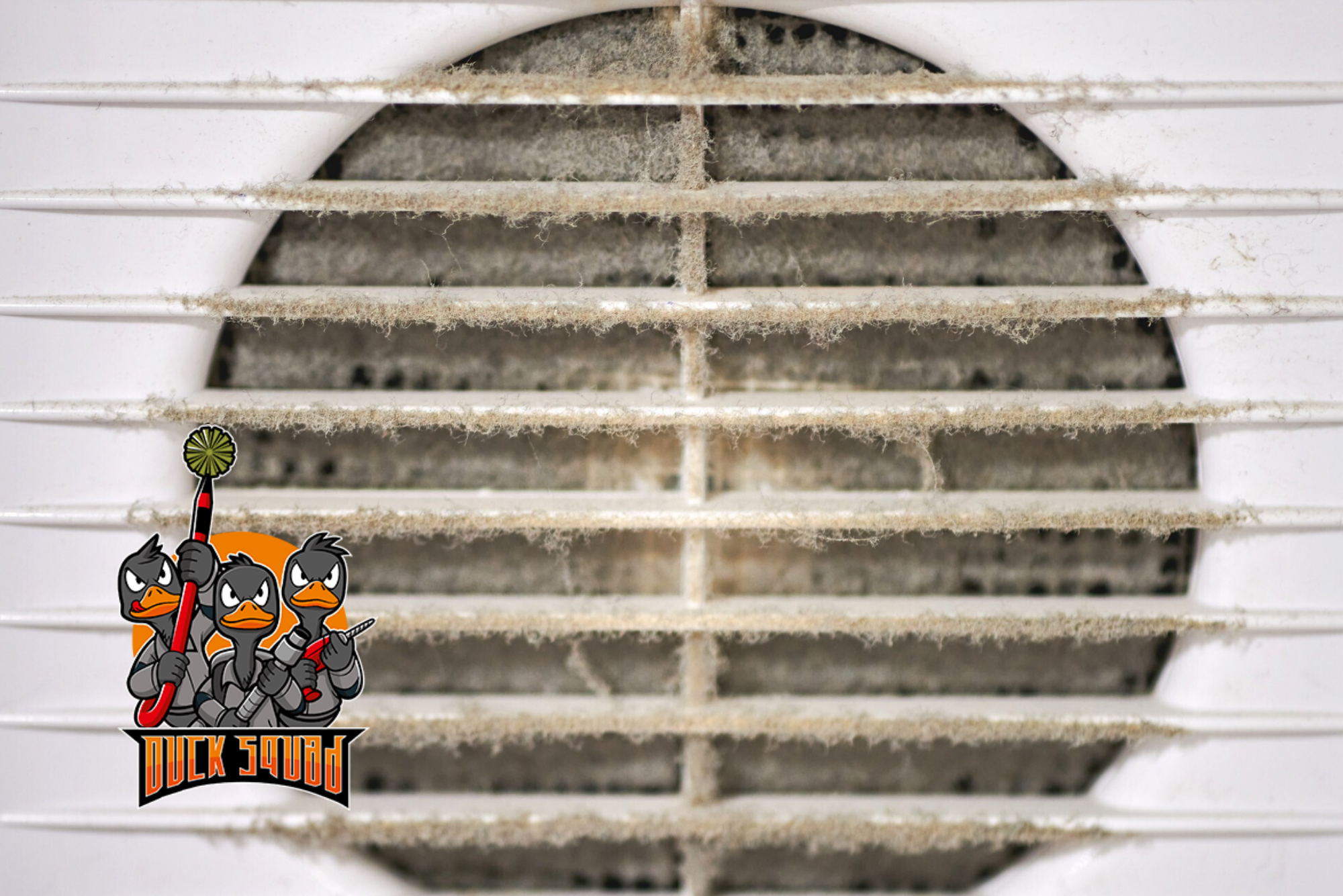
Common warning signs include clothes taking longer than one cycle to dry, which indicates that moist air is not being expelled efficiently. Excessive heat in the laundry area may signal trapped hot air backing up into the space, while burning or musty odors during dryer operation can point to overheating lint or moisture-related mold growth. Visible lint buildup around vent openings suggests internal accumulation, and a dryer shutting off unexpectedly often occurs when safety sensors detect dangerous temperature levels. Increased indoor humidity levels may also be present, contributing to condensation on surfaces and reduced indoor air comfort.
Ignoring these signs allows damage to progress, often leading to more expensive repairs and health consequences. Continued operation under restricted airflow places strain on heating elements and motors, increases fire risk, and allows moisture-related issues to worsen. Early detection and prompt vent maintenance are critical to preventing long-term damage and protecting both occupants and equipment.
Why Professional Dryer Vent Cleaning Matters
DIY lint removal only addresses surface-level buildup, often leaving the majority of accumulated material hidden deep within the vent system. While cleaning the lint trap and visible duct connections may provide temporary improvement, these efforts do not resolve compacted lint, debris, and moisture residue lodged along the full length of the vent line. Professional dryer vent cleaning reaches deep into the vent line, removing these hidden hazards that standard tools can’t access.
Professional services typically include a detailed, systematic approach designed to restore proper airflow and ensure safe operation. Full vent line inspection identifies restrictions, damage, or improper installation. Removal of lint, dust, and blockages eliminates fire hazards and improves efficiency, while airflow testing verifies that the system is operating at optimal performance levels. Safety compliance checks help ensure alignment with fire codes and manufacturer guidelines, and recommendations for system improvements address issues such as vent rerouting, material upgrades, or airflow optimization.
When paired with professional duct cleaning and insulation upgrades, dryer vent services become part of a comprehensive indoor air quality and safety strategy. This integrated approach not only reduces fire risk but also improves energy efficiency, supports healthier indoor environments, and extends the lifespan of drying equipment across residential and commercial properties.
The Role of Insulated Ductwork in Moisture and Health Control
Many Orlando homes and businesses operate with outdated or insufficient duct insulation, often without realizing how significantly this impacts moisture control and indoor air quality. When ducts lack proper insulation, temperature differences between conditioned air and surrounding spaces create condensation on duct surfaces. This moisture buildup worsens mold growth and humidity retention, allowing contaminants to persist and spread through ventilation systems.
Proper duct insulation plays a critical role in stabilizing airflow and protecting indoor environments. Prevents temperature fluctuations by maintaining consistent air temperatures throughout the duct system, reducing condensation risk. Reduces moisture accumulation by minimizing surface cooling that attracts humidity. Improves HVAC efficiency by preventing energy loss as air travels through insulated pathways. Enhances indoor comfort by supporting balanced temperatures and humidity levels in occupied spaces. Extends system lifespan by reducing strain caused by excess moisture and thermal stress.
This is why properties with recurring moisture or air quality problems often benefit from Ductwork Insulation Installation Orlando alongside dryer vent and duct cleaning services. When combined, these solutions address both contamination and moisture at the source, creating a healthier, more efficient, and more resilient indoor environment suited to Orlando’s demanding climate.
Long-Term Health Implications of Neglected Ventilation
Neglected ventilation systems allow pollutants, moisture, and airborne particles to accumulate indoors over extended periods. When dryer vents and connected duct systems fail to expel contaminants effectively, polluted indoor air can circulate repeatedly throughout occupied spaces. Prolonged exposure to these conditions increases the likelihood of health concerns, particularly in environments where people spend long hours indoors.
Prolonged exposure to polluted indoor air has been linked to a range of physical symptoms and chronic conditions, including chronic respiratory irritation, which may worsen existing asthma or breathing disorders. Headaches and fatigue can result from reduced oxygen quality and elevated contaminant levels, while sinus infections may develop due to persistent exposure to moisture and airborne irritants. Skin irritation is often associated with mold spores and chemical buildup, and worsened allergy symptoms can occur as dust, lint, and allergens circulate through ventilation systems. Over time, these factors contribute to an increased susceptibility to illness, especially among children, elderly individuals, and those with compromised immune systems.
Indoor air quality consistently ranks among the top environmental health risks, particularly in sealed, air-conditioned buildings common throughout Florida. Limited fresh air exchange, combined with high humidity and continuous HVAC operation, amplifies the effects of neglected ventilation, making routine maintenance essential for protecting long-term occupant health and overall indoor comfort.
Prevention Through Routine Maintenance
Preventative maintenance remains the most effective way to avoid the hidden dangers of clogged dryer vents and the secondary issues they create throughout a building. Regular service helps identify airflow restrictions, moisture accumulation, and structural vulnerabilities before they escalate into safety hazards or costly repairs.
Industry professionals recommend a proactive approach that includes annual dryer vent cleaning for residential properties to maintain safe airflow and appliance efficiency. More frequent service for commercial or high-use environments is necessary due to increased lint production and longer operating cycles. Periodic duct inspections help detect damage, leaks, or contamination within ventilation systems, while insulation assessments in attics and crawl spaces ensure moisture control and thermal efficiency in areas prone to humidity buildup.
Routine service not only protects health but also preserves property value and reduces emergency repair costs. Consistent maintenance minimizes fire risk, improves indoor air quality, extends equipment lifespan, and prevents unexpected system failures, making it a critical investment for both residential and commercial property owners.

Choosing the Right Professionals Matters
Not all cleaning services provide the same level of expertise, and selecting the right provider plays a critical role in achieving long-term safety and performance results. Dryer vent and duct systems are complex, interconnected components of a building’s ventilation infrastructure, and improper servicing can leave hidden hazards unaddressed.
Effective dryer vent and duct services require specialized equipment capable of reaching the full length of vent lines and removing compacted debris. They also demand knowledge of HVAC system design to ensure airflow is restored without disrupting system balance. An understanding of local building codes helps ensure compliance with fire safety and ventilation standards, while experience with Orlando’s climate challenges is essential for addressing persistent humidity, heat, and moisture-related risks.
Established professionals with a focus on safety, efficiency, and indoor air quality deliver results that go far beyond surface-level cleaning. Their expertise allows them to identify underlying issues, recommend corrective improvements, and implement solutions that protect occupants, equipment, and property over the long term.
Why Orlando Properties Are Especially Vulnerable
Orlando’s climate amplifies every ventilation issue, creating conditions where minor airflow problems can escalate rapidly. High humidity accelerates lint compaction, moisture retention, and mold growth, causing dryer vents and duct systems to clog faster than in drier regions. Warm temperatures further intensify these issues by sustaining moisture levels and promoting biological growth year-round.
Properties without proactive maintenance face faster deterioration of duct systems and insulation, as persistent humidity weakens materials, reduces thermal efficiency, and increases the likelihood of hidden moisture damage. Over time, this deterioration compromises airflow, indoor air quality, and overall system performance, while increasing the risk of fire hazards and health-related concerns.
This makes professional dryer vent, duct cleaning, and insulation services not just beneficial, but essential for long-term health and safety. In Orlando’s environment, routine professional care is a critical safeguard that helps protect building integrity, occupant well-being, and the reliable operation of ventilation systems throughout the year.
Protecting Health, Property, and Peace of Mind
Clogged dryer vents are far more than a laundry inconvenience. They represent a serious threat to indoor air quality, respiratory health, fire safety, and energy efficiency, particularly when ventilation issues remain hidden behind walls and duct systems. Over time, restricted airflow and trapped moisture contribute to overheating, airborne contaminants, and structural deterioration that can affect both occupants and building integrity.
Addressing these risks requires more than occasional lint trap cleaning, it demands professional attention to the entire ventilation system. Thorough inspection, deep vent cleaning, and proper airflow restoration are necessary to eliminate compacted lint, moisture residue, and hidden obstructions that compromise safety and performance. Without comprehensive service, underlying problems often persist and continue to escalate.
Property owners seeking reliable solutions are encouraged to schedule expert dryer vent cleaning, comprehensive duct cleaning, and proper duct insulation to ensure safe airflow, cleaner air, and improved efficiency year-round. These services work together to reduce fire risk, improve indoor comfort, and support long-term system reliability.
For homeowners and businesses in Orlando dealing with urgent concerns or looking to prevent future issues, reaching out to Duck Squad Orlando for professional dryer vent cleaning, duct cleaning, and ductwork insulation services is a proactive step toward healthier indoor environments and safer properties. This preventative approach provides lasting protection, operational confidence, and true peace of mind in a climate where ventilation performance matters every day.

 Dubb
Dubb