
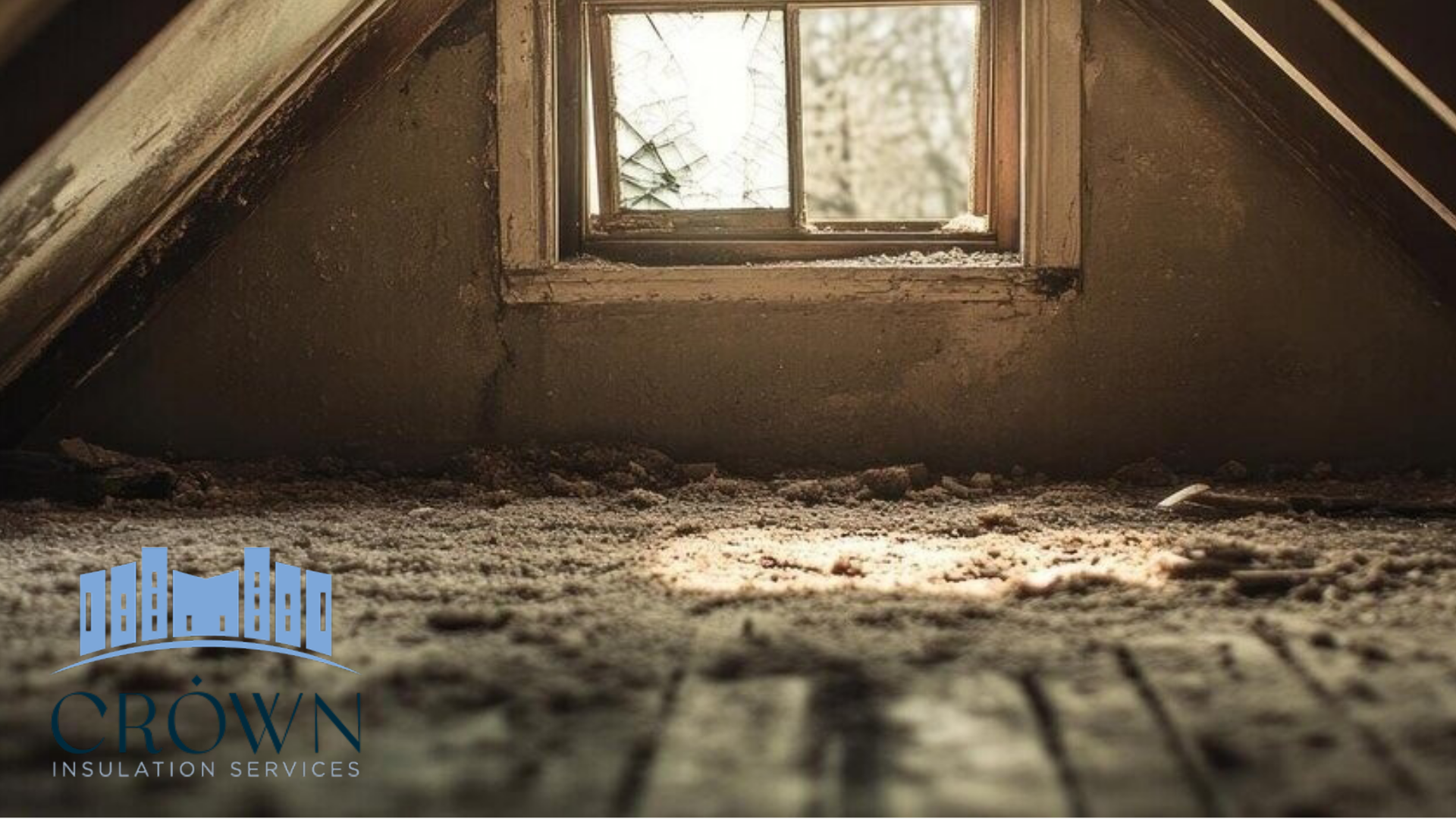
Most families in North Stamford or Harbor Point think of their home as the safest place to be. But sometimes, the air inside your house can actually be yuckier than the air outside! Doctors and scientists call this “Sick Building Syndrome.” It happens when the hidden parts of your house, like the attic and the dark spaces under the floor, get dirty or wet without you knowing it.
The “Lungs” of Your House
While many people spend money on pretty new kitchens, they forget about the insulation. Think of insulation like the “lungs” of your house. When it is old and dusty, it can’t help the house breathe clean air. In places like Riverside, where it gets very humid in the summer and freezing in the winter, old insulation can become a home for mold or even tiny mice.
How Bad Air Moves Around
You might think that stuff stays hidden in the walls, but it doesn’t! Because of something called the “Stack Effect,” your house acts like a giant straw. It sucks up air from the bottom and blows it out the top. This means that if there is mold or dust in your walls, it gets pulled right into your bedroom while you sleep. This is why some people find their allergies or asthma get worse when they are at home.
Turning Your Home Into a Healthy Sanctuary
To make a home healthy again, you have to fix the shell of the building. Many families in Stamford look at the spray foam insulation cost CT as a way to buy “health insurance” for their house. Unlike old stuffing, commercial spray foam CT acts like a sealed mask that stops bad air and moisture from getting inside.
If you are worried about dust or smells from under the house, looking into the crawl space encapsulation cost CT can help turn a dirty basement into a clean, dry area. By choosing a best rated insulation company CT, you aren’t just saving money on heat; you are making sure the air your family breathes is clean and safe. Whether it’s a new attic insulation CT project or a simple check-up, fixing the “lungs” of your house is the best way to keep everyone feeling great.
Can old insulation make you sick?
Yes, old insulation can trap moisture, mold, and rodent waste, which then circulates through your home’s air. A professional insulation contractor CT can remove these hazards and replace them with clean, airtight materials. This prevents the “Stack Effect” from pulling pollutants into your living spaces and improves overall indoor air quality.
The Biological Reactor: Condensation, Cold Spots, and Black Mold
One of the most pervasive fears for homeowners in the Northeast is the discovery of toxic black mold (Stachybotrys chartarum) within their living space. While often associated with flooding or plumbing leaks, building science reveals that in Connecticut, the most common culprit is actually a failure of thermodynamics known as “interstitial condensation.” This process turns the hidden cavities of a home into a biological reactor during the winter months.
The Mechanism: When Warm Meets Cold
The physics driving this mold growth are straightforward but destructive. When a home lacks adequate insulation, the exterior sheathing and roof deck become incredibly cold, mirroring the freezing outdoor temperatures. Simultaneously, the interior of the home is heated to a comfortable 70°F. Without a robust thermal barrier to separate these two extremes, warm, moisture-laden air from the living space migrates into the wall cavities and attic.
When this warm air makes contact with the freezing cold surfaces of the structure, it instantly cools to its “dew point,” releasing its moisture as liquid water. This is not a leak from the outside; it is the house “sweating” from the inside out. This persistent dampness saturates wood framing and fiberglass batting, creating the perfect dark, wet, and cellulose-rich environment that toxic black mold requires to thrive.
The Risk: The HVAC Distribution Highway
The danger of this hidden mold growth is significantly amplified by the home’s mechanical systems. In many residential properties, the HVAC ductwork, specifically the return ducts, runs through these same attics and crawl spaces. If the ductwork is not perfectly sealed (which is rarely the case in older homes), the system acts as a vacuum, pulling mold spores and mycotoxins out of the dank cavities and injecting them directly into the airstream.
Once airborne, these particulates are distributed to every room in the house, settling on bedding, furniture, and carpets. For the occupants, this constant exposure can trigger a cascade of health issues, ranging from chronic sinus infections and watery eyes to severe asthma attacks and immune system suppression. Residents often mistake these symptoms for “seasonal allergies” or a lingering winter cold, unaware that their home’s respiratory system is poisoning their own.
The Fix: Eliminating the Moisture Source
Correcting this issue requires more than bleach and surface cleaning; it demands a fundamental change to the building envelope. While a general contractor might suggest simply replacing the moldy drywall, a temporary band-aid that will eventually fail again, building science experts like Crown Insulation Services prioritize the elimination of the moisture source itself.
The solution lies in professional air sealing. By applying high-performance materials that create a monolithic air barrier, they physically prevent warm, moist indoor air from ever reaching the cold exterior surfaces. This stops the condensation cycle before it begins. As a specialized insulation contractor CT, Crown Management Services and Insulation approaches mold remediation through the lens of physics. They understand that by controlling the airflow, they control the moisture, effectively starving the mold of the water it needs to survive and restoring the home to a safe, dry equilibrium.

The Dust of Decades: Vermiculite, Asbestos, and Fiberglass Decay
While biological threats like mold grow actively, another silent hazard in older Connecticut homes comes from the degradation of the insulation materials themselves. Many properties built before the 1990s still rely on insulation products that were either inherently dangerous or have deteriorated over decades into breathable particulates. As these materials break down, they contribute to a “dust of decades” that settles in the lungs of the home’s inhabitants.
The Asbestos Threat: The Vermiculite Legacy
The most severe of these threats is vermiculite insulation, a pebble-like material frequently found in the attics of homes built or renovated between 1940 and 1990. A significant portion of this material originated from a specific mine in Libby, Montana, which was contaminated with tremolite asbestos. In Connecticut’s aging housing stock, this material remains a prevalent, often hidden, danger.
Vermiculite poses a unique risk because it is loose-fill; unlike batts, it can easily shift and become airborne when disturbed by minor vibrations, attic access, or even strong drafts. Breathing in asbestos fibers creates a risk for serious long-term respiratory diseases, including lung cancer and mesothelioma. Because the asbestos fibers are microscopic and invisible to the naked eye, homeowners cannot simply “check” for it themselves. The Environmental Protection Agency (EPA) strongly advises against disturbing this material, making professional testing and abatement an absolute imperative before any renovation or energy upgrade can occur.
Fiberglass Failure: The Irritant in the Air
While less toxic than asbestos, traditional fiberglass insulation also has a limited lifespan. Over decades, the binding agents in older fiberglass batts begin to break down, causing the material to become brittle and friable. As the insulation disintegrates, it releases millions of tiny glass fibers into the air.
In homes with forced-air heating and cooling systems, these glass particulates are frequently drawn into leaky return ducts and blown throughout the living space. Residents may notice a persistent accumulation of unexplained dust, or experience physical symptoms such as dry coughing, sore throats, and skin irritation (contact dermatitis) without realizing the cause is their degrading attic insulation. Essentially, the material meant to keep the home warm is slowly becoming part of the air the family breathes.
The Solution: Safe Removal and Decontamination
Addressing these hazards is not a DIY project; it requires strict containment protocols to prevent contaminating the entire home during removal. Crown Insulation Services positions themselves as experts in the safe remediation of these legacy materials. Their process involves more than just pulling out old batting; it includes sealing the work area, utilizing negative air pressure machines to trap particulates, and vacuuming substrate surfaces with HEPA-filtration equipment.
By acting as a specialized insulation contractor CT, their team ensures that hazardous decay is completely removed from the building envelope. Once the “dust of decades” is cleared, they prepare the space for modern, safe, and inert insulation solutions, giving homeowners peace of mind that their attic is no longer a chemical liability.
The Unwanted Roommates: Rodents and Bio-Hazard Contamination
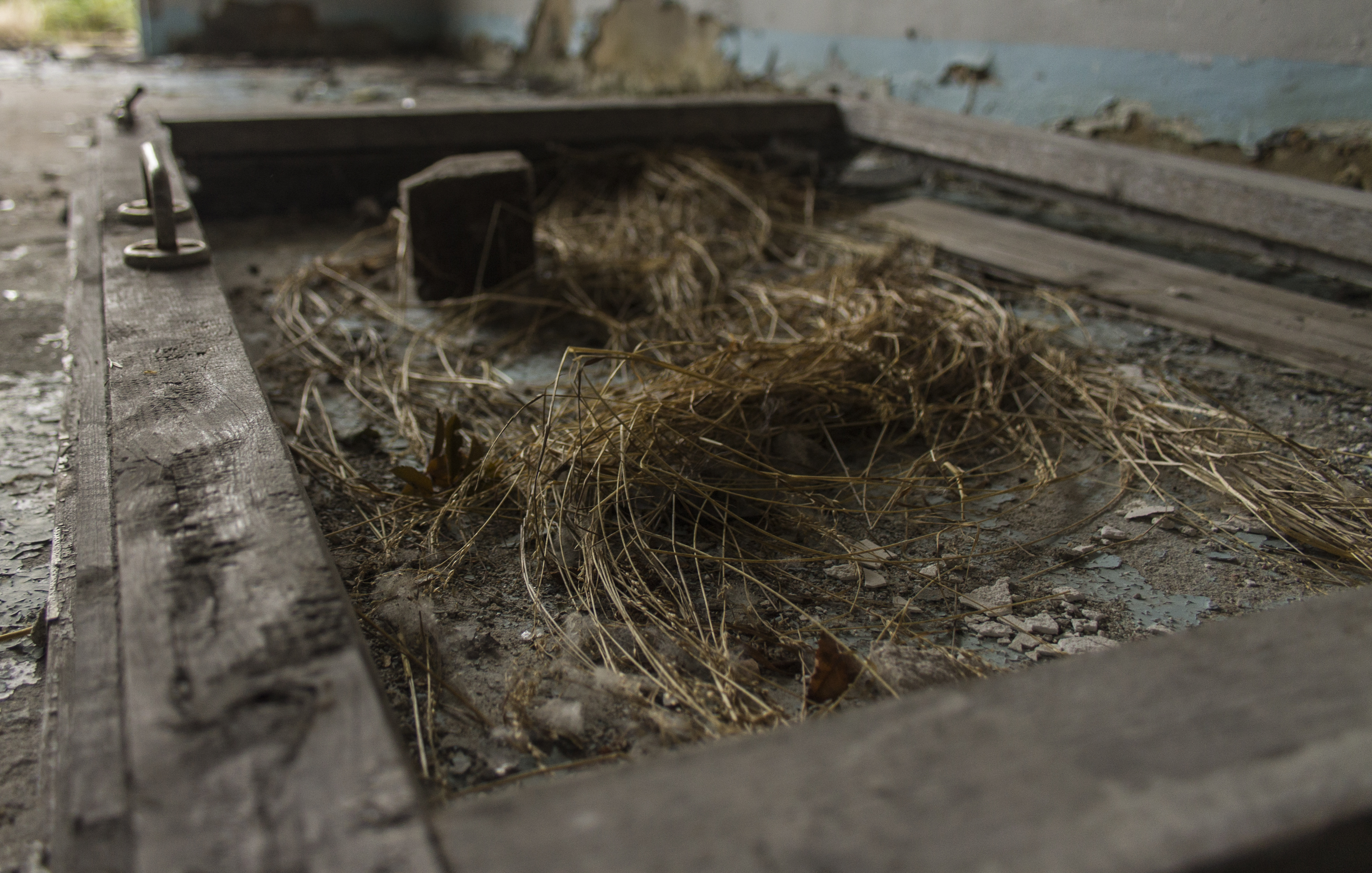
For many Connecticut homeowners, the first sign of an insulation failure is not a draft, but the unsettling sound of scratching in the walls or ceiling at night. This common complaint is a clear indicator that the building envelope has been breached. While a rodent infestation is often viewed as a nuisance, building science classifies it as a severe environmental health hazard. The reality is that traditional insulation materials are not just passive observers of this problem; they are often the primary attraction.
The Nesting Ground: Why Pests Prefer Fiberglass
Mice, squirrels, and raccoons do not enter attics simply to escape the cold; they are seeking a specific environment to raise their young. Traditional materials like fiberglass batts and blown-in cellulose are soft, malleable, and thermally retentive, properties that make them excellent for insulating a home, but unfortunately, perfect for constructing a nest.
Pests can easily tunnel through these fibrous materials without compromising the nest’s structure, creating complex “highways” beneath the attic floorboards. Over time, this activity compresses the insulation, ruining its R-value, while the pests utilize the material itself to line their nests. In many inspections, Crown Insulation Services finds that the “pink insulation” has been shredded and contaminated, serving as a comfortable incubator for generations of rodents.
The Bio-Hazard: Breathing What They Leave Behind
The presence of rodents introduces
a biological payload that is far more dangerous than the physical damage they cause. Mice and rats do not have bladder control; they urinate constantly as they move through their tunnels. In a fiberglass-insulated attic, this urine is absorbed by the insulation like a sponge, while fecal pellets accumulate in the millions.
As these waste products dry, they break down into microscopic hazardous particulates. The danger arises when the home’s natural airflow, specifically the “Stack Effect”, pulls air from the attic down into the living space or through leaky HVAC ducts. According to the Centers for Disease Control and Prevention (CDC), breathing in dust contaminated with rodent urine or droppings can expose residents to serious diseases, including Hantavirus Pulmonary Syndrome and Salmonellosis. This transforms the attic from a storage space into a bio-hazard zone, where the very air circulating through the home carries potential pathogens.
The Defense: The Spray Foam Barrier
To permanently evict these “unwanted roommates,” the solution must go beyond traps and poison; it requires removing the habitat entirely. Crown Insulation Services advocates for the replacement of soft, nesting-friendly materials with high-density spray foam.
Unlike fiberglass, cured closed-cell spray foam is a rigid, dense plastic that offers no nutritional value and is impossible to burrow into for nesting. Furthermore, because spray foam expands to seal every crack and penetration in the roof deck and rim joist, it physically blocks the tiny entry points, some as small as a dime, that mice use to gain access. By creating a hard, monolithic seal, Crown Management Services and Insulation not only restores the thermal boundary but establishes an impenetrable fortress that keeps the ecosystem outside, ensuring the home remains safe, sanitary, and exclusive to its human inhabitants.
Engineering the Healthy Home: The Crown Insulation Standard
Ultimately, a truly healthy home cannot be built on a foundation of decay. Building science professionals agree that for families suffering from poor indoor air quality (IAQ), the only effective solution is a “total system overhaul.” This means rejecting the common, low-cost band-aid of “topping off” old insulation and instead opting for a complete removal and remediation strategy.
Why “Topping Off” Is a Dangerous Half-Measure
Many homeowners are tempted by the lower upfront cost of simply adding new blown-in cellulose over existing fiberglass batts. However, industry experts warn that this practice is akin to painting over a moldy wall. Topping off old insulation traps decades of accumulated dust, rodent feces, and mold spores underneath, effectively sealing contaminants into the home forever. Furthermore, without removing the old material to expose the air leaks (or “bypass points”), it is impossible to properly seal the attic floor. The result is a thicker layer of insulation that still allows dirty air to leak into the living space, offering little improvement in air quality or health.
A Specialized Remediation Team
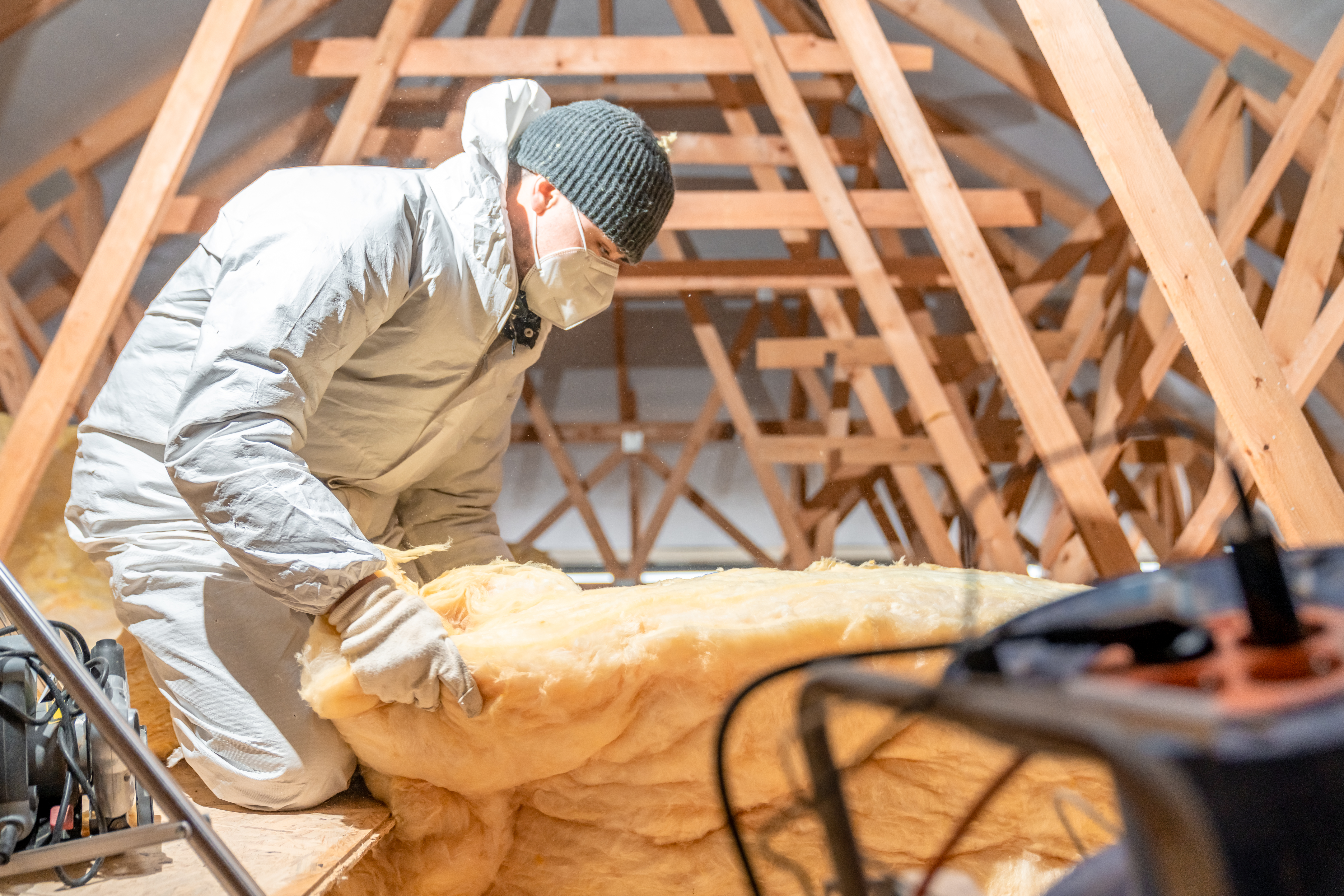
To turn a hazardous attic into a clinically clean environment, property owners require more than a general handyman; they need a specialized remediation team. Crown Insulation Services approaches each project with a rigorous protocol designed to protect the household during the process. Their technicians utilize commercial-grade vacuums with HEPA filtration to extract old material without contaminating the living space.
By functioning as a premier insulation contractor CT, they strip the attic down to the bare joists, allowing for a complete inspection of the structure. This “clean slate” approach ensures that every gap, wire penetration, and plumbing chase is visible and can be permanently sealed with high-performance spray foam. Crown Management Services and Insulation treats the building envelope as a unified system, ensuring that the new insulation is not just a thermal blanket, but a hygienic barrier.
A Permanent Health Defense
The investment in a full removal and spray foam upgrade pays dividends in family health. Post-remediation, homeowners report an immediate improvement in air quality, with significant reductions in dust levels and allergy symptoms. By creating an airtight seal, the new system stabilizes indoor humidity, preventing the conditions that allow mold to return. Additionally, the hardened foam barrier makes the attic impenetrable to future rodent infestations.
For Connecticut families, the result is a home that actively defends their health, a sanctuary where the air is clean, the temperature is stable, and the walls are free from hidden biological threats.

 Dubb
Dubb