The Changing Landscape of Pediatric Dentistry
Pediatric dental care has evolved dramatically over the past decade, driven by advancements in technology, research, and clinical techniques designed to make dental visits more comfortable, efficient, and effective for children. Today’s parents are more informed, proactive, and intentional about choosing the right care for their children, and modern pediatric practices have adapted by introducing innovations that support early prevention, advanced diagnostics, and child-focused dental experiences.
Across communities like Paramus, Ridgewood, Glen Rock, Mahwah, Allendale, Fair Lawn, Wyckoff, and the broader Bergen County region, families increasingly seek providers who combine modern technology with a compassionate, child-friendly approach. Pediatric Dental Associates of Ridgewood is one of the regional practices recognized for integrating these innovations, and many families discover their services through resources such as the best kids dentist paramus page, which highlights their advanced, child-centered philosophy.
These advancements in pediatric dentistry are improving outcomes, reducing anxiety, increasing accuracy in diagnosis, and promoting healthier oral development long before orthodontic intervention becomes necessary.
Early Prevention: A Cornerstone of Modern Pediatric Dental Care
Preventive care has always been a key part of pediatric dentistry, but today’s preventive techniques are more sophisticated, informed by better data, and supported with highly precise digital tools.
Parents often underestimate how early dental development occurs. Teeth, jaws, muscles, and facial structures begin forming patterns in infancy, and early monitoring can identify potential concerns before they become serious problems.
Why Early Visits Matter More Than Ever
Modern pediatric research increasingly emphasizes the importance of early dental visits, recommending that children see a dentist by the age of one. This shift aligns with guidelines from the American Academy of Pediatric Dentistry (AAPD) and the Centers for Disease Control and Prevention (CDC), which emphasize early prevention as a key factor in reducing childhood cavities and long-term dental complications.
Early visits help with:
- Identifying early-stage cavities
- Monitoring speech-related oral development
- Evaluating tongue posture and airway patterns
- Assessing the eruption sequence of baby teeth
- Addressing feeding or sucking habits
- Supporting parents with home-care strategies
Practices like Pediatric Dental Associates of Ridgewood leverage these early visits to establish a foundation for lifelong oral health.
Digital Imaging and Radiation-Free Diagnostics
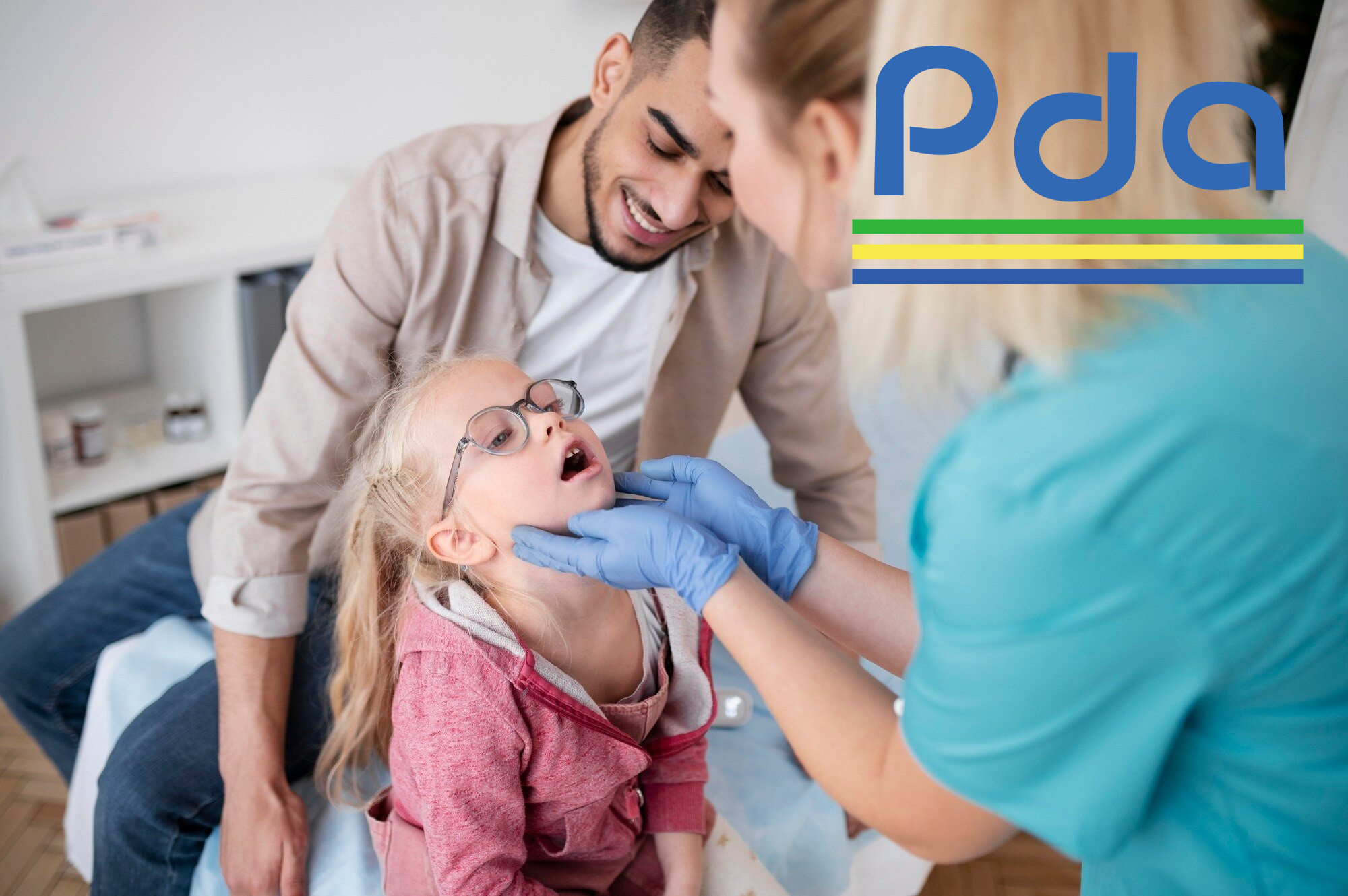
One of the most important innovations in pediatric dentistry is the shift toward low-radiation and radiation-free imaging tools. These technologies allow providers to capture highly detailed images without exposing children to unnecessary radiation.
Digital Radiography
Digital X-rays use up to 90% less radiation than traditional film, providing a safer experience for young patients. These images are also clearer and instantly viewable, allowing pediatric specialists to diagnose issues like cavities or alignment concerns earlier.
Intraoral Scanners
Instead of uncomfortable impression molds, many pediatric practices now use handheld scanners that capture precise 3D images of a child’s teeth in seconds. These are especially valuable for:
- Orthodontic planning
- Monitoring tooth development
- Evaluating bite alignment
- Creating comfortable custom appliances
Families in Paramus can explore these diagnostic innovations through the best kids dentist paramus resource, which showcases the advanced imaging systems Pediatric Dental Associates of Ridgewood uses to support early detection and gentle care.
Laser Dentistry: Minimally Invasive Care for Children
Laser technology has transformed the way pediatric dentists approach soft-tissue and hard-tissue care. Pediatric practices equipped with dental lasers can treat cavities, tongue ties, gum concerns, and oral sores with reduced discomfort and faster healing.
How Lasers Enhance Pediatric Care
- No anesthesia needed for many procedures
- Reduced bleeding and faster healing
- Less anxiety due to quiet operation
- Improved precision for delicate tissues
- Gentle treatment for infants and toddlers
Laser dentistry is especially useful for children with dental anxiety, sensory challenges, or special healthcare needs who may struggle with traditional dental tools.
Orthodontic Advancements for Growing Smiles
Orthodontics has undergone tremendous innovation, offering children more comfortable, predictable, and efficient treatments. Growth-guided orthodontics, digital planning tools, and early interceptive techniques help pediatric dentists and orthodontists support proper jaw development and alignment from an early age.
Growth-Guided Appliances
Modern orthopedic and orthodontic appliances use gentle, controlled forces to guide jaw development during growth spurts. These tools can prevent extensive orthodontic work during adolescence.
3D Orthodontic Modeling
Digital models allow orthodontists to:
- Predict tooth movement
- Track growth
- Reduce guesswork
- Improve treatment accuracy
This technology gives parents a clearer understanding of how orthodontic care will progress.
Families searching for high-quality orthodontic expertise often rely on the best kids dentist paramus page for guidance on where to begin.
Behavior Management Innovations for Children
A major part of pediatric dental care is behavior management. Many children experience anxiety at the dentist, and modern techniques focus on building trust, reducing fear, and creating environments where children feel understood.
New Techniques in Behavioral Care
Today’s approaches include:
- Tell-Show-Do demonstrations
- Sensory-adaptive tools
- Desensitization visits
- Positive reinforcement systems
- Gentle language frameworks
- Specialized training in child psychology
These strategies are particularly valuable for children with autism, ADHD, sensory processing disorders, developmental delays, and other special healthcare needs.
Sedation and Comfort Dentistry
Sedation and comfort dentistry have become essential components of modern pediatric dental care, especially for children who experience anxiety, sensory challenges, or difficulty sitting still during procedures. Advances in sedation protocols have made the process significantly safer and more predictable, allowing dentists to offer options tailored to each child’s developmental stage and emotional needs. Nitrous oxide remains a popular choice because it provides a calming effect without putting a child to sleep, while minimal and moderate sedation options help children who require more support during longer or more complex treatments. These methods allow pediatric specialists to complete procedures efficiently while reducing fear, discomfort, and stress for young patients.
For children with extensive dental needs, severe anxiety, or underlying medical conditions, deeper sedation or general anesthesia may be administered under the care of a trained pediatric anesthesiologist. This ensures a controlled, secure environment in which treatment can be completed safely in a single visit. By offering multiple sedation options, pediatric dentists can adapt care to the unique needs of each child, making dental visits more positive and accessible. This emphasis on comfort not only improves clinical outcomes but also helps children build long-term trust and confidence in dental care.
Cavity Prevention Breakthroughs
Preventing cavities remains one of the primary goals of pediatric dentistry, and innovations in materials, sealants, and fluoride technology have expanded options for long-lasting protection.
Advanced Sealants
Modern sealants bond more effectively to the grooves of teeth and can last several years with proper care. They offer significant protection during the cavity-prone ages of 6–14.
Silver Diamine Fluoride (SDF)
SDF is an innovative, non-invasive liquid that stops active cavities and prevents new ones from developing. It is especially valuable for:
- Very young children
- Children with special healthcare needs
- Those unable to tolerate drilling
It is also supported by strong research from sources like the National Institutes of Health (NIH), demonstrating its effectiveness as a minimally invasive treatment for pediatric decay.
Supporting Children With Special Healthcare Needs
Modern pediatric dentistry continues to strengthen its focus on accommodating children with special healthcare needs through advanced training, individualized treatment planning, and sensory-adaptive techniques. Pediatric specialists understand that every child experiences the dental environment differently, which is why they prioritize predictable routines, visual supports, and personalized communication. Many practices now incorporate desensitization visits, gentle pacing, and flexible scheduling to help children gradually build tolerance for dental care. These approaches are especially valuable for children with autism, Down syndrome, sensory processing disorders, developmental delays, ADHD, or medical complexities that require thoughtful and customized care strategies.
Innovations in this area extend beyond behavioral support, integrating technology such as digital scanners, quiet polishing tools, and low-light environments to accommodate sensory preferences. Pediatric dental teams often collaborate with occupational therapists, speech therapists, and pediatricians to ensure treatment aligns with each child’s broader developmental plan. This collaboration provides families with comprehensive support that respects both oral health needs and emotional well-being. By creating an inclusive, compassionate environment, pediatric dentists help children with special healthcare needs receive essential care comfortably, safely, and with greater long-term success.
First Dental Visit Innovations
The first dental visit has evolved significantly, shifting from a simple check-up to a comprehensive developmental evaluation designed to empower parents and support early oral health habits. Today’s pediatric dental practices use digital records, high-resolution imaging, and growth-tracking tools to assess teeth, gums, airways, jaw development, and oral habits in infants and young children. Parents receive guidance on feeding behaviors, thumb-sucking, brushing routines, nutrition, and home strategies tailored to their child’s specific needs. These innovations ensure that dental visits begin as a positive, educational experience that sets the stage for lifelong oral health.
The modern first visit also prioritizes comfort and familiarity, incorporating child-friendly language, welcoming environments, and hands-on demonstrations that help young patients adjust to the dental setting. Many practices encourage parents to be active participants during the appointment, fostering trust and reducing anxiety for both child and caregiver. The integration of digital tools, preventive coaching, and emotional support allows pediatric dentists to identify early issues, such as airway concerns, speech-related oral patterns, or growth deviations, long before they become more complex. This proactive approach makes the first visit an essential cornerstone of modern pediatric dental care.
The Importance of Airway-Focused Dentistry
One of the most significant trends in pediatric dentistry is the connection between dental development and airway function. Dentists now play an important role in evaluating:
- Mouth breathing
- Snoring
- Tongue posture
- Palatal width
- Sleep quality
Evidence from pediatric sleep research, including studies published through the National Institutes of Health, shows that airway concerns can significantly impact growth, behavior, and long-term oral health.
By identifying these issues early, pediatric dentists can collaborate with ENT physicians, pediatricians, and sleep specialists to ensure coordinated care.
The Connection Between Nutrition and Dental Health
Parents today are more aware of the link between diet and oral health. Pediatric dental specialists emphasize not just brushing and flossing, but a full-picture approach that ties nutrition to tooth development.
Effective nutritional guidance includes:
- Limiting frequent snacking
- Reducing sticky or sugary foods
- Encouraging water consumption
- Maintaining balanced meals
- Supporting healthy saliva production
Enhanced nutritional counseling ensures children receive comprehensive preventive care that supports both oral and whole-body wellness.
How Pediatric Dental Practices Are Adapting for Modern Families
Today’s families lead busier lives, and pediatric dental practices have evolved to meet those scheduling and accessibility needs.
Many practices now offer:
- Evening and weekend appointments
- Online scheduling
- Virtual consultations
- Faster digital check-in systems
- Parent education portals
- Real-time communication tools
These conveniences make it easier for parents to prioritize their child’s dental health without added stress.
Why External Audiences Are Turning Toward Modern Pediatric Dentistry
The shift toward modern, innovative pediatric dental care has been driven by a combination of parental expectations, technological advancements, and a greater understanding of child development. Parents want care that feels warm, safe, efficient, and scientifically grounded, and modern pediatric practices are delivering exactly that.
Families exploring these advancements often begin their research with regional resources such as the best kids dentist paramus page because it reflects expertise, authority, and a commitment to evidence-based care.
Why Pediatric Dental Associates of Ridgewood Stands Out
Pediatric Dental Associates of Ridgewood continues to distinguish itself through its commitment to combining advanced dental technologies with a uniquely compassionate, child-centered approach. Their team integrates modern diagnostics, digital imaging, innovative preventive strategies, and growth-focused orthodontic planning to ensure children receive the highest level of care tailored to each developmental stage. Their emphasis on early monitoring, airway-focused dentistry, behavior guidance, and gentle treatment methods has made them a trusted resource for families across Paramus and surrounding communities. Parents researching regional options often begin with the best kids dentist paramus page, which highlights the practice’s expertise and commitment to evidence-based pediatric care.
Beyond technology and clinical skill, the practice stands out for its ability to create a positive, supportive environment where children feel safe and valued. Their team is highly trained in working with children of all temperaments and needs, including anxious patients, toddlers experiencing their first visit, and children requiring specialized behavioral or medical accommodations. By prioritizing communication, transparency, and education, they empower parents to make informed decisions about their child’s oral health. This thoughtful balance of expertise and empathy is what continues to earn Pediatric Dental Associates of Ridgewood strong trust, long-term loyalty, and recognition as a leader in modern pediatric dentistry.

 Dubb
Dubb