
Improving energy efficiency, indoor air quality, and HVAC longevity for homes and businesses in Orlando.
Ductwork insulation is one of the most overlooked yet impactful upgrades property owners can make to improve the performance and efficiency of their HVAC systems. Whether you’re managing a commercial facility or looking to create a more comfortable home, the benefits of investing in duct insulation extend far beyond monthly utility savings.
Properly insulated ductwork plays a critical role in improving energy efficiency, indoor air quality, and HVAC longevity for homes and businesses in Orlando by reducing the amount of energy lost as heated or cooled air travels through the system. In uninsulated or poorly insulated ducts, temperature fluctuations can lead to energy waste, inconsistent airflow, and unnecessary strain on HVAC components, resulting in higher energy bills and more frequent repairs.
For homeowners, this means a quieter, more reliable system that maintains consistent indoor temperatures. For businesses, especially those operating in temperature-sensitive environments like restaurants, retail stores, or healthcare facilities, duct insulation becomes essential in protecting products, enhancing customer comfort, and reducing overhead costs.
In terms of health, insulation helps prevent the formation of condensation within the ductwork, which can lead to mold growth and the spread of airborne contaminants. By minimizing moisture and sealing air leaks, insulation directly contributes to improving indoor air quality, creating a cleaner and safer breathing environment.
Moreover, reducing temperature stress on HVAC components helps extend the life of your system. Fewer breakdowns, longer intervals between maintenance visits, and improved overall performance are just a few of the long-term benefits that tie into HVAC longevity.
Whether you’re planning a renovation, constructing a new property, or simply trying to reduce your carbon footprint, ductwork insulation is a smart, cost-effective solution for improving energy efficiency, indoor air quality, and HVAC longevity for homes and businesses in Orlando. By upgrading your system now, you’re not only investing in immediate comfort and savings but also securing a more sustainable and resilient property for the future.
How Ductwork Functions in HVAC Systems
Before examining the benefits of duct insulation, it’s essential to understand the role ductwork plays in HVAC operations. Ducts serve as air highways, distributing heated or cooled air from the central unit throughout the property. These networks of metal or flexible tubing are strategically installed behind walls, in ceilings, attics, or crawlspaces to channel air efficiently into various rooms and zones.
When these ducts are improperly insulated or left exposed to extreme temperature environments, air loss, temperature inconsistencies, and energy inefficiencies become common problems. Air traveling through unprotected ductwork can lose significant amounts of heat in winter or absorb unwanted warmth in summer, especially in spaces like unconditioned attics or basements. This forces the HVAC system to run longer cycles just to reach the desired indoor temperature, leading to unnecessary energy consumption and wear on components.
Poorly insulated ducts can leak conditioned air into unoccupied spaces like attics or crawlspaces, essentially wasting energy that was paid for but never felt. These leaks don’t just impact comfort, they contribute directly to increased utility costs, uneven room temperatures, and an overburdened system that may require more frequent repairs. Over time, this strain can reduce the system’s operational lifespan and result in costly replacements far sooner than necessary.
Additionally, leaky or poorly insulated ductwork can create pressure imbalances in the home or building, drawing in dust, allergens, and pollutants from unconditioned areas. This not only affects indoor air quality but also diminishes the overall efficiency of air circulation throughout the structure.
Understanding how ductwork functions, and how insulation enhances that function, is the first step toward maximizing the performance, longevity, and energy savings of your HVAC system.
What Is Ductwork Insulation?
Duct insulation involves wrapping air ducts with materials designed to limit heat transfer and prevent condensation. Depending on the structure and local climate, various insulation types may be used, including:
- Fiberglass duct wrap
- Foil-faced insulation board
- Spray foam insulation
For humid climates like Orlando, insulation also acts as a barrier against moisture, helping reduce the risk of mold and mildew buildup within the ducts.
Professionally installed Ductwork Insulation Installation Orlando ensures correct materials and techniques are used for long-term durability and performance.
Long-Term Financial Benefits of Duct Insulation
One of the most compelling reasons to invest in duct insulation is its financial return. It provides both immediate and long-lasting cost savings:
Lower Energy Bills
According to the U.S. Department of Energy (DOE), up to 30% of the energy used to heat or cool a home is wasted through duct leaks and inadequate insulation. Proper insulation prevents this loss, making your HVAC system more efficient.
Extended HVAC System Lifespan
By minimizing strain on HVAC components, insulation reduces wear and tear, potentially delaying the need for expensive repairs or replacements. This can extend the life of both residential and commercial systems by several years.
Increased Property Value
Energy-efficient upgrades are increasingly attractive to homebuyers and commercial tenants. A property with professionally installed duct insulation is more marketable and may command a higher resale or lease value.
Enhanced Indoor Comfort and Air Quality
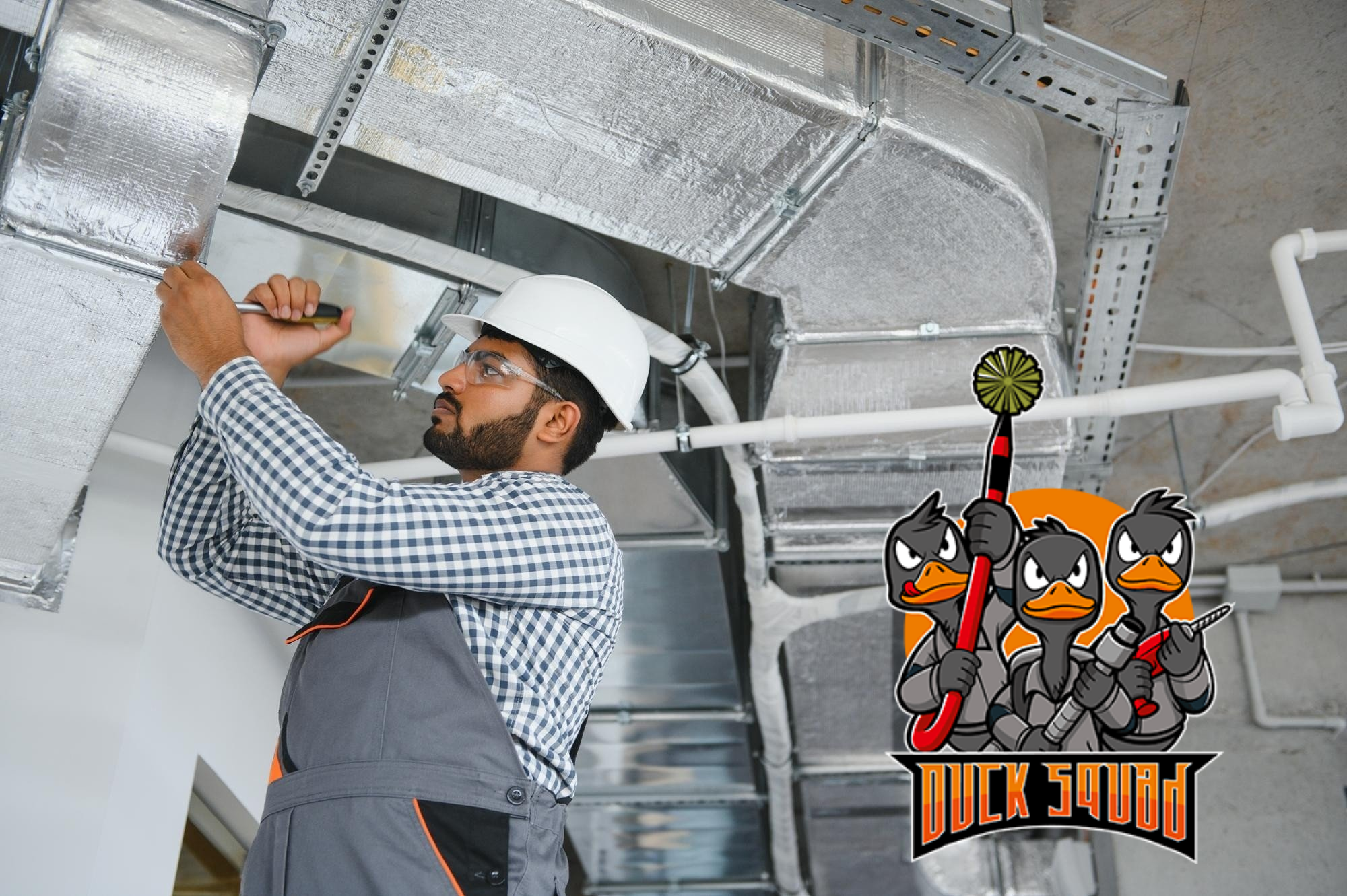
Uninsulated ducts can lead to hot and cold spots throughout a building, especially in multi-story properties or those with complex duct networks. Insulated ductwork helps regulate consistent temperatures and improves overall indoor comfort.
Reduced Dust and Pollutants
Sealed and insulated ducts minimize the infiltration of dust, debris, and outdoor allergens. This is particularly important in environments with pets, high humidity, or frequent foot traffic.
Professionally installed Duct Cleaning service Orlando can also complement insulation by removing buildup before sealing the duct system.
Moisture and Mold Prevention
In a humid area like Orlando, duct condensation is a frequent concern. Insulation prevents warm, moist air from condensing on cool duct surfaces. The Centers for Disease Control and Prevention (CDC) highlights how mold exposure can impact health, making moisture control critical.
Environmental Impact of Duct Insulation
Insulating your ductwork doesn’t just benefit your wallet, it also supports broader environmental goals. As energy demand continues to rise, taking steps to improve the efficiency of HVAC systems has become both a practical and ethical responsibility. Duct insulation plays a key role in minimizing wasted energy, optimizing system performance, and promoting sustainable building practices.
Well-insulated duct systems reduce the amount of energy required to heat or cool a space. By preventing thermal losses in areas like attics, basements, or crawlspaces, insulation ensures that air reaches its destination at the intended temperature without forcing the HVAC system to work overtime. This efficiency translates into direct environmental benefits by decreasing overall power consumption and limiting strain on electrical grids, especially during peak usage periods.
Lower Greenhouse Gas Emissions
Using less energy for heating and cooling means fewer emissions from power plants. This small change contributes to large-scale sustainability goals, especially when multiplied across multiple properties or entire commercial portfolios. In regions where electricity is generated from fossil fuels, the cumulative effect of widespread duct insulation can significantly lower CO₂ and other harmful greenhouse gas emissions.
Commercial buildings, in particular, stand to make a notable impact. Office spaces, retail centers, and industrial facilities with expansive HVAC systems can reduce their environmental footprint by upgrading their ductwork insulation, helping organizations meet internal sustainability targets and comply with evolving environmental regulations.
Alignment with Energy Efficiency Initiatives
Energy-efficient duct systems align with green building certifications and local rebate programs. These incentives may offset installation costs, increasing the overall ROI of the investment. Programs like ENERGY STAR®, LEED (Leadership in Energy and Environmental Design), and local utility efficiency rebates often recognize duct insulation as a qualifying improvement under their guidelines.
For builders, developers, and property managers, this alignment can be a strategic advantage, helping properties stand out in a competitive market while demonstrating a commitment to environmental stewardship. From a long-term perspective, these initiatives not only reduce operational costs but also enhance building value and occupant appeal.
By investing in duct insulation, you’re not just improving comfort and efficiency, you’re contributing to a cleaner, more sustainable future. It’s a smart move for your home or business and a meaningful step toward reducing environmental impact.
How to Know When Duct Insulation Is Needed
Many property owners aren’t aware their ductwork is underperforming. Because ductwork is usually hidden behind walls, ceilings, or in attics, it’s easy to overlook signs of wear, damage, or poor insulation. Recognizing the signs of inadequate insulation helps determine when to act, before issues escalate into costly repairs or long-term energy waste.
Common Warning Signs
Here are the most frequent indicators that your duct insulation may need attention:
- Rooms that are difficult to heat or cool
If certain rooms in your home or building consistently feel too hot in the summer or too cold in the winter—despite thermostat adjustments, it may signal that duct insulation is failing to maintain temperature integrity along the airflow path. - Noticeable drafts or airflow inconsistencies
Uneven airflow from vents or sudden drafts in certain areas can be a red flag. These symptoms often point to duct leaks or sections where insulation has deteriorated, allowing conditioned air to escape or unwanted air to enter. - Unusual spikes in energy bills
A sudden or gradual increase in utility costs without a corresponding change in usage can indicate that your HVAC system is working harder than necessary to maintain comfortable indoor conditions, often due to heat loss through uninsulated or poorly insulated ducts. - Condensation on duct surfaces
Moisture forming on the outside of your ductwork is not just a cosmetic issue, it can be a sign of poor insulation. When warm air inside the ducts meets cooler surrounding air, condensation can develop, increasing the risk of mold growth and corrosion over time. - Visible damage to existing insulation
If ductwork is accessible (such as in attics or basements), a visual inspection may reveal torn, missing, or degraded insulation. Damaged insulation can’t effectively protect the air inside the ducts, compromising system performance and efficiency.
If any of these symptoms are present, it’s time to consider a professional inspection. A qualified HVAC technician can assess the condition of your ductwork, identify problem areas, and recommend the most effective insulation solutions. Acting early can prevent energy waste, improve comfort, and extend the life of your HVAC system.
The Role of Insulation in Fire and Safety Compliance
While energy and comfort are top concerns, safety is another important reason to insulate ductwork properly. In both residential and commercial settings, HVAC ductwork can unintentionally become a conduit for fire and smoke if not adequately protected. Some insulation materials are rated for fire resistance, helping to reduce the spread of flames through ducts during a fire emergency.
Specialized fire-resistant insulation, such as fiberglass or mineral wool with fire-rated jackets, is designed to withstand high temperatures and delay heat transfer. When installed correctly, this type of insulation can help contain a fire to its point of origin, slow the spread of smoke, and give occupants more time to evacuate. It also supports first responders by minimizing rapid fire expansion through ventilation systems.
This is particularly critical in buildings with high occupancy or stringent safety regulations, such as schools, healthcare facilities, multifamily housing, and industrial environments. In these contexts, duct insulation isn’t just about performance, it’s about life safety.
Compliance with Building Codes and Safety Standards
Professional teams are trained to comply with local building codes and safety standards, providing peace of mind that the installation is both effective and compliant. Depending on your location and building type, insulation must meet standards outlined by organizations like:
- The National Fire Protection Association (NFPA)
- The International Building Code (IBC)
- The ASHRAE Standard 90.1 for energy-efficient design
- Local municipal and fire department regulations
These codes may specify minimum fire resistance ratings, flame-spread indexes, and insulation placement in areas such as vertical shafts, plenum spaces, or fire-rated walls and ceilings. Failure to meet these requirements can result in failed inspections, fines, or liability in the event of a fire.
Choosing a certified HVAC contractor ensures that duct insulation is not only energy-efficient but also aligned with the highest safety standards. It’s an investment that protects both property and people, bringing together performance, compliance, and peace of mind in one solution.
The Importance of Professional Installation
While DIY insulation kits are available, they often lack the durability, sealing capability, and code compliance offered by professional installations. Experts ensure insulation is applied:
- With proper thickness and R-values
- Without compromising duct access or performance
- Using moisture barriers in high-humidity areas
A qualified provider of Ductwork Insulation Installation Orlando will also inspect for air leaks and damage before beginning the insulation process.
Integrating Insulation with Other HVAC Services
To maximize performance, insulation should be part of a broader HVAC maintenance strategy that includes cleaning and ventilation services.
Why Cleaning Matters Before Insulating
Dirty ducts can trap particles under insulation, potentially leading to odors or reduced airflow. A thorough cleaning should always precede insulation to ensure the system is operating optimally.
- Consider a Dryer Vent Cleaning service In Orlando to prevent fire hazards and airflow restrictions.
- Schedule a Duct Cleaning service Orlando prior to installing new insulation.
Seasonal Maintenance Planning
Orlando’s climate requires strategic planning around HVAC maintenance. Spring and fall are ideal times for duct inspections, cleaning, and insulation work to prepare for temperature extremes.
What to Expect During a Professional Insulation Project
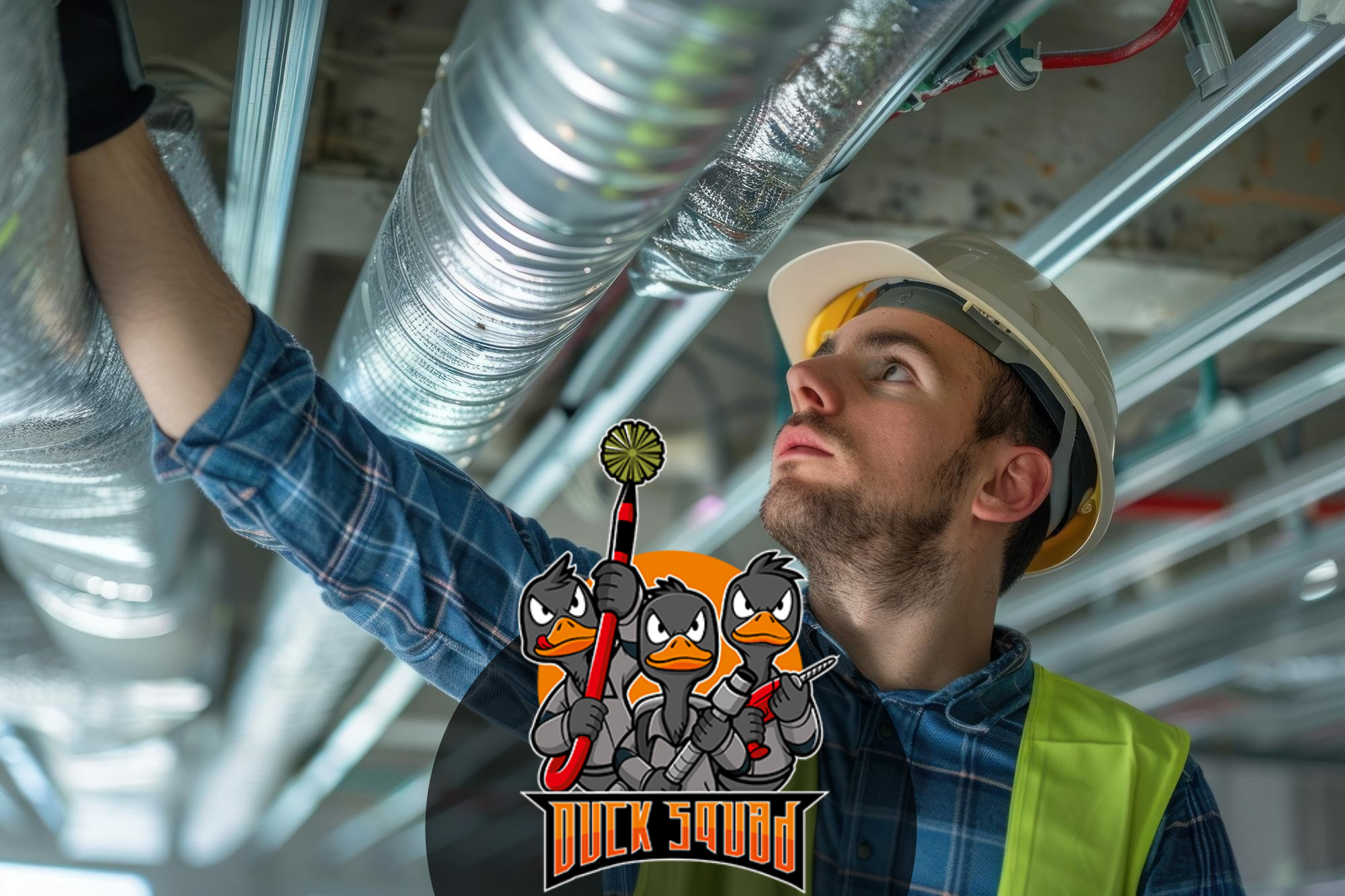
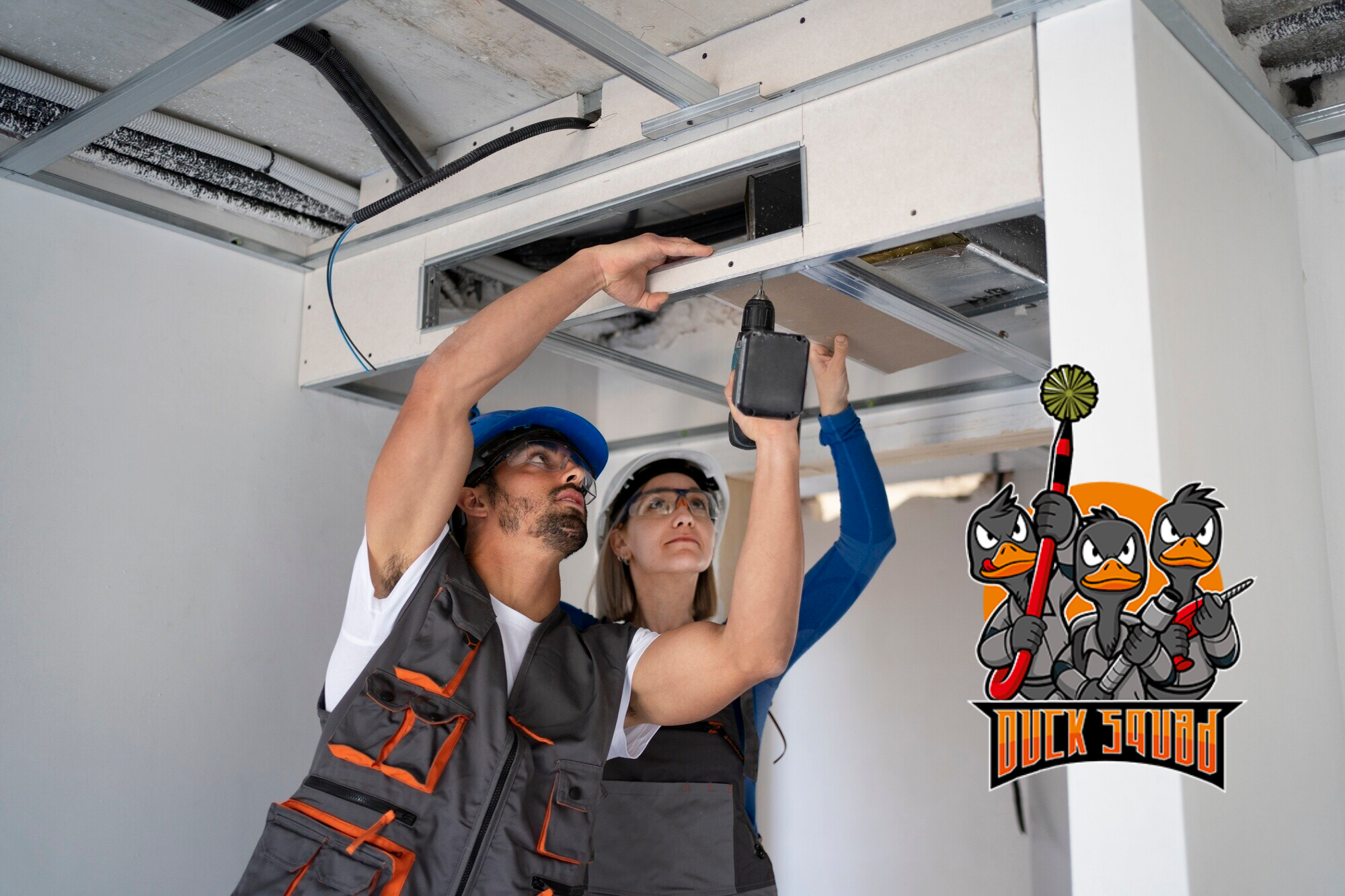
Understanding the steps of the installation process helps set realistic expectations and timelines. A professional duct insulation project is more than just wrapping materials around metal tubes, it’s a systematic process designed to optimize performance, ensure code compliance, and protect your long-term investment.
Here’s what property owners can typically expect during a professional duct insulation service:
Standard Process Includes:
- Initial system inspection and airflow testing
The process begins with a comprehensive evaluation of the HVAC system. Technicians assess airflow patterns, check for temperature inconsistencies, and use diagnostic tools to identify inefficiencies in your duct network. - Identification of leaks, damage, or contamination
Technicians inspect the ductwork for signs of air leaks, structural damage, mold, dust buildup, or moisture issues. These problems must be addressed before insulation can be effectively applied. - Cleaning and preparation of duct surfaces
Proper insulation requires clean, dry duct surfaces. Any contaminants, debris, or moisture are removed to ensure a strong bond between the ductwork and insulation material, preventing future deterioration. - Selection of insulation material
Based on your system’s needs, building type, and local code requirements, professionals will recommend the best type of insulation. Options may include fiberglass, foil-faced wraps, or fire-resistant materials, each suited for specific applications and environments. - Sealing and wrapping ducts to specification
Once prepped, ducts are sealed to prevent air leakage using mastic or foil-backed tape. Then, insulation is carefully applied and secured around each duct segment, ensuring full coverage and adherence to fire and energy codes. - Final inspection and performance testing
After installation, technicians perform a final check to confirm system performance improvements, verify the integrity of the insulation work, and ensure compliance with all applicable standards. Airflow and energy readings may be retaken to document efficiency gains.
In many cases, providers may also offer post-installation follow-up to ensure results are satisfactory and no further adjustments are needed. This step adds an extra layer of quality control and provides assurance that the system continues to perform optimally in the weeks following the upgrade.
By knowing what to expect, homeowners and facility managers can approach duct insulation projects with confidence, understanding both the short-term disruption and long-term value of professional installation.
Long-Term Maintenance Tips
To preserve the benefits of duct insulation, consistent maintenance is essential. While quality insulation can last for many years, its effectiveness depends on environmental conditions, system usage, and regular upkeep. Simple proactive steps can help property owners extend the life of their ductwork insulation and maintain peak HVAC performance.
Here are several best practices to follow:
- Inspect insulation annually for signs of wear, moisture, or pest intrusion
Perform a visual inspection, especially in accessible areas like attics or basements. Look for signs of deterioration such as fraying, moisture damage, mold, or evidence of rodents. Addressing minor issues early can prevent more costly repairs down the line. - Keep filters clean to reduce debris entering the ducts
A clogged or dirty air filter allows dust, allergens, and other contaminants to circulate through your HVAC system. These particles can build up inside the ducts, affecting airflow and potentially compromising the insulation. Replacing filters every 1–3 months (or as recommended by your system) is one of the easiest ways to protect duct integrity. - Schedule professional inspections every 2–3 years to assess system health
HVAC professionals can evaluate both the duct insulation and the overall system performance, identifying leaks, insulation gaps, or temperature inconsistencies that may go unnoticed during routine maintenance. These inspections are especially important in older buildings or in regions with high humidity or temperature extremes. - Monitor utility bills for sudden changes
A gradual increase in energy usage could indicate that your duct insulation is failing or that the system is overcompensating due to airflow loss. Staying aware of your energy patterns can provide early warnings of insulation issues.
Routine attention keeps insulation working effectively and HVAC systems operating smoothly. A well-maintained system not only performs better, it also lasts longer, costs less to operate, and continues to support a healthier indoor environment.
Why Local Expertise Makes a Difference
Climate, building codes, and system design all vary by region. Orlando properties face unique humidity and heat challenges that influence the type and thickness of insulation needed.
Choosing a provider familiar with Central Florida’s climate ensures better results, safer installation, and fewer issues down the road.
Professionals with local expertise can also help clients navigate rebate programs or local utility incentives.
Additional Health Benefits
Aside from energy savings and comfort, duct insulation can have tangible health advantages. By reducing mold risk and improving air circulation, it supports better respiratory health and overall wellness.
The U.S. Environmental Protection Agency (EPA) recognizes indoor air quality as a leading factor in public health. Investing in services that maintain cleaner air can be especially important for children, seniors, and individuals with respiratory conditions.
A Smart Investment for Homes and Businesses
While the initial cost of duct insulation may seem significant, the long-term advantages are undeniable. From energy savings and HVAC protection to improved air quality and regulatory compliance, the benefits compound over time.
For businesses, the payoff includes more consistent climate control, better tenant satisfaction, and reduced operational costs. For homeowners, it means greater comfort and lower bills year-round.
To ensure the job is done right, seek professional guidance from a trusted local expert. Whether you’re insulating a single-family home or a commercial property, investing in proper duct insulation is a decision that delivers lasting value.
Ready to optimize your HVAC system with long-lasting insulation? Reach out to an experienced local team today and schedule a comprehensive assessment to get started.
 Dubb
Dubb