Across the Northeastern United States, a distinct shift is underway in the custom residential market. High-performance homes, once considered a niche for sustainability enthusiasts, are increasingly becoming the benchmark for quality, resilience, and long-term value. What was once viewed as an alternative approach is now shaping mainstream expectations, as homeowners prioritize durability, comfort, and efficiency alongside architectural expression. Increasingly, performance is understood not as a technical add-on, but as a core design driver that informs every decision from site planning to envelope detailing. From the Hudson Valley and Catskills to coastal New England and suburban New Jersey, architects, builders, and developers are responding to growing demand for homes that integrate energy efficiency, environmental responsibility, and regional design intelligence. These homes are designed not only to perform well on paper, but to respond intelligently to climate, landscape, and the lived experience of their occupants, enhancing daily comfort while reducing long-term environmental impact.
This evolution is not simply aesthetic or technological. It reflects deeper economic, environmental, and cultural changes shaping how people live in the Northeast. Rising energy costs are prompting homeowners to seek long-term operational savings and greater predictability in household expenses, particularly in a region with significant seasonal heating and cooling demands. At the same time, stricter building codes are raising the baseline for performance across new construction, pushing both designers and builders to adopt more sophisticated approaches to insulation, air sealing, and mechanical systems. Climate volatility, from harsher winters to more frequent extreme weather events, is reinforcing the importance of resilient building envelopes and efficient systems that can withstand changing conditions without compromising comfort or safety. A more informed client base, educated about sustainability and lifecycle costs, is actively seeking architects who can translate these concerns into well-resolved design solutions rather than superficial upgrades or short-term trends.
Within this context, firms such as Wright Architects, a respected design practice based in New York’s Hudson Valley, are helping define what this new era of custom home design looks like, balancing rigorous building science with contextual, site-sensitive architecture. Their work illustrates how high-performance strategies can be seamlessly integrated into designs that respect local materials, landscapes, and architectural traditions. Rather than treating efficiency as a constraint, they approach it as an opportunity to refine form, improve spatial quality, and strengthen the relationship between a home and its setting. Their work reflects a growing understanding that high-performance design does not require sacrificing beauty, craft, or regional character. Instead, it demonstrates how thoughtful planning, material selection, and technical precision can come together to create homes that are both environmentally responsible and deeply connected to their place, setting a new standard for custom residential architecture across the Northeast.
Regional Forces Driving High-Performance Residential Design
High-performance housing in the Northeast is emerging in response to a unique convergence of regional pressures. Unlike other parts of the country, the Northeast presents architects with demanding climatic conditions, layered regulatory environments, and historically rich landscapes that require thoughtful intervention rather than generic solutions.
Key regional drivers include:
- Cold winters and humid summers that necessitate advanced thermal envelopes and moisture management
- Aging housing stock, much of it energy-inefficient and poorly insulated
- Increasingly stringent state and municipal energy codes, particularly in New York and Massachusetts
- Client demand for lower operating costs and healthier indoor environments
According to the U.S. Department of Energy, residential buildings account for roughly 20 percent of total U.S. energy consumption, with heating and cooling representing the largest share. In colder regions like the Northeast, performance-oriented design strategies can dramatically reduce energy use while improving occupant comfort.
From Custom Homes to High-Performance Systems
Traditionally, custom homes were defined by size, finishes, and stylistic distinction. Today, performance metrics are increasingly part of the conversation from the earliest design phases. High-performance homes are conceived not as collections of rooms, but as integrated systems, where architecture, structure, mechanical design, and site conditions work together.
In the Hudson Valley, this shift has been particularly pronounced. The region’s rolling terrain, wooded sites, and historic towns create both opportunities and constraints for residential development. Firms experienced in Hudson Valley residential architecture are applying building science principles to ensure that custom homes respond intelligently to slope, solar orientation, prevailing winds, and existing ecosystems.
Key characteristics of high-performance custom homes typically include:
- Continuous insulation and airtight building envelopes
- High-efficiency windows and doors designed for cold climates
- Energy recovery ventilation systems that improve indoor air quality
- Reduced thermal bridging through advanced framing strategies
- Durable material selections suited to freeze-thaw cycles
These elements are not applied uniformly. Instead, they are calibrated to site conditions, client priorities, and long-term lifecycle considerations.
Energy Efficiency as a Design Imperative
Energy efficiency is no longer treated as an optional upgrade in the Northeast custom home market. It is increasingly viewed as a baseline expectation, particularly among clients commissioning architect-led projects.
Data from Statista indicates that U.S. spending on energy-efficient residential construction has risen steadily over the past decade, driven in part by utility costs and expanded incentive programs. In New York State, initiatives such as NYSERDA’s residential efficiency programs have further normalized high-performance standards.
Architectural firms offering custom home design services are integrating energy modeling early in the design process to evaluate trade-offs between envelope performance, glazing ratios, mechanical systems, and upfront construction costs. This analytical approach allows clients to make informed decisions grounded in measurable outcomes rather than assumptions.
High-performance strategies frequently employed in the region include:
- Passive solar design to reduce heating demand
- Optimized window placement to balance daylight and heat loss
- High-efficiency heat pump systems suited to cold climates
- All-electric designs that reduce reliance on fossil fuels
When executed effectively, these measures can reduce a home’s energy consumption by 40 to 70 percent compared to conventional construction.
Passive House Principles in Northeast Custom Homes
While not every high-performance home in the Northeast is certified, Passive House standards have exerted a significant influence on residential design thinking across the region. Originally developed to reduce energy demand through rigorous building envelope performance, the methodology’s emphasis on airtightness, insulation, and energy balance aligns well with the Northeast’s climate challenges, where long heating seasons and wide temperature swings place heavy demands on residential buildings. Even when full certification is not pursued, the principles themselves are increasingly used as a performance benchmark for custom homes.
Wright Architects’ leadership in this area reflects broader industry trends toward measurable, science-based design. The firm’s credentials, including PHIUS Certified Passive House Consultant and Certified Passive House Tradesperson, signal a deep engagement with building science rather than surface-level sustainability claims. These qualifications support an integrated design process in which envelope performance, mechanical systems, and architectural form are developed together. Their work in energy-efficient house plans demonstrates how Passive House principles can be adapted to custom residential architecture without compromising design intent, allowing for flexibility in aesthetics, siting, and spatial organization while maintaining rigorous performance goals.
Common Passive House–inspired strategies include super-insulated walls and roofs that dramatically reduce heat loss, triple-glazed, thermally broken windows that improve comfort near glazing and minimize condensation risk, and careful detailing to eliminate air leakage at critical transitions. Mechanical ventilation with heat recovery ensures consistent indoor air quality while minimizing energy penalties, supporting both occupant health and operational efficiency. Together, these approaches are particularly effective in the Northeast, where heating loads dominate annual energy use and long-term energy savings can be substantial.
As Passive House principles continue to influence custom residential work, they are helping shift expectations around comfort, durability, and performance. Rather than being perceived as restrictive, these strategies are increasingly understood as tools that enable better architecture, homes that are quieter, healthier, more resilient, and better suited to the realities of Northeastern climates.
Site Sensitivity and Regional Identity
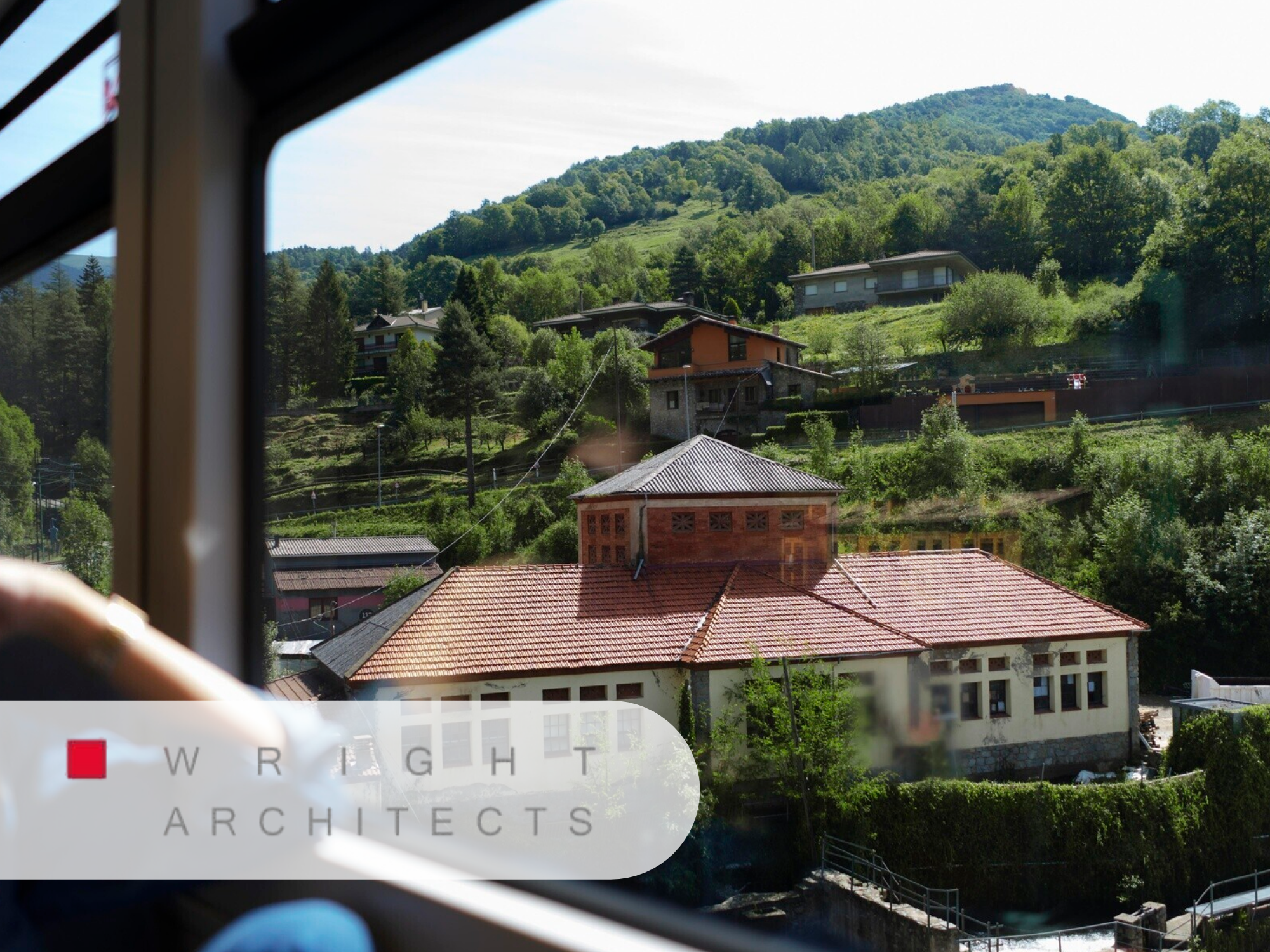
One of the defining characteristics of high-performance custom homes in the Northeast is their relationship to place. Unlike speculative developments, architect-designed homes are typically tailored to specific sites, often rural or semi-rural parcels with environmental sensitivities that demand a nuanced and disciplined design approach. In these contexts, performance is inseparable from siting, orientation, and landscape integration, with architectural decisions shaped as much by ecological constraints as by programmatic needs.
In areas such as Kingston, NY, and the surrounding Hudson Valley, sustainable residential projects must contend with a range of site-specific challenges. Sloped terrain and shallow bedrock frequently influence foundation strategies and building massing, while wetlands, streams, and protected habitats require careful planning to minimize disturbance and manage stormwater responsibly. Historic zoning overlays and design review boards add additional layers of consideration, often shaping form, materials, and scale. At the same time, strong community expectations around scale and character reinforce the importance of contextual design that respects existing settlement patterns and regional identity.
Practices engaged in sustainable architecture in Kingston NY often emphasize low-impact siting, minimal disturbance, and the use of local or regionally appropriate materials. This approach supports both environmental stewardship and long-term community acceptance, helping new homes feel like natural extensions of their landscapes rather than isolated objects. Thoughtful placement, restrained material palettes, and attention to viewsheds and natural features contribute to homes that perform efficiently while reinforcing a sense of place.
As highlighted by Hudson Valley Magazine, architecture in the region is increasingly defined by restraint, homes that feel grounded in their landscapes rather than imposed upon them. This sensibility aligns closely with the principles of high-performance design, where simplicity, durability, and responsiveness to site conditions often yield the most resilient and enduring results. Together, site sensitivity and regional identity continue to shape a distinctly Northeastern approach to custom residential architecture, one that values performance, stewardship, and belonging in equal measure.
The Role of Architects in Design-Build and Design-Bid-Build Models
High-performance residential projects require close coordination between architects, consultants, and builders. In the Northeast, where climate conditions, regulatory requirements, and site constraints add layers of complexity, this level of coordination is especially critical to achieving meaningful performance outcomes. Both Design-Build and Design-Bid-Build delivery models are commonly used across the region, each with distinct workflows, communication structures, and implications for how performance goals are established, documented, and executed in the field.
In a Design-Build model, early collaboration between architects and builders can streamline decision-making and improve constructability, allowing performance strategies to be evaluated in real time against cost, schedule, and technical feasibility. In contrast, Design-Bid-Build offers greater separation between design and construction, which can provide clarity and competitive pricing, but often requires more rigorous documentation and oversight to ensure that performance objectives are fully realized during construction. In both scenarios, the architect plays a critical role as the steward of design intent and long-term building performance.
Architects experienced in both frameworks bring added value by translating abstract performance goals into constructible details that can be consistently executed on site. This includes coordinating energy modeling with structural and mechanical design to ensure that systems work together rather than in isolation, and that performance targets are supported by the building envelope, material choices, and spatial organization. Their involvement extends beyond drawings, encompassing quality control during construction through site visits, mockups, and ongoing collaboration with contractors and consultants. Perhaps most importantly, they advocate for long-term performance over short-term savings, helping clients understand the lifecycle implications of design decisions and resisting value engineering measures that may undermine durability, comfort, or efficiency.
Wright Architects’ regional reputation has been shaped in part by its ability to navigate these collaborative environments, particularly on complex sites requiring custom detailing and careful sequencing. By working effectively within both Design-Build and Design-Bid-Build models, the firm is able to align diverse project teams around shared performance objectives, ensuring that high-performance ambitions are carried through from concept to completion. This collaborative rigor supports the delivery of residential projects that not only meet design expectations, but also perform reliably over time in the demanding climatic conditions of the Northeast.
Market Demand and Real Estate Implications
From a real estate perspective, high-performance custom homes are increasingly viewed as lower-risk, future-proof investments. As energy codes tighten and buyer awareness grows, homes with documented performance metrics are expected to maintain stronger resale value and experience less volatility over time. In competitive markets, performance is becoming a differentiator that extends beyond aesthetics, influencing appraisal discussions, buyer confidence, and long-term asset planning.
Key advantages cited by real estate professionals include lower operating costs and predictable energy expenses, which appeal to buyers seeking stability in an era of fluctuating utility prices. Enhanced indoor air quality and occupant health are also gaining recognition as tangible benefits, particularly among health-conscious buyers and families spending more time at home. Reduced maintenance due to durable assemblies further supports the financial case for high-performance construction, as well-detailed envelopes and robust materials often translate into fewer repairs and longer replacement cycles. Alignment with evolving regulatory standards provides an additional layer of risk mitigation, minimizing the likelihood that a home will require costly upgrades to remain compliant in the future.
In markets across New York and New Jersey, buyers are showing greater interest in homes designed by a modern home architect Hudson Valley who can articulate the long-term benefits of performance-based design. The ability to clearly explain how design decisions impact comfort, efficiency, and durability is increasingly influencing purchasing decisions, reinforcing the role of architecture as both a design service and a strategic investment factor. As awareness continues to grow, performance-driven homes are likely to command greater attention from buyers who value transparency, longevity, and measurable quality in residential real estate.

Climate Resilience and Long-Term Thinking
Beyond efficiency, high-performance homes are increasingly framed as tools for climate resilience. In the Northeastern United States, where climate conditions are becoming more unpredictable, residential architecture is being asked to perform under a wider range of stresses than in the past. The Northeast has experienced more frequent extreme weather events, from heat waves to winter storms, underscoring the importance of robust building envelopes and reliable mechanical systems that can protect occupants during both everyday operation and emergency scenarios.
High-performance custom homes are often better equipped to maintain safe indoor temperatures during power outages, thanks to high levels of insulation, airtight construction, and passive design strategies that slow heat loss in winter and limit heat gain in summer. These homes are also more resilient in resisting moisture intrusion and mold growth, a critical concern in a region characterized by freeze-thaw cycles, heavy precipitation, and increasing humidity. Carefully detailed assemblies, appropriate material selection, and controlled ventilation help ensure long-term durability and healthier indoor environments.
In addition, high-performance custom homes are often designed to adapt to future energy system changes, including electrification, on-site renewable energy integration, and evolving grid conditions. This adaptability allows homeowners to respond to regulatory shifts and technological advancements without major retrofits, extending the functional lifespan of the building. Collectively, these attributes align with broader societal goals around sustainability and risk mitigation, reinforcing the relevance of performance-driven architecture not only as a design preference, but as a strategic response to long-term environmental and economic uncertainty.
Professional Accountability and EEAT Principles
For external audiences, including media outlets and industry peers, credibility hinges on transparent, experience-based insight. In an environment where design discourse is increasingly public and searchable, architectural firms are evaluated not only on the quality of their built work, but also on how clearly and responsibly they communicate their expertise. Firms like Wright Architects build trust by grounding their work in measurable outcomes, professional certifications, and a clear understanding of regional conditions. This emphasis on accountability reinforces confidence among clients, collaborators, and third-party evaluators who seek evidence-based leadership rather than abstract claims.
Their experience across the Hudson Valley and Northeast reflects a depth of knowledge that extends beyond design intent to real-world execution and long-term performance. This includes deep familiarity with local building codes and zoning, allowing projects to navigate regulatory frameworks efficiently while meeting or exceeding performance standards. Long-term collaboration with builders and consultants further strengthens this expertise, creating feedback loops that inform continuous improvement and ensure that design decisions are tested against practical construction realities. Ethical commitments to client wellbeing and environmental responsibility underpin these relationships, shaping decisions that prioritize health, durability, and sustainability over short-term gains.
Such attributes resonate strongly with Google’s EEAT principles, which increasingly influence how thought leadership content is evaluated and discovered online. Experience is demonstrated through built work and post-occupancy performance; expertise is reflected in technical rigor and regional fluency; authoritativeness is earned through peer recognition and consistent outcomes; and trustworthiness is established through transparency and ethical practice. Together, these factors position performance-driven architectural firms as credible voices within the broader conversation about the future of residential design, strengthening both their professional reputation and their visibility in digital knowledge ecosystems.
Looking Ahead: The Future of Custom Homes in the Northeast
As demand for high-performance housing continues to rise, the Northeast is likely to remain at the forefront of residential innovation. Longstanding regional pressures, combined with accelerating environmental and economic change, are pushing residential architecture toward higher standards of accountability and performance. The region’s challenges, climatic, regulatory, and cultural, are driving more rigorous approaches to design that prioritize durability, efficiency, and contextual relevance. Rather than reacting to trends, architects and clients alike are increasingly planning for longevity, adaptability, and resilience in the face of uncertainty.
Architectural practices with strong regional roots and technical expertise are well positioned to shape this future. Their familiarity with local climates, materials, construction methods, and approval processes enables them to anticipate challenges early and integrate performance strategies seamlessly into the design process. By combining building science with thoughtful design, they are redefining what custom homes can achieve in one of the country’s most demanding environments. High-performance is no longer framed solely as an environmental aspiration, but as a comprehensive approach to comfort, health, and long-term value.
As this evolution continues, the role of architects extends beyond problem-solving to leadership, guiding clients through complex decisions, balancing innovation with proven methods, and translating long-term thinking into built form. For readers seeking deeper insight into this evolving landscape, learning more about Wright Architects’ work at their website offers a window into how high-performance, site-sensitive design is being realized across the Hudson Valley and the broader Northeast. For design inquiries, media contact, or project discussion, connecting with the firm directly provides an opportunity to engage with architects actively shaping the future of residential design.

 Dubb
Dubb