

Independent experts play an essential role in upholding the integrity, safety, and legal compliance of the food service industry. Their objective, science-based evaluations help bridge the gap between technical food safety standards and real-world applications in legal, regulatory, and operational settings.
As food safety regulations become more complex and enforcement more rigorous, legal teams, insurers, and regulatory agencies increasingly rely on specialized professionals to assess compliance, investigate claims, and offer authoritative testimony. The increasing incidence of foodborne illness outbreaks, contamination recalls, and cross-border food production adds further pressure on companies to meet stringent standards. In this environment, the insights of a seasoned food safety expert witness are more critical than ever.
A food safety expert witness can evaluate whether a facility’s processes align with current Hazard Analysis and Critical Control Points (HACCP) protocols, Good Manufacturing Practices (GMPs), and FDA or USDA regulations. Their findings often become pivotal in determining liability in civil litigation, defending compliance measures in administrative hearings, or validating insurance claims related to contamination or safety failures.
The insights of an experienced food safety expert witness like Ken Kuscher bring significant value across legal, operational, and regulatory contexts. With decades of field and courtroom experience, professionals like Kuscher provide unbiased, technically grounded opinions that are respected by courts and regulators alike. Their ability to distill complex microbiological, procedural, or systemic safety issues into clear, actionable conclusions can mean the difference between a favorable or unfavorable outcome in high-stakes cases.
Furthermore, independent experts frequently contribute during the investigative phase of incidents, such as foodborne illness outbreaks or foreign object contamination. Their role may include site evaluations, procedural audits, interviews with staff, and reviews of documentation to determine root causes and whether preventive measures were adequately followed. This work not only supports litigation but also helps food service operators implement corrective actions and avoid future liability.
In an era where consumer expectations, legal scrutiny, and global supply chains intersect, the function of a food safety expert witness has expanded beyond the courtroom. From due diligence during mergers and acquisitions to training assessments and risk management consulting, independent experts now shape the strategic frameworks through which companies manage food safety holistically.
Whether in courtrooms, boardrooms, or compliance meetings, the expertise and credibility of a qualified food safety expert witness like Ken Kuscher remain indispensable. Their contributions uphold industry standards, safeguard public health, and ensure that companies remain accountable in a fast-evolving regulatory landscape.
Regulatory Pressures in the Food Service Industry
A dynamic and demanding landscape
Food service establishments in the United States operate under a detailed and evolving framework of federal, state, and local regulations. Agencies such as the U.S. Food and Drug Administration (FDA), the U.S. Department of Agriculture (USDA), and state health departments provide extensive regulatory guidance. For example, the FDA’s Model Food Code is a foundational resource for state and local regulators in enforcing food safety standards.
The USDA, particularly through its Food Safety and Inspection Service (FSIS), plays a key role in enforcing safety standards for meat, poultry, and processed egg products. In addition, the Centers for Disease Control and Prevention (CDC) provides surveillance data and guidance to prevent and investigate foodborne illness outbreaks.
These agencies together form a multi-layered oversight environment that food businesses must navigate. The complexity of these standards means businesses often require independent expertise to interpret regulations, implement best practices, and document compliance.
Independent Expertise: Enhancing Operational and Legal Clarity
Interpreting regulations and mitigating risk
Independent experts serve a critical function by interpreting dense regulatory materials and translating them into actionable operational steps. These professionals understand both the letter and intent of the law and provide insights tailored to the specific type of food service operation, be it a quick-service chain, a school cafeteria, or a high-end restaurant.
By conducting audits and offering compliance assessments, experts help businesses:
- Prepare for inspections
- Meet training requirements such as maintaining florida food handler certificates best price
- Correct gaps in temperature control, cross-contamination prevention, allergen management, and sanitation protocols
Such actions not only reduce the risk of enforcement but also strengthen the overall safety posture of an organization.

Legal and litigation support
In legal contexts, an independent food safety expert provides clarity and credibility. These professionals often assist law firms, insurance companies, and regulatory agencies in food-related litigation by:
- Investigating foodborne illness claims
- Analyzing standard operating procedures for negligence
- Offering testimony on causation, standard of care, and regulatory compliance
Engaging an expert witness ensures that complex technical issues are communicated effectively to judges, juries, and stakeholders.
How Expert Witnesses Strengthen Regulatory Enforcement
Support for agencies and compliance enforcement has become increasingly critical as the regulatory landscape grows more intricate. In this context, regulatory agencies frequently benefit from the input of independent experts, particularly in enforcement cases where documentation or operational assessments are in dispute. These experts bring an impartial, technical lens that bolsters the credibility and effectiveness of agency actions.
A qualified food safety expert witness like Ken Kuscher provides essential support in these scenarios. Their role often begins with validating findings from inspections—reviewing whether the original assessment accurately reflects the conditions and practices observed during the site visit. This validation process is crucial when businesses challenge inspection outcomes or when additional legal scrutiny is expected.
Beyond validation, expert witnesses also assess whether a business maintained adequate food safety systems. They examine operational records, sanitation logs, training documentation, hazard control plans, and monitoring systems to determine if the organization fulfilled its obligations under FDA, USDA, or state-level regulations. Their evaluation goes beyond surface-level compliance, offering a deeper look into the integrity and consistency of food safety protocols over time.
Another key function is comparing practices to accepted industry standards. A food safety expert witness brings insight not just from regulatory codes, but from years of direct industry experience and knowledge of evolving best practices. This enables a fair and realistic appraisal of how the business’s procedures measure up against peer operations and sector expectations.
By incorporating independent expert analysis, regulatory enforcement actions are more likely to be substantiated and legally defensible. This added layer of technical validation not only strengthens the government’s case in administrative or legal proceedings, but also supports transparency and fairness in enforcement decisions.
In an era where regulatory actions may be subject to heightened legal and public scrutiny, the role of a food safety expert witness serves as a critical checkpoint, ensuring that decisions are not only compliant with law, but also grounded in technical rigor and operational feasibility.
Informing recall and response strategies
In cases where contamination or illness has already occurred, expert witnesses play a pivotal role in informing both immediate and long-term response strategies. Their involvement ensures that legal teams and regulatory bodies base their actions on evidence-driven, scientifically sound assessments.
One of the primary responsibilities of a food safety expert witness in such situations is conducting root cause analysis. By systematically evaluating the origin of contamination, whether due to equipment failure, supply chain breakdown, human error, or inadequate sanitation protocols, they help identify precisely where and how the failure occurred. This foundational step is essential for determining liability and shaping corrective action plans.
In addition to diagnostics, expert witnesses also assist by evaluating internal responses. This includes reviewing documentation such as recall logs, incident reports, communication records, and employee training procedures to assess how effectively the organization reacted to the issue. A thorough evaluation reveals whether proper protocols were followed and whether there were gaps in execution that may have exacerbated the risk.
Most importantly, experienced professionals like Ken Kuscher provide authoritative recommendations for preventive strategies to reduce recurrence. These may involve updates to standard operating procedures (SOPs), enhancements to quality control systems, or improvements in regulatory training and oversight. Their guidance helps food businesses not only comply with current regulations but also build more resilient systems to prevent future incidents.
These functions are vital not just to enforcement but to public health protection. A qualified food safety expert witness acts as a bridge between scientific rigor and operational practicality, helping organizations move beyond damage control to proactive, long-term safety improvements. In doing so, they contribute to a safer food supply chain and reinforce trust among consumers, regulators, and industry stakeholders alike.
Case Areas Where Expert Services Are Most Valuable
Restaurant operations
The restaurant industry is a key area where expert analysis has tangible impacts. With high employee turnover, variable training, and often limited oversight, restaurants are particularly vulnerable to lapses in food safety.
Engaging a restaurant expert witness enables attorneys and insurers to:
- Evaluate employee certification status, including florida food handler certificates
- Analyze time/temperature control records
- Investigate cross-contamination and allergen handling
- Review cleaning and sanitation protocols
These assessments can uncover both isolated incidents and systemic weaknesses.
Food processing and distribution
In larger operations like processing facilities or distributors, expert input plays a pivotal role in safeguarding both compliance and food integrity. The complexity of these environments, where high-volume production, temperature-sensitive logistics, and multi-tiered supply chains converge, demands rigorous oversight and precision. A qualified food safety expert witness contributes critical insight to ensure that hazard analysis and preventive controls align with FDA and USDA standards.
One of the primary contributions of an expert in these settings is reviewing HACCP documentation. The Hazard Analysis and Critical Control Points framework remains the cornerstone of food safety planning. An experienced professional can assess whether the written plan accurately identifies potential biological, chemical, or physical hazards, and whether control measures are adequately designed and implemented. Gaps in documentation or insufficient monitoring protocols often come to light under expert scrutiny, especially in regulatory or legal contexts.
Additionally, expert witnesses assist by analyzing process flows and contamination risk points. This includes evaluating how raw ingredients move through receiving, processing, packaging, and distribution. They identify potential areas of cross-contamination, improper handling, or breakdowns in temperature control, all of which are critical when assessing liability or system robustness in the event of a recall or outbreak.
Another crucial area is evaluating supplier verification systems and product traceability. A food safety expert witness examines whether businesses are adequately vetting their suppliers, maintaining proper documentation, and responding appropriately to ingredient-related alerts or recalls. Traceability, in particular, is essential for rapid response during contamination events and for meeting the documentation requirements outlined in the Food Safety Modernization Act (FSMA).
Such assessments are crucial in verifying compliance with mandates under 21 CFR Part 117 (Preventive Controls Rule). This regulation requires covered facilities to implement risk-based preventive controls, which include not only traditional HACCP elements but also supply-chain programs, allergen control, sanitation procedures, and a robust corrective action framework. A knowledgeable expert ensures that these elements are not only present on paper but functionally integrated into daily operations.
In high-volume, high-risk sectors like processing and distribution, the technical guidance of a food safety expert witness serves as both a shield and a lens, protecting companies from legal vulnerabilities while exposing weaknesses that, if unaddressed, could lead to costly enforcement actions or public health risks.
Insurance claim investigations
Insurance companies turn to food service expert witness professionals to assess liability, determine cause, and validate claims. Expert evaluations support faster, more accurate resolution of:
- Property damage from food spoilage
- Business interruption due to regulatory closures
- Civil litigation resulting from customer illness

Certification and Training Evaluation
A major area of value for food safety experts is verifying staff training and certification. Programs requiring food handler certificates florida are often inconsistently managed by food businesses. Experts like Ken Kuscher can:
- Review documentation for required certifications, such as florida food handlers card
- Evaluate the effectiveness of training programs
- Recommend updates to meet current regulatory expectations
Properly documented training supports legal defense and enhances operational accountability.
Best Practices for Engaging an Independent Expert
What to look for
The effectiveness of a food safety expert witness depends not only on technical knowledge, but also on real-world experience, legal credibility, and the ability to clearly articulate complex issues. When selecting a food safety expert witness, stakeholders should assess several key qualifications to ensure their chosen professional can withstand both legal scrutiny and operational complexity.
First and foremost is professional experience in food service, regulation, or scientific analysis. A well-qualified expert will have spent years in relevant sectors such as food manufacturing, quality assurance, regulatory enforcement, or microbiological research. This breadth of experience allows the expert to understand not just the regulations, but how they are practically applied and where breakdowns are most likely to occur.
Equally important is familiarity with applicable laws and codes, including FDA Food Code and USDA FSIS policies. A food safety expert witness must be deeply versed in national and, where relevant, state-level regulations. This includes understanding the intricacies of the Food Safety Modernization Act (FSMA), 21 CFR Part 117, HACCP protocols, and industry-specific guidance documents. Their ability to interpret and apply these frameworks is critical in both compliance and litigation settings.
Stakeholders should also look for a proven history of litigation support, including deposition and trial testimony. Experience with the legal process, writing expert reports, sitting for depositions, and testifying under oath, ensures that the expert understands evidentiary standards, legal procedure, and how to communicate persuasively under cross-examination. An expert with courtroom experience is far more likely to deliver credible, impactful testimony.
Finally, strong communication skills and the ability to present complex information clearly are essential. A food safety expert witness must distill technical concepts such as microbial thresholds, risk modeling, or control measures into language that is accessible to judges, juries, attorneys, and regulators. The clarity and precision of their communication can significantly influence case outcomes or regulatory decisions.
Selecting the right expert is not a box-checking exercise, it is a strategic investment in the strength of a legal argument or the integrity of a compliance framework. Professionals like Ken Kuscher embody this multidimensional expertise, combining regulatory depth, legal acumen, and practical insight to deliver high-impact guidance when it matters most.
How to integrate their insights
Selecting a qualified food safety expert witness is only the first step, maximizing their impact requires strategic integration into the broader legal or compliance process. Whether supporting litigation, navigating a regulatory challenge, or conducting a proactive review, the value of expert insights depends heavily on how and when they are engaged.
After selecting an expert, stakeholders should engage them early in the review or litigation process. Early involvement allows the expert to shape the investigative direction, identify key evidentiary needs, and flag potential weaknesses before a case progresses too far. In many instances, the timing of expert consultation can influence whether a dispute is resolved through negotiation, administrative resolution, or full legal proceedings.
To ensure a comprehensive analysis, it’s essential to provide access to relevant records, logs, and personnel. This includes inspection reports, cleaning and sanitation logs, food safety plans, training records, vendor documents, and any other operational data relevant to the case. Open access allows the expert to conduct an informed, accurate, and defensible evaluation.
Stakeholders should also request a thorough evaluation with actionable recommendations. A food safety expert witness doesn’t merely summarize findings, they offer strategic insights grounded in both science and industry standards. These insights should not only address whether violations occurred, but also what systemic changes can prevent recurrence, mitigate risk, or bolster future compliance.
Finally, decision-makers should use their analysis to shape defense strategy or guide compliance improvement. In legal contexts, expert input can inform depositions, motion development, and courtroom arguments. In compliance contexts, their recommendations may drive revisions to internal protocols, inform staff training, or lead to new verification and documentation practices that reduce long-term exposure.
By integrating expert insights early, transparently, and strategically, organizations significantly improve their capacity to defend operations, correct vulnerabilities, and demonstrate good faith efforts to regulators and the courts. Professionals like Ken Kuscher deliver not just technical evaluations, but operational roadmaps, ensuring that food safety systems are both robust and sustainable.
Why Independent Expert Support Is Mission-Critical
Independent expert support plays a central role in maintaining the integrity of the food safety ecosystem. From regulatory interpretation to legal strategy and operational reform, the expertise of professionals like a food safety expert witness transcends any single function, acting instead as a linchpin that connects compliance, accountability, and continuous improvement.
From a public safety perspective, the input of independent experts ensures that food establishments not only follow regulatory requirements but understand them. It’s one thing to implement a checklist of mandated procedures; it’s another to comprehend the science and intent behind those rules. A qualified expert translates complex regulatory language into actionable insights, helping operators adopt safety measures that are both compliant and effective in reducing risk.
For legal professionals, this expertise creates a foundation for stronger arguments, whether defending or pursuing a claim. A food safety expert witness contributes critical clarity in high-stakes cases, illuminating where procedures failed, validating what standards were met, and providing the technical backbone for legal reasoning. Their input often becomes the turning point in litigation, administrative hearings, or settlement discussions.
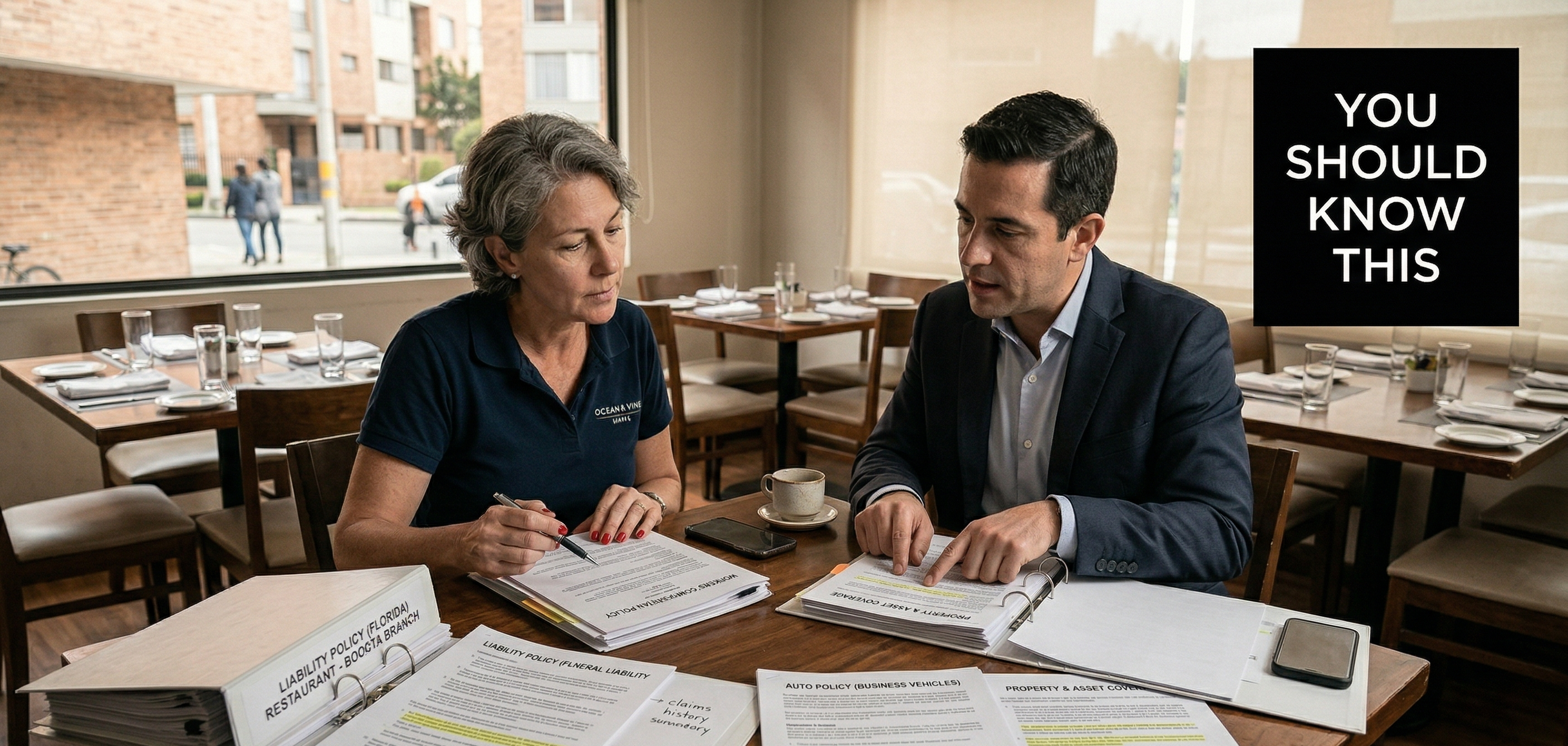
For insurers, expert analysis mitigates risk and clarifies liability. Whether evaluating a contamination claim or assessing the adequacy of a policyholder’s food safety program, insurers benefit from unbiased, technically sound evaluations. These insights can inform underwriting decisions, guide claim settlements, and even shape coverage policies tailored to industry realities.
For food businesses, the value is direct and operational. Independent expert evaluations offer a roadmap for integrity, highlighting strengths, uncovering vulnerabilities, and offering strategic recommendations that elevate food safety systems. Rather than reacting to incidents, companies that engage experts proactively position themselves for long-term resilience, improved consumer trust, and regulatory confidence.
Professionals such as Ken Kuscher bring deep, practical knowledge to these roles. With extensive experience in food manufacturing, regulatory policy, and courtroom testimony, Kuscher represents the gold standard in expert evaluation. His assessments support a proactive stance, one where risk is minimized, quality is enhanced, and all stakeholders are better equipped to navigate the increasingly complex demands of the food industry.
Learn More from Ken Kuscher
For law firms, agencies, and businesses seeking expert insight into food safety regulation, the services of a qualified florida food expert witness can be indispensable. Explore the range of expertise Ken Kuscher offers, including audits, training review, and litigation support, through these internal links:
- florida food handler certificates best price
- florida food handler certificates
- food safety expert
- restaurant expert witness
- food handler certificates florida
- florida food handlers card
- food service expert witness
Independent expert services are not just about compliance, they are about confidence. Legal teams, insurers, and regulatory bodies can all benefit from the clarity, credibility, and strategic insights that these professionals provide.
 USA.CIS
 Dubb
Dubb