Mold is more than just an unsightly nuisance. In Florida’s humid climate, it can be a persistent and dangerous intruder that affects homes, health, and peace of mind. Understanding the science behind mold is the first step toward preventing its growth, responding effectively to contamination, and knowing when professional help is essential.
This comprehensive blog explores the biology, behavior, and risks of mold in the context of Florida living, from how it forms and spreads to how residents can prevent it. It also highlights essential services like Orlando Water Damage Restoration, Mold Removal Orlando, and 24/7 Emergency Restoration Orlando to protect your property and family.
What Is Mold? A Biological Breakdown
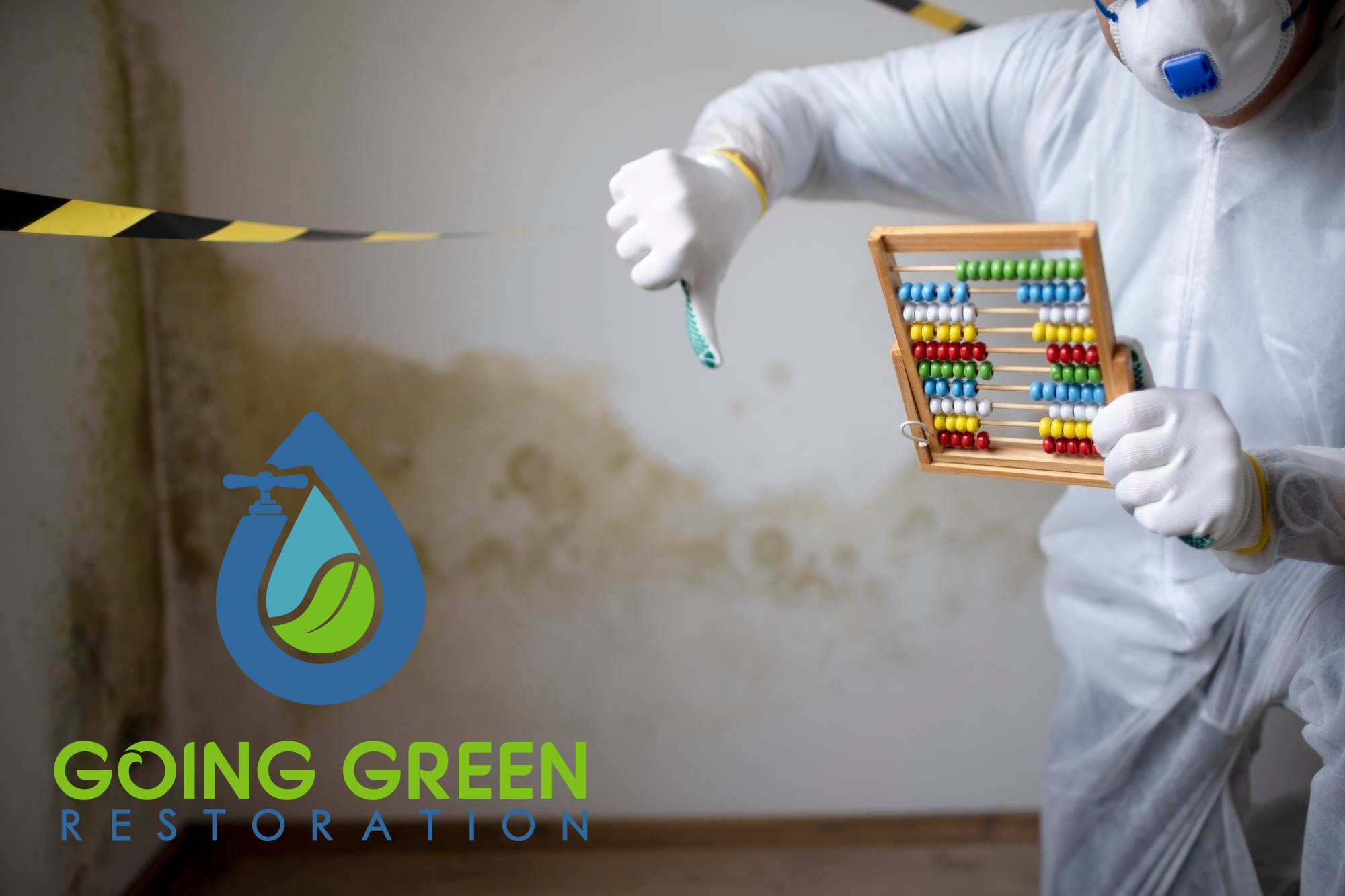
Mold is a type of fungus that reproduces by releasing microscopic spores into the air. These spores are naturally present in both indoor and outdoor environments, making it easy for mold to spread unnoticed. When these spores land on damp surfaces, they can quickly begin to grow and form visible colonies. These colonies vary in appearance, showing up in colors like black, green, white, or even orange, depending on the mold species and surface material.
What sets mold apart from other biological organisms is its ability to thrive with very little encouragement, making it a persistent problem in many homes and buildings. Once established, mold can damage building materials and contribute to indoor air quality issues, especially for individuals with allergies, asthma, or other respiratory conditions.
Mold needs the following conditions to thrive:
- Moisture – Mold cannot grow without it. Whether from leaky roofs, burst pipes, flooding, or even just high humidity, the presence of moisture creates the ideal environment for mold growth.
- Warm temperatures (optimal range: 77–86°F) – These temperatures are particularly common in household settings and provide the ideal warmth for rapid mold development.
- Organic materials (wood, paper, drywall, fabrics) – Mold feeds on these materials to grow. These substances are common in most buildings, making nearly any property vulnerable.
Florida’s subtropical climate makes it a perfect breeding ground for mold, especially after heavy rains, hurricanes, or plumbing issues that lead to moisture buildup. The combination of heat and humidity allows mold to grow at an accelerated pace, often before homeowners even realize it.
For a scientific perspective and more in-depth information, the U.S. Environmental Protection Agency (EPA) offers a detailed overview of mold biology and prevention here:
Why Florida Homes Are High-Risk Zones for Mold
Florida’s unique blend of climate conditions, architectural styles, and lifestyle habits makes it especially vulnerable to mold infestations. While mold can develop in virtually any state under the right conditions, Florida homes are particularly susceptible due to a combination of environmental and structural factors that accelerate mold growth and make prevention more challenging.
Here are several environmental and lifestyle factors in Florida that contribute to a higher mold risk:
- Humidity: Florida consistently ranks among the most humid states in the U.S., with relative humidity levels often exceeding 70% indoor humidity. High indoor humidity provides an almost constant supply of moisture in the air, which encourages mold spores to settle and grow on surfaces like walls, ceilings, and HVAC systems.
- Storms and flooding: Florida’s location makes it a magnet for tropical storms and hurricanes, which frequently result in water intrusion. Whether from rising floodwaters or wind-driven rain, this sudden influx of water into buildings can saturate carpets, drywall, and insulation, creating ideal conditions for mold to develop in as little as 24–48 hours.
- Air conditioning: While air conditioning is essential for comfort in Florida’s hot climate, poorly maintained AC units can become a hidden source of condensation and moisture issues. Clogged drains, dirty filters, and inefficient cooling cycles can lead to water pooling in ducts or behind walls, all of which feed mold colonies.
- Vacation homes: Many homeowners in Florida own vacation homes or seasonal properties. These properties left unattended for weeks or months at a time are especially vulnerable. Without regular inspections, unnoticed leaks or mold growth can progress unchecked, resulting in extensive damage before the owner becomes aware of the problem.
Together, these risk factors make timely mold detection and professional services like Orlando Water Clean Up & Restoration essential for protecting your property and health. A proactive approach to mold prevention and remediation can save Florida homeowners thousands of dollars in repairs and preserve indoor air quality.
The Lifecycle of Mold: From Spores to Colonies
Understanding how mold develops is crucial for recognizing the importance of early intervention. Though it may seem like a slow process at first, mold follows a straightforward yet rapid lifecycle that can quickly escalate into a serious contamination issue. Once conditions are favorable, mold can grow and spread before most homeowners even notice the signs.
Here’s how the lifecycle of mold progresses:
- Spore Release: Mold begins by releasing microscopic spores into the air. These spores are incredibly resilient and lightweight, allowing them to travel effortlessly through indoor and outdoor air currents. One mold colony can produce thousands of spores, making containment difficult if not addressed quickly.
- Attachment: Once airborne, these spores land on moist surfaces, anything from bathroom tiles to HVAC components, drywall, or carpeting. Moisture is the key ingredient here. Without it, spores remain dormant. With it, they begin to colonize.
- Growth: When conditions are right (warm temperatures, moisture, and a food source), the mold develops thread-like structures called hyphae. These hyphae extend into the material, digesting organic matter like cellulose in wood, paper, and fabrics. This stage marks the formation of the actual body of the mold, though it might not yet be visible.
- Colony Formation: As the hyphae network expands, mold becomes visible to the naked eye. Visible mold appears as a fuzzy or slimy patch, often showing up in shades of green, black, or white. At this stage, structural materials may already be compromised, and the musty odor associated with mold is typically noticeable.
- Reproduction: Once mature, the mold resumes its reproductive cycle by releasing new spores into the environment, starting the process all over again, only this time on a broader scale. If left undisturbed, colonies can release spores that travel through HVAC systems, cracks, or even clothing, spreading contamination to new areas.
If mold isn’t stopped early, this cycle continues relentlessly, allowing contamination to spread across surfaces and into the air. This not only worsens property damage but also increases health risks for occupants, particularly those with asthma, allergies, or compromised immune systems.
Common Types of Indoor Mold in Florida
While there are thousands of mold species, a few are especially common in Florida homes:
- Cladosporium: Often found on fabrics and HVAC systems.
- Penicillium: Grows on insulation, wallpaper, and carpeting.
- Aspergillus: Frequently found in dust and building materials.
- Stachybotrys chartarum (“black mold”): Associated with water damage and can produce toxins.
Each type has unique health risks and requires a tailored remediation approach, often through services like Orlando Emergency Mold Remediation.
How Mold Affects Human Health
The Centers for Disease Control and Prevention (CDC) warns that mold exposure can cause a variety of health issues, especially for sensitive individuals:
Symptoms include:
- Coughing and wheezing
- Eye, nose, and throat irritation
- Skin rashes
- Headaches
- Aggravation of asthma and allergies
Children, elderly adults, and people with compromised immune systems are especially vulnerable.
How Fast Does Mold Spread?
Mold can begin growing within 24 to 48 hours after a moisture event. In Florida’s climate, that timeline can accelerate. Once established, mold can spread across drywall, ceilings, insulation, and HVAC systems rapidly, sometimes going unnoticed for days or weeks.
If you’ve experienced a flood or leak, services like Orlando Flood Damage Repair should be contacted immediately.
Professional vs. DIY Mold Remediation
When mold appears in your home, your first instinct might be to clean it yourself, and in some cases, that’s perfectly acceptable. While minor mold spots can be addressed with household cleaners, such as diluted bleach or vinegar, the situation changes dramatically when growth becomes widespread or hidden behind walls, flooring, or ceilings. Larger or recurring infestations aren’t just a surface-level issue, they may indicate deeper moisture problems or compromised indoor air quality.
Significant mold infestations require professional attention to ensure complete removal and to prevent the issue from returning. Here’s how certified remediation services go beyond basic cleanup:
- Use specialized equipment like HEPA vacuums and air scrubbers: Professionals are equipped with HEPA-grade vacuums and air scrubbers that capture and remove mold spores from the air, something household vacuums and fans can’t do effectively.
- Contain and isolate affected areas: Mold spreads easily through air circulation. Experts contain and isolate affected areas using physical barriers and negative air pressure systems, ensuring that spores don’t travel to other parts of the home during remediation.
- Remove contaminated materials: Unlike surface cleaners, professional teams remove contaminated materials such as mold-infested drywall, insulation, carpet, or baseboards. These materials are safely disposed of according to industry protocols to stop mold at the source.
- Prevent cross-contamination: Strict decontamination procedures and protective gear help professionals prevent cross-contamination during cleanup, protecting both your home and your family during the process.
- Provide post-remediation testing: After cleanup is complete, many certified providers provide post-remediation testing using moisture meters, spore traps, or lab analysis to confirm that the mold has been fully eliminated and the environment is safe.
Attempting DIY mold removal on large infestations often results in incomplete remediation, accidental spread, or health exposure. That’s why it’s critical to rely on trained experts when the scope of the problem exceeds a simple surface wipe.
For example, 24 Hour Mold Removal Services Orlando offers immediate response for urgent issues, making them a trusted resource for local homeowners who need fast, effective, and certified mold remediation. Their rapid response helps minimize damage and ensures safe conditions are restored as soon as possible.
Preventing Mold in Florida Homes
Living in Florida means enjoying warm weather, coastal breezes, and beautiful landscapes, but it also means staying vigilant about mold. The state’s naturally humid climate creates a constant threat for mold development inside homes. Fortunately, there are practical ways to keep your living space safe and dry year-round.
You can reduce your mold risk by following these proven strategies:
- Keeping indoor humidity below 60%: Mold thrives in humid environments, and anything above 60% creates an ideal breeding ground. Use hygrometers to monitor your home’s relative humidity and install dehumidifiers in moisture-prone areas like basements, bathrooms, and laundry rooms.
- Using exhaust fans in bathrooms and kitchens: Every shower, bath, or cooking session generates moisture. By using exhaust fans in bathrooms and kitchens, you can ventilate steam out of your home and prevent condensation from settling on surfaces like walls and ceilings.
- Regularly cleaning and servicing HVAC systems: Your heating and cooling system plays a key role in air circulation and moisture control. Regularly cleaning and servicing HVAC systems ensures they’re free of dust, mold, and microbial buildup. It also prevents condensation inside ducts, one of the most overlooked areas for hidden mold.
- Inspecting plumbing and roofing for leaks: Leaky pipes, worn-out seals, and missing shingles all create opportunities for water to enter your home. Inspecting plumbing and roofing for leaks at least twice a year, or after major storms, helps catch moisture problems before mold begins to grow behind walls or under floors.
- Using mold-resistant drywall and paints: When renovating or building, choose mold-resistant drywall and paints. These materials are designed to deter fungal growth and are especially useful in bathrooms, kitchens, and basements. Investing in mold-resistant products up front can save you thousands in remediation later.
In addition to DIY precautions, routine inspections by a professional Orlando Restoration Company can also help prevent mold before it takes hold. Professionals can detect high-risk areas, recommend preventive solutions, and offer early intervention strategies that most homeowners might miss.
Preventive maintenance isn’t just about avoiding mold, it’s about protecting your investment, your indoor air quality, and your peace of mind in a climate where moisture is always present.
What to Do After Water Damage
When water damage strikes, quick action can make the difference between a minor inconvenience and a costly disaster. Even a small leak can lead to major structural damage or mold growth if not handled properly. If you’re facing water intrusion in your home, follow these steps immediately to minimize the impact:
- Shut off the water source if possible: If the issue stems from a plumbing failure or appliance malfunction, locate and turn off the main water valve. This step prevents additional water from entering the affected area and gives you a head start on mitigation.
- Call a professional water damage team: Time is critical. The sooner you contact a professional water damage team, the faster they can assess the situation, begin water extraction, and reduce the risk of secondary damage. These experts have the tools and training needed to respond quickly and effectively.
- Document the damage for insurance: Before cleanup begins, take clear photos and videos of all affected areas and damaged belongings. Create an itemized list of losses. Document the damage for insurance purposes so your claim can be processed smoothly and fairly.
- Start drying out affected areas with fans and dehumidifiers: While waiting for professionals to arrive, start drying out affected areas using any available fans, towels, or wet vacs. Open windows if weather permits. Running dehumidifiers can help reduce indoor humidity and slow mold growth in moist environments.
- Schedule a mold inspection within 48 hours: Mold spores can begin to grow within 24–48 hours of exposure to moisture. To prevent serious health and structural problems, schedule a mold inspection within 48 hours, even if no visible signs of mold are present. A proactive check can catch early-stage growth before it becomes a widespread issue.
Services like Water Damage Repair Orlando are trained to handle both immediate cleanup and long-term prevention, ensuring your property is fully restored and protected from future risks. From water extraction and structural drying to mold remediation and insurance coordination, working with certified professionals provides peace of mind during a stressful time.
Q&A: Mold and Water Damage Explained
Understanding how to respond to mold and water damage can save homeowners time, money, and stress. Below are the most common questions and answers we hear from Florida residents dealing with these issues:
1. What should I do immediately after discovering water damage?
Stop the source, ensure safety, and contact a water damage specialist right away. If it’s safe to do so, shut off the water and electricity in the affected area. Time is critical, mold can start growing in 24 hours, so the faster you act, the more damage you can prevent. Don’t wait to see if things dry on their own.
2. How can I tell if mold is present in my home?
You may notice discoloration, especially on walls, ceilings, or baseboards. A musty odor is another red flag. Additionally, unexplained health symptoms like congestion, sneezing, or skin irritation could point to hidden mold. A professional inspection can confirm mold presence using moisture meters, infrared cameras, and lab testing if needed.
3. How long does professional water damage restoration take?
Typical drying and cleanup take 3–5 days, but timing depends on several factors, including the severity of damage, how much water was involved, and the size of the affected area. More extensive water damage or late detection may require longer restoration and reconstruction efforts.
4. Why is quick mold removal important for my health?
Mold can cause or worsen respiratory problems, especially in people with asthma, allergies, or weakened immune systems. It may also trigger headaches, fatigue, or skin rashes. Quick removal reduces health risks and prevents further contamination of your indoor air.
5. What’s the difference between water mitigation and water restoration?
Mitigation prevents further damage, this includes water extraction, drying, and removing unsalvageable materials. Restoration focuses on returning the property to its original condition, such as repairing drywall, repainting, or replacing flooring. Both steps are essential and often overlap during the recovery process.
6. Can water damage lead to structural problems?
Yes. Prolonged exposure weakens walls, floors, and framing materials, particularly wood and drywall. If water damage isn’t addressed quickly, it can lead to sagging ceilings, warped flooring, and in severe cases, compromised foundations. These issues often require costly repairs and can affect property value.
7. How do I prepare for a 24/7 emergency restoration service visit?
Before the team arrives, clear a path to affected areas to allow easy access for drying equipment and assessment. If necessary, turn off water or power to reduce safety risks. Gather insurance documents, take photos of the damage, and make a list of affected items to streamline your claim process.
8. What are the most common causes of water damage in Orlando homes?
In our experience, top culprits include:
- Storm flooding during Florida’s rainy season or hurricane events
- Plumbing leaks from pipes, faucets, or water heaters
- Roof failures due to age or storm impact
- HVAC condensation in poorly maintained systems
- Appliance malfunctions, such as dishwasher or washing machine overflows
Being aware of these risks helps you stay proactive and schedule preventive maintenance.
9. How does insulation play a role in water damage prevention?
Proper insulation reduces the risk of condensation, especially in walls and attics. When insulation is missing or poorly installed, warm, humid air can condense on cooler surfaces, creating moisture that encourages mold growth. Well-insulated buildings are less prone to this kind of moisture buildup.
10. How can I maintain my property to prevent future water or mold issues?
- Schedule seasonal inspections for roofing, plumbing, and HVAC systems
- Seal cracks and leaks promptly in foundations, walls, and windows
- Maintain proper ventilation year-round, especially in kitchens, bathrooms, and attics
- Install dehumidifiers or smart moisture sensors in high-risk areas
- Clean gutters and downspouts regularly to prevent pooling water
Preventative care is always more affordable than dealing with emergency water damage or mold remediation.
 Dubb
Dubb